Azawakh Body Language & Sighthound Psychology 2026
Discover the unique body language, aloof psychology, and ancient guarding instincts of the exotic Azawakh sighthound in our comprehensive 2026 guide.
The Enigma of the Sahel: Introduction to the Azawakh
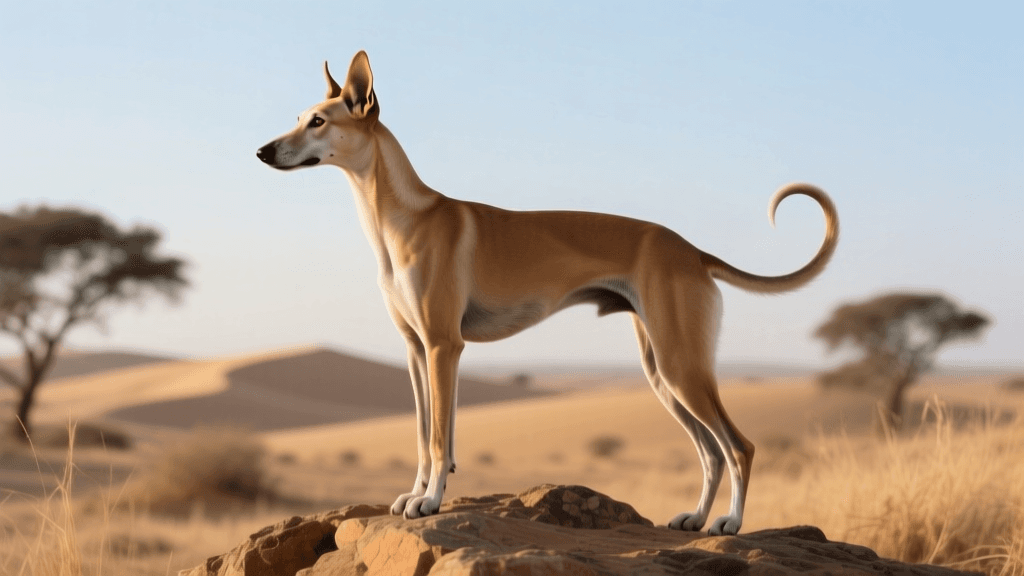
The global landscape of dog ownership in 2026 has seen a fascinating shift toward exotic and international breeds. As remote work and digital nomadism continue to redefine how we live with our pets, enthusiasts are increasingly drawn to ancient, purpose-bred dogs that offer a window into primitive canine psychology. Among the most captivating of these is the Azawakh, a striking West African sighthound. Originating from the harsh, arid Sahel region of Mali, Niger, and Burkina Faso, the Azawakh was traditionally bred by the nomadic Tuareg people. Unlike Western breeds developed primarily for retrieving or herding, the Azawakh served a dual purpose: coursing swift desert game and fiercely guarding the nomadic encampment. To truly understand this breed, one must look beyond their elegant, greyhound-like silhouette and delve into the complex behavioral instincts that have kept them alive in one of the most unforgiving environments on Earth. According to the American Kennel Club (AKC), the Azawakh is defined by an intense loyalty to their pack and a pronounced aloofness toward strangers, traits that are deeply hardwired into their DNA.
Sighthound Psychology: Independence vs. Aloofness
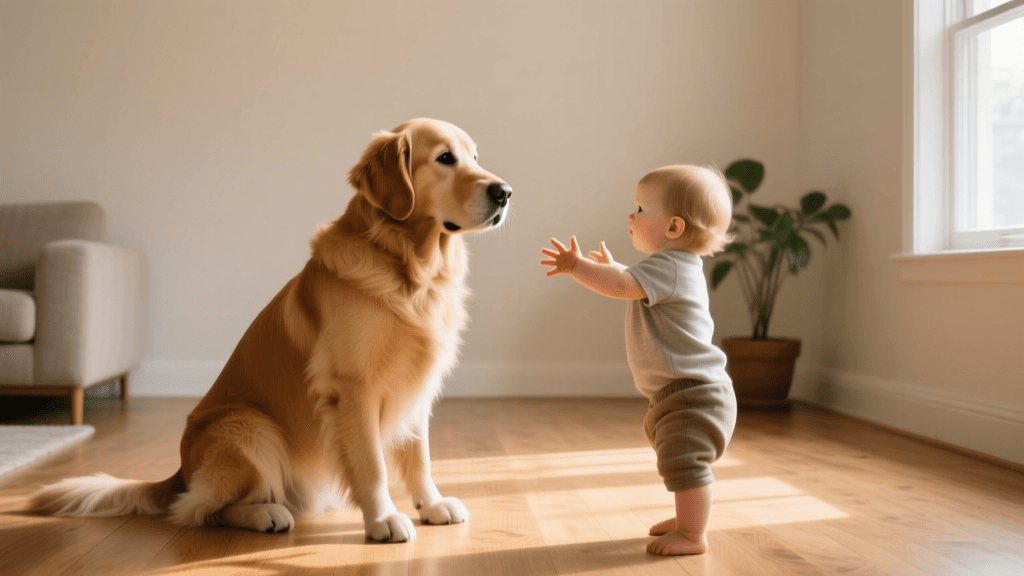
When evaluating the psychology of the Azawakh, new owners often mistake their independent nature for stubbornness or their reserve for fear. It is critical to reframe this understanding. In the context of their Sahelian origins, an Azawakh that rushed to greet every stranger would have been a liability to the Tuareg camp. Their aloofness is a sophisticated survival mechanism and a form of environmental assessment. While a Golden Retriever has been selectively bred for hundreds of years to view every human as a potential friend or playmate, the Azawakh views the world through a lens of cautious observation.
This breed exhibits what canine behaviorists often describe as cat-like independence. They do not typically seek constant physical validation or continuous eye contact with their handlers. Instead, their bonding is profound but quiet. An Azawakh will often choose to sit in the same room as you, facing the door, acting as a silent sentinel. They are intensely tactile with their chosen family, often leaning their lean, muscular bodies against their owners for warmth and reassurance, but they reserve this vulnerability exclusively for their inner circle. Understanding this boundary is the first step in building trust with an exotic sighthound.
Decoding Azawakh Body Language
Because the Azawakh is incredibly lean, with skin that is thin and tight against their musculature, their body language is remarkably visible, yet distinctly different from the exaggerated signals of western companion breeds. Reading an Azawakh requires an understanding of primitive sighthound communication.
The Ears and Eyes
The Azawakh possesses large, almond-shaped eyes and drop ears that are set high on the skull. When alert, the ears do not prick straight up like a German Shepherd; instead, they lift slightly at the base and rotate forward, a subtle signal of intense focus. If the ears are pinned flat against the skull, it indicates extreme stress or preparation for a high-speed chase, not necessarily submission.
Tail Carriage and Posture
In many Western breeds, a tucked tail is a universal sign of fear. However, the Fédération Cynologique Internationale (FCI) breed standard notes that the Azawakh naturally carries its tail low, with a slight upward curve at the tip. When excited or on the hunt, the tail rises, but it rarely curls tightly over the back. A stiff, high tail combined with a rigid, forward-leaning posture and a closed mouth is a clear warning signal that the dog's guarding instincts have been triggered.
Comparative Table: Azawakh vs. Western Companion Breeds
To better understand how the Azawakh processes the world, it helps to compare their instinctual reactions to those of more common breeds.
| Behavioral Trigger | Azawakh Response | Typical Western Breed (e.g., Labrador) |
|---|---|---|
| Stranger Approaching Home | Stands between owner and stranger, issues low warning growl, remains aloof. | Approaches door, wags tail, seeks attention or treats. |
| Fast-Moving Object (Squirrel/Bike) | Visual cortex locks on; immediate, explosive pursuit instinct triggered. | May bark or chase briefly, but easily redirected by owner voice. |
| Owner Returns Home | Quiet greeting, leans against owner's legs, checks perimeter afterward. | Exuberant jumping, licking, vocalizing, and full-body wags. |
| Novel Environment | Cautious observation, refuses to take treats, maps exits visually. | Sniffs ground eagerly, looks to owner for cues, readily takes treats. |
The Visual Cortex: Prey Drive and Instincts
The psychology of any sighthound is heavily dictated by their neurology. Unlike scent hounds that process the world through their olfactory bulbs, the Azawakh is a visual processor. Their eyes are positioned to provide a wide field of binocular vision, allowing them to detect the slightest movement on the horizon. In 2026, with the proliferation of urban wildlife and high-speed delivery drones, managing this visual prey drive is more critical than ever.
When an Azawakh spots a moving target, their brain essentially overrides their auditory processing. This is why calling an Azawakh that is in full pursuit is often futile; they literally do not hear you. This is not disobedience, but a neurological phenomenon known as sensory gating. To manage this in a modern setting, owners must rely on secure, sighthound-fenced enclosures and advanced technology. Many Azawakh owners in 2026 utilize biometric GPS collars that monitor heart rate variability and location in real-time, ensuring that if a dog breaches a boundary during a prey-drive episode, they can be recovered safely before they exhaust themselves in unfamiliar territory.
Navigating 2026 Urban Environments with an Exotic Breed
Bringing a desert-bred guardian into a modern, densely populated city requires a nuanced approach to socialization. The goal with an Azawakh is never to force them to become a social butterfly. Instead, the objective is neutral exposure. In 2026, certified canine behaviorists recommend desensitization protocols that focus on creating positive or neutral associations with urban stimuli—such as sirens, crowds, and strange dogs—without demanding interaction.
The Importance of Decompression Walks
Because the Azawakh is highly sensitive to environmental stress, traditional leash walks on busy sidewalks can lead to chronic cortisol elevation. Experts now advocate for decompression walks in secure, private spaces where the dog can engage in natural sniffing and patrolling behaviors at their own pace. Allowing the Azawakh to act as a sentinel in a safe environment fulfills their psychological need to guard and survey, significantly reducing anxiety and reactivity in the home.
Temperature and Tactile Sensitivity
It is impossible to separate the Azawakh's physical form from their psychological state. With almost no body fat and a very short coat, they are acutely sensitive to cold and rough handling. A shivering Azawakh is not just physically uncomfortable; they are psychologically compromised and more likely to react defensively to touch. In 2026, the market offers advanced, lightweight thermal wearables designed specifically for the deep-chested sighthound anatomy, ensuring they remain physically comfortable and mentally secure during winter outings.
Conclusion: Respecting the Ancient Mind
Understanding the Azawakh is a journey into the ancient, untamed roots of canine behavior. They are not broken pets that need to be fixed, nor are they blank slates waiting to be molded into Western ideals of companionship. They are proud, complex, and deeply instinctual animals that offer a profoundly rewarding relationship to those who take the time to learn their silent language. By respecting their need for space, understanding their visual triggers, and honoring their guardian heritage, owners can forge an unbreakable bond with one of the most extraordinary exotic breeds in the world.
anouk-beaumont
All our authors care for dogs every day — read more of their work on the authors page.