Apartment Dog Enrichment: Indoor Exercise & Space Tips
Discover practical apartment dog enrichment ideas, indoor exercise routines, and space-saving tips to keep your urban pup happy and healthy.

The Urban Dog Dilemma: Thriving in Small Spaces
Living in an apartment or a dense urban environment with a dog presents a unique set of challenges. Without a sprawling backyard, city-dwelling pet parents must be intentional about providing adequate physical exercise and mental stimulation. According to the American Kennel Club (AKC), indoor games and enrichment are vital for preventing destructive behaviors and maintaining your dog's psychological well-being when outdoor space is limited. This guide explores actionable strategies, space-saving furniture, and daily routines to help your apartment dog thrive.
Space Optimization and Multi-Functional Furniture
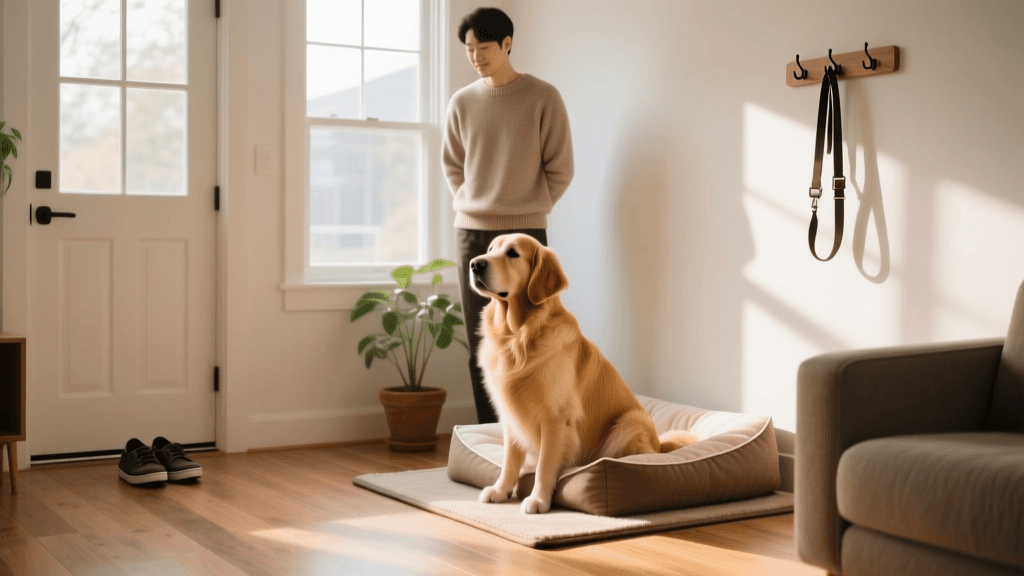
When square footage is at a premium, every item in your apartment must earn its keep. Bulky wire crates and oversized dog beds can quickly make a 600-square-foot apartment feel claustrophobic. The solution lies in multi-functional furniture and vertical space utilization.
Designer Crates and Hidden Storage
Invest in a crate that doubles as an end table or nightstand. The Fable Pets Crate, for example, retails for approximately $250 and measures 33 x 23 x 30 inches. Constructed from bentwood and acrylic, it blends seamlessly into modern living room decor while providing a secure den for your dog. Alternatively, consider storage benches with built-in pet beds that hide toys, leashes, and bulk food bags.
Vertical Space and Balcony Setups
Dogs, much like cats, can benefit from elevated vantage points. Sturdy, wall-mounted pet stairs or ramps allow smaller dogs to access window sills safely, providing hours of visual stimulation (often called "doggy TV"). If you have a balcony, transform it into a secure potty and sniff zone. Products like the DoggieLawn (starting around $30 per delivery) offer real hydroponic grass in sizes ranging from 24x20 inches to 48x24 inches. This is especially useful for high-rise dwellers during late-night bathroom breaks or inclement weather.
Indoor Exercise and Physical Enrichment
A tired dog is a quiet dog, which is essential for maintaining good relations with your neighbors and avoiding noise complaints. When a trip to the local dog park isn't feasible, bring the workout inside.
Flirt Poles and Hallway Fetch
A flirt pole is essentially a giant cat wand for dogs. The Outward Hound Tail Teaser ($20) features a 36-inch pole and a durable lure. It allows you to exhaust a high-energy terrier or herding breed in a 15-minute living room session by encouraging jumping, pivoting, and sprinting in short bursts. Ensure you clear a 6x6 foot area of slippery rugs and coffee tables before playing.
Canine Treadmills
For severe weather days or owners with mobility issues, a dog-specific treadmill is a game-changer. Brands like dogPACER offer foldable treadmills (ranging from $500 to $800) that slide under a bed or sofa when not in use. Always start at 0.5 MPH and use high-value treats like freeze-dried chicken to build positive associations. Never leave a dog unattended on a treadmill.
Mental Stimulation: Brain Games for Small Spaces
Mental fatigue tires a dog out just as effectively as physical exercise. Scent work and puzzle solving engage a dog's natural foraging instincts.
Snuffle Mats and Lick Mats
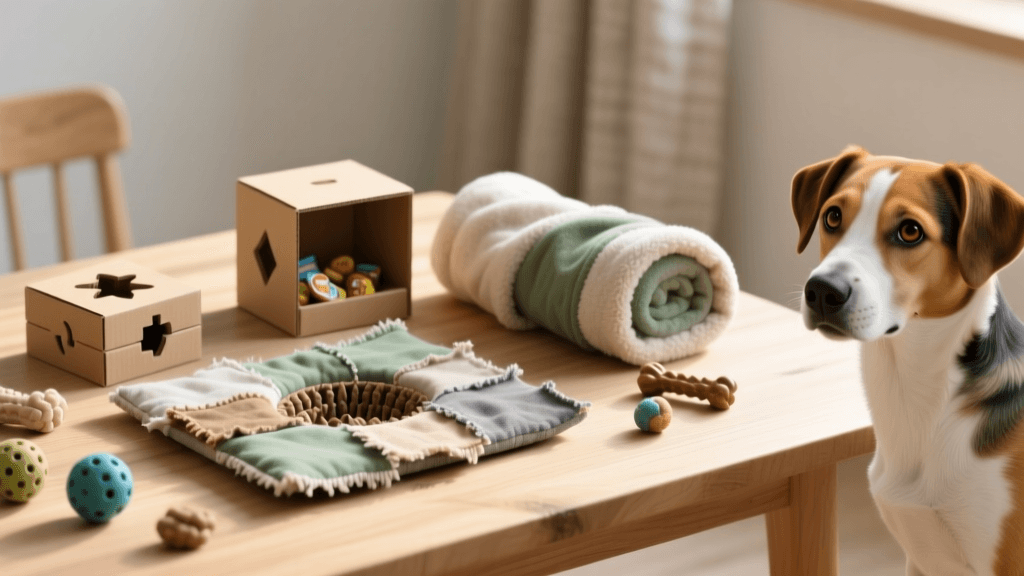
Instead of feeding your dog from a stainless steel bowl, use a snuffle mat to scatter their daily kibble. This mimics foraging and can make a 5-minute meal last for 20 minutes. For high-anxiety moments, such as when guests arrive or fireworks go off, use a Hyper Pet IQ Treat Mat ($10). Spread it with plain pumpkin puree or peanut butter (xylitol-free) and freeze it. Licking releases endorphins that naturally soothe canines.
Interactive Puzzle Toys
The Nina Ottosson Dog Brick Puzzle by Outward Hound ($15) is an excellent entry-level brain game. It requires dogs to slide, lift, and flip compartments to reveal hidden treats. As noted by the ASPCA, providing engaging activities before you leave the apartment can significantly reduce the severity of separation anxiety and prevent destructive chewing.
High-Rise Potty Training Logistics
One of the most daunting aspects of apartment living is the logistics of bathroom breaks, especially if you live on the 15th floor and share an elevator with impatient commuters. Potty training an urban dog requires a strict schedule and contingency plans. First, map out the fastest route from your door to the nearest grassy patch. Time this route during peak and off-peak hours. If the elevator ride takes five minutes during rush hour, you must factor this into your dog's bathroom schedule to avoid accidents. For puppies or senior dogs with limited bladder control, setting up an indoor balcony potty using a real grass delivery service is a necessary investment. Ensure the balcony is fully enclosed with pet-safe netting to prevent any tragic falls or escapes. Furthermore, always carry a dedicated elevator kit containing poop bags, enzymatic cleaner, and paper towels in a discreet pouch, just in case an emergency happens in the lobby or hallway.
Managing Noise and Neighbor Relations
In an apartment building, sound travels. Footsteps, barking, and whining can quickly lead to lease violations. Proactive sound management is a cornerstone of urban dog ownership.
- Sound Dampening: Lay down thick, high-pile area rugs with dense rug pads in the main living areas and hallways. This absorbs the click-clack of dog nails and reduces impact noise for the neighbors below.
- White Noise Machines: A device like the Hatch Restore ($130) placed near your front door or shared walls can mask triggering outdoor noises, such as elevator dings, hallway chatter, and sirens, preventing reactive barking.
- Window Film: If your dog barks at pedestrians or other dogs passing by your ground-floor or low-rise window, apply a frosted privacy film (about $15 per roll) to the bottom half of the glass. This blocks the visual trigger while still letting in natural light.
- Desensitization Training: Record common hallway sounds or find audio tracks online. Play them at a very low volume while feeding your dog high-value treats, gradually increasing the volume over several weeks to change their emotional response to the noise.
Comparison Chart: Apartment Enrichment Tools
| Enrichment Tool | Primary Purpose | Estimated Cost | Space Required |
|---|---|---|---|
| Fable Pets Crate | Safe den / Furniture | $250 | 33" x 23" footprint |
| DoggieLawn Grass Box | Indoor/Balcony Potty | $30 / week | 24" x 20" (Medium) |
| Flirt Pole | High-intensity Cardio | $20 | 6' x 6' clear area |
| Nina Ottosson Dog Brick | Mental Stimulation | $15 | Tabletop / Floor |
| Frosted Window Film | Visual Trigger Blocking | $15 | Window surface |
Sample Daily Routine for the Urban Apartment Dog
Consistency is key to a well-adjusted apartment dog. Here is a sample schedule optimized for a working professional living in a high-rise:
- 6:30 AM - The Morning Sniffari: A 30-minute walk focusing entirely on sniffing rather than distance. Sniffing lowers a dog's heart rate and provides immense mental enrichment.
- 8:00 AM - Departure Routine: Provide a frozen lick mat and a puzzle toy right before you leave to create a positive association with your departure.
- 12:30 PM - Midday Break: Hire a local dog walker for a 20-minute neighborhood walk to break up the day and provide a bathroom opportunity.
- 6:00 PM - Evening Decompression: Play a 15-minute indoor game of hide-and-seek with treats, followed by a structured training session practicing place and settle commands on their mat.
- 9:00 PM - Nightcap Potty: A quick 10-minute leash walk to the designated outdoor potty spot, keeping the energy low and calm to prepare for sleep.
Conclusion
Urban and apartment dog life requires creativity, but it is entirely possible to raise a happy, fulfilled, and well-behaved dog without a fenced-in yard. By investing in multi-functional furniture, prioritizing mental enrichment, and proactively managing noise, you can create a sanctuary that both you and your canine companion will love coming home to.
hannah-wickes
All our authors care for dogs every day — read more of their work on the authors page.