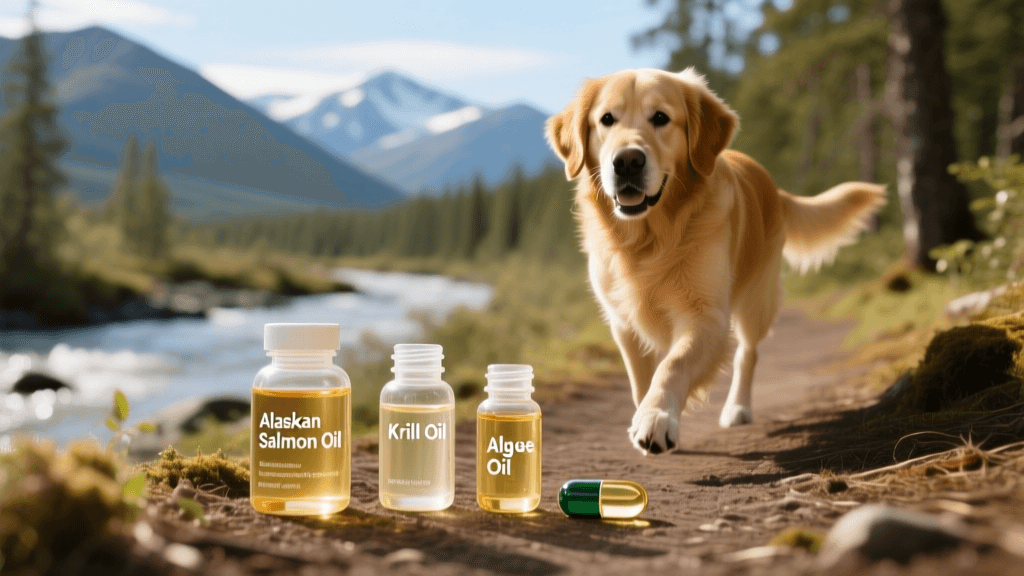
Best Omega-3 Dog Supplements for Joint Health in 2026
Discover the best omega-3 supplements for dog joint health in 2026. We compare salmon, krill, and algae oils for optimal EPA and DHA absorption.
The 2026 Landscape of Canine Omega-3 Fatty Acids
As we navigate the veterinary nutrition landscape in 2026, omega-3 fatty acids remain one of the most heavily researched and universally recommended supplements for canine health. Whether you are managing osteoarthritis in a senior Golden Retriever, supporting the cognitive development of a puppy, or simply trying to maintain a lustrous coat on your French Bulldog, the anti-inflammatory properties of omega-3s are unparalleled. However, the supplement market has evolved dramatically over the last few years. Pet parents are no longer just looking for generic fish oil; they are demanding traceable sourcing, third-party testing, and specific ratios of eicosapentaenoic acid (EPA) and docosahexaenoic acid (DHA). According to the World Small Animal Veterinary Association (WSAVA), precise nutritional intervention is the cornerstone of managing chronic inflammatory conditions in dogs, making the quality of your omega-3 supplement more critical than ever.
The Biological Mechanism: Why EPA and DHA Matter More Than ALA
Before diving into specific product types, it is vital to understand the biochemistry of canine omega-3 metabolism. Omega-3 fatty acids come in three primary forms: alpha-linolenic acid (ALA), EPA, and DHA. ALA is found in plant-based sources like flaxseed, chia seeds, and hemp oil. While ALA is a precursor to EPA and DHA, dogs lack the sufficient levels of the desaturase enzymes required to convert ALA into EPA and DHA efficiently. In fact, studies show that the conversion rate in canines is often less than 5 percent. Therefore, relying on plant-based ALA for joint inflammation or cognitive support is largely ineffective. To achieve therapeutic benefits, you must supplement directly with marine-derived or algae-derived EPA and DHA, which bypass the need for enzymatic conversion and immediately begin modulating the inflammatory cascade at the cellular level.
Source Showdown: Wild Alaskan Salmon vs. Antarctic Krill vs. Microalgae
In 2026, the market is dominated by three primary sources of marine omega-3s, each with distinct advantages and drawbacks regarding bioavailability, sustainability, and pricing.
1. Wild Alaskan Salmon Oil
Wild Alaskan salmon oil remains the gold standard for high-EPA formulations. Because EPA is the primary fatty acid responsible for reducing joint inflammation and modulating the immune system, salmon oil is heavily favored for dogs suffering from osteoarthritis or severe allergic dermatitis. Premium brands in 2026 utilize supercritical CO2 extraction, a method that avoids the use of harsh chemical solvents like hexane, ensuring a pure, heavy-metal-free product. However, due to tightening fishing quotas and environmental shifts in the Pacific Northwest, the price of authentic, wild-caught Alaskan salmon oil has risen, with premium 16-ounce bottles now averaging between $28 and $38.
2. Antarctic Krill Oil
Krill oil has seen a massive surge in popularity due to its unique phospholipid structure. Unlike the triglyceride form found in salmon oil, the omega-3s in krill oil are bound to phospholipids, which are the exact same fats that make up canine cell membranes. This results in exceptionally high cellular absorption rates. Furthermore, krill oil naturally contains astaxanthin, a potent antioxidant that gives the oil its deep red color and acts as a natural preservative against rancidity. Sourced from the pristine waters of the Southern Ocean, krill harvesting is strictly regulated, making it a highly sustainable option, though it typically offers a lower total concentration of EPA/DHA per pump compared to concentrated salmon oils.
3. Microalgae Oil (The Vegan Alternative)
The breakout star of 2026 is microalgae oil. Fish do not actually produce omega-3s; they accumulate them by consuming algae. By sourcing omega-3s directly from fermented microalgae in controlled, land-based bioreactors, companies are now offering a product that is 100 percent free from ocean-borne contaminants like microplastics, heavy metals, and radiation. Microalgae oil is particularly rich in DHA, making it the premier choice for senior dogs requiring cognitive support or puppies undergoing critical brain development phases.
2026 Bioavailability and Quality Standards
When evaluating supplements this year, veterinary nutritionists emphasize two critical metrics: the chemical form of the oil and the TOTOX score.
Triglycerides vs. Ethyl Esters
Cheaper omega-3 supplements are often processed into ethyl ester (EE) forms to concentrate the EPA and DHA. However, the canine digestive system struggles to break down EE forms efficiently. According to research highlighted by the American Kennel Club (AKC), dogs absorb omega-3s significantly better when they are in their natural triglyceride (TG) form. Always check the label for 're-esterified triglycerides' or 'natural triglyceride form' to ensure your dog is actually absorbing what you are paying for.
The TOTOX Score and Oxidation Risks
Fish oil is highly susceptible to oxidation. When omega-3s oxidize, they not only lose their anti-inflammatory benefits but actually become pro-inflammatory, potentially causing cellular damage and gastrointestinal distress. The Total Oxidation (TOTOX) value measures the freshness of the oil. A TOTOX score below 10 is considered excellent, while anything above 26 is deemed rancid and unsafe. In 2026, top-tier brands proudly publish their batch-specific TOTOX scores via QR codes on the bottle, a transparency standard that has finally weeded out many low-quality, bulk-imported oils from the market.
Comparative Analysis: Top Omega-3 Profiles
| Feature | Wild Alaskan Salmon Oil | Antarctic Krill Oil | Microalgae Oil |
|---|---|---|---|
| Primary Benefit | High EPA for joint inflammation | Phospholipid absorption & astaxanthin | High DHA for brain & eye health |
| Chemical Form | Triglyceride (TG) | Phospholipid | Triglyceride (TG) |
| Sustainability | Moderate (quota dependent) | High (strictly regulated) | Excellent (lab-grown) |
| Avg. 2026 Cost (16oz) | $28 - $38 | $42 - $55 | $35 - $45 |
| Shelf Stability | Moderate (requires refrigeration) | High (astaxanthin protects) | High (controlled processing) |
Comprehensive 2026 Dosage Guidelines for Joint and Cognitive Support
Dosing omega-3s is not a one-size-fits-all endeavor. The therapeutic dose for a dog with severe osteoarthritis is significantly higher than the maintenance dose for a healthy adult dog. Current veterinary guidelines suggest dosing based on metabolic body weight, but for practical daily application, targeting the combined EPA and DHA milligram count per pound of body weight is the most reliable method. As noted in clinical reviews published by Today's Veterinary Nurse, achieving the correct therapeutic threshold is essential for seeing clinical improvement in joint mobility.
- Small Dogs (Under 20 lbs): 250 - 500 mg combined EPA/DHA daily. Ideal for maintenance and mild allergy support.
- Medium Dogs (20 - 50 lbs): 500 - 1,000 mg combined EPA/DHA daily. Recommended for active breeds and early-stage joint support.
- Large Dogs (50 - 80 lbs): 1,000 - 1,500 mg combined EPA/DHA daily. The therapeutic sweet spot for managing osteoarthritis and hip dysplasia.
- Giant Breeds (Over 80 lbs): 1,500 - 2,500+ mg combined EPA/DHA daily. Crucial for large-breed seniors experiencing significant cartilage degradation.
Note: Always read the supplement label to determine the exact EPA and DHA yield per pump or capsule. The 'Total Fish Oil' volume on the front of the bottle is irrelevant; only the specific EPA/DHA milligram breakdown on the back matters.
Potential Side Effects and Drug Interactions
While omega-3s are overwhelmingly safe, megadosing without veterinary supervision can lead to adverse effects. The most common side effect is gastrointestinal upset, manifesting as soft stools or diarrhea, particularly when a high dose is introduced too rapidly. To mitigate this, always titrate the dose upward over a period of two to three weeks.
More importantly, omega-3 fatty acids possess mild anticoagulant (blood-thinning) properties. If your dog is scheduled for surgery, or if they are currently taking prescription NSAIDs (like Carprofen or Meloxicam) or other blood-thinning medications, you must consult your veterinarian before introducing a high-dose omega-3 regimen. In rare cases, excessive caloric intake from liquid oils can contribute to weight gain or trigger pancreatitis in highly susceptible breeds, so be sure to account for the oil's fat calories in your dog's daily dietary allowance.
Final Thoughts on Storage and Freshness
The battle against oxidation does not end once you purchase the bottle. Liquid salmon oils must be stored in the refrigerator immediately after opening and should be discarded if they develop a sharp, acrid, or intensely 'rotten fish' odor. Pump bottles that limit air exposure are vastly superior to open pour-bottles. For pet parents who struggle with liquid storage and rancidity, 2026 has also seen the rise of stabilized, soft-chew omega-3s encapsulated in liposomal delivery systems, though pure liquid oils pumped directly over kibble or fresh food remain the most cost-effective and highly dosed option for serious joint management.
aaron-whyte
All our authors care for dogs every day — read more of their work on the authors page.