AKC Scent Work 2026: Best Odor Kits & Training Gear Reviewed
Discover the best AKC Scent Work odor kits, training gear, and competition prep tips for 2026. Start your dog's nosework journey with our expert guide.
The Rise of Canine Scent Work in 2026
As we navigate the 2026 AKC trial season, canine scent work continues to be one of the fastest-growing and most rewarding dog sports globally. Unlike agility or obedience, which heavily rely on physical prowess and precise handler control, scent work taps into your dog's most primal and powerful sense: their olfactory system. With over 300 million scent receptors (compared to our mere 6 million), dogs are born to hunt. Scent work provides profound mental stimulation, builds confidence in reactive dogs, and strengthens the human-canine bond.
Whether you are aiming for your Novice Scent Work (SWN) title or preparing for advanced Master level searches, having the right equipment is non-negotiable. The market for nosework gear has evolved significantly, offering specialized odor kits, ergonomic handling leashes, and precision training vessels. In this comprehensive guide, we break down the best odor kits, essential training gear, and competition strategies for the 2026 season.
Understanding the Target Odors: Birch, Anise, and Clove
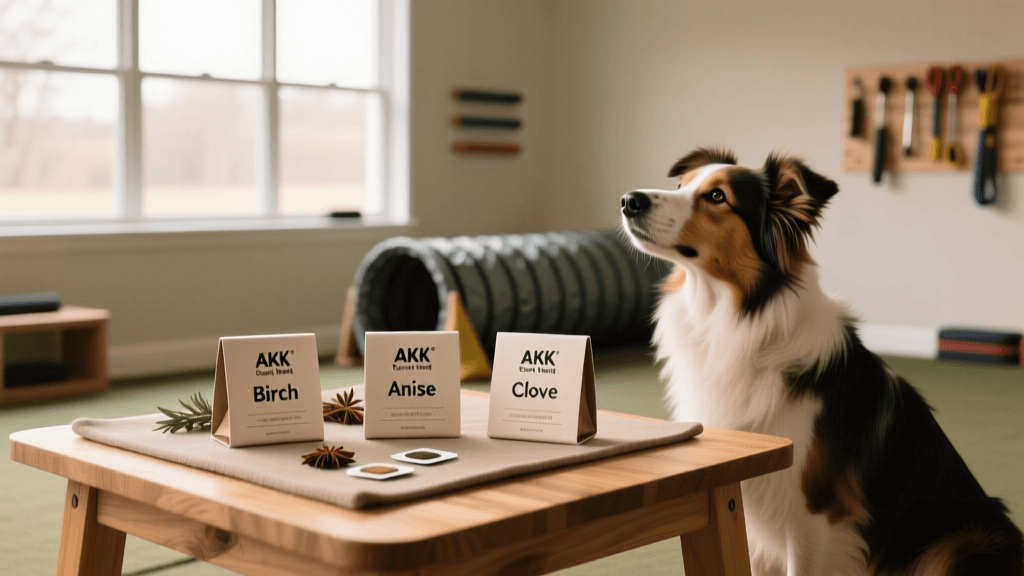
Before investing in gear, it is crucial to understand the target odors recognized by the American Kennel Club (AKC) and the National Association of Canine Scent Work (NACSW). Competitions are structured around three primary essential oils, introduced in order of difficulty and volatility:
- Birch (Betula lenta): The introductory odor. It has a sweet, wintergreen-like aroma and is highly volatile, meaning the scent cone is large and easier for beginner dogs to detect.
- Anise (Pimpinella anisum): Introduced at the Advanced level. It has a sharp, licorice-like scent and requires more precise sourcing due to its slightly denser vapor profile.
- Clove (Syzygium aromaticum): The Master level odor. Clove is heavy, grounding, and complex. It often pools in low areas and requires advanced handling skills to help your dog source the hide accurately.
Safety Note: Essential oils must never be applied directly to a dog's skin, nose, or fur. In scent work, odors are applied to cotton swabs and sealed inside ventilated metal tins or specialized tubes to protect the dog while allowing the scent cone to escape.
Top Odor Kits and Training Vessels for 2026
The foundation of your training relies on high-quality, pure essential oils and durable training vessels. Here are the top-rated odor kits for the 2026 competition year:
1. K9 Nose Work Official Odor Kit
Endorsed by the NACSW, this kit is the gold standard for competitive handlers. It includes 100% pure therapeutic-grade Birch, Anise, and Clove oils, along with a precision dropper and a supply of specialized Q-tips. The kit also features heavy-duty, magnetized stainless steel tins with precision-drilled ventilation holes that prevent oil saturation from leaking onto the search area.
2. AKC Scent Work Starter Kit by ThunderBrooks
Designed specifically for those entering the AKC circuit, this 2026 updated kit includes pre-loaded scent tubes that snap into various hide configurations (magnetic, velcro, and suction cup). The pre-loaded tubes are excellent for handlers who prefer not to handle raw essential oils during the initial imprinting phase.
3. The 'Scent-Hound' Magnetic Hide Tin Set
For advanced handlers practicing vehicle and exterior searches, this set offers ultra-low-profile magnetic tins. The low profile is critical for 2026 Master-level courses where hides are frequently placed in tight crevices, under bumpers, or inside complex machinery.
2026 Odor Kit Comparison Chart
| Brand / Kit | Odors Included | Vessel Type | Est. 2026 Price | Best For |
|---|---|---|---|---|
| K9 Nose Work Official | Birch, Anise, Clove | Stainless Steel Magnet Tins | $65.00 | Serious Competitors & Purity |
| AKC Starter by ThunderBrooks | Birch, Anise, Clove | Plastic Snap-Tubes | $48.00 | Beginners & Home Training |
| Scent-Hound Pro Hide Set | Refill Required | Low-Profile Magnetic Tins | $32.00 | Vehicle & Exterior Searches |
| PureScent Travel Vials | Birch, Anise, Clove | Glass Vials w/ Mesh Caps | $42.00 | Travel & Imprinting Games |
Essential Training Gear and Accessories
Beyond the odors, your handling gear dictates your success in the trial ring. The modern scent work handler requires equipment that allows for fluid leash mechanics and rapid reward delivery.
The 15-Foot Biothane Long Line
In scent work, a standard 6-foot leash is a hindrance. You need a 15-foot to 20-foot long line to give your dog the freedom to work the scent cone. In 2026, Biothane remains the undisputed best material. Unlike nylon, Biothane does not absorb moisture, dirt, or odors, and it glides smoothly through your hands without causing rope burn. Look for a 3/8-inch width, which provides the perfect balance of lightweight feel and durability.
Ergonomic Treat Pouches
Reward timing is everything. When your dog hits the source odor, you must deliver a high-value reward within one to two seconds. Bulky treat pouches that require you to dig for food will ruin your dog's understanding of the source. The Fenrir Tactical Scent Work Pouch has become a favorite this year. It features a magnetic clasp that stays open during a run, allowing for instant access to boiled chicken, hot dogs, or freeze-dried liver, and snaps shut instantly when the search is over.
Scent Work Harnesses
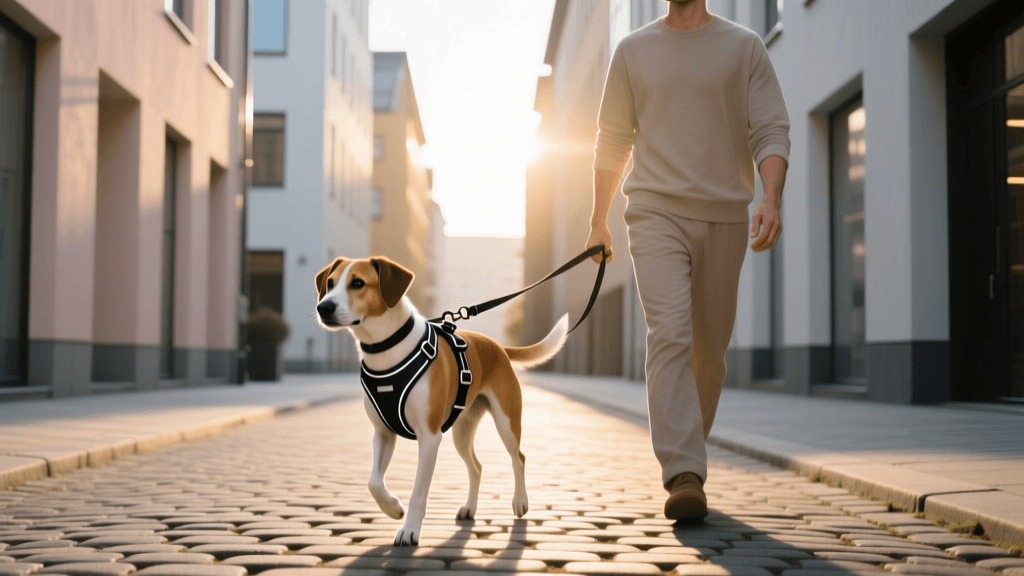
While flat collars are permitted, most competitors use a specialized harness to attach the long line. A Y-front harness with a dorsal (back) ring is ideal. It prevents leash tangling around the dog's legs and allows the handler to feel the subtle changes in leash tension that indicate the dog has entered a scent cone.
Step-by-Step Imprinting and Conditioning
If you are starting a new dog in 2026, the imprinting phase is the most critical step. According to guidelines from the AKC's Getting Started in Scent Work resources, dogs must learn to associate the target odor with a primary reward before they ever begin searching.
Phase 1: The Cocktail Method vs. Single Odor
Many modern trainers recommend imprinting one odor at a time, starting with Birch. Place 3 to 5 Q-tips laced with two drops of Birch oil inside a ventilated tin. Place the tin in a small cardboard box with your dog's favorite toy or high-value food directly on top of the tin.
Phase 2: The 'Hide and Seek' Box Game
Set up 6 to 10 identical cardboard boxes in a room. Place the scent tin and a reward in one box, and leave the others empty. Allow your dog to investigate. The moment their nose touches the hot box, mark the behavior with a 'Yes!' or a clicker, and deliver the reward directly at the source. This teaches the dog that the odor itself pays the salary.
Phase 3: Expanding the Search Elements
Once the dog is confidently sourcing the box, you must generalize the odor to the four official AKC search elements:
- Container Searches: Searching through rows of identical bags or boxes.
- Interior Searches: Searching rooms with furniture, chairs, and distractions.
- Exterior Searches: Navigating wind, weather, and natural landscaping.
- Vehicle Searches: Sourcing odors hidden on the exterior of cars and trucks.
Competition Day Strategy and Handling
Trial days are high-stress environments. The 2026 AKC trial season has seen an increase in 'false alerts' and 'fringe' responses, often caused by handler pressure or poor leash mechanics. Here is how to ensure success on the day of your trial:
- The Acclimation Walk: Always take your dog for a 15-minute acclimation walk outside the venue before crating. Allow them to sniff, relieve themselves, and process the environmental smells so they are not distracted during the search.
- Managing the Scent Cone: When your dog catches the scent, you will see a distinct change in behavior—ears prick, tail carriage shifts, and breathing becomes rapid. Do not crowd your dog. Stay at the end of your 15-foot line and let them work the edges of the cone to find the source.
- Reading the Dog, Not the Environment: A common mistake is looking at a likely hiding spot and subconsciously slowing down or tightening the leash. Dogs are masters of reading handler body language. Keep your eyes on your dog's nose, not the furniture.
- The Call-Out: Only call 'Alert' when your dog shows a definitive change in behavior and commits to a specific spot. If you call it and the hide is not there, you will fault out. Trust your dog's nose over your own eyes.
Conclusion: A Lifelong Journey
Scent work is a sport that accommodates dogs of all ages, sizes, and physical abilities. Whether you have a high-drive Malinois or a senior Basset Hound, the joy of watching them work a scent cone is unmatched. By investing in high-quality odor kits, utilizing proper Biothane long lines, and respecting the imprinting process, you are setting the stage for a successful and deeply rewarding 2026 competition season. Remember, the ultimate goal is not just the title, but the profound partnership forged between you and your dog.
beth-carrasco
All our authors care for dogs every day — read more of their work on the authors page.