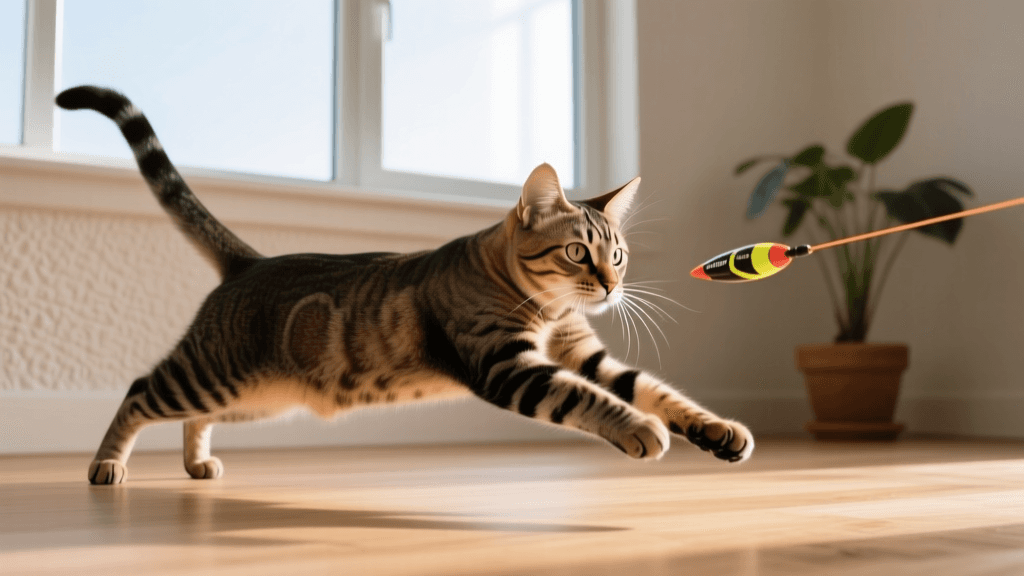
AKC Fast CAT Lure Coursing Prey Drive Psychology 2026
Discover the psychology of prey drive in AKC Fast CAT and lure coursing. Learn to manage arousal, read body language, and train safely in 2026.
Dog sports have evolved tremendously over the last decade, shifting from purely physical competitions to holistic events that deeply consider canine psychology and biomechanics. Among the most thrilling and instinct-driven sports are those that tap directly into a dog's innate desire to chase. In 2026, the American Kennel Club continues to see record enrollment in AKC Fast CAT (Coursing Ability Test) and traditional lure coursing. While these sports look like simple sprinting events to the casual observer, experienced handlers know that success and safety rely entirely on understanding the complex psychological mechanisms driving the dog.
Understanding the psychological underpinnings of the chase is not just about shaving seconds off a sprint time; it is about safeguarding your dog's mental well-being. When a dog engages in high-speed pursuit, their brain is flooded with neurochemicals that dictate their focus, arousal, and emotional regulation. This guide explores the behavioral science behind prey drive, how to read your dog's start-line body language, and modern 2026 protocols for managing the inevitable 'lure frustration' that can impact your dog's long-term enthusiasm for the sport.
The Predatory Motor Sequence Explained
To truly understand why your dog acts the way they do on the coursing field, we must look to the foundational canine behavior research regarding the Predatory Motor Sequence. Originally mapped out by canine behaviorists like Dr. Raymond Coppinger, this sequence breaks down the act of hunting into distinct, hardwired neurological phases: Eye, Stalk, Chase, Grab-Bite, and Kill-Bite.
In lure coursing and Fast CAT, the sport is designed to isolate and stimulate the 'Chase' phase while intentionally suppressing the 'Grab-Bite' and 'Kill-Bite' phases. The plastic bags or artificial lures simulate the erratic, panicked movements of fleeing prey, triggering the dog's hardwired 'Eye' (locking onto the target) and 'Chase' (high-speed pursuit) instincts. However, because the dog is never allowed to actually catch and 'kill' the lure, this incomplete sequence can lead to profound psychological frustration if not managed correctly.
| Sequence Stage | Natural Behavior | Lure Coursing Equivalent | Behavioral Red Flag in 2026 |
|---|---|---|---|
| Eye | Locking gaze on prey | Staring intently at the start box lure | Whale eye, trembling, excessive vocalization |
| Stalk | Slow, stealthy approach | Coiling muscles, shifting weight forward | Breaking the start line early out of anxiety |
| Chase | High-speed sprinting | Full sprint following the pulley system | Looking back at the handler, losing focus |
| Grab-Bite | Catching and holding prey | Attempting to bite the plastic bags | Aggressive tearing, ingesting plastic |
| Kill-Bite | Dispatching the prey | Suppressed (Not applicable) | Severe frustration, redirecting bites to handler |
Reading Start Line Arousal: Eustress vs. Distress
The start box is where the psychological battle begins. As a handler, your primary job is to differentiate between 'eustress' (positive, functional arousal) and 'distress' (negative, overwhelming anxiety). According to veterinary behavioral guidelines on canine stress, misinterpreting these signals can lead to a dog that is either too frantic to run a clean line or too shut down to leave the box.
A dog experiencing eustress will display focused, forward-oriented body language. Their ears will be pitched forward, their mouth may be slightly open with a relaxed 'smile', and their weight will be shifted onto their hindquarters, coiled like a spring. They are alert but responsive to their handler's voice. Conversely, a dog in distress will exhibit displacement behaviors. You might see frantic pacing, excessive panting when the weather is cool, pinned ears, or 'whale eye' (showing the whites of their eyes). If your dog displays distress signals in the start box, modern 2026 sports psychology dictates that you must calmly remove them from the box and engage in a decompression exercise rather than forcing the run.
Managing Lure Frustration and the Grab-Bite Void
One of the most common behavioral hurdles in lure coursing is 'lure frustration.' Because the artificial lure moves erratically but can never truly be caught, some dogs experience a psychological crash at the end of the run. They may bark aggressively at the lure machine, snap at the air, or even redirect their frustration by nipping at their handler. This is a direct result of the incomplete Predatory Motor Sequence; the dog's brain is demanding the dopamine release associated with the 'Grab-Bite', but the environment denies it.
To combat this, modern canine sports trainers utilize a technique called 'Catch It' or 'Tug-Transition.' Immediately upon the dog crossing the finish line and the lure coming to a halt, the handler should present a high-value, tactile tug toy. This allows the dog to sink their teeth into a physical object, satisfying the suppressed 'Grab-Bite' urge and providing a clear neurological endpoint to the hunt. This simple psychological bridge prevents the buildup of chronic frustration that often causes dogs to 'burn out' and refuse to chase the lure in subsequent seasons.
Biomechanical Support: Harness Selection for Sprinting
Prey drive is entirely mental, but executing the chase is purely physical. When a dog locks onto a lure, their brain overrides their natural physical governors, pushing their muscles and joints to the absolute limit. In 2026, the standard for canine sprinting gear has shifted away from restrictive chest-plate harnesses toward biomechanically engineered Y-front and X-back pulling harnesses.
For the explosive, straight-line sprints of Fast CAT, a well-fitted X-back harness (like the Zero DC Freemotion) allows for maximum shoulder extension and spinal flexion. The design ensures that the pulling force is distributed evenly across the dog's chest and sternum rather than choking the trachea or restricting the scapular movement. For the tight, hairpin turns required in traditional Lure Coursing, a Y-front harness provides better lateral support and prevents the harness from slipping over the dog's shoulder during sharp directional changes. Always ensure that the harness allows for a full, unrestricted stride, as even a millimeter of chafing can cause a dog to subconsciously alter their gait, leading to long-term orthopedic issues.
The Neuroscience of the Cool-Down
High-arousal sports flood the canine brain with dopamine, adrenaline, and cortisol. While dopamine creates the joy of the chase, adrenaline and cortisol keep the body in a state of high alert. A critical mistake made by novice handlers is crating the dog immediately after a run while they are still in this neurochemical peak. This traps the dog in a state of psychological arousal, which can manifest as barrier frustration, crate aggression, or chronic stress.
The 2026 best practice for post-run recovery involves a structured 'decompression walk.' Before crating, take your dog on a 15-minute walk on a long line in a quiet, grassy area. Encourage them to sniff deeply. The physical act of sniffing has been proven to lower a dog's heart rate and stimulate the parasympathetic nervous system, effectively acting as a neurological 'off switch' for the predatory sequence. By allowing the dog to process environmental scents, you help their brain transition from the high-stakes environment of the hunt back to the relaxed baseline of daily life.
Conclusion
Competing in AKC Fast CAT and lure coursing is a profound way to honor your dog's natural instincts. However, true sportsmanship requires more than just a fast dog; it requires an empathetic handler who understands the deep psychological currents of the predatory motor sequence. By reading start-line arousal accurately, providing an outlet for the grab-bite, utilizing biomechanically sound gear, and prioritizing neurological cool-downs, you ensure that your dog remains physically sound and mentally thrilled to chase the lure for years to come.
tom-renshaw
All our authors care for dogs every day — read more of their work on the authors page.