2026 Joint Care and Recovery Protocols for Agility Dogs
Discover 2026 joint care and recovery protocols for canine agility competitors. Learn about advanced supplements, PEMF therapy, and sports vet screenings.
The Biomechanical Demands of Modern Agility
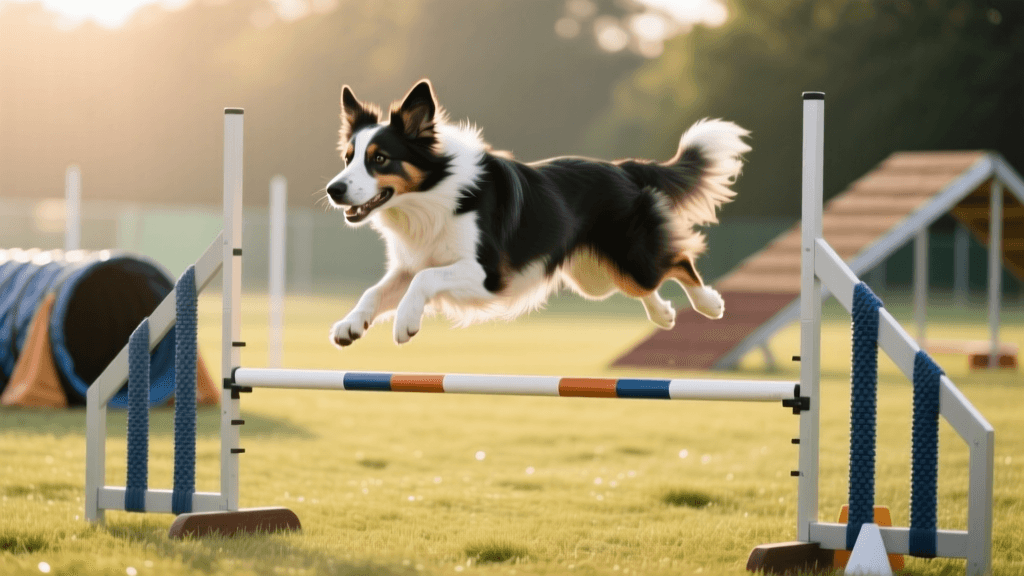
Canine agility is one of the most physically demanding sports in the dog world. As we navigate the 2026 competition season, courses are faster, tighter, and more technically complex than ever before. Dogs are required to execute sharp decelerations, explosive jumps, and rapid directional changes, placing immense biomechanical stress on their musculoskeletal systems. The carpal (wrist) and tarsal (ankle) joints, along with the shoulders and spine, absorb the majority of the impact forces, particularly during A-frame descents and tight weave pole entries.
For the competitive handler, maintaining a dog's structural integrity is not just about winning ribbons; it is a fundamental aspect of responsible canine health and wellbeing. Proactive joint care and meticulous recovery protocols are the cornerstones of a long, pain-free athletic career. In 2026, veterinary sports medicine has evolved significantly, offering handlers advanced, science-backed strategies to mitigate wear and tear, reduce inflammation, and optimize recovery times between trial days.
Recognizing Early Signs of Joint Fatigue
Before implementing a recovery protocol, handlers must be adept at recognizing the subtle signs of joint fatigue and early-onset osteoarthritis. Dogs are stoic athletes and will often mask pain to continue working. In 2026, sports veterinarians emphasize the importance of observing micro-changes in a dog's movement and behavior.
- Altered Topography on the A-Frame: A dog that begins to 'slap' the down ramp or alter their stride length to avoid deep joint flexion may be experiencing shoulder or carpal discomfort.
- Reluctance to Shake Off: A full-body shake requires significant spinal flexibility. Hesitation or a truncated shake after a run can indicate spinal stiffness or soreness.
- Warm-Up Stiffness: If your dog appears stiff when first exiting the crate but 'warms out' of it after a few minutes of movement, this is a classic hallmark of early synovial fluid depletion and joint inflammation.
- Changes in Crate Behavior: Increased lethargy, reluctance to stand up, or shifting positions frequently while resting are strong indicators of delayed onset muscle soreness (DOMS) and joint ache.
Nutritional Interventions: 2026 Joint Supplement Standards
Nutritional support for the agility dog has moved far beyond basic glucosamine treats. The 2026 standard for canine sports nutrition focuses on high-bioavailability ingredients that target both cartilage preservation and systemic inflammation. According to the AKC Canine Health Foundation, managing the inflammatory cascade is just as critical as providing the building blocks for cartilage repair.
Key Ingredients to Look For
1. Undenatured Type II Collagen (UC-II): Unlike traditional glucosamine, UC-II works via oral tolerance, interacting with the immune system in the gut to prevent the body from attacking its own joint cartilage. It is highly effective at very small doses, making it easy to administer to picky eaters or dogs on strict calorie-controlled performance diets.
2. High-EPA Omega-3 Fatty Acids: Not all fish oils are created equal. For the active agility dog, the concentration of Eicosapentaenoic Acid (EPA) is paramount. EPA directly inhibits the enzymes that degrade cartilage. In 2026, veterinary nutritionists recommend a combined EPA/DHA dose of at least 300 mg per 10 kg of body weight daily for active sporting dogs to maintain optimal joint lubrication and reduce post-run inflammation.
3. Green-Lipped Mussel (GLM): Sourced sustainably from New Zealand, GLM provides a unique matrix of glycosaminoglycans (GAGs), vitamins, and minerals that support synovial fluid viscosity. It is particularly beneficial for the high-impact carpal joints that endure the brunt of landing forces.
The Gold Standard 2026 Recovery Routine
A comprehensive recovery routine begins before the dog even steps up to the start line and continues long after they have left the ring. The modern agility handler treats their dog with the same physiological respect as a human Olympic athlete.
Dynamic Warm-Up Protocols
Static stretching before explosive exercise is now considered outdated and potentially harmful to cold muscles. The 2026 warm-up protocol focuses on dynamic movements that increase core body temperature, stimulate synovial fluid production, and engage the dog's proprioceptive pathways. A proper warm-up should last 10 to 15 minutes and include:
- Figure-Eight Weaving: Walking the dog through your legs in a figure-eight pattern to mobilize the spine and engage the core.
- Cookie Stretches: Using high-value treats to guide the dog's nose to their toes, hips, and chest to gently mobilize the cervical and thoracic spine.
- Paw Targets: Asking the dog to place their front and rear paws on elevated, unstable surfaces (like a balance disc) to fire up the stabilizing muscles and neurological connections.
Active Cool-Down and PEMF Therapy
Immediately after a run, the dog should be walked on a loose leash for 10 to 15 minutes to allow the heart rate to descend gradually and to flush lactic acid from the muscle tissues. Once the dog is completely cool to the touch, static stretching and gentle myofascial massage can be applied to the topline and hindquarters.
The most significant advancement in 2026 canine sports recovery is the widespread adoption of Pulsed Electromagnetic Field (PEMF) therapy. PEMF devices, often integrated into comfortable canine recovery blankets or localized loops, emit low-frequency electromagnetic waves that penetrate deep into the tissues. This technology stimulates cellular repair, dramatically reduces localized inflammation, and accelerates the healing of micro-tears in the muscle and connective tissues. Utilizing a PEMF blanket for 20 minutes while the dog rests in their crate between runs is now a staple in the crates of top-tier competitors.
Comparative Guide to Canine Joint Therapies
Choosing the right therapeutic modality depends on the dog's specific needs, age, and competition schedule. Below is a comparison of the most prominent joint therapies utilized in 2026.
| Therapy Modality | Primary Benefit | Best Use Case | Frequency |
|---|---|---|---|
| PEMF Therapy | Reduces cellular inflammation, promotes tissue healing | Post-run recovery, acute soft tissue soreness | Daily or between trial runs |
| Hydrotherapy (Underwater Treadmill) | Builds muscle mass without concussive joint impact | Off-season conditioning, rehab post-injury | 1-2 times per week |
| Laser Therapy (Class IV) | Increases local blood flow, provides analgesic pain relief | Targeted treatment for specific hotspots or arthritic joints | As needed, usually clinical |
| Canine Sports Massage | Releases myofascial trigger points, improves flexibility | Maintenance of topline and hindquarter mobility | Weekly or bi-weekly |
| Oral Joint Supplements (UC-II, EPA) | Systemic inflammation control, cartilage support | Baseline daily support for all active sporting dogs | Daily |
Preventive Screenings and Sports Veterinary Care
No amount of supplementation or recovery work can compensate for underlying structural flaws. Preventive screening is a non-negotiable aspect of responsible agility dog ownership. Before embarking on a high-impact agility career, all dogs should undergo rigorous orthopedic screening.
The Orthopedic Foundation for Animals (OFA) provides essential databases and screening protocols for hip and elbow dysplasia. For agility dogs, evaluating the hip joints via the PennHIP method—which measures joint laxity and predicts the likelihood of future osteoarthritis—is highly recommended. Furthermore, evaluating the shoulders and spine is critical, as these areas are uniquely stressed by the sport.
Establishing a relationship with a board-certified veterinary sports medicine specialist is vital. Institutions like the Colorado State University Veterinary Teaching Hospital offer specialized sports medicine evaluations that go far beyond a standard annual wellness exam. These specialists utilize advanced gait analysis, therapeutic ultrasound, and specialized orthopedic manipulation to detect asymmetries and subclinical injuries long before they manifest as overt lameness.
Pro Tip for 2026: Schedule a 'sports physical' with a canine rehabilitation veterinarian at the start of every competition season. They can identify minor muscle imbalances and prescribe targeted conditioning exercises to correct them before they lead to catastrophic joint failures on the course.
Conclusion
The agility dog is a remarkable athlete, capable of breathtaking speed and precision. However, their willingness to please and their drive to work mean they will rarely tell you when their joints are hurting. As handlers, the burden of care falls entirely on us. By embracing the 2026 standards of proactive joint supplementation, rigorous dynamic warm-ups, advanced PEMF recovery technologies, and specialized veterinary screenings, we can ensure our canine partners remain sound, happy, and competitive for years to come. Protecting their joints today guarantees their mobility tomorrow, allowing you both to enjoy the thrill of the agility course safely and sustainably.
priya-sutaria
All our authors care for dogs every day — read more of their work on the authors page.