2026 Agility Dog Joint Health: Hydrotherapy & Recovery Protocols
Discover the best 2026 hydrotherapy protocols, joint supplements, and recovery plans to keep your agility dog healthy and injury-free on the course.
The Biomechanical Toll of Modern Agility Courses
As we navigate the 2026 agility season, course designs have become increasingly dynamic, demanding explosive power, sharp deceleration, and extreme flexibility from our canine athletes. Whether your dog is competing in AKC Premier classes, UKI International, or FCI World Team tryouts, the biomechanical toll on their joints is immense. The carpal and tarsal joints absorb shock loads that can exceed three times the dog's body weight during A-frame descents and tight jumping turns. Consequently, proactive joint health management is no longer optional; it is a fundamental pillar of competitive longevity.
Modern sports medicine has shifted away from the 'rest and wait' approach to a proactive 'pre-habilitation' model. This means conditioning the dog's soft tissues, cartilage, and synovial fluid before an injury occurs. For the 2026 competitor, integrating structured recovery protocols into your weekly training schedule is just as critical as practicing weave pole entries or handling sequences.
Hydrotherapy: The Gold Standard for Canine Athletes
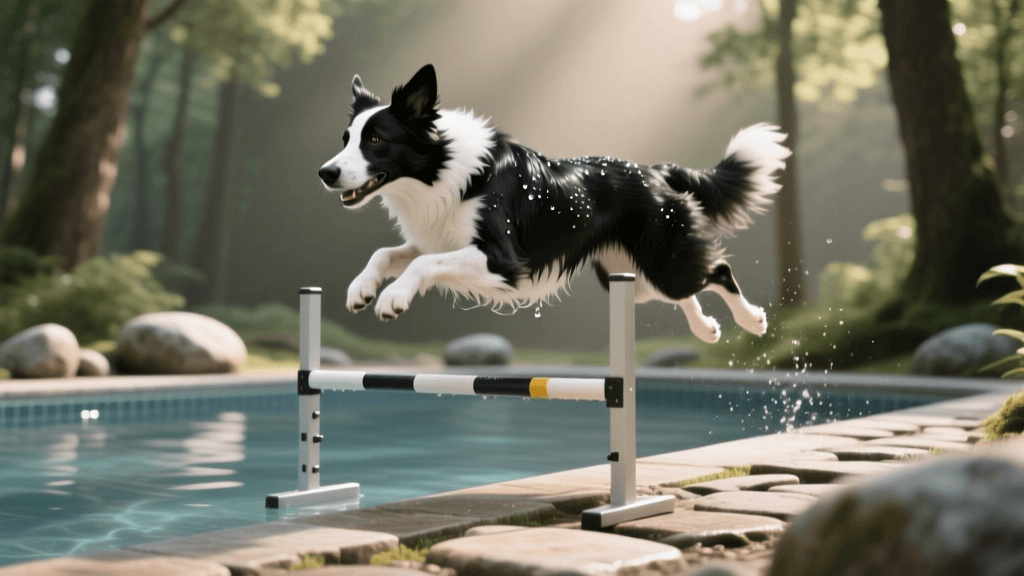
Hydrotherapy remains the undisputed champion of canine sports rehabilitation and conditioning. According to experts at Cornell University's Veterinary Rehabilitation and Fitness Service, the unique properties of water—buoyancy, viscosity, and hydrostatic pressure—create an environment where dogs can build muscle and maintain cardiovascular fitness without the concussive forces associated with land-based exercises.
Buoyancy significantly reduces weight-bearing stress. When a dog is submerged to the level of their greater trochanter (the hip joint), they bear only about 38% of their body weight. This allows dogs with early-stage osteoarthritis or those recovering from a weekend of intense trialing to maintain muscle mass without aggravating their joints. Meanwhile, hydrostatic pressure helps to reduce edema and swelling in the lower extremities, which is incredibly beneficial after a high-impact trial weekend.
Underwater Treadmill (UWTM) vs. Therapeutic Swimming
Not all hydrotherapy is created equal. Understanding the difference between an underwater treadmill and a swimming pool is vital for your dog's specific conditioning needs.
- Underwater Treadmill (UWTM): The UWTM is ideal for building specific muscle groups, improving joint range of motion, and retraining gait patterns. The water level is typically set between the hock and the hip. The resistance of the water forces the dog to flex and extend their joints deliberately, promoting synovial fluid production. For agility dogs, the UWTM is excellent for building the hind-end drive necessary for powerful jump takeoffs.
- Therapeutic Swimming Pools: Swimming is a non-weight-bearing, high-cardiovascular, full-body workout. Because dogs typically keep their necks extended and use a 'doggy paddle' motion, swimming heavily recruits the thoracic limbs and the core. However, it does little to build the specific weight-bearing bone density required for the impact of agility. Swimming is best utilized for cardiovascular endurance and active recovery, rather than targeted joint stabilization.
For the 2026 season, sports medicine professionals recommend a 2:1 ratio of UWTM to swimming for active agility dogs, ensuring they receive the joint-stabilizing benefits of weight-bearing resistance alongside cardiovascular conditioning.
Nutritional Support: 2026 Joint Supplement Guide
Nutraceuticals have advanced significantly, and the 2026 market offers highly bioavailable options tailored for canine athletes. The American Veterinary Medical Association (AVMA) emphasizes that while supplements cannot cure structural joint disease, they are highly effective at modulating inflammation and providing the building blocks for cartilage repair. When selecting a supplement for an agility dog, look for products that have undergone independent third-party testing for purity and potency.
The most effective joint protocols combine a fast-acting anti-inflammatory ingredient (like high-EPA Omega-3s or UC-II Collagen) with long-term cartilage supporters (like Glucosamine HCl, Chondroitin Sulfate, and ASU). Below is a comparison of the leading veterinary-recommended joint support formulations currently dominating the 2026 canine sports market.
| Supplement Brand | Key Active Ingredients | Best For | Approx. 2026 Cost (Monthly) |
|---|---|---|---|
| Dasuquin Advanced | ASU, Glucosamine, Chondroitin, Omega-3, Turmeric | Severe joint wear, post-surgery, senior agility dogs | $65 - $85 |
| GlycoFlex Max | Green Lipped Mussel, Glucosamine, MSM, DMG | Active adult dogs, soft tissue support, daily maintenance | $50 - $60 |
| Antinol Rapid | PCSO-524 (Concentrated Marine Lipid Extract) | Acute inflammation, post-trial weekend recovery | $40 - $55 |
| VetriScience GlycoFlex Plus | Perna Mussel, Glucosamine, MSM, Manganese | Young dogs entering the sport, preventative care | $35 - $45 |
Note: Always consult with your canine sports medicine veterinarian before introducing new supplements, especially if your dog is competing under organizations with strict medication and supplement testing protocols.
Designing a Weekly Conditioning and Recovery Schedule
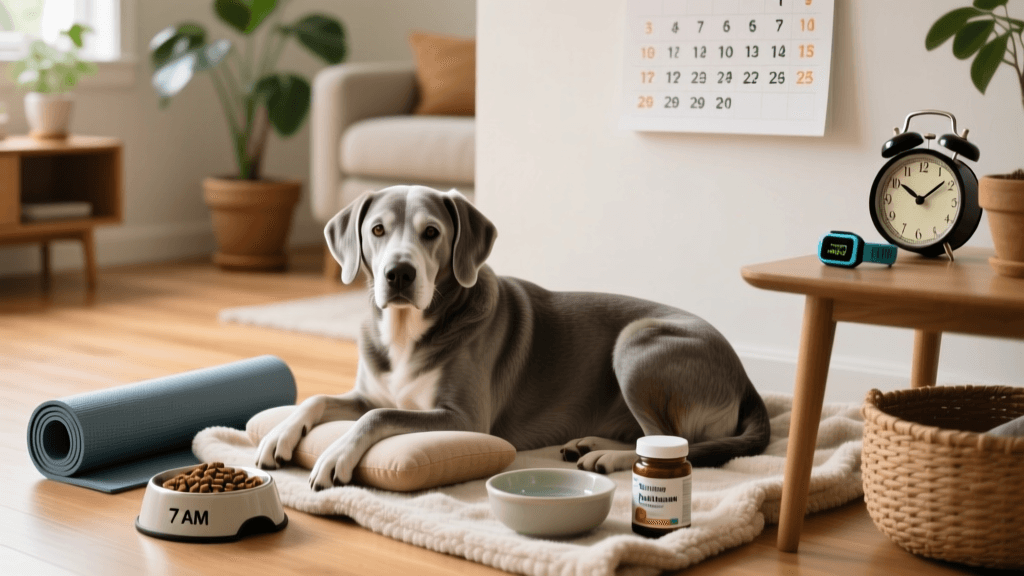
To keep your agility dog performing at their peak throughout the 2026 trial season, you must balance skill training with physical conditioning and active recovery. Overtraining is a primary cause of micro-fractures and soft tissue tears. Here is a sample weekly schedule designed for a dog competing in weekend trials:
- Monday (Active Recovery): Light 20-minute leash walk on varied terrain (grass, sand) to promote blood flow. 15 minutes of gentle stretching and canine massage. No jumping or equipment.
- Tuesday (Skill & Speed): Short, high-intensity agility sessions focusing on handling and tight jumping lines. Maximum 15 minutes of actual equipment time. Followed by 10 minutes of targeted core work using a peanut pod or balance disc.
- Wednesday (Hydrotherapy Day): 20-minute Underwater Treadmill session at a moderate pace, water level at mid-femur. Focus on equal stride length and head carriage.
- Thursday (Strength & Proprioception): Land-based conditioning. Cavaletti pole work at varying heights and distances to encourage joint flexion and extension. Hill work (walking up and down moderate inclines) to build hind-end driving power.
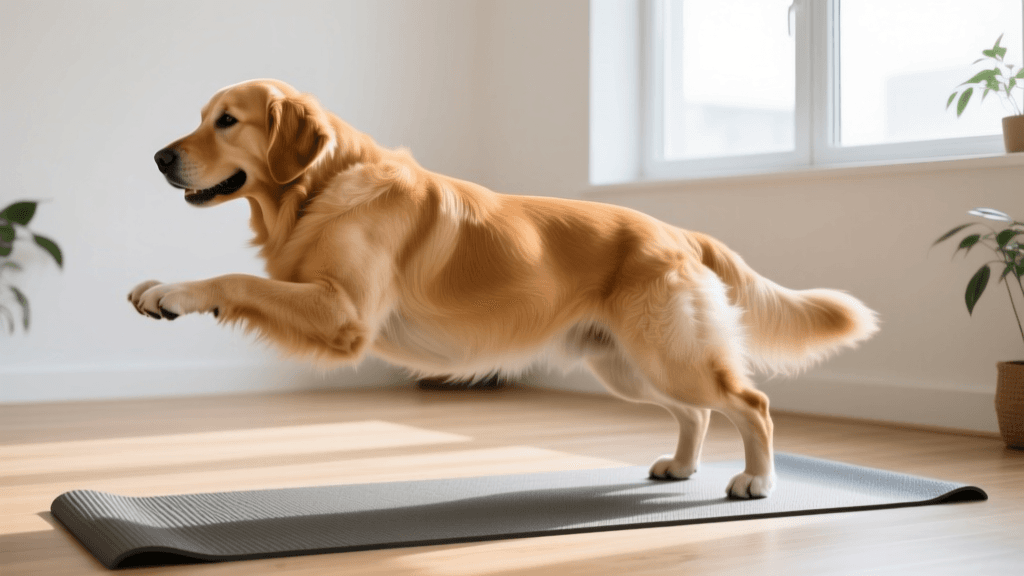
- Friday (Rest & Mobility): Complete rest from agility equipment. 10 minutes of targeted mobility exercises, such as 'spins', 'begs', and 'weave' through the handler's legs to maintain spinal flexibility.
- Saturday & Sunday (Trial Days): Competition. Ensure thorough 10-minute dynamic warm-ups before every run (trotting, figure-eights, play bows) and immediate cool-down walks post-run. Apply cold therapy (ice packs) to carpal and tarsal joints for 10 minutes upon returning to the hotel or RV.
Recognizing Early Signs of Joint Fatigue
Dogs are notorious for masking pain, driven by their prey instinct and their desire to work with their handlers. By the time a dog exhibits a visible limp, the injury or joint degradation is often advanced. As a handler, you must become an expert in reading micro-behaviors.
Watch for subtle changes in your dog's performance and daily life. Are they slightly wider in their sit? Are they taking an extra stride before the A-frame contact zone? Do they hesitate slightly when jumping into the vehicle after a trial? Is their tail carriage lower than usual when navigating the weave poles? These are all early indicators of joint fatigue, muscle soreness, or compensatory movement patterns.
If you notice any of these subtle shifts, do not push through the trial weekend. The 2026 agility community is increasingly prioritizing the long-term welfare of the dog over a single qualifying run. Pulling out of a class to schedule a sports medicine evaluation and a hydrotherapy session is the hallmark of a responsible, elite handler. By combining cutting-edge hydrotherapy, scientifically backed nutrition, and meticulous scheduling, you can ensure your canine partner remains a happy, healthy, and fast competitor for years to come.
aaron-whyte
All our authors care for dogs every day — read more of their work on the authors page.