Adopting a Senior Dog: 2026 Osteoarthritis Home Prep Guide
Discover how to prepare your home for a dog with osteoarthritis in 2026. Learn essential adoption tips, orthopedic setups, and modern treatment options.
The Rewarding Journey of Adopting a Dog with Osteoarthritis
Choosing to adopt a senior dog or a rescue with pre-existing joint issues is one of the most compassionate decisions a prospective pet owner can make. As of 2026, animal welfare organizations report a significant increase in the adoption of special-needs and senior dogs, driven by advancements in veterinary medicine that make managing chronic conditions easier than ever. Canine osteoarthritis (OA) affects an estimated 20% to 25% of all dogs, but with the right home preparation and modern treatment plans, these dogs can live vibrant, comfortable, and pain-free lives.
When you are in the "getting a dog" phase, discovering that your prospective adoptee has osteoarthritis should not be a deterrent. Instead, it is an invitation to create a specialized, supportive environment. This comprehensive guide will walk you through the essential home preparations, first-day necessities, and 2026 veterinary treatment standards required to give an OA dog the best possible quality of life from the moment they cross your threshold.
Understanding Canine Osteoarthritis in 2026
Osteoarthritis is a degenerative joint disease characterized by the breakdown of cartilage, leading to inflammation, pain, and reduced mobility. In 2026, veterinary science views OA not just as a disease of aging, but as a manageable chronic condition that requires a multimodal approach. According to the American Kennel Club's osteoarthritis resources, early intervention and environmental modifications are just as critical as pharmaceutical treatments.
When adopting a dog with OA, you must observe their specific mobility limitations during the meet-and-greet. Do they struggle to stand after lying down? Are they hesitant to climb stairs or jump into a car? Noting these specific triggers will help you tailor your home environment to their exact needs before their first day home.
Pre-Adoption Veterinary Planning and Modern Treatments
Before finalizing your adoption, schedule a "pre-adoption wellness exam" with your veterinarian to establish a 2026-standard pain management protocol. The landscape of canine OA treatment has evolved dramatically, moving away from relying solely on daily NSAIDs (Non-Steroidal Anti-Inflammatory Drugs), which can tax the liver and kidneys over time.
The Gold Standard: Anti-NGF Monoclonal Antibodies
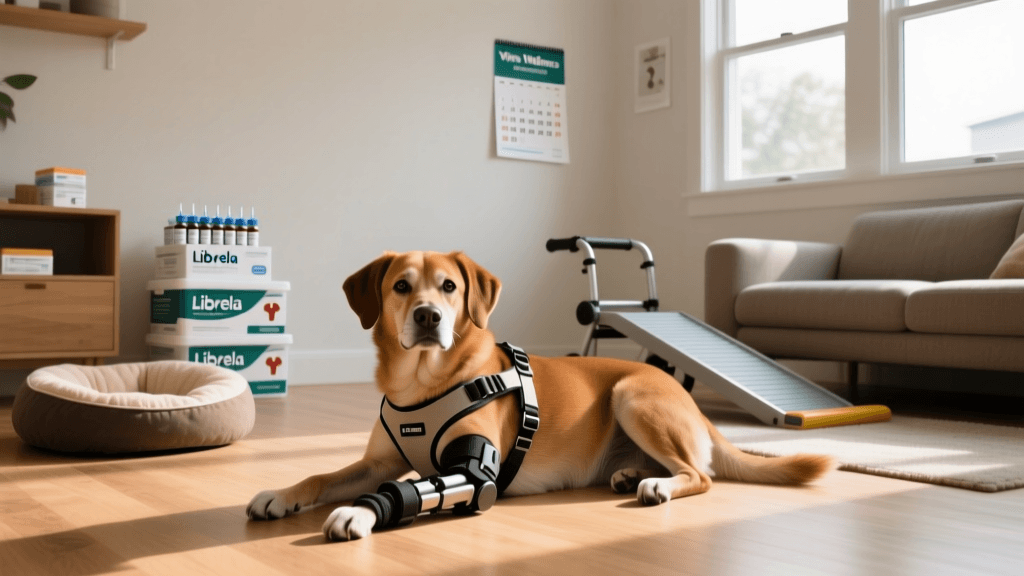
In 2026, the cornerstone of moderate to severe canine OA treatment is anti-Nerve Growth Factor (anti-NGF) monoclonal antibody therapy. Monthly injections, such as bedinvetmab (Librela), target the specific proteins that transmit pain signals to the brain. This targeted approach provides profound pain relief with minimal systemic side effects, making it incredibly safe for senior dogs with compromised organ function.
Multimodal Supplement Therapy
Your veterinarian will likely recommend a joint supplement containing high levels of Omega-3 fatty acids (EPA/DHA), glucosamine hydrochloride, and chondroitin sulfate. Brands like Dasuquin Advanced or GlycoFlex 3 remain top-tier recommendations in 2026 for supporting joint cartilage and reducing systemic inflammation.
Preparing Your Home: Orthopedic and Accessibility Upgrades
The physical environment of your home can either exacerbate your new dog's joint pain or alleviate it. Preparing your space before adoption day is crucial for a smooth transition.
1. Traction and Flooring Modifications
Slippery hardwood, tile, or laminate floors are the enemy of an arthritic dog. When a dog with OA slips, the sudden micro-movements in their joints cause severe pain spikes and accelerate cartilage degradation. To combat this:
- Interlocking EVA Foam Mats: Cover high-traffic areas and play zones with high-density, interlocking foam tiles. These provide a soft, shock-absorbing surface that offers excellent grip.
- Non-Slip Rug Runners: Use rug runners with heavy-duty rubber backing to create "safe highways" through your home. Ensure the edges are taped down to prevent tripping hazards.
- Paw Grip Pads: If your dog refuses to wear booties, apply silicone paw grip pads (like Musher's Secret wax or adhesive paw pads) to their footpads for immediate traction.
2. Orthopedic Sleeping Arrangements
A standard stuffed dog bed will not suffice for a dog with OA. You must invest in a true orthopedic bed. Look for a bed featuring at least 4 inches of high-density, human-grade memory foam that does not bottom out when the dog lies on it. Bolstered edges are highly recommended, as they provide a place for the dog to rest their head and support their spine in a neutral alignment.
3. Ramps and Stairs
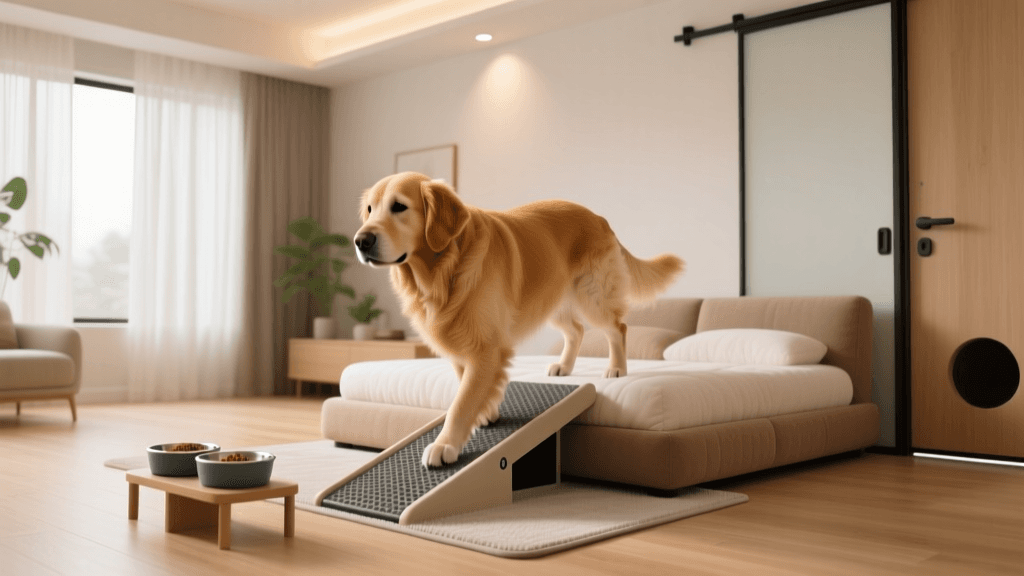
Never allow an OA dog to jump on or off furniture, or in and out of vehicles. The impact of landing places immense concussive force on their carpal, elbow, and shoulder joints. Purchase a foldable, high-traction ramp for your vehicle and specialized pet stairs with a gentle incline (a 1:3 slope ratio is ideal) for accessing the couch or bed.
First-Day Essentials for an OA Dog
When you bring your new dog home, the first 48 hours are about minimizing stress and physical exertion. Have these specific items ready and waiting:
- Assistance Harness: A rear-lift or full-body support harness (such as the Help 'Em Up Harness) is an absolute necessity. This allows you to support their hindquarters when navigating stairs, standing up from a nap, or going outside to potty, without causing pain by pulling on a collar.
- Elevated Feeding Station: Bending down to the floor to eat and drink puts unnecessary strain on the cervical spine and front shoulders. An adjustable elevated bowl stand set to chest-height allows your dog to eat in a comfortable, upright posture.
- Low-Impact Enrichment Toys: Mental stimulation is vital, but physical exertion must be limited on day one. Snuffle mats, lick mats, and puzzle feeders allow your new dog to engage their brain and burn energy while lying comfortably on their orthopedic bed.
"The goal of the first week with an arthritic rescue is to build trust without triggering a pain flare-up. Let the dog dictate the pace of exploration, and always use a support harness when navigating environmental obstacles." — Canine Rehabilitation Therapy Guidelines, 2026
2026 Cost Breakdown: OA Adoption and Home Setup
Budgeting for a dog with osteoarthritis requires foresight. While the initial setup and monthly treatments carry a cost, the return on investment is a deeply bonded, comfortable companion. Below is a realistic breakdown of 2026 pricing for OA home preparation and ongoing care.
| Item / Service | Estimated 2026 Cost | Purpose |
|---|---|---|
| Anti-NGF Monoclonal Antibody (Monthly) | $75 - $140 | Targeted nerve pain relief without NSAID side effects |
| High-Density Orthopedic Memory Foam Bed | $150 - $300 | Pressure relief for hips, elbows, and spine |
| Full-Body Support Harness | $120 - $160 | Safe lifting and mobility assistance |
| Interlocking EVA Foam Flooring (100 sq ft) | $80 - $120 | Slip prevention and joint shock absorption |
| Telescoping Vehicle Ramp | $90 - $150 | Safe vehicle entry and exit |
| Joint Supplement (60-day supply) | $45 - $70 | Cartilage support and inflammation reduction |
For more detailed information on the evolving needs of aging pets, the ASPCA's guide to senior dog care offers excellent foundational advice on adapting your lifestyle to accommodate a senior companion's changing physical requirements.
Long-Term Management and Quality of Life
Getting a dog with osteoarthritis is not just about the first day; it is a commitment to ongoing, proactive management. In 2026, canine physical rehabilitation is more accessible than ever. Consider incorporating weekly hydrotherapy (underwater treadmill) or therapeutic laser treatments into your dog's routine. These modalities build muscle mass around the affected joints, providing natural stabilization and reducing the mechanical load on the cartilage.
Weight management is equally critical. Every extra pound on a dog's frame multiplies the force exerted on their joints during movement. Work closely with your veterinarian to calculate your dog's exact resting energy requirement (RER) and feed a joint-support prescription diet if necessary.
Ultimately, adopting a dog with osteoarthritis is a profoundly rewarding experience. By combining cutting-edge 2026 veterinary treatments with a thoughtfully modified home environment, you are not just giving a dog a second chance at life—you are giving them a life free from the shadows of chronic pain. With the right preparation, your new companion will spend their golden years feeling safe, supported, and deeply loved.
anouk-beaumont
All our authors care for dogs every day — read more of their work on the authors page.