Adopting a Dog With OA: 2026 Home Prep and Treatment
Adopting a dog with osteoarthritis? Discover 2026 home prep essentials, first-day treatments, and mobility tips to ensure a comfortable transition.
The Rewarding Journey of Adopting a Dog With Osteoarthritis
Choosing to adopt a senior dog or a rescue with pre-existing osteoarthritis (OA) is one of the most compassionate decisions a prospective pet parent can make. As we navigate the veterinary landscape in 2026, managing canine joint pain has evolved from simple pain masking to comprehensive, disease-modifying therapies. However, bringing a dog with mobility issues into a new environment requires strategic home preparation and a solid understanding of modern treatment protocols. If you are in the 'getting a dog' phase and have decided to open your home to an OA-diagnosed companion, this guide will walk you through the essential first-day preparations, environmental modifications, and the latest 2026 veterinary treatments to ensure your new dog thrives.
Understanding Canine Osteoarthritis in 2026
Osteoarthritis is a degenerative joint disease characterized by the progressive breakdown of joint cartilage, leading to inflammation, pain, and reduced mobility. According to the American Kennel Club, OA affects a significant percentage of senior dogs and certain predisposed large breeds. In the past, owners often mistook the slowing down of their dogs as 'just getting old.' Today, the veterinary community recognizes OA as a chronic, manageable condition that requires a multimodal approach. When you adopt a dog with OA, you are not just adopting a pet; you are adopting a daily management routine that will drastically improve their quality of life.
First-Day Essentials: Preparing Your Home for an OA Dog
Before your new dog crosses the threshold, your home must be optimized for joint health. A dog with OA struggles with traction, jumping, and hard surfaces. Here is how to prepare your environment using the latest 2026 pet-care standards:
1. Traction and Flooring Modifications
Slippery hardwood, tile, or laminate floors are the enemy of arthritic joints. When a dog slips, it causes micro-trauma to already compromised joints. Invest in high-traction, non-slip area rugs with rubberized backings. For high-traffic areas or feeding stations, interlocking EVA foam mats (often used in home gyms) provide excellent shock absorption and grip. In 2026, many pet owners are also utilizing pet-safe, textured floor coatings that add grip to existing hardwood without ruining the aesthetic.
2. Ramps and Stairs
Never allow an OA dog to jump into an SUV, onto a couch, or up to a bed. The impact of landing can cause severe pain flare-ups. Purchase a lightweight, carbon-fiber or high-density foam ramp for your vehicle. For indoor furniture, use pet stairs with a gentle incline (ideally a 20-to-25-degree slope) covered in high-traction fabric. Ensure the ramp or stairs are wide enough for your dog to feel secure, as anxiety about falling can cause muscle tension that exacerbates joint pain.
3. Orthopedic Bedding
Standard stuffed beds do not provide adequate support. You need a high-density, medical-grade memory foam bed that does not bottom out when the dog lies down. In 2026, thermo-regulating orthopedic beds are widely available; these beds feature integrated, low-voltage heating elements to soothe stiff joints in the winter, and cooling gel layers for summer months. Place the bed in a draft-free, easily accessible corner of the main living area so your dog does not feel isolated.
4. Elevated Feeding Stations
Bending down to the floor puts unnecessary strain on the neck, shoulders, and front limbs. An elevated feeding station that brings the bowls to your dog's chest height will make mealtime significantly more comfortable.
2026 Veterinary Treatment Protocols for Canine OA
The cornerstone of managing OA in a newly adopted dog is establishing a relationship with a veterinarian who specializes in pain management. The World Small Animal Veterinary Association (WSAVA) Global Pain Council emphasizes a multimodal approach, combining pharmaceuticals, supplements, and physical modifications. Here are the leading treatments available in 2026:
Monoclonal Antibody Therapy (Anti-NGF)
The most significant breakthrough in recent years, which has become a gold standard by 2026, is the use of anti-Nerve Growth Factor (anti-NGF) monoclonal antibodies, such as bedinvetmab (Librela). Administered as a monthly subcutaneous injection, this therapy specifically targets the NGF protein responsible for OA pain signaling. Unlike traditional painkillers, it does not process through the liver or kidneys, making it exceptionally safe for senior dogs with compromised organ function.
NSAIDs and Adjunct Medications
Non-Steroidal Anti-Inflammatory Drugs (NSAIDs) like grapiprant or meloxicam are still utilized to reduce acute joint inflammation. However, modern veterinary protocols often pair NSAIDs with adjunct medications like gabapentin or amantadine to target neuropathic pain pathways, allowing for lower NSAID dosages and reducing the risk of gastrointestinal side effects.
Joint Supplements and Nutraceuticals
Start your dog on a high-quality joint supplement from day one. Look for products containing Omega-3 fatty acids (specifically EPA and DHA from marine sources), glucosamine hydrochloride, chondroitin sulfate, and green-lipped mussel extract. These ingredients help maintain synovial fluid viscosity and reduce systemic inflammation.
Alternative and Physical Therapies
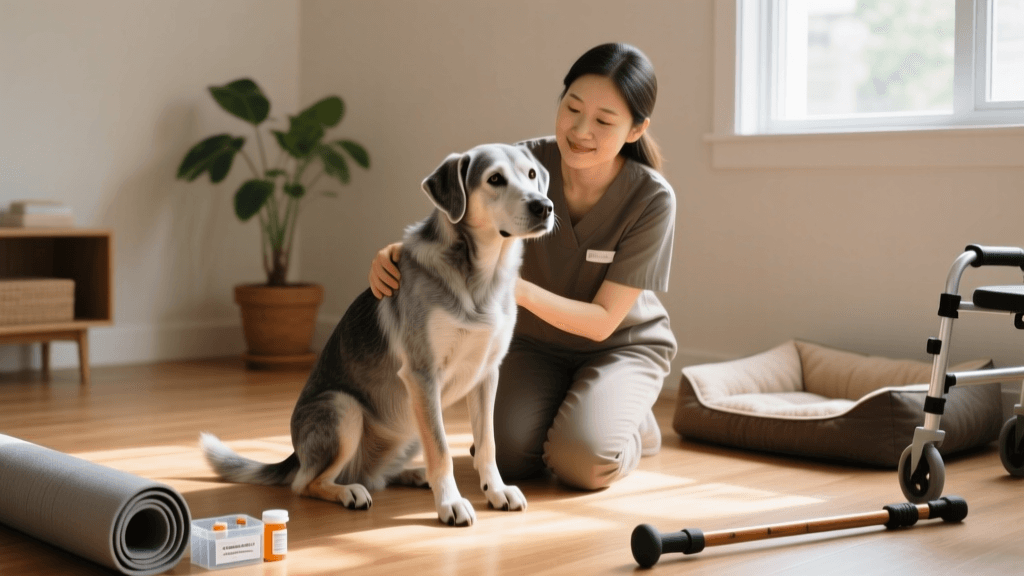
Physical rehabilitation is no longer just for post-surgical recovery. Underwater treadmills, cold laser therapy (photobiomodulation), and canine acupuncture are highly effective for maintaining muscle mass without putting weight-bearing stress on the joints. Maintaining the muscle mass around an arthritic joint acts as a natural shock absorber.
Cost Breakdown: OA Management in 2026
Budgeting for a dog with special needs is a critical part of the decision-making process when getting a dog. Below is an estimated cost chart for OA management based on 2026 national averages for a medium-to-large breed dog (50-80 lbs).
| Treatment / Modification | Estimated 2026 Cost | Frequency |
|---|---|---|
| Orthopedic Memory Foam Bed | $120 - $250 | One-time (Replace every 2-3 years) |
| High-Traction Home Rugs / Mats | $80 - $150 | One-time |
| Anti-NGF Injection (e.g., Librela) | $75 - $130 | Monthly |
| Prescription NSAIDs | $40 - $90 | Monthly (As needed) |
| High-Quality Joint Supplements | $35 - $60 | Monthly |
| Canine Rehabilitation / Hydrotherapy | $85 - $150 per session | Weekly / Bi-weekly |
The First 30 Days: A Step-by-Step Care Routine
Transitioning an OA dog into a new home requires patience. The stress of moving can cause pain flare-ups, so a structured 30-day plan is essential.
Week 1: Decompression and Assessment
Keep the dog's accessible area small and heavily padded. Limit exploratory walks to short, 5-minute leash strolls on flat, grassy surfaces. Schedule a comprehensive veterinary exam, including full bloodwork and orthopedic X-rays, to establish a baseline and discuss starting anti-NGF therapy or NSAIDs.
Week 2: Introducing the Routine
Begin daily joint supplements mixed into a high-quality, weight-management diet. Keeping an OA dog lean is arguably the most important non-pharmaceutical treatment available; every extra pound exerts exponential force on damaged joints. Introduce the ramp for car rides and furniture access, using high-value treats to build positive associations.
Week 3: Controlled Movement and Therapy
Start a strict, controlled exercise regimen. Avoid erratic movements like chasing balls or playing with other high-energy dogs, which can lead to sudden joint injuries. Instead, engage in 'sniffaris'—slow, mentally stimulating walks where the dog sets the pace. If applicable, schedule your first canine hydrotherapy or cold laser session.
Week 4: Evaluation and Adjustment
Assess your dog's mobility. Are they rising more easily in the morning? Are they more willing to use the stairs? Consult with your veterinarian to adjust medication dosages based on their comfort level. As noted by the American Animal Hospital Association (AAHA), regular senior care evaluations are vital for adapting to the progressive nature of age-related and chronic conditions.
Conclusion
Getting a dog with osteoarthritis is a commitment that demands time, financial resources, and a proactive approach to home modification and veterinary care. However, the transformation you will witness is unparalleled. By implementing 2026's advanced environmental modifications, leveraging breakthrough treatments like monoclonal antibody therapy, and maintaining a strict weight and physical therapy regimen, you can give a deserving dog a golden chapter filled with comfort, dignity, and immense love. Your preparation before they even walk through the door will set the foundation for a beautiful, pain-managed life together.
marcus-aldridge
All our authors care for dogs every day — read more of their work on the authors page.