Understanding Adolescent Dog Behavior And Brain Development
Discover why your adolescent dog tests boundaries. Learn the psychology behind teenage canine brain development and how to manage behavioral regression.
The Hidden Challenge of Canine Adolescence
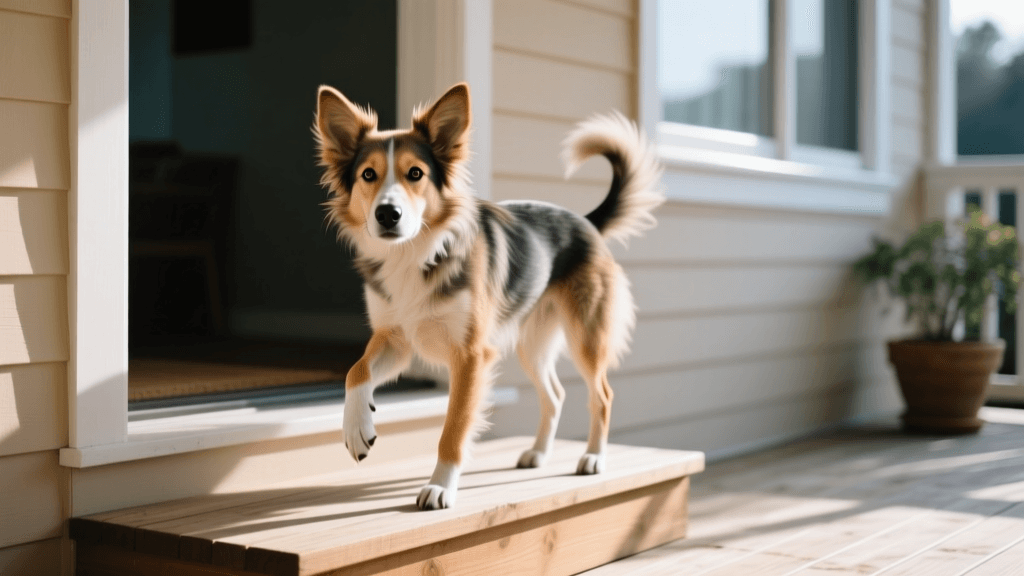
Most dog owners are well-prepared for the sleepless nights and potty training hurdles of early puppyhood. However, many are caught completely off guard by the second major developmental hurdle: canine adolescence. Spanning roughly from six to eighteen months of age, this life stage is notorious for behavioral regression, selective hearing, and boundary testing. Understanding the psychology and neurological shifts occurring inside your adolescent dog's brain is the key to navigating this turbulent period without damaging your bond.
The Neuroscience of the Canine Teenager
To understand why your once-obedient puppy suddenly ignores their name, we must look at canine brain development. Much like human teenagers, adolescent dogs experience a massive neurological remodeling phase. According to a landmark 2020 study published in Biology Letters by Dr. Lucy Asher and her team, dogs go through a specific phase of reduced trainability and increased conflict behavior with their caregivers. The study found that dogs are actually less likely to obey known commands during their adolescent peak (around eight months of age) compared to when they were younger puppies or fully mature adults.
During this window, the limbic system—the brain's emotional and reward center—develops much faster than the prefrontal cortex, which is responsible for impulse control and executive function. This neurological imbalance means your dog is experiencing intense environmental stimuli and emotional drives but lacks the mature brain hardware to inhibit their impulses. They aren't being stubborn; they are biologically overwhelmed by their own developing neurochemistry.
Behavioral Regression: Why Did My Dog Forget 'Sit'?
One of the most frustrating aspects of this life stage is behavioral regression. Owners often report that their dog's recall, leash manners, and basic obedience have completely vanished. From a psychological standpoint, your dog hasn't actually forgotten their training. Instead, their threshold for distraction has drastically lowered, and their drive for environmental and social exploration has spiked.
In early puppyhood, a dog's primary survival instinct is to stay close to their caregiver. As they enter adolescence, their evolutionary drive shifts toward exploring their territory, seeking out novel scents, and establishing social hierarchies. The ASPCA notes that common behavioral issues such as pulling on the leash, jumping, and roaming often peak during this developmental window because the dog's natural instincts are pushing them toward independence. The environment simply becomes more reinforcing than the treats in your pocket.
Puppy vs. Adolescent Dog: A Behavioral Comparison
Recognizing the shift in your dog's psychological needs is crucial for adjusting your care guide. Below is a comparison of how behavioral drives shift between early puppyhood and adolescence.
| Behavioral Trait | Early Puppy (8-16 Weeks) | Adolescent (6-18 Months) |
|---|---|---|
| Primary Motivation | Proximity to owner, survival, basic food rewards. | Environmental exploration, novel scents, social interaction. |
| Recall Reliability | Generally high in low-distraction environments. | Low; easily overridden by environmental triggers. |
| Fear Responses | Startle easily, rely on owner for comfort. | Secondary fear period; may show sudden reactivity or hesitation. |
| Energy Expression | Short bursts of play followed by deep sleep. | Sustained high energy, requiring structured mental and physical outlets. |
Actionable Life Stage Care: Managing the Teenage Brain
Navigating this life stage requires a shift from pure training to strategic management. You must set up your dog's environment to prevent them from practicing unwanted behaviors while their brain matures.
1. Implement Long-Line Management
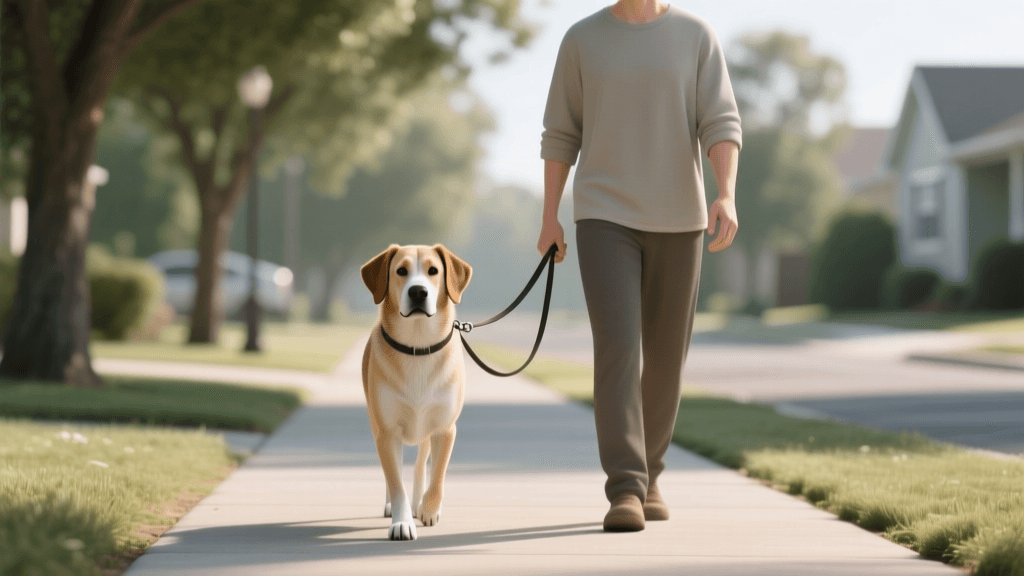
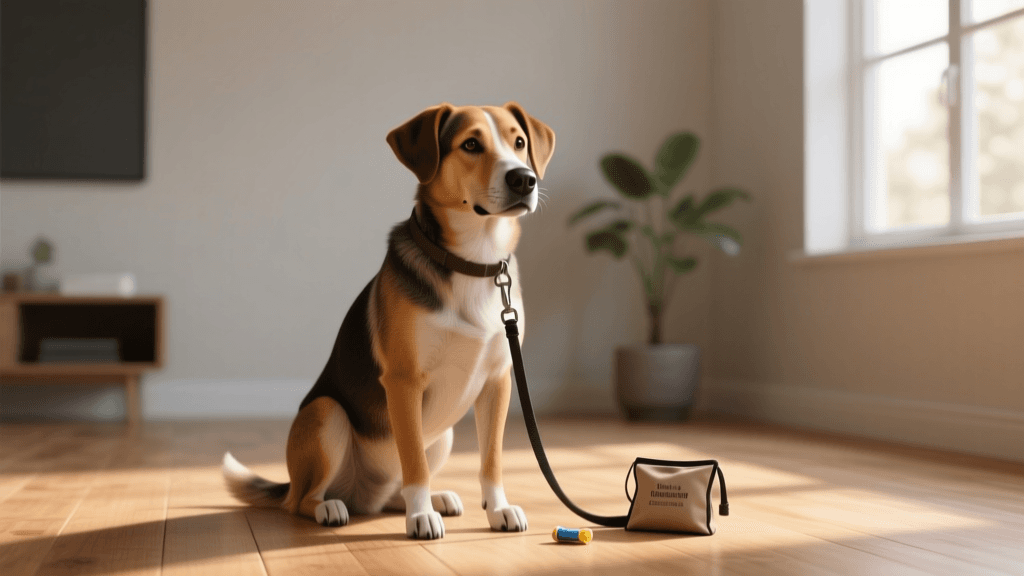
Because recall is biologically compromised during adolescence, allowing your dog off-leash in unsecured areas is a recipe for disaster. Invest in a 15 to 30-foot Biothane long line (typically costing between $25 and $45). Biothane is waterproof, easy to clean, and doesn't tangle like nylon. Attach it to a well-fitted Y-front harness to protect your dog's trachea if they suddenly bolt after a squirrel. This gives them the psychological illusion of freedom while keeping you in physical control.
2. Prioritize Mental Enrichment Over Physical Exhaustion
A common mistake owners make is trying to physically tire out an adolescent dog. This often just creates a canine athlete with endless stamina. Instead, focus on mental fatigue, which burns more energy and satisfies their foraging instincts. Utilize snuffle mats ($15-$30), lick mats, and puzzle feeders like the Outward Hound Dog Brick or the classic Kong toy. Scattering their daily kibble across the yard for 20 minutes of scent work will do more to calm an adolescent brain than a two-mile run.
3. Enforce Sleep Hygiene
Despite their boundless energy, adolescent dogs still require 12 to 14 hours of sleep per day. Sleep deprivation in dogs leads to hyperactivity, biting, and an inability to learn—much like a cranky toddler. If your dog is exhibiting zoomies or severe hyperactivity in the evening, they are likely overtired. Institute enforced nap times in a crate or a quiet, dimly lit pen for 1 to 2 hours in the afternoon to allow their nervous system to reset.
Hormonal Influences and Spay/Neuter Timing
Adolescence is intrinsically tied to sexual maturity. For intact dogs, the surge in hormones like testosterone and estrogen can amplify roaming behaviors, scent marking, and same-sex aggression. However, the timing of spaying or neutering is a complex decision that impacts behavioral and physical development. Recent veterinary consensus suggests that delaying the procedure until the dog has reached skeletal maturity (often between 12 to 18 months for medium and large breeds) may reduce the risk of certain joint disorders and cancers. From a behavioral standpoint, while neutering can reduce roaming driven by the scent of a female in heat, it does not magically cure learned behavioral issues or teenage impulsivity. Managing the environment remains your primary tool, regardless of your dog's reproductive status.
Modifying Your Training Protocol
When training an adolescent dog, you must adjust your expectations and your rewards. The Humane Society of the United States emphasizes that positive reinforcement must be highly motivating to compete with environmental distractions.
- Upgrade Your Rewards: Dry kibble will no longer cut it. Invest in high-value, single-ingredient treats like freeze-dried beef liver or boiled chicken breast (approx. $15 for a small batch). The stronger the scent and taste, the more likely you are to break through their environmental hyper-focus.
- Shorten Sessions: Keep training sessions to 3 to 5 minutes. Adolescent dogs have short attention spans for structured tasks. End the session before they become frustrated or disengaged.
- Lower the Criteria: If your dog cannot perform a sit-stay at the park, do not repeatedly command it. Move further away from the distraction until they can succeed, then reward heavily. Set them up for success rather than testing their failing impulse control.
When to Seek Professional Help
While boundary testing and selective hearing are normal, genuine fear-based reactivity or severe resource guarding is not something you should wait out. If your adolescent dog is lunging, snapping, or exhibiting extreme panic responses to normal environmental stimuli, consult a certified veterinary behaviorist or a fear-free certified trainer immediately. Early intervention during this critical neurological window can prevent lifelong behavioral pathologies.
Ultimately, understanding your adolescent dog requires empathy and patience. By recognizing the biological and psychological shifts driving their behavior, you can adapt your life stage care guide to support them through the teenage years, emerging on the other side with a deeply bonded, well-adjusted adult dog.
anouk-beaumont
All our authors care for dogs every day — read more of their work on the authors page.