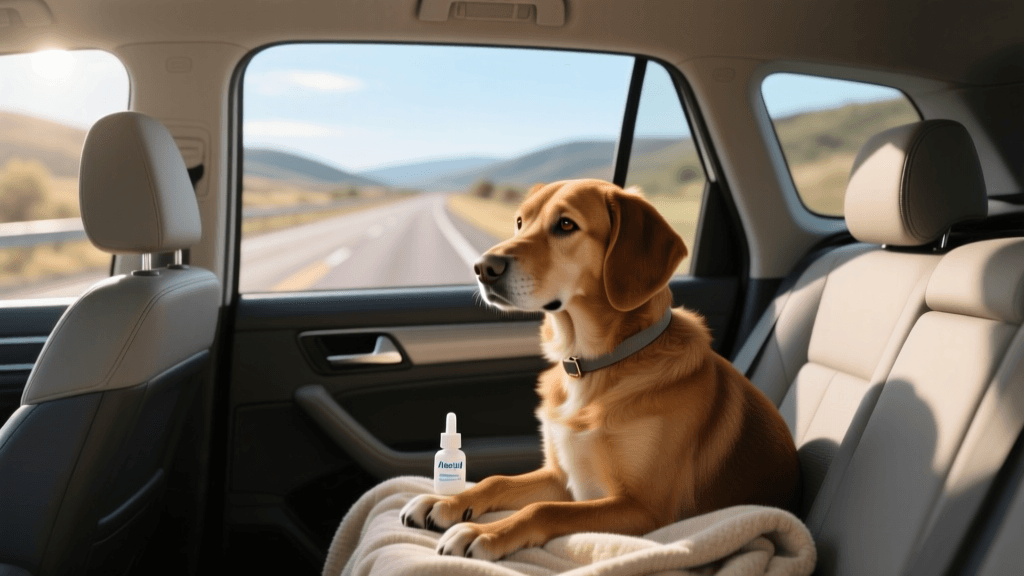
Moving With Anxious Dogs: 2026 Adaptil & Calming Guide
Discover how to use Adaptil Transport and proven calming protocols to help your anxious dog survive a cross-country move in 2026. Vet-approved tips inside.
Relocating to a new home is consistently ranked as one of the most stressful life events for humans, but for our canine companions, it represents a complete upheaval of their territorial, social, and environmental anchors. As we navigate advanced pet care strategies in 2026, veterinary behaviorists emphasize that proactive chemical, environmental, and routine-based management is critical for dogs suffering from relocation anxiety. Whether you are moving across town or embarking on a cross-country journey, transitioning your dog smoothly requires a strategic, science-backed approach.
Understanding Canine Relocation Stress
Dogs are creatures of habit and scent. Their sense of security is deeply tied to the familiar smells of their current home and the predictable rhythm of their daily routine. When you begin packing boxes, rearranging furniture, and disrupting their environment, it triggers a profound sense of instability. According to the American Kennel Club, common signs of stress in dogs include excessive panting, pacing, gastrointestinal upset, destructive behavior, and sudden clinginess or withdrawal. Recognizing these subtle cues early is the first step in mitigating the trauma of a major life transition.
Why Adaptil Remains the Gold Standard in 2026
When it comes to non-pharmaceutical anxiety management, synthetic dog-appeasing pheromones (DAP) remain a cornerstone of veterinary behavioral therapy. Adaptil, the leading brand in this space, has refined its delivery systems significantly by 2026. The pheromone mimics the comforting scent a mother dog produces while nursing her puppies, signaling safety and security to dogs of all ages and breeds.
For moving scenarios, the Adaptil Transport Spray and the Adaptil Calm On-The-Go Collar are the most effective tools. The 2026 formulations feature improved dispersion technology, ensuring a longer-lasting, more consistent release of the active pheromone even in highly ventilated environments like cars or airplane cabins. Unlike unregulated calming treats or essential oils, Adaptil is backed by rigorous clinical trials and is universally recommended by Fear Free certified veterinarians.
The 8-Week Pre-Move Preparation Protocol
Do not wait until the moving truck arrives to start preparing your dog. A successful transition requires a phased approach to desensitization and environmental management.
Weeks 8 to 6: Veterinary Consultation and Baseline Health
Schedule a wellness exam to ensure your dog is physically fit for travel. Discuss your moving plans with your veterinarian. If your dog has a history of severe anxiety or motion sickness, this is the time to discuss prescription options like trazodone or gabapentin to use in conjunction with pheromone therapy. Ensure all microchip details and vaccination records are updated in the national registry.
Weeks 5 to 3: Desensitization to Packing
Introduce moving boxes gradually. Leave a few empty boxes out and toss high-value treats inside them to create a positive association. Plug in an Adaptil Calm Diffuser in the rooms where you spend the most time with your dog. This creates a continuous baseline of calming pheromones that counteracts the visual stress of a slowly emptying house.
Weeks 2 to 1: Preserving the Safe Zone
The ASPCA recommends keeping your dog's daily routine as consistent as possible. Feed, walk, and play at the exact same times. Crucially, do not pack your dog's bedding, favorite toys, or food bowls. These items must remain in their usual spots until the very last moment before departure to preserve their territorial scent markers.
Travel Day Execution: Safety and Serenity
Travel day is the peak of the transition. The goal is to minimize sensory overload while ensuring physical safety during transit.
- Pheromone Application: Spray Adaptil Transport directly onto your dog's travel bedding, crate mat, or car harness 15 minutes before loading your dog. Never spray it directly onto the animal or near their face, as the alcohol carrier can be irritating to their sensitive respiratory system.
- Physical Restraints: In 2026, crash-tested safety gear is non-negotiable. Use a certified crash-tested harness like the Kurgo Tru-Fit or a secure carrier like the Sleepypod Atom to prevent injury and provide a den-like sense of security.
- Sensory Deprivation: Play classical music or specially designed canine calming audio tracks at a low volume. Keep the car climate-controlled and avoid rolling down windows, which can overwhelm an anxious dog with chaotic, high-speed scents.
The Basecamp Method for Settling In
Upon arriving at your new home, resist the urge to let your dog explore the entire property immediately. The American Veterinary Medical Association notes that sudden exposure to a massive, unfamiliar territory can trigger severe anxiety and escape attempts. Instead, utilize the Basecamp method.
Choose one quiet room—such as a guest bedroom or a large bathroom—and set it up before bringing your dog inside. Place their familiar, unpacked bed, water bowl, and toys in this space. Plug in your Adaptil Diffuser here at least two hours before arrival. Keep your dog confined to this Basecamp for the first 24 to 48 hours. This allows them to decompress and establish a secure scent footprint in a manageable, low-stimulus environment.
Applying the 3-3-3 Rule to Relocation
Originally developed for rescue dogs, the 3-3-3 rule perfectly applies to canine relocation transitions:
- 3 Days: Your dog may feel overwhelmed, hide, or refuse to eat normally. Give them space and maintain a quiet environment.
- 3 Weeks: Your dog will start to learn the new routine, figure out where the potty zone is, and show their true personality. Continue using the Adaptil collar during this adjustment phase.
- 3 Months: Your dog will finally feel fully secure and attached to the new environment, establishing it as their true home.
Moving Timeline & Calming Product Checklist
| Timeline | Action Item | Recommended Tool / Product |
|---|---|---|
| 8 Weeks Out | Vet checkup, microchip update, anxiety consultation | Health Certificate, Trazodone (if prescribed) |
| 4 Weeks Out | Introduce continuous pheromone therapy in current home | Adaptil Calm Home Diffuser |
| 2 Weeks Out | Desensitize to car rides and travel crates | Sleepypod Atom or Kurgo Tru-Fit Harness |
| Travel Day | Apply calming spray to bedding 15 mins prior to loading | Adaptil Transport Spray |
| Move-In Day | Establish a single-room Basecamp with familiar scents | Unwashed Dog Bed, Adaptil Collar |
| Weeks 1-3 | Gradual home exploration, maintain strict walking routine | High-value puzzle toys, Calming audio tracks |
When to Consult a Veterinary Behaviorist
While pheromones, routine management, and environmental modifications are highly effective for mild to moderate anxiety, some dogs experience severe psychological distress during life transitions. If your dog exhibits chronic refusal to eat, self-mutilation, extreme aggression, or unrelenting panic attacks during the moving process, it is imperative to consult a board-certified veterinary behaviorist. In 2026, telehealth behavioral consultations are widely available, allowing you to get expert intervention plans without adding the stress of a clinic visit to your dog's plate.
Ultimately, moving with an anxious dog requires patience, empathy, and a reliance on science-backed tools. By leveraging products like Adaptil Transport and adhering to a structured decompression protocol, you can transform a chaotic life transition into a manageable journey, ensuring your best friend feels safe, secure, and loved in their new home.
priya-sutaria
All our authors care for dogs every day — read more of their work on the authors page.