Managing Puppy Fear Periods in 2026: Adaptil & Counter-Conditioning
Learn to manage puppy fear periods in 2026 using Adaptil Junior collars and structured counter-conditioning to prevent long-term reactivity and anxiety.
Understanding the Science of Puppy Fear Periods
The first year of a puppy's life is a whirlwind of developmental milestones, but it is also punctuated by distinct psychological phases known as "fear periods." According to the American Kennel Club, puppies typically experience two primary fear periods: the first occurs between 8 and 11 weeks of age, and the second, often more intense period, occurs between 6 and 14 months. During these windows, a puppy's brain is biologically wired to be hyper-vigilant. A previously confident puppy may suddenly exhibit reactive behaviors, such as barking at familiar objects, hiding from strangers, or refusing to walk on a leash.
As veterinary behaviorists have noted throughout 2025 and into 2026, failing to properly manage these fear periods is the leading cause of long-term anxiety and leash reactivity in adult dogs. When a puppy is forced into overwhelming situations during a fear period, the amygdala encodes the experience as a severe threat, laying the neurological groundwork for lifelong reactive dog syndrome. Therefore, early, proactive intervention is not just recommended; it is essential for the behavioral health of your dog.
The 2026 Approach to Early Reactivity Management
In 2026, the veterinary consensus has shifted heavily away from "flooding" (forcing a dog to face its fears until it gives up) and toward structured, science-backed desensitization combined with environmental support. The ASPCA emphasizes that managing a dog's emotional baseline is the first step in any behavioral modification protocol. If a puppy is operating above its stress threshold, learning cannot occur.
To maintain this emotional baseline, modern puppy care protocols heavily integrate canine pheromone therapy alongside positive reinforcement counter-conditioning. By utilizing synthetic pheromones to mimic the maternal comforts of the whelping box, owners can artificially lower their puppy's cortisol levels, creating a neurological window where counter-conditioning can actually take root.
Adaptil Junior: Pheromone Therapy Explained
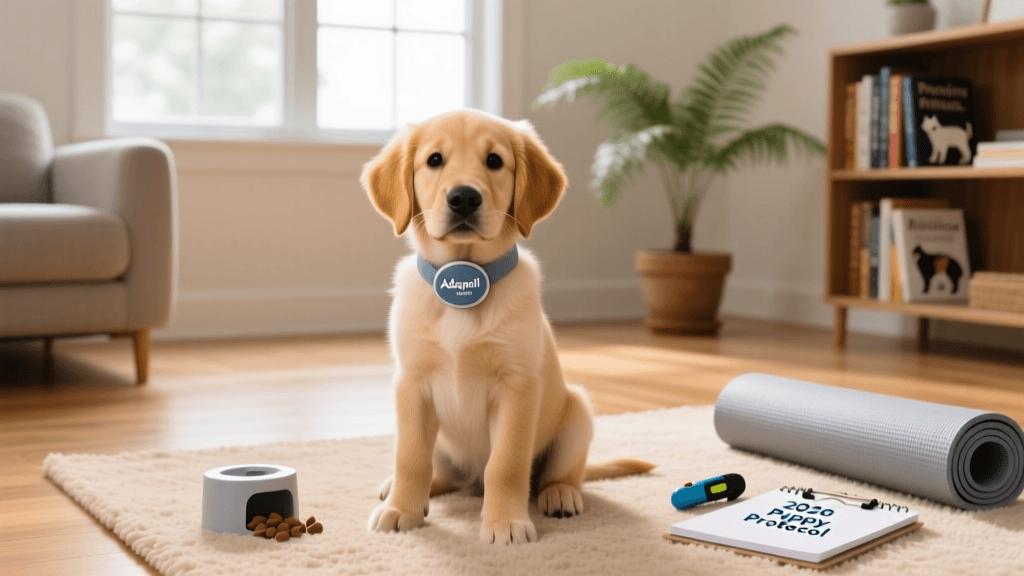
The cornerstone of early anxiety management in 2026 is the Adaptil Junior Calming Collar. Unlike oral calming chews that must be metabolized and timed perfectly, the Adaptil collar provides a continuous, 30-day release of Dog-Appeasing Pheromone (DAP). DAP is a synthetic replica of the pheromone produced by a mother dog while nursing her puppies. This chemical signal communicates safety and security to the puppy's vomeronasal organ, effectively telling the brain that the environment is secure.
For puppies entering their first fear period at 8 weeks, fitting an Adaptil Junior collar before bringing them home from the breeder or shelter can drastically reduce the stress of relocation. The collar is adjustable up to 27.5 inches, making it suitable for all puppy breeds, and is made from a durable, chew-resistant plastic polymer that releases the pheromone when warmed by the puppy's body heat. In 2026, the retail price for a single Adaptil Junior collar averages around $24.99, making it a highly cost-effective intervention compared to future behavioral rehabilitation costs.
Step-by-Step Counter-Conditioning Protocol
While the Adaptil collar lowers the baseline anxiety, it does not teach the puppy how to cope with specific triggers. For that, we use Counter-Conditioning and Desensitization (CC&D). Here is the exact protocol recommended by certified fear-free trainers in 2026:
Step 1: Identify the Threshold
Your puppy's threshold is the exact distance or intensity at which they notice a trigger (e.g., a loud truck, a stranger, a vacuum cleaner) but remain under their stress limit. If your puppy can take a treat gently and their body is loose, they are under threshold. If they freeze, whale-eye, or snap at the treat, you have crossed the threshold and must increase the distance immediately.
Step 2: The "Look at That" (LAT) Game
Coined by dog trainer Leslie McDevitt, the LAT game is highly effective for reactive puppies. When your puppy looks at a trigger from a safe distance, mark the behavior with a clicker or a verbal "Yes!" and immediately deliver a high-value reward. In 2026, trainers recommend single-ingredient, high-odour treats like Vital Essentials Freeze-Dried Beef Liver or Stella & Chewy's Minnow Crumbles to override the puppy's environmental anxiety.
Step 3: Pair and Retreat
Keep sessions incredibly short. A reactive puppy's brain fatigues quickly. Limit CC&D sessions to 3 to 5 minutes, two to three times a day. Always end on a success, and immediately retreat to a safe, quiet space where the puppy can decompress in their crate with the Adaptil pheromones working to soothe their nervous system.
2026 Calming Interventions Comparison Chart
Not all calming products are created equal. Below is a comparison of the most effective, veterinarian-approved anxiety management tools for puppies in 2026.
| Product / Tool | Type | Best Used For | 2026 Avg. Price | Efficacy Rating |
|---|---|---|---|---|
| Adaptil Junior Collar | Pheromone (DAP) | Continuous baseline anxiety, relocation, first fear period | $24.99 | 9.5/10 |
| ThunderShirt Puppy | Compression Wrap | Acute noise phobias (fireworks, thunderstorms) | $45.00 | 8.0/10 |
| Zesty Paws Calming Bites | Oral Supplement (L-Theanine) | Short-term events (vet visits, grooming) | $28.99 | 7.5/10 |
| Hatch Restore 2 | White Noise / Sound Machine | Masking environmental triggers for crate sleeping | $129.00 | 8.5/10 |
Real-World Scenario: Managing "Stranger Danger"
One of the most common manifestations of the 6-to-14-month fear period is sudden reactivity toward strangers. A puppy that previously loved everyone may suddenly bark and lunge at visitors. Here is how to manage this using the 2026 protocol:
- Pre-Arrival Prep: Fit the puppy with their Adaptil collar 48 hours before expected guests. Set up a physical barrier, such as a freestanding pet gate, in the living room.
- The Entry: Instruct guests to completely ignore the puppy. No eye contact, no talking, no reaching.
- The LAT Protocol: Sit with your puppy behind the gate at a distance where they are under threshold. Every time the puppy looks at the guest, mark and reward with freeze-dried liver.
- Decompression: After 10 minutes, lead the puppy to their crate for a food-stuffed puzzle toy (like a West Paw Toppl filled with frozen bone broth). This allows the puppy to observe without the pressure of interaction.
Daily Desensitization Schedule for Anxious Puppies
Consistency is the antidote to anxiety. Implement this daily schedule during peak fear periods:
- Morning (8:00 AM): 5-minute "Look at That" session on a quiet street, observing distant cars and pedestrians.
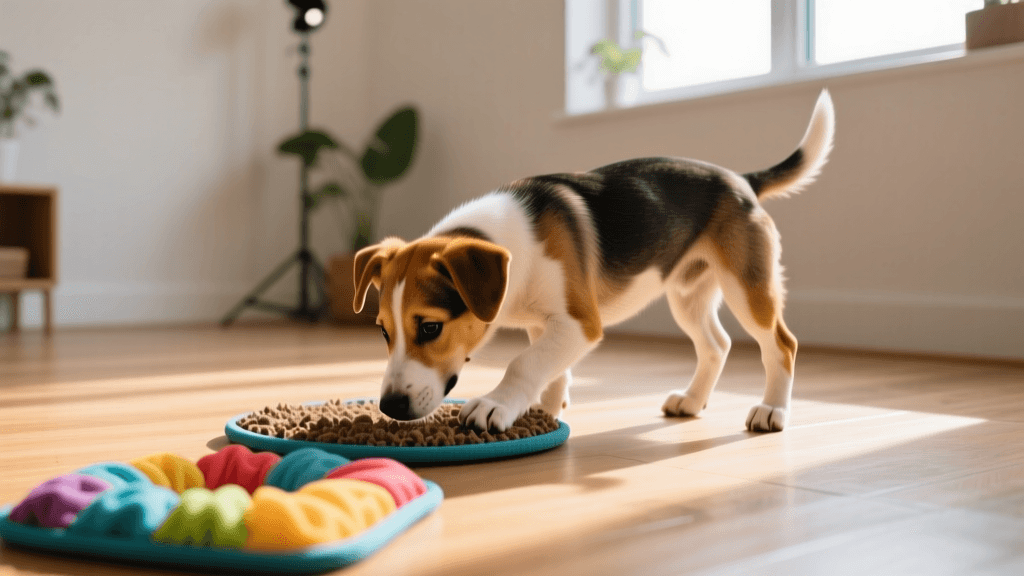
- Mid-Day (12:00 PM): Sound desensitization. Play recordings of city noises or thunderstorms at a very low volume (20 decibels) while the puppy eats their lunch from a snuffle mat.
- Evening (6:00 PM): Handling exercises. Gently touch the puppy's paws, ears, and mouth while delivering high-value treats, preparing them for future grooming and veterinary care without fear.
When to Consult a Veterinary Behaviorist
While the Adaptil Junior collar and structured counter-conditioning are highly effective for standard developmental fear periods, some puppies exhibit atypical, severe anxiety that requires medical intervention. If your puppy exhibits self-mutilation, extreme panic, or aggression that does not respond to CC&D over a 30-day period, it is time to seek professional help. The ASPCA strongly recommends consulting a board-certified veterinary behaviorist (DACVB) who can assess the need for early pharmaceutical support, such as selective serotonin reuptake inhibitors (SSRIs), to help the puppy's brain become receptive to behavioral training. Remember, managing reactivity in the first year is an investment in a lifetime of trust, confidence, and peace for both you and your dog.
priya-sutaria
All our authors care for dogs every day — read more of their work on the authors page.