Why Dogs Stare at You: The Science Behind the Gaze
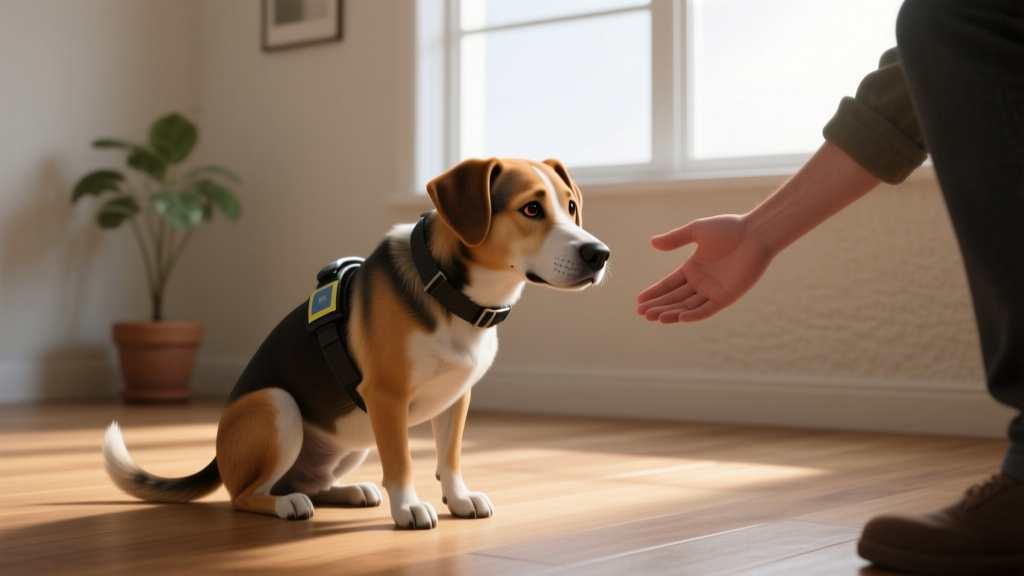
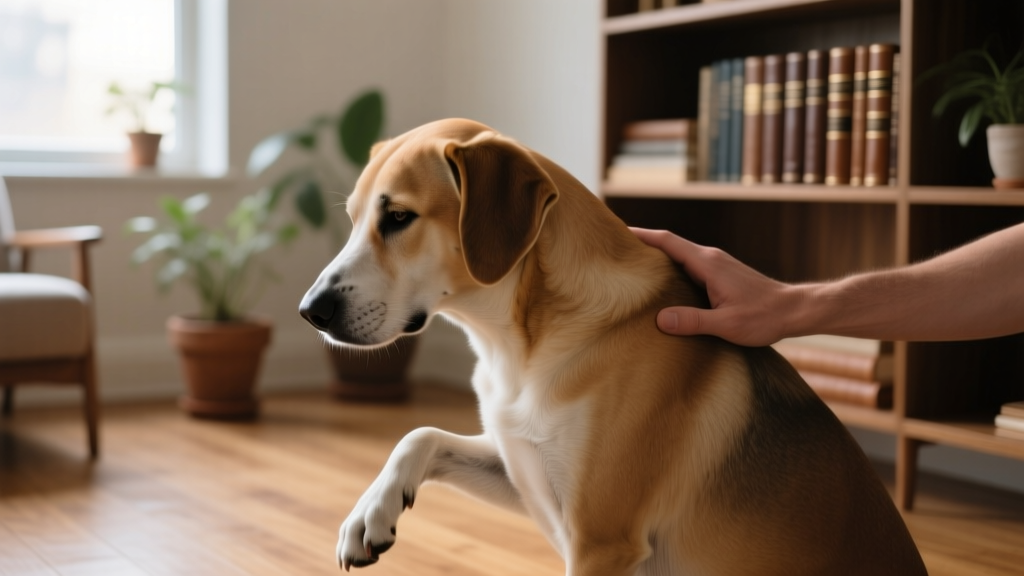
That long, loving stare from your dog is more than affection — it is a complex communication tool backed by science. Here is what it means.
The Mutual Gaze
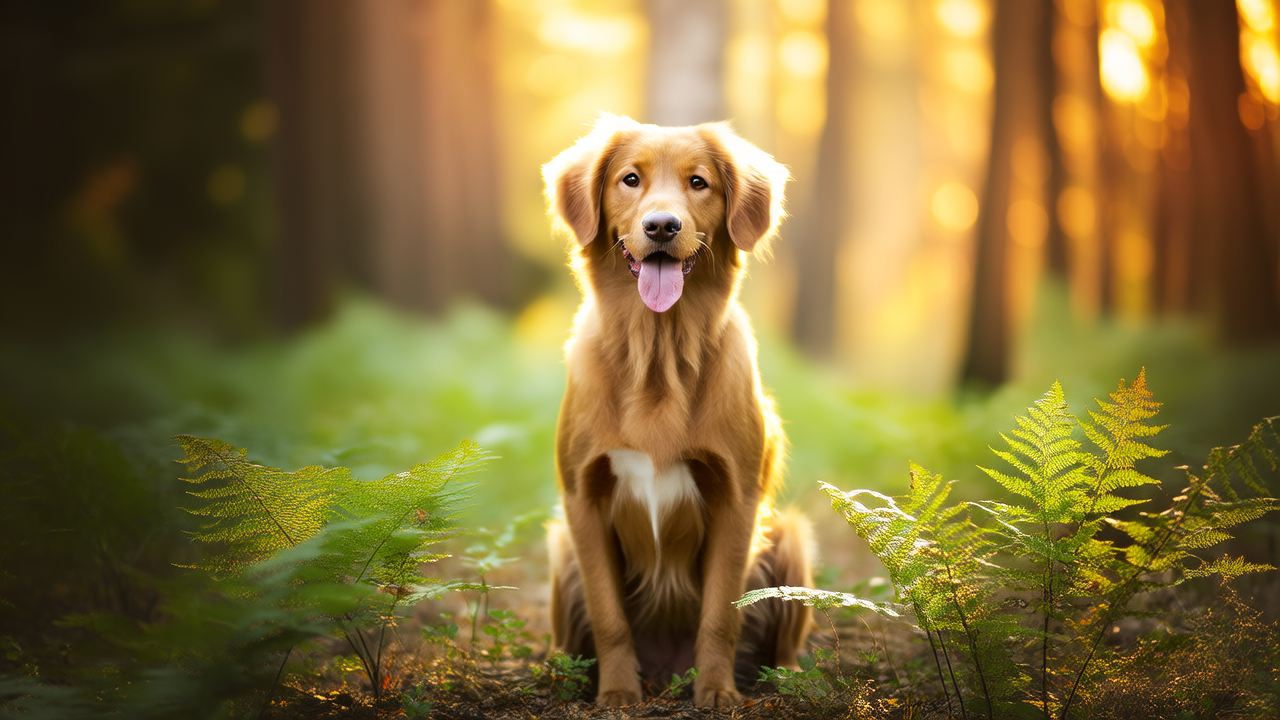
When your dog looks into your eyes, something remarkable happens in both your brains. Studies from Azabu University in Japan found that when dogs and their owners gaze at each other, both experience a surge in oxytocin — the same bonding hormone that strengthens the connection between human parents and babies.
What Your Dog Is Communicating
Dogs stare for different reasons, and the context matters:
- Affection: Soft eyes, relaxed body, slow blinking. This is the "I love you" stare.
- Anticipation: You're eating, holding a lead, or reaching for the treat jar. Your dog is reading your behaviour and predicting what comes next.
- Request: Your dog needs something — to go outside, for their bowl to be refilled, for play.
- Confusion: You're doing something unfamiliar, and your dog is trying to read your intentions.
- Concern: You're crying or upset. Dogs can detect emotional changes through facial expression, voice tone, and even scent.
How Dogs Read Our Eyes
Dogs are one of the few species that naturally follow human gaze. When you look at something, your dog will also look in that direction. This ability — called "gaze following" — develops without training and is rare in the animal kingdom. Wolves raised by humans show weaker gaze-following, suggesting this skill evolved through domestication.
When Staring Is a Problem
Not all staring is friendly. A hard, fixed stare with a stiff body, raised hackles, or growling is a warning sign — your dog is challenging or threatening. This type of stare should be addressed with a professional behaviourist, especially in dogs with a history of aggression.
Resource guarding (staring while guarding food, toys, or space) also needs professional intervention. Don't attempt to "stare down" an aggressive dog — in canine body language, direct staring is a challenge.
The Oxytocin Loop
The mutual gaze between dogs and humans creates a positive feedback loop: you look at your dog, oxytocin rises in both of you, you feel more bonded, you look at your dog more. This is why dogs are uniquely attuned to human facial expressions and emotional states — thousands of years of this oxytcin loop have shaped their social cognition.
Fun Fact
Dogs have evolved a specific facial muscle — the levator anguli oculi medialis — that allows them to raise their inner eyebrows, creating the "puppy dog eyes" expression. Wolves don't have this muscle. It evolved specifically to trigger a nurturing response in humans.
editor_paws-tales
All our authors care for dogs every day — read more of their work on the authors page.