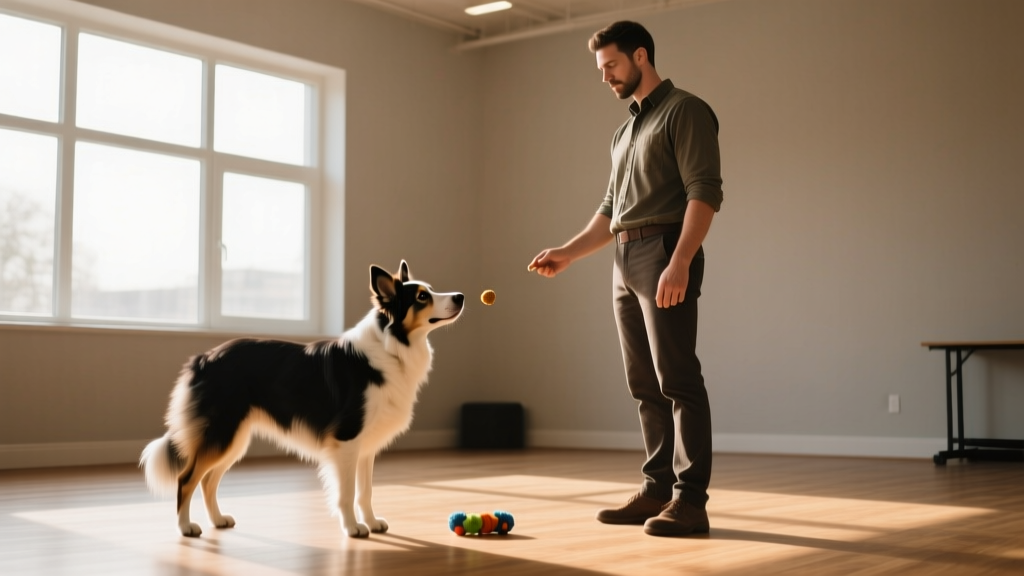
Why Does My Dog Bring Me Toys?
Discover what it means when your dog brings you toys—and how to respond with empathy and clarity.

Why Does My Dog Bring Me Toys?
It’s a familiar scene: You’re sipping coffee, scrolling your phone, or folding laundry—and suddenly, your dog drops a slobbery tennis ball, plush squirrel, or mangled rope toy at your feet. They sit, gaze up expectantly, maybe even nudge it with their nose. This behavior—commonly called "Bring You Toys"—is more than just playfulness. It’s a rich form of canine communication rooted in instinct, relationship, and emotional need.
What Does "Bring You Toys" Actually Mean?
Dogs don’t bring toys for arbitrary reasons. This behavior typically signals one (or more) of the following:
- A request to play — Especially common in puppies and high-energy breeds. Your dog sees you as their favorite play partner and uses the toy as an invitation.
- A desire for attention or connection — Even quiet dogs may offer toys when feeling lonely, anxious, or unsure. It’s their way of saying, “I’m here—and I want you to be present with me.”
- Instinctual sharing — Drawing from ancestral pack behaviors, dogs may bring objects to valued members of their family as a sign of trust and inclusion—akin to how wild canids share food.
- Stress relief or self-soothing — Some dogs carry or present toys during transitions (e.g., before you leave, after loud noises) to manage mild anxiety or regain a sense of control.
- Learned reinforcement — If past toy offerings earned praise, treats, or a game of fetch, your dog has likely associated the behavior with positive outcomes—and will repeat it.
How Should You Respond?
How you react shapes whether this behavior remains joyful, becomes overwhelming, or evolves into something more complex (like resource guarding or attention-seeking escalation). Here’s how to respond thoughtfully:
1. Pause and Observe First
Before reacting, notice your dog’s body language. Are their ears relaxed? Is their tail wagging loosely—or stiffly? Are they bouncing, whining, or holding the toy gently? A calm, open posture suggests play or bonding; tension or fixation may point to stress or overarousal.
2. Match Their Intention—When Appropriate
If your dog is clearly inviting play and you have time and energy, engage meaningfully: toss the toy once or twice, do a quick tug-of-war (with clear release cues), or initiate a short training game like “find it” or “drop it.” Keep it brief and positive—quality matters more than duration.
3. Set Gentle Boundaries When Needed
It’s okay—and often healthy—to say “not right now.” Instead of ignoring or scolding (which can confuse or frustrate), calmly acknowledge your dog (“Thanks for offering!”), then redirect them to a chew toy or puzzle feeder. Consistency helps them learn that not every toy drop leads to play—but all are met with kindness.
4. Reinforce Alternative Behaviors
Teach and reward quieter forms of connection: a soft “touch” (nose to hand), settling on their mat near you, or checking in with eye contact. These give your dog reliable ways to seek attention without relying solely on toy delivery.
5. Rule Out Underlying Needs
If toy-bringing spikes suddenly—or comes with pacing, whining, or clinginess—it may reflect unmet needs: insufficient physical exercise, mental stimulation, or predictable routine. Consider whether your dog is getting enough sniff walks, interactive feeding, or quiet downtime. Sometimes, the toy isn’t the message—the message is, “I need more.”
When to Seek Support
Occasional toy-bringing is normal and heartwarming. But if it becomes obsessive (e.g., dozens of items gathered and presented daily), interferes with rest or eating, or is paired with signs of distress (panting, avoidance, aggression around toys), consult a certified professional—such as a veterinarian or a fear-free certified dog trainer. These patterns may signal anxiety, compulsive tendencies, or medical discomfort.
A Final Thought
Your dog bringing you toys is a small, wet, slightly chaotic act of love and trust. It’s their native language—and when we listen closely, we deepen our bond in ways no command or treat ever could. Respond not just with action, but with understanding. Because behind every dropped squeaky hedgehog is a dog saying, in the only way they know: You matter to me.
Anouk Beaumont
All our authors care for dogs every day — read more of their work on the authors page.