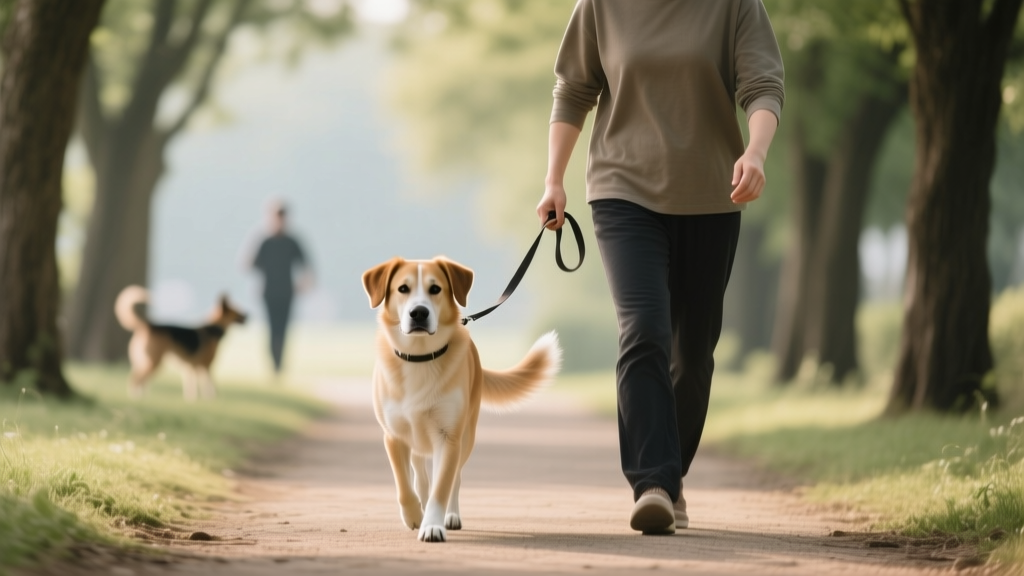
When Does Your Dog Know You're Pregnant? Scent, Behavior &
Learn when your dog knows you're pregnant, how canine senses detect hormonal changes, and what life stage care adjustments to make during your pregnancy journey.

If you've ever wondered when does your dog know you're pregnant, you're not alone. Many expectant parents report their dogs acting differently — clingier, more protective, or even aloof — weeks before a pregnancy test confirms the news. While the science of canine olfaction and pregnancy detection is still evolving, what we do know about dogs' extraordinary sense of smell, their sensitivity to routine changes, and their deep attunement to human emotional states paints a compelling picture. This guide explores the science behind how and when dogs detect pregnancy, then transitions into the practical life stage care you'll need — both for your dog's current life stage and for preparing them to share the home with a new baby.
How Dogs Detect Pregnancy: The Science of Canine Olfaction
Dogs possess approximately 300 million olfactory receptors in their nasal cavities — compared to about 6 million in humans — and the olfactory cortex in a dog's brain is proportionally 40 times larger than ours. This gives dogs the ability to detect volatile organic compounds (VOCs) at concentrations as low as parts per trillion, equivalent to detecting a single drop of liquid in 20 Olympic-sized swimming pools.
During early pregnancy, the human body undergoes dramatic hormonal shifts. Levels of human chorionic gonadotropin (hCG), estrogen, and progesterone rise significantly within the first few weeks after conception. These hormones alter the composition of your sweat, breath, urine, and skin oils — all of which emit VOCs that your dog can detect.
According to research published in the Merck Veterinary Manual, dogs' olfactory capabilities allow them to detect physiological changes in humans ranging from certain cancers to hypoglycemic episodes. While peer-reviewed studies specifically on pregnancy detection by pet dogs remain limited, the mechanism is scientifically sound: hormonal changes alter body chemistry, and dogs can smell those alterations.
What Your Dog Is Actually Smelling
- hCG metabolites in sweat and breath — detectable from approximately week 3
- Elevated progesterone — changes skin oil composition and pheromone output
- Increased blood volume (up to 50% more by week 28) — subtly changes your baseline scent profile
- Cortisol fluctuations — stress and emotional state hormones that shift during early pregnancy
- Changes in diet and digestion — morning sickness and food aversions alter breath and skin VOCs
When Does Your Dog Know You're Pregnant? A Week-by-Week Timeline
While every dog is different, here's what the evidence and veterinary behaviorist observations suggest about the typical detection timeline:
| Pregnancy Week | What's Happening in Your Body | What Your Dog May Detect | Common Dog Behavioral Changes |
|---|---|---|---|
| Weeks 1–3 | Implantation; hCG begins rising | Minimal scent change — unlikely detection | No observable change in most dogs |
| Weeks 3–5 | hCG peaks; estrogen/progesterone surge; morning sickness may begin | Scent profile shifts become detectable | Increased sniffing of owner; mild clinginess; alertness to owner's nausea |
| Weeks 5–12 | Visible body changes begin; fatigue; emotional shifts; routine disruption | Scent + body language + routine cues compound | Protective behavior; following owner room to room; guarding belly area; anxiety in some dogs |
| Weeks 13–28 | Significant physical changes; fetal movement; nesting behaviors begin | Hearing fetal heartbeat possible by week 20+; scent well-established | Resting head near belly; increased alertness to owner's movements; possible regression in training |
| Weeks 29–40 | Full-term changes; Braxton Hicks contractions; labor preparation | Comprehensive multi-sensory detection (scent, sound, movement, owner stress hormones) | Heightened vigilance; whining; refusal to leave owner's side; some dogs become restless |
A 2017 study from the National Institutes of Health confirmed that trained medical detection dogs could identify pregnancy-related biomarkers in urine samples. While your pet dog hasn't undergone formal training, their baseline olfactory sensitivity is similar — they just may not know how to "report" their findings beyond behavioral changes.
Your Dog's Life Stage Matters: Why Age and Breed Size Change the Picture
How your dog responds to your pregnancy — and how well you can manage their adjustment — depends heavily on their current life stage. A high-energy adolescent Labrador will react very differently than a 12-year-old Cavalier King Charles Spaniel. Here's how life stage intersects with pregnancy preparation.
Life Stage Definitions by Breed Size
| Life Stage | Small Breeds (<20 lb / 9 kg) | Medium Breeds (20–50 lb / 9–23 kg) | Large Breeds (50–90 lb / 23–41 kg) | Giant Breeds (>90 lb / 41 kg) |
|---|---|---|---|---|
| Puppy | 0–10 months | 0–12 months | 0–15 months | 0–18–24 months |
| Adolescent | 10–18 months | 12–24 months | 15–30 months | 18–36 months |
| Adult | 18 months – 8 years | 2–8 years | 2.5–7 years | 3–5 years |
| Senior | 8–11 years | 8–10 years | 7–9 years | 5–7 years |
| Geriatric | 11+ years | 10+ years | 9+ years | 7+ years |
These thresholds matter because a senior Great Dane at age 6 faces very different physical limitations than a senior Chihuahua at age 9. When preparing your dog for a new baby, you need to account for their energy level, cognitive function, and physical comfort — all of which are life-stage-dependent.
Physical and Behavioral Changes in Dogs During Your Pregnancy
Just as your body changes during pregnancy, your dog may exhibit shifts in their own physical and behavioral patterns. Understanding these changes helps you distinguish between normal adjustment responses and signs of stress that need intervention.
What to Expect by Life Stage
Adult Dogs (Prime Age):
- Weight: Typically stable; monitor for stress-eating or appetite loss
- Coat: No change expected unless stress-related shedding increases
- Energy: May increase (excitement/anxiety) or decrease (confusion about routine changes)
- Sleep: May become more restless or begin sleeping closer to owner
- Behavior: Increased vigilance, possible resource guarding of owner, regression in loose-leash walking
Senior Dogs:
- Weight: Monitor closely — stress can accelerate muscle loss (sarcopenia) in aging dogs
- Coat: May appear duller if stress impacts appetite and nutrient absorption
- Energy: Already declining; pregnancy-related household chaos may cause fatigue or withdrawal
- Sleep: Senior dogs sleep 14–18 hours/day; disruption to sleep spaces causes significant stress
- Behavior: May become confused, pace at night, vocalize more, or show cognitive dysfunction signs
Adolescent Dogs:
- Weight: Rapid growth phase; ensure nutrition stays on track despite household disruption
- Coat: May be transitioning from puppy to adult coat; stress can delay or disrupt this process
- Energy: Peak energy; if exercise routines drop during pregnancy, expect destructive behavior
- Sleep: Needs 12–14 hours; may resist settling if household energy is anxious
- Behavior: Testing boundaries; may regress in house training; increased jumping and mouthing
Preparing Your Dog for a New Baby: Nutrition, Exercise & Training
The nine months of pregnancy give you a structured window to adjust your dog's care routines. Here's how to modify diet, exercise, and training based on your dog's current life stage.
Nutritional Adjustments During the Transition
| Life Stage | Current Diet Focus | Pregnancy Transition Adjustments | Recommended Food Type | Daily Calorie Range (approx.) |
|---|---|---|---|---|
| Adolescent | Growth formula; high protein (28–32%) | Maintain growth diet; add puzzle feeders for mental stimulation as walk durations may decrease | AAFCO growth/all-life-stages kibble | Varies by breed: 400–1,800 kcal |
| Adult | Maintenance formula; balanced macros | Monitor weight weekly; reduce calories by 5–10% if exercise drops; add L-theanine supplement for anxiety support | AAFCO adult maintenance; consider limited-ingredient if stress causes GI upset | 30–40 kcal/lb (66–88 kcal/kg) ideal body weight |
| Senior | Senior formula; joint support; lower calorie | Add omega-3 fatty acids (EPA/DHA 75–100 mg/kg); consider cognitive support supplements (MCT oil, phosphatidylserine); ensure easy bowl access | Veterinary-formulated senior diet with joint and cognitive support | 25–35 kcal/lb (55–77 kcal/kg) ideal body weight |
Always consult your veterinarian before making significant dietary changes, especially for senior dogs with comorbidities like kidney disease or diabetes.
Exercise Modifications for Each Life Stage
As your pregnancy progresses, your ability to walk and exercise your dog will change. Plan ahead with these modifications:
First Trimester (Weeks 1–12):
- Maintain current exercise routines — consistency is critical for your dog's stability
- If fatigue or nausea limits you, hire a dog walker ($15–$25 per 30-minute walk) or swap walks with a neighbor
- Adolescent dogs need minimum 60–90 minutes of combined physical and mental exercise daily
- Adult dogs: 30–60 minutes depending on breed energy level
- Senior dogs: 15–30 minutes of gentle walking, split into 2–3 shorter sessions
Second Trimester (Weeks 13–28):
- Begin training your dog to walk on a loose leash beside a stroller (use positive reinforcement — reward for position at your left hip)
- Introduce "place" command: teach your dog to go to a designated mat/bed and settle (critical for post-baby management)
- Senior dogs: begin introducing ramps for car access and furniture if not already in place
- Enroll adolescent dogs in group training classes for socialization outlet you can supervise without physical exertion
Third Trimester (Weeks 29–40):
- Transition primary walking duties to partner, family member, or professional walker
- Increase mental enrichment: snuffle mats, frozen Kongs, lick mats, scent work games
- Senior dogs: reduce walk distance by 25–30%; compensate with gentle indoor mobility exercises
- Practice "go to your place" with baby crying sounds playing in background (start at low volume, gradually increase over weeks)
Health Screening: What to Check Before Baby Arrives
The pregnancy window is an ideal time to ensure your dog's preventive health is current. A sick or uncomfortable dog is more likely to display unpredictable behavior around a newborn.
| Screening Item | Adolescent Dogs | Adult Dogs | Senior Dogs | Estimated Cost |
|---|---|---|---|---|
| Annual wellness exam | ✓ Every 6 months | ✓ Annually | ✓ Every 6 months | $60–$150 |
| Core vaccines (DHPP, rabies) | ✓ Complete puppy series + 1-year booster | ✓ 3-year boosters or titers test | ✓ Titers test preferred to reduce immune load | $25–$75 per vaccine; titers $50–$100 |
| Heartworm test | ✓ Annual from 7 months | ✓ Annual | ✓ Annual | $35–$65 |
| Fecal parasite screen | ✓ Every 6 months | ✓ Annual | ✓ Every 6 months | $30–$55 |
| Dental assessment | ✓ Baseline check | ✓ Annual; cleaning if grade 2+ tartar | ✓ Every 6 months; dental disease common | Cleaning $300–$800 (anesthesia included) |
| Senior blood panel (CBC, chemistry, thyroid) | ✗ Not needed | ✓ Baseline at age 7 | ✓ Every 6 months | $120–$250 |
| Urinalysis | ✗ Not needed | ✓ Annual from age 7 | ✓ Every 6 months | $35–$75 |
| Pain/orthopedic assessment | ✗ Unless injury | ✓ Breed-specific (hip/elbow for large breeds) | ✓ Every visit; OA management plan | X-rays $200–$450 |
Common Health Problems by Life Stage (Early Warning Signs)
Adolescent Dogs:
- Allergies (atopic dermatitis): Excessive paw licking, ear infections, hot spots — onset typically 6 months to 3 years
- Hip/elbow dysplasia: Bunny-hopping gait, reluctance to jump, stiffness after exercise — screen large breeds by 24 months
- Behavioral reactivity: Leash reactivity, fear periods — address with certified force-free trainer before baby arrives
Adult Dogs:
- Dental disease: Bad breath, red gums, dropping food — affects 80% of dogs by age 3
- Obesity: Body condition score above 5/9 — exacerbates joint stress and reduces lifespan by up to 2.5 years
- Anxiety disorders: Separation anxiety may intensify as your routine changes during pregnancy
Senior Dogs:
- Osteoarthritis: Stiffness after rest, difficulty with stairs, reluctance to rise — affects approximately 20% of adult dogs and over 65% of dogs over 8 years
- Canine cognitive dysfunction (CCD): Disorientation, night waking, house soiling, staring at walls — affects 28% of dogs aged 11–12 and 68% of dogs aged 15–16
- Kidney disease: Increased thirst, increased urination, weight loss, decreased appetite
- Hypothyroidism: Weight gain without increased food intake, lethargy, hair thinning, seeking warm spots
Home Environment Adjustments: Setting Up for Baby and Dog Success
Modifying your home environment during pregnancy serves dual purposes: supporting your dog's current life stage needs and preparing the space for a newborn. Here's a room-by-room guide.
Nursery Preparation
- Install baby gates 8–12 weeks before due date — allow your dog to see and smell the nursery but establish boundaries using positive reinforcement (treats for calm behavior near gate)
- Introduce nursery scents gradually: baby lotion, diaper cream, baby powder — let your dog sniff items with treats paired to create positive associations
- Set up white noise machine ($20–$45) in nursery — helps mask crying sounds that may stress your dog, especially seniors with noise sensitivity
Living Spaces
- Orthopedic bed for senior dogs: memory foam beds ($60–$180) with removable, washable covers — place in a quiet corner away from nursery traffic
- Ramps and steps: Foam pet stairs ($30–$70) for furniture access if your senior or small-breed dog can no longer jump; ramp for car/suv loading ($40–$120)
- Non-slip rugs: Place over hardwood/tile in high-traffic areas — senior dogs with arthritis or weakness are at high fall risk ($15–$40 per rug)
- Elevated food bowls: For large senior dogs ($25–$60 adjustable stands) to reduce neck strain during meals
Temperature and Comfort
- Senior dogs have reduced thermoregulation — maintain ambient temperature 68–72°F (20–22°C)
- Provide cooling mat ($25–$50) in summer for brachycephalic breeds and thick-coated seniors
- Heated pet bed ($35–$65) for thin-coated seniors and small breeds in winter — ensure auto-shutoff feature for safety
Safe Spaces
- Designate a "retreat space" — a crate, pen, or quiet room where your dog can voluntarily withdraw when overwhelmed
- Cover crate with breathable blanket to create den-like environment
- Place safe space away from nursery but within family activity range — dogs should not feel banished
Veterinary Visit Frequency and What to Discuss
Your pregnancy is an excellent time to establish a more proactive veterinary relationship. Here's the recommended visit schedule and key discussion points:
Visit Frequency by Life Stage:
- Adolescent dogs: Every 6 months for wellness; additional visits for spay/neuter (if not yet done, schedule during your second trimester so recovery is complete before baby arrives — typical cost $200–$600)
- Adult dogs: Annual wellness exam; schedule one visit during your second trimester to discuss baby prep, behavior concerns, and preventive care updates
- Senior dogs: Every 6 months minimum; consider a dedicated "quality of life" consultation during your third trimester to establish baseline pain scores and mobility assessments
Key Discussion Points for Your Vet Visit:
- Behavioral changes you've observed since pregnancy began
- Updated parasite prevention protocol (some topical preventives are safer than others around infants)
- Pain management plan for senior dogs (NSAIDs, gabapentin, or joint supplements like Dasuquin Advanced at $55–$85 for 60-count)
- Anxiety management options: Adaptil pheromone diffusers ($25–$35 for starter kit), Solliquin supplement ($30–$45), or prescription options like fluoxetine if behavioral modification alone is insufficient
- Emergency plan: who will transport your dog to the vet if you go into labor unexpectedly?
When Is Your Dog Considered a Senior? And How to Know If They're Suffering
Understanding when your dog enters their senior years is essential for providing appropriate care — especially when a new baby will demand much of your attention.
When Is My Dog Considered a Senior?
As outlined in the life stage table above, senior status depends on breed size. Giant breeds like Great Danes and Saint Bernards may show senior signs as early as 5–6 years, while small breeds like Toy Poodles and Chihuahuas may not enter seniorhood until 8–10 years. Mixed breeds generally follow the size category of their dominant breed lineage, though hybrid vigor may slightly delay age-related decline.
Physical markers of senior transition include:
- Graying around muzzle and eyebrows
- Decreased activity tolerance (shorter walks, more rest breaks)
- Increased sleep duration (14–18 hours vs. 12–14 for adults)
- Cloudy eyes (lenticular sclerosis — benign, but distinguish from cataracts at vet visit)
- Mild stiffness after rising that improves with movement
- Decreased hearing response to commands
Quality of Life Assessment for Senior Dogs
This is perhaps the most emotionally challenging aspect of dog ownership — and it becomes even more complex when a new baby enters the family. Use the HHHHHMM Scale (developed by veterinarian Dr. Alice Villalobos) to objectively assess your senior dog's quality of life:
| Category | What to Assess | Score (1–10) | Red Flags |
|---|---|---|---|
| Hurt | Pain management — is pain adequately controlled? | ___/10 | Panting at rest, trembling, vocalizing when touched, refusing to move |
| Hunger | Is your dog eating enough? Hand-feeding needed? | ___/10 | Refusing food for 24+ hours, significant weight loss |
| Hydration | Drinking adequate water? Skin tent test normal? | ___/10 | Dry gums, sunken eyes, skin tenting >2 seconds |
| Hygiene | Can they keep themselves clean? Eliminating properly? | ___/10 | Sitting in soiled bedding, urine scalding, matted coat |
| Happiness | Shows interest in family, toys, walks? Tail wags? | ___/10 | Withdrawal, hiding, no response to favorite activities |
| Mobility | Can they rise, walk, navigate stairs without assistance? | ___/10 | Unable to stand without help, dragging limbs, frequent falls |
| More good days than bad | Track daily — are good days outnumbering bad? | ___/10 | 3+ consecutive bad days; bad days exceeding good days |
The Emotional Side: Managing Guilt, Grief, and Transition
One aspect rarely discussed in pregnancy-and-dog articles is the emotional toll on the owner. You may feel guilty that you can't walk your dog as much. You may worry your senior dog will pass away before meeting your baby — or that they'll be jealous of the new arrival. You may grieve the loss of your pre-pregnancy routine with your dog.
These feelings are normal and valid. Here are practical strategies:
- Schedule one-on-one time with your dog daily, even if it's just 10 minutes of gentle grooming or quiet sitting together
- Document your relationship — take photos and videos of your dog with your pregnant belly, write down their quirks and favorite things
- Build your dog's support network now: identify a trusted friend, neighbor, or pet sitter who can care for your dog during hospital stays and the chaotic first weeks postpartum
- Consider professional support: a certified dog behavior consultant (CDBC or CPDT-KA certified, $75–$150 per session) can help address specific concerns about dog-baby introductions
- Accept imperfection: your dog doesn't need a perfect routine — they need a predictable one. Even a simplified schedule with consistent feeding times, a daily walk, and evening cuddle time provides security
Frequently Asked Questions
Can my dog hear my baby's heartbeat?
Possibly. A fetal heartbeat becomes audible with a stethoscope around weeks 18–20 of human pregnancy. Given that dogs can hear frequencies from 47 to 65,000 Hz (compared to human range of 20–20,000 Hz) and can detect sounds at four times the distance humans can, it's plausible that a dog resting its head against your belly could hear a fetal heartbeat from approximately week 20 onward. However, no peer-reviewed study has confirmed this specifically.
My dog is acting jealous of my pregnancy — is that normal?
What appears as "jealousy" is typically a stress response to routine disruption. Dogs don't experience jealousy in the complex human sense, but they do notice when their owner's attention, scent, schedule, and emotional state change. Increased clinginess, attention-seeking, and even mild resource guarding of the owner are common. Address these with positive reinforcement — reward calm, independent behavior rather than pushing your dog away (which increases anxiety).
Should I rehome my senior dog before the baby arrives?
Rehoming should be an absolute last resort, considered only if your dog poses a genuine safety risk or is suffering from a quality-of-life perspective. Most senior dogs adapt well to babies — their lower energy actually makes them less likely to accidentally harm an infant than a bouncy adolescent dog. However, if your senior dog shows signs of cognitive dysfunction (disorientation, unpredictable aggression, severe anxiety), consult a veterinary behaviorist before making any decisions.
How do I introduce my dog to the baby when we come home from the hospital?
Before coming home, have your partner bring a worn baby blanket or hat home for your dog to sniff (paired with high-value treats). When you arrive, have someone else hold the baby while you greet your dog first — this prevents your dog from associating the baby with being ignored. Then, with your dog on leash and calm, allow them to sniff the baby's feet from a safe distance. Reward calm behavior. Keep initial interactions brief (30–60 seconds) and always supervise. Never force proximity.
How should I care for my senior dog while managing a newborn?
Prioritize three things: consistent feeding schedule, daily low-impact exercise (even a 10-minute garden sniff session counts), and pain management. Pre-portion meals on Sunday for the week. Use automatic feeders ($40–$80) if sleep deprivation makes you forget meal times. Enlist help for walks. Keep senior vet appointments — don't skip them because life is busy. Your dog's comfort depends on your proactive management.
When should I see the vet more frequently during my pregnancy?
If your dog is a senior (7+ years for large breeds, 8+ for medium, 10+ for small), maintain 6-month wellness visits throughout your pregnancy. See the vet sooner if you notice any acute behavioral changes — sudden aggression, house soiling in a previously house-trained dog, or signs of pain. These could indicate an underlying medical issue that, untreated, could create safety concerns around your newborn.
Is it safe for my pregnant self to handle dog waste and medications?
Yes, with precautions. Dog feces can carry zoonotic parasites like Toxocara canis (roundworm) — always wear gloves or use a bag, and wash hands thoroughly. Avoid handling your dog's chemotherapy drugs or certain topical flea/tick products if they contain chemicals you'd prefer to limit exposure to during pregnancy. Ask your vet about switching to oral preventives (like Simparica Trio or Credelio) during pregnancy to reduce topical chemical contact.
Priya Sutaria
All our authors care for dogs every day — read more of their work on the authors page.