Understanding Dog Tail Language: A Beginner's Handbook
Learn to read your dog's tail language with this beginner's handbook. Discover what wags, tucks, and stiff tails really mean about canine emotions.

Dog tail language is a complex visual communication system where tail height, wag speed, and directional bias indicate a canine's emotional state. Contrary to popular belief, a wagging tail does not always mean a happy dog; it simply indicates arousal or willingness to interact. This handbook is designed for new dog owners, professional trainers, and dedicated pet parents seeking to decode canine body language and prevent behavioral misunderstandings. By observing the tail in conjunction with ear position and posture, you can accurately assess your dog's comfort level in any environment.
- A wagging tail indicates arousal, not always happiness.
- Tail height signals confidence (high) or fear (low).
- Right-sided wags correlate with positive emotions, while left-sided wags indicate stress.
- Always read the tail in context with the rest of the dog's body language.
The Science Behind Dog Tail Language
Canine Caudal Communication is the scientific term for dog tail language. It encompasses both involuntary and voluntary movements of the caudal vertebrae used to signal emotional states, establish social rank, and convey intentions to other animals and humans across various social contexts.
The canine tail contains between 5 and 23 caudal vertebrae, depending on the specific breed genetics. These vertebrae are controlled by a complex network of muscles and nerves that connect directly to the brain's limbic system, which processes emotions. According to 2026 behavioral guidelines published by the American Kennel Club, understanding these neurological connections is vital for preventing bites and reducing canine anxiety.
Anatomy and Baseline Behavior
Before interpreting signals, you must establish your dog's baseline. The average tail length is 15 inches, but breeds like Pugs have naturally curled tails, while Greyhounds have long, whip-like tails. A baseline is the neutral resting position of the tail when the dog is calm and unstimulated. Deviations from this baseline provide the actual data needed to interpret their current emotional state.
Decoding Tail Positions
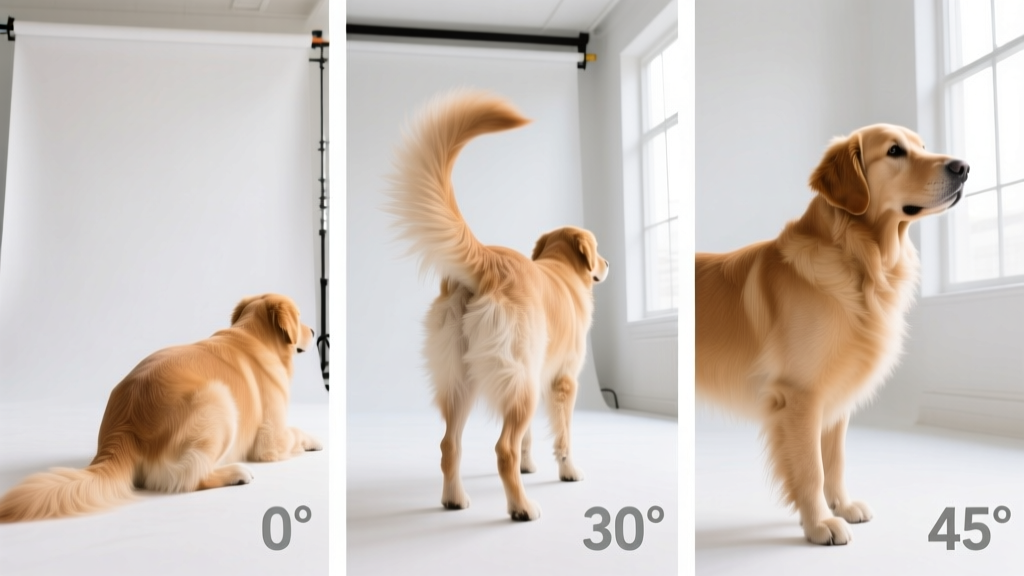
Vertical tail placement is the most immediate indicator of a dog's social confidence and arousal level. The higher the tail, the more assertive the dog is feeling.
| Tail Position | Angle | Emotional State | Action Required |
|---|---|---|---|
| Tucked | 180 degrees (under) | Fear, Submission | Give space, remove stressor |
| Neutral | 0 degrees (spine level) | Relaxed, Content | Normal interaction |
| High | 45 to 90 degrees | Alertness, Dominance | Monitor closely, do not approach |
High and Stiff
When a dog holds its tail at a 45-degree to 90-degree angle, it signals alertness or potential aggression. The muscles at the base are tense, and the tail may vibrate slightly. This posture makes the dog appear larger to perceived threats.
Neutral and Relaxed
A neutral tail rests at the natural extension of the spine. This indicates a calm baseline state. The dog is comfortable in its environment and is not actively processing a social threat or high-level excitement.
Tucked and Low
A tail tucked tightly against the abdomen signifies extreme fear or anxiety. The Humane Society of the United States notes that this posture is a defensive mechanism attempting to make the dog appear smaller and protect vital organs during perceived danger.
Understanding Wag Speed and Direction
Directional Tail Asymmetry is a neurological phenomenon in dog tail language where the brain's left hemisphere controls right-sided tail wags during positive emotions, while the right hemisphere controls left-sided wags during negative, anxious, or highly stressful environmental experiences and social encounters.
The Right-Side Bias
Researchers measuring wag bias in domestic dogs found that right-biased wags correlate with a heart rate decrease of 12 beats per minute. When a dog wags predominantly to the right, they are experiencing positive emotions like joy or recognition. Conversely, a left-biased wag indicates anxiety, uncertainty, or a desire to retreat. Observing this asymmetry requires watching the dog from behind for at least 3 seconds to confirm the directional bias.
Frequently Asked Questions
What does a wagging tail mean in dog tail language?
A wagging tail simply indicates that the dog is aroused and willing to interact. It does not automatically mean the dog is friendly. A slow, stiff wag at a high angle can indicate a warning, while a broad, sweeping wag at a neutral level indicates genuine happiness.
Why do dogs tuck their tails between their legs?
Dogs tuck their tails to signal submission, fear, or severe anxiety. This behavior releases appeasement pheromones from the anal glands while simultaneously hiding the dog's scent and making their physical profile smaller to avoid triggering a predator or aggressive conspecific.
How can I read a dog tail positions chart accurately?
To read a chart accurately, you must first identify the dog's breed-specific neutral baseline. A Husky's natural resting tail is often curled over the back, which would incorrectly signal high arousal in a Labrador. Always adjust chart interpretations based on the individual dog's anatomical baseline.
Conclusion and Next Steps
Mastering dog tail language transforms how you interact with your pet, replacing guesswork with precise behavioral data. By analyzing height, speed, and direction, you can accurately read your dog's emotional landscape and intervene before stress escalates. To apply this knowledge, spend 5 minutes today observing your dog's baseline tail position while they rest in a familiar room. Record this neutral state in a journal to accurately measure deviations during future stressful or exciting encounters.
robin-maitland
All our authors care for dogs every day — read more of their work on the authors page.