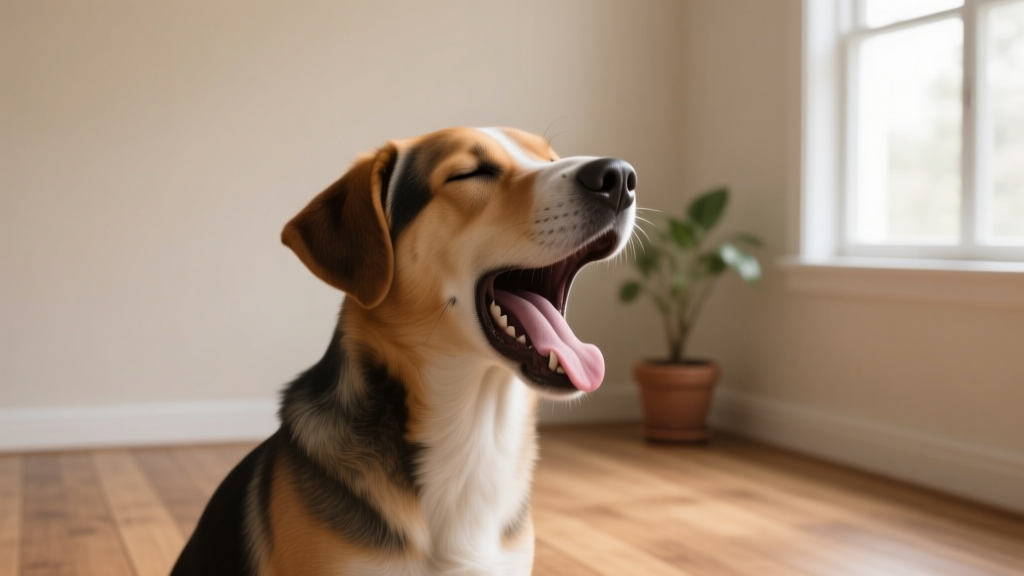
How to Stop Your Dog From Jumping on People: A Complete Training Guide
Learn how to stop your dog from jumping on people with a proven, force-free training protocol.

Why Dogs Jump on People: Understanding the Behavior
Jumping becomes a behavior problem when your dog repeatedly launches their front paws onto a person's body (legs, torso, or face) during greetings or excitement. The threshold for concern:
- Frequency: More than 2-3 times per greeting encounter
- Intensity: Enough force to scratch, knock over children or elderly visitors, or soil clothing
- Persistence: Continues despite consistent correction attempts over 2+ weeks
- Context: Occurs with strangers, not just familiar family members
Jumping is a natural canine greeting behavior rooted in their social structure. In dog-to-dog interactions, jumping and face-licking are normal greeting rituals. When dogs jump on humans, they're attempting to reach our faces for social interaction—a behavior that often starts in puppyhood when it's "cute" but becomes problematic as dogs grow.
Root Cause Analysis: Why Your Dog Jumps
Primary Drivers (Most Common):
- Excitement/Overstimulation (60-70% of cases): Dogs lack impulse control during high-arousal greetings. Heart rate spikes, cortisol releases, and jumping becomes an outlet for pent-up energy.
- Learned Behavior (20-25% of cases): Jumping was accidentally reinforced—people petted the dog, gave attention, or even pushed them away (which dogs interpret as engagement).
- Anxiety-Based Greeting (10-15% of cases): Dogs jump as a displacement behavior when unsure how to greet. Common in rescue dogs with uncertain socialization histories.
Secondary Contributors:
- Insufficient exercise: Dogs with unmet physical/mental needs have lower impulse control thresholds
- Inconsistent household rules: Some family members allow jumping while others don't
- Breed predisposition: High-energy breeds (Labradors, Boxers, German Shepherds) show higher jumping prevalence
Understanding your dog's specific motivation is crucial. An excited jumper needs impulse control training; an anxious jumper needs confidence-building and desensitization. Treating the wrong root cause leads to frustration and slower progress.
Medical Rule-Out: When to See Your Vet First
- Sudden onset: Jumping behavior appeared abruptly in a previously calm adult dog (could indicate pain, cognitive changes, or thyroid dysfunction)
- Pain indicators: Dog yelps, limps, or shows stiffness when jumping or being touched
- Hyperthyroidism symptoms: Weight loss despite increased appetite, restlessness, excessive thirst—common in middle-aged to senior dogs
- Neurological signs: Disorientation, circling, or inability to settle could indicate cognitive dysfunction or other neurological conditions
- Medication side effects: Some medications (steroids, certain anti-anxiety drugs) can increase hyperactivity
According to the Merck Veterinary Manual, behavioral changes in adult dogs warrant medical evaluation before assuming the issue is purely behavioral. Thyroid imbalances, for example, can cause hyperactivity and poor impulse control that no amount of training will fix without medical intervention.
Immediate Management: Preventing Rehearsal While Training
Every time your dog successfully jumps on someone, the behavior is reinforced. Management prevents rehearsal while you work on long-term training solutions.
Environmental Management Strategies
The Leash Protocol: Keep your dog on a 6-foot leash during greeting situations. This gives you physical control without needing to grab their collar (which can increase excitement or trigger defensive behavior).
Pre-Greeting Setup:
- Before guests arrive, leash your dog and have high-value treats ready (small pieces of chicken, cheese, or commercial treats like Zuke's Mini Naturals)
- Ask your dog to sit 8-10 feet from the door
- When guests enter, immediately toss treats on the floor away from them—this redirects your dog's focus downward
- Only allow greeting when all four paws are on the ground for 5+ seconds
Barrier Management: Use baby gates or exercise pens to separate your dog from guests until they're calm. This is especially useful for dogs who jump on children or elderly visitors who may be knocked over.
Guest Instructions: Brief visitors before they enter: "Please ignore my dog completely until they're sitting calmly. No eye contact, no talking to them, no touching until I give the okay." Most jumping is reinforced by well-meaning guests who push the dog away or say "it's okay" while petting them.
Step-by-Step Training Protocol
Phase 1: Foundation Training (Weeks 1-2)
Goal: Build impulse control in low-distraction environments
Exercise 1: The Sit-to-Greet
- Stand 3 feet from your dog with treats in hand
- Wait for your dog to sit voluntarily (don't cue it yet)
- Mark the behavior with "yes!" and deliver treat at chest level (not overhead, which encourages jumping)
- Take one step toward your dog; if they remain seated, mark and reward again
- If they stand or jump, immediately step back and reset
- Practice 10-15 repetitions, twice daily
Exercise 2: The Four-on-the-Floor Game
- Attach a leash and stand in a quiet room
- Wait for all four paws on the ground
- Mark and reward every 3-5 seconds of calm standing/sitting
- Gradually increase the duration between rewards (5 seconds, then 10, then 15)
- If your dog jumps, turn your back and wait for four-on-the-floor before turning around
Phase 2: Adding Distractions (Weeks 3-4)
Goal: Generalize the behavior to more exciting situations
Exercise 3: Controlled Greetings with Family Members
- Have a family member stand 10 feet away
- Ask your dog to sit on leash
- Family member takes one step closer; if dog remains seated, mark and reward
- If dog breaks sit or jumps, family member steps back immediately
- Gradually decrease distance until family member is 2 feet away
- Only allow physical greeting (petting) when dog has maintained sit for 10+ seconds
Exercise 4: Doorbell Desensitization
- Record your doorbell sound on your phone
- Play the recording at low volume while your dog is relaxed
- Treat generously for calm behavior
- Gradually increase volume over multiple sessions
- Once your dog remains calm at full volume, practice the sit-to-greet protocol with the actual doorbell
Phase 3: Real-World Application (Weeks 5-8)
Goal: Proof the behavior with actual guests and outdoor encounters
Exercise 5: Guest Greetings
- Brief guests on the protocol before they arrive
- Have dog on leash, sitting 8-10 feet from door
- Guest enters; immediately toss treats on floor away from guest
- Once dog has eaten treats and is calm, cue "sit"
- Guest approaches slowly; if dog remains seated for 5 seconds, guest may offer calm petting at chest level (not over the head)
- If dog jumps, guest immediately steps back and you reset with leash
Exercise 6: Outdoor Greetings on Walks
- When someone approaches, ask your dog to sit 6 feet away
- Use high-value treats to maintain focus on you
- Only allow greeting if the person asks and your dog remains seated
- If your dog jumps, calmly walk away and try again later
Counter-Conditioning for Anxious Jumpers
If your dog jumps from anxiety rather than excitement, add this protocol:
- Identify your dog's anxiety threshold (the distance at which they become tense)
- At that distance, pair the presence of strangers with high-value treats
- Gradually decrease distance over multiple sessions, always keeping your dog under threshold
- Goal: Change the emotional response from "strangers = anxiety" to "strangers = good things happen"
This process, called systematic desensitization and counter-conditioning, typically takes 8-12 weeks for moderate anxiety cases. According to The American Veterinary Society of Animal Behavior, positive reinforcement-based methods are more effective and create fewer side effects than punishment-based approaches.
Training Tools: What Helps and What to Avoid
| Tool Type | Specific Products | How It Helps | When to Use |
|---|---|---|---|
| Front-clip harness | Freedom No-Pull Harness, Easy Walk Harness | Provides control without neck pressure; reduces pulling/jumping force | During greeting training sessions, especially with strong dogs |
| 6-foot leash | Mendota Slip Lead, Ruffwear Knot-a-Leash | Gives you physical control while allowing freedom of movement | All greeting training sessions |
| High-value treats | Zuke's Mini Naturals, Stewart Freeze-Dried Liver, small cheese pieces | Maintains focus and reinforces desired behavior | >Every training session; use pea-sized pieces to avoid overfeeding|
| Treat pouch | Starmark Treat Pouch, Doggone Good Training Pouch | Quick treat access for precise timing | All training sessions |
| Puzzle feeders | Kong Classic, Outward Hound Nina Ottosson puzzles | Provides mental stimulation, reduces overall arousal levels | 30-60 minutes before guests arrive to lower excitement threshold |
| Calming aids | Adaptil pheromone diffuser, ThunderShirt | Reduces baseline anxiety in stress-based jumpers | For anxious jumpers; use consistently, not just during greetings |
Tools to Avoid
- Shock collars/e-collars: Create fear and can increase aggression; damage the human-dog bond
- Prong/pinch collars: Cause pain and can lead to redirected aggression toward guests
- Alpha rolls/dominance techniques: Based on debunked wolf pack theory; increase anxiety and aggression
- Knee-to-chest method: Can injure your dog and teaches them to fear greetings
- Spraying with water: May suppress behavior temporarily but doesn't teach alternative behavior; can create fear of spray bottles or water
According to a 2020 study published in the Journal of Veterinary Behavior, dogs trained with aversive methods showed higher stress indicators and were more likely to develop aggression problems compared to dogs trained with positive reinforcement.
Realistic Timeline: What Progress Looks Like
Typical Progress Milestones
Week 1-2: Dog shows improved impulse control in low-distraction home training. May still jump on guests but responds to redirection within 5-10 seconds.
Week 3-4: Consistent four-on-the-floor behavior with familiar family members. Jumping on guests decreases by 50-60% with proper management.
Week 5-8: Reliable sit-to-greet with most guests when on leash. Off-leash greetings still require management and may show setbacks.
Week 9-12: Consistent behavior with guests both on and off leash in home environment. Outdoor greetings still require practice.
Month 4-6: Behavior generalizes to most situations. Occasional setbacks may occur with highly exciting visitors (children, people with other dogs).
Important Variables Affecting Timeline:
- Dog's age: Puppies learn faster (4-8 weeks) but have less impulse control; adult dogs may take 8-16 weeks
- History of reinforcement: Dogs who have been jumping successfully for years take longer to retrain
- Consistency: Households where everyone follows the protocol see results 2-3x faster
- Exercise levels: Dogs receiving adequate physical and mental exercise show faster progress
- Breed factors: High-energy breeds may always need management in exciting situations
When to Hire a Professional
- You've followed the protocol consistently for 6-8 weeks with no improvement
- Your dog shows aggression (growling, snapping, biting) when jumping or being corrected
- Jumping is accompanied by other problem behaviors (resource guarding, leash reactivity, separation anxiety)
- Your dog weighs 50+ pounds and jumping poses injury risk to children or elderly visitors
- You feel frustrated, overwhelmed, or are considering rehoming your dog
Choosing the Right Professional
Certified Dog Behavior Consultant (CDBC) or Certified Applied Animal Behaviorist (CAAB): Best for complex cases involving anxiety, aggression, or multiple behavior problems. These professionals have advanced training in behavior modification and can create customized treatment plans. Cost: $150-300/hour for private sessions.
Certified Professional Dog Trainer (CPDT-KA or CPDT-KSA): Appropriate for straightforward jumping problems when you need hands-on guidance with training techniques. Cost: $75-150/hour for private sessions, $200-400 for 6-week group classes.
Veterinary Behaviorist (DACVB): Board-certified veterinarians specializing in behavior. Necessary if medication might be helpful (anxiety medications, SSRIs) or if medical conditions are contributing to the behavior. Cost: $300-500 for initial consultation, typically requires referral from your primary veterinarian.
Find certified professionals through:
- International Association of Animal Behavior Consultants (IAABC)
- Certification Council for Professional Dog Trainers (CCPDT)
- American College of Veterinary Behaviorists (ACVB)
Prevention: Setting Up Puppies and New Dogs for Success
For Puppies (8 weeks - 6 months)
The Four-on-the-Floor Foundation: From day one, only give attention when your puppy has all four paws on the ground. This includes:
- Greeting them in the morning
- Coming home from work
- When they approach you for attention
- During play sessions
Socialization Protocol: Expose your puppy to diverse people (different ages, sizes, clothing, mobility aids) during the critical socialization window (8-16 weeks). Teach every person they meet to only pet them when sitting calmly.
Impulse Control Games: Start training "wait" for meals, "sit" before door opening, and "leave it" for dropped items. These build the neural pathways for impulse control that prevent jumping.
For Newly Adopted Adult Dogs
The Decompression Period: Give your new dog 2-4 weeks to settle before expecting perfect manners. During this time:
- Use management (leashes, baby gates) to prevent jumping
- Focus on building trust and bonding rather than intensive training
- Learn your dog's triggers and baseline arousal levels
Gradual Introduction to Training: After decompression, start with Phase 1 foundation exercises. Adult rescue dogs may have unknown reinforcement histories, so be patient and consistent.
Long-Term Maintenance
Even after your dog has mastered polite greetings, occasional "booster sessions" help maintain the behavior:
- Practice sit-to-greet with family members weekly
- Continue rewarding calm behavior around guests, even if intermittently
- Manage high-excitement situations (holiday gatherings, parties) with leashes or barriers
- Ensure your dog receives adequate daily exercise (30-60 minutes for most breeds) and mental stimulation
Frequently Asked Questions
Is jumping on people normal dog behavior?
Yes, jumping is a natural canine greeting behavior. Dogs jump to reach faces for social interaction, similar to how they greet other dogs. However, "normal" doesn't mean "acceptable" in human society. With consistent training, most dogs can learn to greet politely with four paws on the ground.
How long will it take to stop my dog from jumping?
Most dogs show significant improvement within 4-8 weeks of consistent training. Complete reliability in all situations typically takes 3-6 months. Puppies may learn faster but have less impulse control; adult dogs with long reinforcement histories may take longer. Progress depends on consistency, exercise levels, and individual temperament.
Should I use punishment to correct jumping?
No. Punishment-based methods (shock collars, knee-to-chest, alpha rolls) suppress behavior temporarily but don't teach what you want instead. They can create fear, anxiety, and even aggression. Positive reinforcement methods—rewarding four-on-the-floor and sit-to-greet behaviors—are more effective long-term and strengthen your relationship with your dog.
What if my dog only jumps on certain people?
This usually indicates those specific people are inadvertently reinforcing the behavior (petting the dog while they jump, using high-pitched excited voices, or pushing them away which the dog interprets as play). Brief these people on your greeting protocol: ignore the dog completely until all four paws are on the ground, then reward calm behavior.
My dog jumps on me when I come home. How do I stop this?
Coming-home greetings are high-arousal situations. Try this: Enter your home calmly, ignore your dog for the first 2-3 minutes while you put down your things. Once they've settled, call them to you and ask for a sit before giving calm attention. If they jump, turn your back and wait for four-on-the-floor before turning around again.
Can I train an older dog to stop jumping?
Absolutely. While puppies may learn faster, adult dogs can absolutely learn new greeting behaviors. The key is consistency and patience. Older dogs may have years of reinforcement history, so expect the process to take 8-16 weeks rather than 4-8 weeks. The training protocol remains the same regardless of age.
My dog jumps on my kids. Is this dangerous?
Yes, jumping can knock over small children and cause injuries from scratches or falls. Until your dog has completed training, use management: keep your dog on leash during interactions with children, use baby gates to separate them when unsupervised, and teach children to turn their backs and cross their arms when the dog jumps. Always supervise dog-child interactions.
Will getting my dog more exercise help with jumping?
Often, yes. Many dogs jump because they have excess energy and poor impulse control. Ensure your dog gets breed-appropriate exercise (30-60 minutes daily for most breeds, more for high-energy breeds) and mental stimulation (puzzle toys, training sessions, sniff walks). A tired dog has better impulse control. However, exercise alone won't fix jumping—you still need to train the specific greeting behavior.
Remember: Jumping is a solvable behavior problem, but it requires consistency, patience, and the right approach. By understanding why your dog jumps, managing the environment to prevent rehearsal, and following a structured positive reinforcement training protocol, you can teach your dog to greet people politely. If you're struggling despite consistent effort, don't hesitate to seek help from a certified professional—investing in expert guidance often saves time and frustration in the long run.
Aaron Whyte
All our authors care for dogs every day — read more of their work on the authors page.