How to Prevent Dog From Licking Paws: A Complete Behavior & Health Guide
Learn how to prevent dog from licking paws with vet-backed root cause analysis, step-by-step training protocols, medical rule-outs, and realistic timelines.

Paw licking is one of the most common — and most misunderstood — behaviors dog owners deal with. A quick lick after a muddy walk is normal grooming. But when your dog spends 20, 30, or even 60+ minutes a day obsessively chewing at their feet, you're looking at a problem that can spiral into hot spots, secondary infections, and chronic pain if left unaddressed.
This guide walks you through exactly how to prevent dog from licking paws, whether the root cause is medical, behavioral, or — as is often the case — a combination of both. We'll cover diagnostic steps, training protocols using force-free methods, management tools, and realistic timelines based on veterinary behaviorist frameworks.
What Qualifies as Problematic Paw Licking?
| Normal | Brief licking (under 2 minutes) after outdoor activity, occasional grooming during rest, stops easily when redirected |
| Mild Concern | 5–15 minutes per session, multiple times daily, dog responds to redirection but returns to licking within minutes |
| Moderate Problem | 15–30 minutes per session, skin redness or hair loss visible, dog resists redirection, licks at night or when left alone |
| Severe (Acral Lick Dermatitis) | 30+ minutes per session, open sores or granulomas present, dog licks compulsively even during walks or meals, requires physical interruption |
If your dog falls into the moderate or severe category, a veterinary evaluation should be your first step before any behavior modification.
Acral lick dermatitis (ALD), also called lick granuloma, is the clinical endpoint of chronic paw licking. According to the Merck Veterinary Manual, ALD presents as firm, raised, hairless plaques typically on the dorsal surface of the carpus (wrist) or metacarpus. It affects up to 6% of dogs presented for dermatological complaints and is notoriously difficult to resolve because the behavior itself becomes self-reinforcing — licking releases endorphins that temporarily soothe the dog, creating a feedback loop.
Why Does My Dog Lick Their Paws? Root Cause Analysis
Before you can stop the behavior, you need to understand what's driving it. Paw licking is a symptom, not a diagnosis. Here are the five most common root causes, organized in a diagnostic framework:
- Allergies (40–60% of cases)
- Environmental (atopic dermatitis): Pollen, mold, dust mites — often seasonal, affects paws, face, and belly
- Food allergies: Proteins like chicken, beef, or dairy — year-round symptoms, may include GI signs
- Contact dermatitis: Lawn chemicals, floor cleaners, de-icing salts — localized to pads and between toes
- Pain or Orthopedic Issues (15–20%)
- Arthritis in carpal or phalangeal joints (especially dogs 7+ years)
- Interdigital cysts, foreign bodies (grass awns, splinters)
- Nail bed infections or broken dewclaws
- Anxiety and Stress (15–20%)
- Separation anxiety: Licking begins or intensifies when owner prepares to leave
- Generalized anxiety: Triggered by storms, construction noise, new household members
- Displacement behavior: Dog licks when conflicted (e.g., wants to approach but is fearful)
- Boredom and Understimulation (10–15%)
- Insufficient physical exercise (below breed-appropriate thresholds)
- Lack of mental enrichment — common in working breeds kept as house pets
- Licking becomes a self-soothing "job" the dog assigns itself
- Compulsive Disorder (5–10%)
- Stereotypic behavior that persists even after underlying trigger is removed
- Often has genetic predisposition — Dobermans, Great Danes, Labrador Retrievers, and German Shepherds are overrepresented
- May require SSRI medication (fluoxetine) alongside behavior modification
Medical Rule-Out: When to See the Vet First
This cannot be overstated: do not attempt behavior modification until a veterinarian has ruled out medical causes. Treating anxiety when your dog actually has a foxtail embedded between their toes is not just ineffective — it's cruel. Consult your veterinarian for a thorough dermatological and orthopedic exam before starting any training protocol.
Your vet will typically perform or recommend the following:
- Skin cytology — tape prep or impression smear to check for yeast (Malassezia) or bacterial overgrowth ($45–$80)
- Fungal culture — if ringworm is suspected ($30–$60)
- Skin scraping — to rule out Demodex or Sarcoptes mites ($35–$65)
- Allergy testing — intradermal skin testing ($250–$450) or serum IgE blood panel ($200–$350) if atopic dermatitis is suspected
- Food elimination trial — 8–12 week trial with a hydrolyzed protein diet (Prescription diet z/d or similar, $60–$90/bag)
- Orthopedic exam — radiographs of carpal and phalangeal joints if pain is suspected ($150–$350)
- Thyroid panel — hypothyroidism can cause skin changes leading to licking ($80–$150)
- Biopsy — if a lick granuloma or mass is present ($150–$300)
Total diagnostic workup cost range: $200–$800 depending on which tests are needed. Many dogs require a combination approach.
Immediate Management: How to Stop the Licking Cycle Today
While you work through diagnostics and build a long-term training plan, you need to prevent your dog from rehearsing the behavior. Every minute your dog spends licking reinforces the neural pathway, making it harder to extinguish. Here's how to manage the environment immediately:
Physical Barriers
- Elizabethan collar (E-collar): The gold standard for preventing access. Use a flexible fabric cone (e.g., Kong Cloud Collar, $15–$25) rather than hard plastic for comfort. Keep on during unsupervised periods and overnight.
- Recovery suits or leg sleeves: Products like the Suitical Recovery Suit ($35–$55) or individual neoprene paw sleeves block access without the visual obstruction of a cone.
- Bitter-tasting sprays: Products containing denatonium benzoate (e.g., Grannick's Bitter Apple, $8–$12) can deter licking but are ineffective for approximately 30% of dogs. Reapply every 4–6 hours. Do not use on open wounds.
- Socks or booties: Baby socks secured with medical tape or products like Pawz rubber booties ($15–$20 for a 12-pack) create a physical barrier. Supervise to prevent chewing and ingestion of fabric.
Environmental Modifications
- Wipe paws with a damp cloth or unscented pet wipe after every outdoor excursion to remove allergens and irritants
- Switch to a hypoallergenic, fragrance-free floor cleaner (e.g., Branch Basics Concentrate, $25 for 32 oz)
- If licking peaks at specific times (e.g., when you sit on the couch in the evening), preemptively offer a frozen Kong or lick mat 10 minutes before the usual onset
- Increase ambient white noise if environmental sounds trigger anxiety-related licking
Step-by-Step Training Protocol to Prevent Paw Licking
Once medical causes are addressed or managed, the following force-free behavior modification protocol targets the behavioral and emotional components of paw licking. This protocol uses desensitization, counter-conditioning, and differential reinforcement of incompatible behavior (DRI).
- Log the behavior: For 7 days, record every licking episode — time, duration, what happened immediately before, and what stopped it. Use a notes app or a printed tracker. You're looking for patterns: Does licking start when you sit down to work? After walks? During thunderstorms?
- Establish a "go to mat" cue: Train your dog to go to a specific bed or mat on verbal cue using high-value treats (freeze-dried liver, boiled chicken). Practice 10 repetitions per session, 2 sessions per day. This gives you an incompatible behavior — a dog lying on a mat with a chew toy cannot simultaneously lick their paws.
- Teach "leave it" for body targeting: When your dog begins to orient toward their paw, cue "leave it" and immediately redirect to a toy or treat. Start in low-distraction environments and gradually increase difficulty.
- Identify the antecedent: Using your log from Phase 1, pinpoint the most common trigger. If it's boredom (licking during quiet evening time), the antecedent is "owner is sedentary and not engaging." If it's anxiety (licking when owner prepares to leave), the antecedent is departure cues.
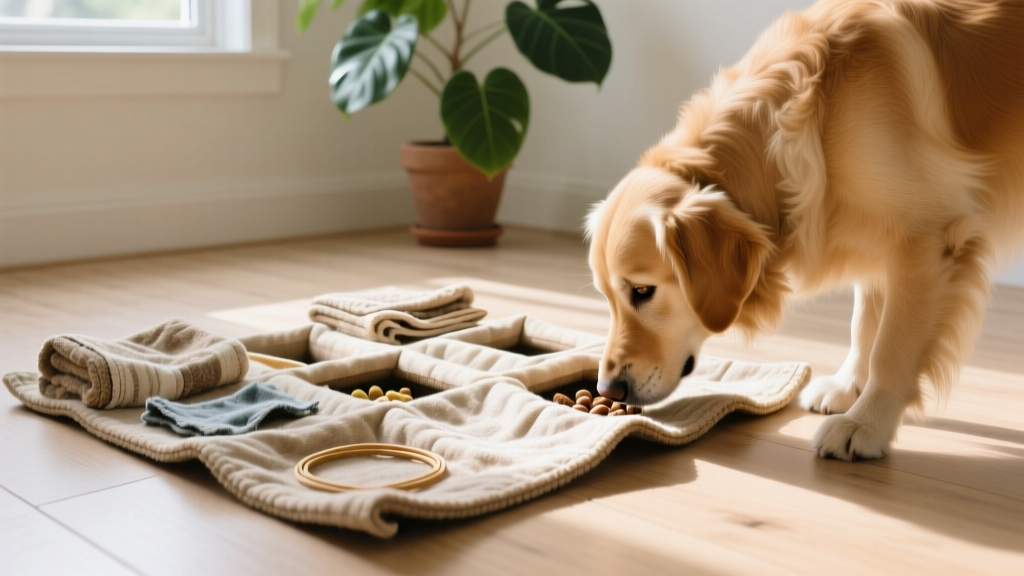
- Replace licking with an incompatible behavior: Before the trigger occurs, proactively offer a lick mat (spread with plain pumpkin puree or peanut butter — verify xylitol-free) or a frozen Kong stuffed with your dog's regular kibble mixed with low-sodium broth. Licking a food surface is an acceptable substitute that satisfies the licking drive without damaging skin.
- Counter-condition emotional triggers: If licking is anxiety-driven, pair the trigger with something positive. For separation-related licking: pick up your keys → immediately give a high-value treat → put keys down. Repeat 15–20 times over several days until your dog shows anticipation of the treat rather than anxiety at the keys. Gradually increase the chain: keys → shoes → door handle → step outside for 5 seconds → return. This systematic desensitization protocol can take 4–8 weeks.
- Reinforce non-licking: Set a timer for 5-minute intervals during your dog's typical licking time. When the timer goes off and your dog is NOT licking, calmly deliver a treat and verbal praise. Gradually extend the interval to 10, 15, then 30 minutes.
- Practice in multiple environments: Move training from the living room to the bedroom, backyard, and other rooms where licking occurs. Dogs don't generalize well — "leave it" on the couch doesn't automatically transfer to the kitchen floor.
- Fade food reinforcement gradually: Move from continuous reinforcement (treat every time) to variable ratio (treat every 2nd, then 3rd, then random successful interval). Keep praise consistent.
- Reduce barrier use: If you've been using a cone or recovery suit, begin removing it during supervised periods where you can actively redirect. If licking resumes, replace the barrier and return to Phase 2 for another week.
Tools That Help vs. Tools to Avoid
Not all products marketed for paw licking are safe or effective. Here's an evidence-based comparison:
| Tool | Type | Price Range | Effectiveness | Verdict |
|---|---|---|---|---|
| Kong Classic (frozen) | Enrichment / DRI | $12–$18 | High — provides 15–30 min alternative licking outlet | ✅ Recommended |
| Hyper Pet Lick Mat | Enrichment / DRI | $8–$14 | High — textured surface extends licking time on safe surface | ✅ Recommended |
| Kong Cloud Collar | Physical barrier | $15–$25 | Moderate-High — comfortable but some dogs maneuver around it | ✅ Recommended |
| Adaptil Calm Diffuser | Pheromone calming aid | $25–$35 (refills $18–$25) | Moderate — evidence supports anxiety reduction in some dogs (studies show 30–50% improvement) | ✅ Recommended as adjunct |
| Zesty Paws Calming Bites | Supplement (L-theanine, chamomile) | $18–$26 | Low-Moderate — may help mild anxiety; not sufficient alone for compulsive licking | ⚠️ Adjunct only |
| Grannick's Bitter Apple Spray | Taste deterrent | $8–$12 | Low-Moderate — ineffective for ~30% of dogs; must reapply frequently | ⚠️ Limited use |
| Shock collar / e-collar | Aversive punishment | $30–$200 | Counterproductive — increases anxiety, worsens compulsive behavior, damages trust | ❌ Never use |
| Bitter spray on open wounds | Taste deterrent | — | Harmful — causes pain on broken skin, delays healing | ❌ Never use |
| Physical punishment / alpha rolls | Aversive | — | Counterproductive — increases stress hormones, escalates compulsive behavior | ❌ Never use |
A note on calming supplements: L-theanine (at 5–10 mg/kg body weight) has the strongest evidence among OTC calming supplements for anxiety-related behaviors in dogs. Products like Virbac Anxitane ($25–$35 for 30 tablets) provide a standardized dose. Always discuss supplements with your veterinarian, especially if your dog is on other medications.
Realistic Timeline: How Long Will It Take to Fix Paw Licking?
There is no "fix in 7 days" promise here. Compulsive and habitual behaviors take time to modify, and the timeline depends heavily on the root cause, how long the behavior has been established, and consistency of your training protocol.
| Timeframe | Medical Cause | Behavioral/Anxiety Cause | Compulsive Disorder |
|---|---|---|---|
| Week 1–2 | Diagnostic workup initiated; barrier management in place; licking may decrease 20–40% with treatment | Baseline logging complete; "go to mat" and "leave it" cues established in low-distraction settings | Veterinary behaviorist consulted; SSRI medication (e.g., fluoxetine 1–2 mg/kg once daily) started if recommended; barrier management critical |
| Week 3–6 | If allergy-related, elimination trial or immunotherapy begins; expect 40–70% reduction by week 6 with correct diagnosis | Counter-conditioning underway; licking episodes decrease 30–50% with consistent protocol; dog begins to offer alternate behaviors | Medication reaches therapeutic levels (4–6 weeks for SSRIs); behavior modification begins; 20–30% reduction expected |
| Week 7–12 | Significant improvement (70–90%); barrier removal attempted under supervision; maintenance treatment plan established | Licking reduced 60–80%; dog reliably redirects in most environments; supports gradually faded | 40–60% reduction; medication dose adjusted if needed; some dogs require lifelong management |
| Month 4–6+ | Resolution or ongoing management depending on condition; seasonal allergies may recur | 80–95% reduction; occasional episodes during high-stress periods are normal and manageable | 50–80% reduction; long-term medication likely; periodic setbacks expected during environmental changes |
When Do You Need a Professional Behaviorist?
- Your dog has open sores, granulomas, or signs of infection (swelling, discharge, foul odor) — see your veterinarian immediately
- You've followed the Phase 1–2 protocol consistently for 4+ weeks with no measurable reduction in licking frequency or duration
- The licking is accompanied by other compulsive behaviors (tail chasing, flank sucking, shadow chasing)
- Your dog shows aggression when you attempt to interrupt the licking
- You suspect separation anxiety (licking only when alone, combined with destructive behavior, vocalization, or house soiling)
- You're considering medication and want a professional behavior modification plan to pair with it
Who to hire:
- Veterinary Behaviorist (DACVB): Board-certified specialists who can prescribe medication and design behavior plans. There are approximately 100 in the US. Expect $250–$500 for an initial consultation (often via telehealth). Find one through the American College of Veterinary Behaviorists directory.
- Certified Applied Animal Behaviorist (CAAB): PhD-level professionals certified by the Animal Behavior Society. Cannot prescribe medication but provide expert behavior modification plans. $150–$350 per session.
- Certified Professional Dog Trainer (CPDT-KA or CPDT-KSA): Suitable for mild-to-moderate cases where the primary issue is boredom or mild anxiety. $75–$150 per session. Look for force-free certifications only — verify through the Certification Council for Professional Dog Trainers directory.
Prevention: Starting Right with Puppies and Newly Adopted Dogs
The best time to prevent compulsive paw licking is before it starts. Whether you have a 10-week-old puppy or a newly adopted adult dog, these strategies build resilience:
For Puppies (8 weeks – 6 months)
- Structured enrichment from day one: Feed meals from puzzle toys (Kong Wobbler, Outward Hound Nina Ottosson puzzles, $15–$30) rather than a bowl. This satisfies oral exploration needs and prevents boredom-driven licking habits.
- Paw handling desensitization: Handle your puppy's paws daily for 30–60 seconds, pairing with treats. This makes future grooming, vet exams, and paw-wiping easier and reduces anxiety around paw contact.
- Post-walk paw routine: Establish a consistent habit of wiping paws with a damp cloth after every walk. This removes allergens and teaches the puppy that paw attention comes from you, not from self-grooming.
- Adequate exercise: Follow the 5-minutes-per-month-of-age guideline for structured walks (a 4-month-old gets ~20 minutes). Supplement with free play and sniffing time.
For Newly Adopted Adult Dogs
- Two-week decompression period: Avoid overstimulating a new dog with excessive outings, visitors, or routine changes. Provide a quiet, predictable environment. Stress-induced licking often emerges during transition periods.
- Baseline observation: Note any licking during the first 72 hours. Document frequency and context. Share this with your vet at the first wellness exam (ideally within 7 days of adoption).
- Proactive enrichment schedule: Minimum 30 minutes of mental enrichment daily (sniffari walks, puzzle feeders, training sessions) plus breed-appropriate physical exercise.
Frequently Asked Questions
Is paw licking normal behavior for dogs?
Occasional, brief paw licking (under 2 minutes after outdoor activity) is normal grooming behavior. Dogs lick their paws to clean debris, soothe minor irritation, or as part of a post-walk routine. The behavior becomes abnormal when it's prolonged (over 5 minutes per session), frequent (multiple times daily), or results in visible skin changes like redness, hair loss, or thickening. According to the American Kennel Club, persistent paw licking should always prompt investigation into underlying causes.
Should I use punishment to correct paw licking?
No. Punishment — including yelling, physical corrections, shock collars, or alpha rolls — is counterproductive for paw licking. This behavior is often driven by anxiety, discomfort, or a compulsive loop. Adding punishment increases stress hormones (cortisol), which can intensify the very behavior you're trying to stop. It also damages your dog's trust in you and can create secondary behavioral problems like avoidance or aggression. Force-free methods (redirection, counter-conditioning, environmental management) are both more humane and more effective, as supported by the American Veterinary Society of Animal Behavior's position statement on punishment.
How do I stop my dog from licking paws at night?
Nighttime licking often indicates the behavior is self-soothing (the dog uses licking to settle into sleep) or that allergens accumulated during the day are causing itchiness that worsens when the dog is still. Immediate solutions: wipe paws before bedtime, put on a soft recovery sleeve or sock, and provide a frozen Kong in the crate or on the bed. Long-term: address the root cause (allergies, anxiety) using the protocol above. If your dog sleeps in a crate, placing a lick mat with a thin layer of plain yogurt on the crate floor can redirect the licking to an appropriate surface.
Can food allergies cause paw licking?
Yes. Food allergies account for approximately 10–15% of allergic skin disease in dogs. The most common allergens are beef, chicken, dairy, wheat, and lamb. Food allergy-related paw licking is typically year-round (not seasonal) and may be accompanied by ear infections, GI signs (soft stool, increased flatulence), or licking at other body areas. The only reliable diagnostic method is an 8–12 week elimination diet trial using a hydrolyzed protein prescription diet. Over-the-counter "limited ingredient" diets are not reliable for trials because they may contain undeclared protein contaminants.
My dog only licks one paw — does that mean something different?
Single-paw licking is more likely to indicate a localized issue: a foreign body (grass awn, thorn, splinter), an interdigital cyst, a nail bed infection, a pad injury, or joint pain in that specific limb. It's less likely to be a systemic allergy or generalized anxiety, though not impossible. Have your veterinarian examine the specific paw carefully, including between each toe and under the pads. Radiographs may be warranted if orthopedic pain is suspected.
How long will it take to fix my dog's paw licking?
Realistic timelines range from 4 weeks (for a simple contact irritant that's been identified and removed) to 6+ months (for compulsive lick dermatitis requiring medication and behavior modification). Dogs with allergy-driven licking may need ongoing management rather than a permanent "fix." The single biggest factor in your timeline is consistency — dogs whose owners follow the protocol daily improve 2–3x faster than those who train intermittently.
Disclaimer: This article provides educational information and does not replace professional veterinary care. Always consult your veterinarian before starting any behavior modification program, especially if your dog has open wounds, signs of infection, or if the licking is severe. If you suspect your dog has ingested a toxic substance, contact the ASPCA Animal Poison Control Center at (888) 426-4435 (24/7, consultation fee applies).
Anouk Beaumont
All our authors care for dogs every day — read more of their work on the authors page.