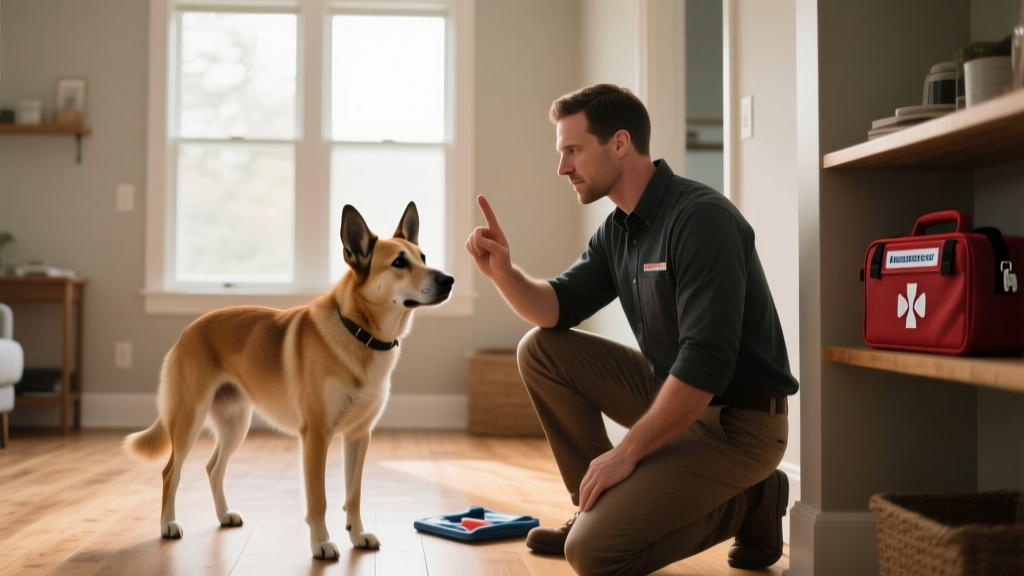
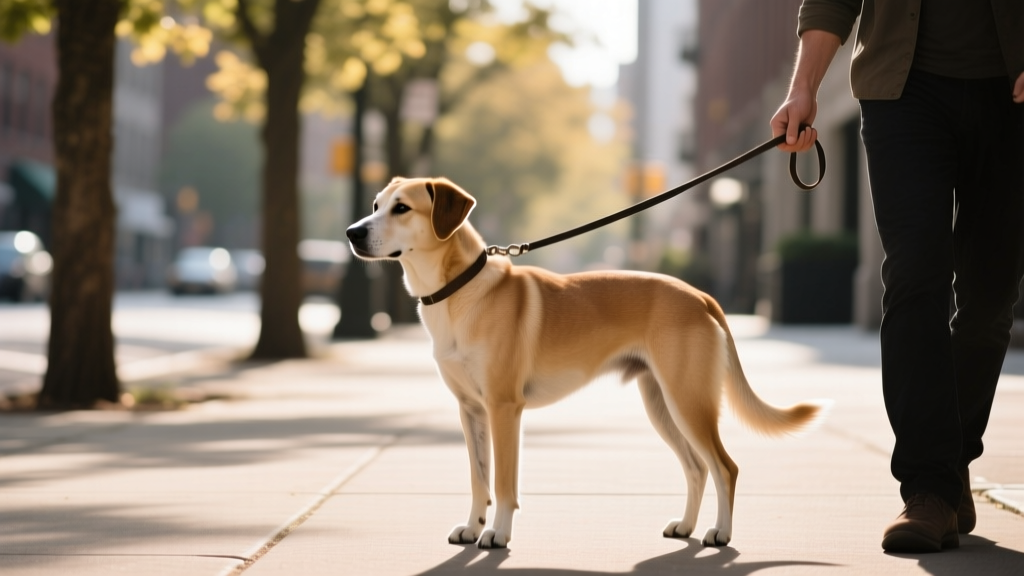
Preventing an Infected Dog Bite: Behavior Solutions for Dog Aggression
Learn how to address dog aggression and biting behavior before it leads to an infected dog bite. Evidence-based behavior modification protocols inside.

Understanding Dog Aggression and Bite Risk
An infected dog bite represents one of the most serious outcomes of untreated canine aggression — not just for the victim facing potential bacterial complications, but for the dog whose future may hang in the balance. According to the American Veterinary Medical Association, approximately 4.5 million dog bites occur annually in the United States, with roughly 1 in 5 requiring medical attention due to infection risk.
The bacteria Pasteurella multocida, Capnocytophaga canimorsus, and Staphylococcus species commonly colonize canine mouths and can cause serious wound infections within 24-48 hours of a bite. Prevention through behavior modification isn't just about liability — it's about keeping both dogs and humans safe.
What Qualifies as Bite-Risk Aggression?
Dog aggression exists on a continuum. The following behaviors indicate escalating bite risk:
- Level 1-2 (Warning): Growling, lip lifting, hard staring, snapping without contact
- Level 3 (Contact): Single bite with punctures less than half the length of canine teeth
- Level 4 (Serious): Single bite with deep punctures or slashing, indicating full bite-and-release pressure
- Level 5+ (Multiple/Severe): Multiple bites or attacks, representing significant public safety risk
Threshold for intervention: Any dog displaying Level 2 behaviors (snapping) consistently across multiple contexts should begin behavior modification immediately. Dogs at Level 3+ require professional behaviorist involvement.
Root Cause Analysis: Why Dogs Bite
Dogs don't bite out of spite or dominance — these are human projections that obscure the actual motivators. The Merck Veterinary Manual identifies several primary drivers of canine aggression:
Common Underlying Causes
- Fear/Anxiety-Based Aggression (Most Common): Dog perceives threat and uses aggression to increase distance. Often seen in undersocialized dogs, rescue dogs with trauma history, or dogs in overwhelming environments.
- Pain-Elicited Aggression: Medical conditions cause aggression when touched or approached. Common culprits: dental disease, arthritis, ear infections, abdominal pain, hypothyroidism.
- Resource Guarding: Dog aggresses to maintain access to valued resources (food, toys, sleeping locations, people). Can be genetic predisposition or learned behavior.
- Territorial/Barrier Frustration: Dog aggresses at perceived intruders (people, dogs) when behind fence, on leash, or in home. Often worsens with confinement.
- Redirected Aggression: Dog in high arousal state redirects bite to nearest available target — often the owner attempting to intervene in a fight.
Medical Rule-Out: Before You Start Training
Before implementing any behavior modification protocol, rule out medical causes. Pain, neurological issues, and endocrine disorders can manifest as sudden-onset aggression in previously stable dogs. The ASPCA recommends veterinary evaluation for any dog showing new aggressive behaviors.
When to See Your Veterinarian First
- Sudden behavior change: Dog with no bite history begins growling or snapping
- Age-related onset: Aggression appearing in dogs over 7 years (cognitive decline, arthritis, sensory loss)
- Context-specific pain response: Aggression only when touched in specific areas (ears, hips, mouth)
- Accompanying symptoms: Lethargy, appetite changes, excessive panting, pacing, vocalization
- Thyroid panel needed: Hypothyroidism can cause irritability and aggression; ask for full thyroid panel including T3, T4, and thyroid antibodies
- Neurological signs: Disorientation, seizures, head pressing, vision changes
Diagnostic tests to expect: Complete blood count (CBC), chemistry panel, urinalysis, thyroid panel ($150-$350), and potentially imaging (X-rays, MRI) if neurological signs present ($500-$2,500+).
Immediate Management: Preventing Rehearsal
Every time a dog practices aggressive behavior, the neural pathways strengthen. Management isn't a permanent solution, but it prevents rehearsal while you implement long-term behavior modification.
Essential Management Strategies
Muzzle training: A properly fitted basket muzzle (Baskerville Ultra, $25-$40) allows panting and drinking while preventing bites. Introduce gradually using high-value treats — never force a muzzle on a panicked dog.
Environmental management:
- Use baby gates to separate dog from triggers (children, visitors)
- Install visual barriers on fences to reduce territorial reactivity
- Walk during low-traffic hours (early morning, late evening)
- Use double-door entry systems to prevent door-darting
Leash equipment: Front-clip harness (Freedom No-Pull Harness, $30-$45) or head halter (Gentle Leader, $20-$30) provide better control without causing pain. Avoid prong collars, choke chains, and shock collars — these increase anxiety and can escalate aggression.
Step-by-Step Behavior Modification Protocol
Desensitization and Counter-Conditioning Framework
Phase 1: Identify Threshold Distance (Week 1-2)
Find the distance at which your dog notices the trigger but remains under threshold (no growling, lunging, hard staring). This might be 50 feet for leash-reactive dogs or across a room for fear-aggressive dogs.
Phase 2: Counter-Conditioning at Sub-Threshold (Weeks 3-6)
- Present trigger at threshold distance
- Immediately mark (clicker or "yes") and deliver high-value treat (chicken, cheese, hot dogs)
- Repeat 10-15 times per session, 2-3 sessions daily
- Goal: Dog sees trigger and automatically looks to you for treat
Phase 3: Gradual Distance Decrease (Weeks 7-12+)
Reduce distance by 10-20% only when dog shows relaxed body language and eager treat acceptance at current distance. If dog shows stress signals (lip licking, yawning, whale eye, stiffening), increase distance immediately.
Phase 4: Generalization (Ongoing)
Practice in multiple environments with varying trigger intensities. A dog fluent at home may regress in novel settings.
Specific Techniques by Aggression Type
For leash reactivity: Use "Look at That" (LAT) game — dog gets reinforced for calmly observing trigger. Progress to "Engage-Disengage" where dog voluntarily disengages from trigger to check in with handler.
For resource guarding: Trade-up protocol — offer higher-value item in exchange for guarded object. Never forcibly remove items, which escalates guarding behavior.
For fear-based aggression: Give dog agency to retreat. Use "treat and retreat" — toss treats behind dog so they can move away from trigger while building positive association.
Tools That Help vs. Tools to Avoid
| Recommended Tools | Purpose | Price Range |
|---|---|---|
| Basket muzzle (Baskerville Ultra) | Safety during training | $25-$40 |
| Front-clip harness | Leash control without pain | $25-$50 |
| Clicker | Marker for precise timing | $3-$10 |
| Treat pouch | Quick treat access | $15-$30 |
| Baby gates | Environmental management | $30-$80 |
| Calming supplements (L-theanine, Zesty Paws Calming Bites) | Anxiety reduction adjunct | $20-$40 |
Tools to Avoid
- Shock collars (e-collars): Suppress warning signals without addressing underlying anxiety, leading to dogs that bite "without warning"
- Prong collars: Pain-based correction increases fear and defensive aggression
- Alpha rolls: Physically forcing dog onto back triggers defensive biting and damages trust
- Leash corrections with choke chains: Pain associated with trigger worsens negative emotional response
Realistic Timeline and Progress Milestones
What to Expect
| Timeframe | Realistic Milestones |
|---|---|
| Weeks 1-4 | Management systems in place, dog learning new coping behaviors, slight reduction in reactivity intensity |
| Months 2-3 | Noticeable improvement at sub-threshold distances, dog offering alternative behaviors (looking at handler vs. lunging) |
| Months 4-6 | Improved tolerance at closer distances, faster recovery from trigger exposure, reduced frequency of aggressive episodes |
| Months 6-12+ | Significant behavior change in controlled settings, ongoing management needed in high-stress situations |
Important: Behavior modification is not linear. Expect setbacks during stress periods (vet visits, home changes, illness). Dogs with bite histories may always require management in certain contexts.
When to Hire a Professional
Certified Behaviorist vs. Dog Trainer
Seek a Certified Applied Animal Behaviorist (CAAB) or Veterinary Behaviorist (DACVB) when:
- Dog has caused Level 3+ bites (punctures, bruising)
- Aggression is unpredictable or occurs without warning signals
- Multiple bite incidents have occurred
- Children or vulnerable individuals are in the home
- Owner feels unsafe or unable to manage the dog
Cost expectations: Initial behaviorist consultation: $300-$600. Follow-up sessions: $150-$300. Comprehensive behavior plan with 3-month support: $1,500-$3,000.
Find qualified professionals: Animal Behavior Society (animalbehavior.org) or American College of Veterinary Behaviorists (dacvb.org)
Prevention for Puppies and Newly Adopted Dogs
Critical Socialization Window (Puppies 3-14 weeks)
Expose puppies to diverse people, dogs, environments, and handling during prime socialization period. Pair novel experiences with treats and play. Avoid flooding (forcing exposure to frightening stimuli).
Bite Inhibition Training
Puppies learn bite pressure control through play with littermates. Continue this education:
- Redirect puppy biting to appropriate chew toys
- Yelp or say "ouch" and withdraw attention for 10-20 seconds when teeth contact skin
- Never physically punish biting, which increases fear-based aggression
Rescue Dog Integration
Implement 2-week decompression period for newly adopted dogs:
- Limit visitors and novel experiences
- Provide safe retreat space (crate, quiet room)
- Learn dog's body language and stress signals
- Gradually introduce household routines
- Assess resource guarding and handling tolerance before introducing children
Frequently Asked Questions
Why does my dog bite when approached while eating?
This is resource guarding — a natural survival behavior. Your dog has learned that people approaching means food loss. Treatment involves counter-conditioning: approach from distance, toss high-value treat, and retreat. Over time, dog learns that approach predicts better food, not loss. Never punish guarding, which escalates the behavior.
How do I stop my dog from biting visitors?
First, manage the environment: confine dog to separate room or use muzzle during visits. Then implement desensitization protocol — start with visitor at distance where dog remains calm, pair presence with treats, gradually decrease distance over weeks. Teach visitors to ignore dog initially and avoid direct eye contact or reaching toward dog.
Is growling and snapping normal dog behavior?
Growling and snapping are normal canine communication — dogs use these signals to avoid actual biting. However, they indicate underlying stress, fear, or discomfort that requires intervention. Punishing warning signals creates dogs that skip warnings and bite directly. Address the root cause instead of suppressing communication.
How long will it take to fix my dog's biting problem?
Behavior modification typically requires 3-12 months of consistent work, depending on severity, duration of behavior, and underlying cause. Dogs with single-incident bites and clear triggers progress faster than dogs with multi-year bite histories. Some dogs require lifelong management in specific contexts.
Should I use punishment to correct biting?
No. Punishment (physical corrections, shock collars, alpha rolls) suppresses warning signals without addressing the emotional cause of aggression. This creates more dangerous dogs that bite without growling first. Positive reinforcement-based methods address the underlying anxiety or fear driving the behavior.
When do I need a professional behaviorist?
Consult a certified behaviorist (CAAB or DACVB) immediately if your dog has caused injuries requiring medical attention, shows unpredictable aggression, or if you feel unsafe managing the dog. Early professional intervention prevents escalation and reduces risk of infected dog bites requiring emergency treatment.
This article provides general behavior guidance but cannot replace professional veterinary or behaviorist consultation. If your dog has bitten someone or shows aggressive behavior, consult your veterinarian to rule out medical causes and obtain a referral to a qualified behavior professional.
Priya Sutaria
All our authors care for dogs every day — read more of their work on the authors page.