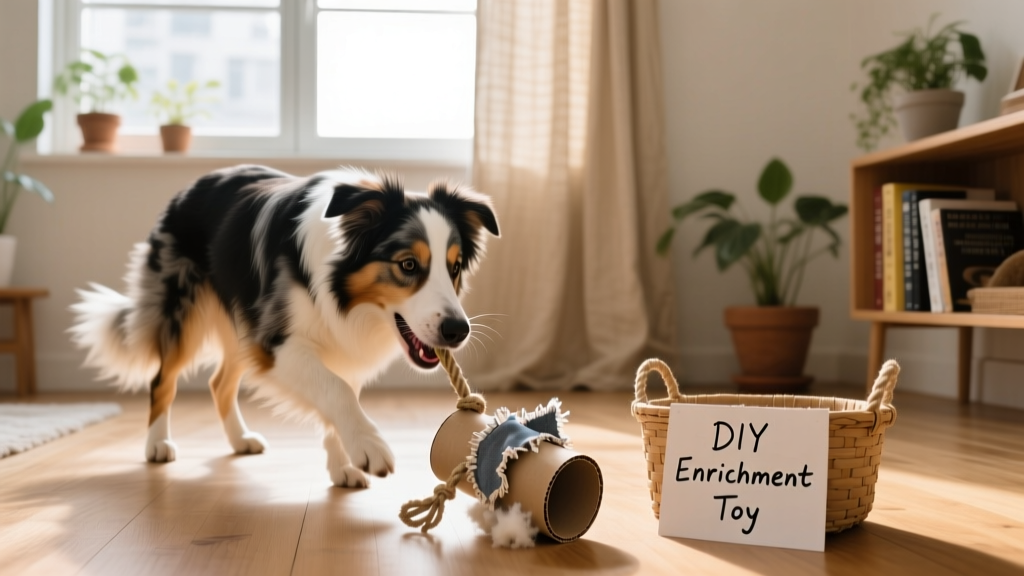
Dogs and Chewing: Why It Happens and How to Stop Destructive Chewing
Expert guide to dogs and chewing problems: root causes, medical rule-outs, step-by-step positive reinforcement training, and when to hire a behaviorist.

What Qualifies as Problem Chewing in Dogs?
Chewing is a natural canine behavior — puppies explore the world with their mouths, and adult dogs chew to maintain dental health, relieve stress, and satisfy instinctual urges. But there's a clear line between healthy chewing and a behavior problem that needs intervention.
Problem chewing is defined by three thresholds:
- Target: Your dog chews items that aren't designated chew toys — furniture legs, baseboards, shoes, drywall, door frames, electrical cords, or their own body (paws, tail, flanks).
- Frequency: Chewing inappropriate objects occurs daily or multiple times per week despite having appropriate alternatives available.
- Damage or Injury: The behavior results in property damage (replacement costs), self-injury (broken teeth, oral lacerations, gastrointestinal blockages from ingested material), or creates a safety hazard (exposed wiring, structural damage).
If your dog chews a provided Kong or bully stick for 20 minutes and then settles, that's healthy. If your dog destroys a couch cushion while you're at work, that's a behavior problem requiring a systematic plan.
According to the ASPCA, destructive chewing is one of the most frequently cited reasons dogs are surrendered to shelters — making early intervention critical for both your home and your dog's future.
Why Does My Dog Chew Everything? Root Cause Analysis
Before you can change the behavior, you need to understand what's driving it. Dogs don't chew your belongings out of spite or revenge — those are human emotions dogs don't experience in that way. Instead, chewing serves a function for your dog. Here are the five most common underlying causes:
- Teething (Puppies 3–7 months): Baby teeth are erupting and deciduous teeth are falling out. Chewing relieves gum pressure and discomfort. This is developmental and expected, but still needs management so habits don't form.
- Boredom and Understimulation: Dogs who don't receive adequate physical exercise (minimum 30–60 minutes of active movement daily for most breeds) or mental enrichment (sniffing, problem-solving, training sessions) will self-entertain — often by chewing. High-energy breeds like Border Collies, Belgian Malinois, and Siberian Huskies are especially vulnerable.
- Separation Anxiety: Chewing that occurs only or primarily when the dog is left alone, often concentrated near exit points (doors, windows, door frames). This is paired with other anxiety indicators: vocalization, pacing, house soiling, drooling, and escape attempts. The Merck Veterinary Manual estimates separation anxiety affects 14–20% of pet dogs.
- Stress and Fear-Based Chewing: Triggered by environmental changes (moving, new household members, loud noises, construction). The chewing serves as a displacement behavior — a coping mechanism for emotional arousal. Often appears alongside lip licking, yawning, panting, and avoidance.
- Medical Causes: Gastrointestinal distress, nutritional deficiencies, dental pain, and certain neurological conditions can manifest as compulsive chewing — including chewing on non-food objects (pica) or on the dog's own body.
A critical diagnostic clue: when the chewing happens. If it only occurs when you're gone, anxiety is likely the primary driver. If it happens regardless of your presence, boredom, teething, or medical causes move up the list.
Medical Rule-Out: When to See Your Vet Before Training
This step is non-negotiable. Behavioral modification will fail — or even cause harm — if the chewing is rooted in an untreated medical condition. Schedule a veterinary exam before starting any training protocol if you observe any of the following:
Consult your veterinarian before beginning behavior modification if your dog shows:
- ☐ Chewing on their own body — paws, tail, flanks, or genitals (possible allergies, pain, or compulsive disorder)
- ☐ Eating non-food items like rocks, fabric, or soil (pica — linked to GI disease, anemia, nutritional deficiency, or neurological issues)
- ☐ Sudden onset of chewing in an adult dog with no prior history (especially dogs over 2 years old)
- ☐ Weight loss, vomiting, diarrhea, or changes in appetite alongside chewing
- ☐ Excessive drooling, pawing at the mouth, or reluctance to eat hard food (dental disease or oral foreign body)
- ☐ Chewing paired with restlessness, inability to settle, or apparent discomfort
- ☐ Any dog over 7 years with new-onset chewing (cognitive dysfunction or pain-related behavior)
Your vet may recommend a complete blood count (CBC), chemistry panel, thyroid panel, and dental radiographs depending on clinical signs. Typical costs for a behavioral workup range from $150–$400 depending on diagnostics needed in your area.
If your veterinarian clears your dog medically, you can proceed with behavioral intervention with confidence that you're addressing the real cause.
Immediate Management: Stop the Rehearsal Now
Every time your dog successfully chews something inappropriate, the behavior is rehearsed and reinforced. Chewing is self-reinforcing — the act itself releases endorphins and satisfies an urge, so your dog doesn't need your attention for the behavior to "stick." This means management is your first and most urgent priority, even before training begins.
Environmental Setup for Success
Confinement: Use a properly sized crate (dog should be able to stand, turn, and lie down but not much more) or a puppy-proofed room when you cannot directly supervise. A 36-inch wire crate suits most medium breeds; a 42-inch fits large breeds. Expect to invest $50–$90 for a quality crate. Never use the crate as punishment.
Baby gates and exercise pens: Restrict access to high-value chewing targets. A 30-inch tall pressure-mounted gate ($30–$55) blocks most dogs; for jumpers and climbers, choose a hardware-mounted gate at 36 inches or taller.
Remove temptation: Pick up shoes, remotes, children's toys, laundry, and anything else your dog has targeted. Store items in closed containers or behind doors. If your dog chews baseboards, apply a bitter-tasting deterrent spray like Bitter Apple or Grannick's Bitter Apple ($8–$14 per bottle) — but understand this is a management aid, not a training solution. Some dogs are undeterred by bitter sprays.
Provide appropriate alternatives: Stock 5–8 approved chew items of varying textures: rubber toys (Kong Classic, $12–$18), nylon chews (Benebone Wishbone, $14–$20), natural options (bully sticks at $3–$6 each, yak cheese chews at $8–$15 for a pack), and food-dispensing options. Rotate these every 2–3 days to maintain novelty.
Step-by-Step Training Protocol to Stop Destructive Chewing
This protocol uses positive reinforcement, redirection, and counter-conditioning — methods supported by the American Veterinary Society of Animal Behavior (AVSAB) as the most effective and humane approach to behavior modification.
Step 1 — Teach "Leave It" (Days 1–7): Hold a low-value treat in a closed fist. When your dog stops sniffing and pulls their nose away, mark with a clicker or the word "yes" and reward from your other hand with a higher-value treat. Progress to an open palm, then to items on the floor. Practice 3 sessions of 5 minutes daily.
Step 2 — Teach "Drop It" (Days 1–10): Offer a toy your dog likes. Present a high-value treat (small piece of chicken, cheese, or freeze-dried liver) near their nose. When they release the toy, mark and give the treat. Return the toy after 5–10 seconds so your dog learns that giving up items leads to good things and they get the item back. Never forcibly pry items from your dog's mouth — this creates resource guarding.
Step 3 — Supervised Freedom Sessions (Week 2+): Allow your dog access to a single room with you present. Have treats and an approved chew toy ready. When your dog approaches an inappropriate item, redirect calmly: say "leave it," offer the approved toy, and reward heavily when they take it. Keep sessions to 15–20 minutes initially.
Step 4 — Reward Appropriate Chewing (Ongoing): Every time your dog voluntarily picks up an approved chew toy, quietly praise and occasionally drop a treat near them. This builds a reinforcement history for the behavior you want. Many owners accidentally ignore good chewing and only react to bad chewing — flip that ratio.
Step 5 — Increase Exercise and Mental Enrichment (Week 1+): Add a minimum of 30 minutes of structured exercise daily (leash walks, fetch, flirt pole sessions). Add 15–20 minutes of mental work: sniffari walks (letting your dog lead and sniff freely), scent games, or short training sessions. A tired dog is significantly less likely to chew destructively.
Step 6 — Desensitize Departures (If Anxiety-Driven, Weeks 2–6): For separation anxiety-related chewing, practice graduated departures. Pick up keys, then sit back down. Put on shoes, then take them off. Walk to the door, then return. Gradually increase to stepping outside for 5 seconds, 15 seconds, 1 minute, 5 minutes. Return before your dog shows distress. Pair departures with a high-value frozen Kong stuffed with peanut butter and kibble so your dog associates your leaving with a positive experience.
Step 7 — Counter-Condition the Environment (Weeks 3–8): If your dog targets specific items or areas (e.g., the couch corner), place approved chews and food puzzles in that exact spot. Feed meals near the previously targeted area. You're changing the emotional response to that location from "chewing zone" to "eating/relaxing zone."
Step 8 — Gradually Increase Unsupervised Access (Weeks 6–12+): Only when your dog has gone 2+ weeks without any inappropriate chewing during supervised sessions, begin expanding their access to one additional room at a time. If chewing resumes, return to the previous management level for another week before trying again.
Tools That Help vs. Tools to Avoid
The right equipment accelerates progress. The wrong tools can worsen the problem, damage your relationship with your dog, and create new behavioral issues.
| Category | Recommended Tools | Price Range | Tools to Avoid | Why to Avoid |
|---|---|---|---|---|
| Food Dispensing | Kong Classic, Kong Wobbler, Outward Hound Brick Puzzle, Snuffle Mats | $12–$35 | — | — |
| Calming Aids | Adaptil DAP diffuser, Thundershirt, Zesty Paws calming chews (L-theanine based) | $18–$65 | Sedating medications without vet prescription | Can mask symptoms, cause adverse reactions without proper dosing |
| Confinement | Wire crates (MidWest iCrate), exercise pens (MidWest Foldable), baby gates | $35–$90 | Overly large crates, chaining/tethering for extended periods | Too much space defeats crate training; tethering causes frustration |
| Deterrents | Bitter Apple spray, aluminum foil on furniture, double-sided tape | $6–$15 | Mousetraps, hot sauce, cayenne pepper on items | Can cause pain, oral burns, eye injury, and fear responses |
| Training | Clicker, treat pouch, 6-foot leash, long-line for outdoor decompression | $5–$30 | Shock collars, prong collars, citronella spray collars, alpha rolls | Aversive methods increase anxiety, worsen chewing, and damage trust (per AVSAB position statement) |
Important note on deterrent sprays: Bitter sprays work for roughly 60–70% of dogs. Some dogs are undeterred or even seem to enjoy the taste. Always test on a small area first and never rely on deterrents alone — pair them with the training protocol above.
Realistic Timeline: How Long Will It Take to Fix Destructive Chewing?
Behavior change is not linear, and timelines vary significantly based on the root cause, your dog's age, how long the behavior has been rehearsed, and your consistency. Here's what to realistically expect:
| Timeframe | Expected Progress | Notes |
|---|---|---|
| Week 1–2 | Chewing incidents decrease by 30–50% with management in place | Management is doing the heavy lifting; dog is learning alternatives exist |
| Week 3–4 | Dog begins voluntarily choosing approved chews during supervised time | "Leave it" and "drop it" should be reliable in low-distraction settings |
| Week 5–8 | Supervised freedom in 1–2 rooms with rare or no incidents | Exercise and enrichment routine should be well-established |
| Week 8–12 | Gradual expansion of unsupervised access begins with short durations (1–2 hours) | Setbacks may occur — return to previous step for 1 week if they do |
| Month 4–6 | Most dogs with boredom/stimulation-based chewing are reliable with normal household freedom | Continue providing daily approved chews indefinitely |
| Month 6–12+ | Separation anxiety cases may require this longer timeline, often with veterinary behaviorist support | Medication (e.g., fluoxetine, clomipramine) may be recommended alongside behavior modification |
Puppies vs. Adults: Teething puppies typically outgrow the most intense chewing phase by 7–8 months, though management during this period prevents lifelong habits. Adult dogs with established chewing habits of 6+ months duration will take longer to redirect — plan for the full 3–6 month timeline minimum.
When to Hire a Professional Behaviorist
Not every chewing problem requires professional help, but knowing when to bring in an expert can save months of frustration and prevent a dog from being surrendered.
- Your dog has ingested non-food items requiring veterinary intervention (surgery for intestinal blockage costs $2,000–$7,000 in 2026)
- Chewing is paired with other anxiety signs: prolonged vocalization, house soiling only when alone, escape attempts causing self-injury
- You've followed the protocol above consistently for 4+ weeks with no improvement
- The chewing is causing significant financial damage or household conflict
- Your dog shows aggression when you attempt to take items away (resource guarding)
- You feel yourself becoming frustrated to the point of considering punishment-based methods
Certified Behaviorist vs. Dog Trainer: Which Do You Need?
Understanding the difference matters for both outcomes and your budget:
- Dog Trainer (CPDT-KA, KPA-CTP certified): Ideal for straightforward boredom-based chewing, puppy chewing management, and teaching "leave it" / "drop it." Sessions typically cost $75–$150 per hour or $200–$500 for a 6-session package. Look for certification through the Certification Council for Professional Dog Trainers (CCPDT).
- Certified Applied Animal Behaviorist (CAAB) or Veterinary Behaviorist (DACVB): Necessary for separation anxiety, compulsive chewing, pica, or cases with aggression components. Veterinary behaviorists can prescribe medication. Initial consultations typically cost $250–$600, with follow-up sessions at $150–$300. Find one through the American Veterinary Society of Animal Behavior directory.
Prevention: Setting Up Puppies and Newly Adopted Dogs for Success
The best time to address destructive chewing is before it starts. Whether you're bringing home a 10-week-old puppy or a 3-year-old rescue, these prevention strategies build a foundation for appropriate chewing habits from day one.
For Puppies (8 Weeks–6 Months)
- Provide frozen, wet washcloths (twist, wet, freeze) to soothe teething gums — supervise to prevent ingestion of fabric
- Establish a crate training routine immediately; use the crate for naps, overnight, and any unsupervised time
- Offer at least 4–6 approved chew toys of different textures and rotate every 48 hours
- Practice short alone-time sessions (5–15 minutes) daily to build tolerance for solitude before separation anxiety can develop
- Enroll in a positive reinforcement puppy class by 12–16 weeks for foundational skills and socialization
For Newly Adopted Adult Dogs
- Assume nothing is "off limits" to your new dog until you've taught them what is — start with full management and gradually grant freedom
- Allow a 2-week decompression period (the "3-3-3 rule"): expect some stress-related behaviors in the first 3 days, settling in over 3 weeks, and true personality emerging by 3 months
- Keep the dog in your sight or confined during the first 2–4 weeks — use a leash attached to your waist indoors if necessary
- Introduce puzzle feeders and food-dispensing toys immediately to build a habit of working for food
- Establish an exercise routine within the first week: two 20–30 minute walks daily minimum, adjusted for breed and age
Frequently Asked Questions About Dogs and Chewing
Is chewing normal for dogs?
Yes — chewing is a completely normal, healthy canine behavior. Puppies chew to relieve teething discomfort, and adult dogs chew for dental maintenance, stress relief, and mental stimulation. The goal is never to eliminate chewing but to direct it toward appropriate items. A dog who never chews at all may actually warrant a veterinary check for oral pain or depression.
Should I use punishment to correct my dog's chewing?
No. Punishment — including yelling, hitting, rubbing your dog's nose in the destroyed item, or using shock/prong collars — is counterproductive. Dogs cannot connect punishment with an action that happened minutes or hours ago. If you come home to a destroyed cushion and scold your dog, they associate the punishment with your arrival, not with the chewing. This increases anxiety, which often increases chewing. The AVSAB position statement specifically recommends against aversive methods due to documented risks of fallout including fear, aggression, and worsened behavioral problems.
How long will it take to stop my dog from chewing things they shouldn't?
With consistent management and training, most dogs with boredom or stimulation-based chewing show significant improvement within 3–4 weeks and are largely reliable by 8–12 weeks. Separation anxiety-related chewing typically takes 3–6 months or longer, particularly if medication is part of the treatment plan. Dogs with compulsive chewing disorders may require ongoing management. The longer the behavior has been rehearsed, the longer retraining takes.
My dog only chews when I leave the house — what does that mean?
Chewing that occurs exclusively or primarily during your absence is a strong indicator of separation anxiety or isolation distress, especially if paired with vocalization, pacing, house soiling, or escape behavior. This is a clinical condition, not a training problem, and it typically requires a combination of desensitization to departures, counter-conditioning, environmental enrichment, and often anti-anxiety medication prescribed by your veterinarian. Punishing this behavior will worsen the anxiety.
Are rawhides safe for my dog to chew?
Traditional rawhide carries meaningful risks: choking, gastrointestinal blockage (especially in dogs who swallow large pieces), and contamination with chemicals from processing. Safer alternatives include single-ingredient options like bully sticks (fully digestible), yak cheese chews, and rubber toys like the Kong Classic designed for heavy chewers. If you do offer rawhide, choose products made in the USA from a single source, supervise your dog at all times, and discard the piece when it becomes small enough to swallow. Never leave a dog unattended with any consumable chew.
What if my dog chews and eats things like rocks, socks, or plastic?
Ingesting non-food items is called pica and warrants a veterinary exam to rule out medical causes including nutritional deficiencies, gastrointestinal disease, and parasites. In the meantime, manage the environment strictly — pick up all small objects, use basket muzzles during outdoor walks if your dog scavenges (a Baskerville Ultra muzzle, $18–$25, allows panting and drinking while preventing ingestion), and discuss the behavior with your vet. Emergency surgery for a GI blockage from an ingested object typically costs $2,000–$7,000, making prevention far more cost-effective.
When should I call ASPCA Poison Control about something my dog chewed?
If your dog has chewed or ingested anything potentially toxic — including household plants, medications, cleaning products, xylitol-containing items (gum, certain peanut butters), chocolate, batteries, or rodenticide — contact the ASPCA Animal Poison Control Center at (888) 426-4435 immediately. The line is staffed 24/7 by veterinary toxicologists. A consultation fee of approximately $95 applies, but this can be lifesaving. Bring the product packaging or a photo of the item to your emergency vet visit.
Destructive chewing is one of the most solvable behavior problems in dogs — but it requires patience, consistency, and addressing the root cause rather than just the symptom. Start with management, rule out medical issues, build a daily enrichment routine, and reinforce the chewing choices you want to see. If you're not making progress after a month of consistent effort, there's no shame in calling a professional. Your dog isn't being difficult; they're communicating a need that hasn't been met yet.
Beth Carrasco
All our authors care for dogs every day — read more of their work on the authors page.