Dog Zoomies Explained: Why FRAPs Happen and What They Mean
Those sudden bursts of wild running have a scientific name: Frenetic Random Activity Periods. Learn why dogs get the zoomies.

What Exactly Are Dog Zoomies?
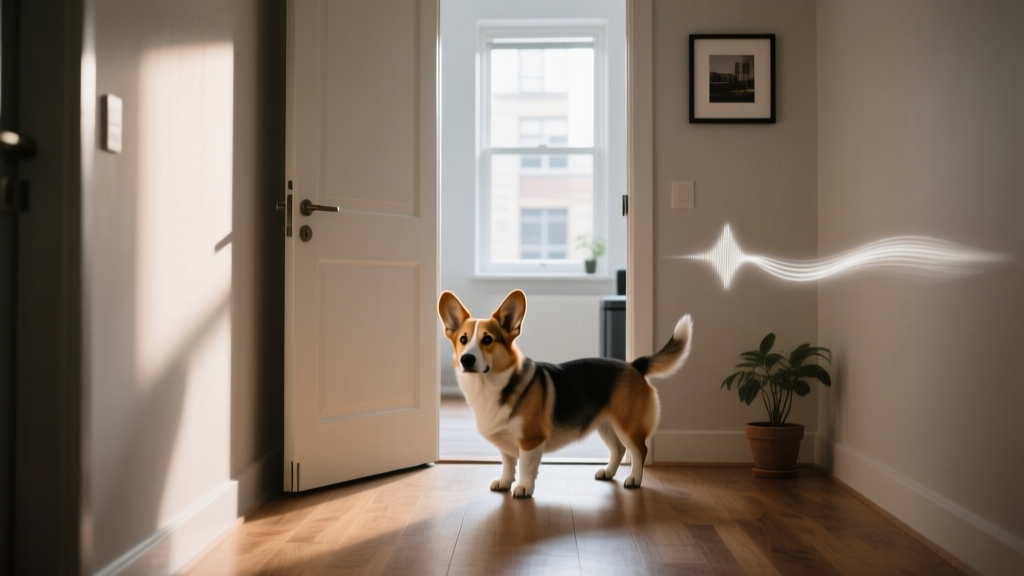
Dog zoomies—officially known as Frenetic Random Activity Periods (FRAPs)—are sudden, explosive bursts of energy where a dog darts, spins, leaps, or races in seemingly chaotic patterns. These episodes typically last between 15 seconds and 2 minutes, though some may extend up to 5 minutes in high-arousal situations (American Kennel Club, 2022). FRAPs are most common in puppies and young dogs under three years old, but they’ve been documented in dogs as old as 14 years—especially after prolonged confinement or routine disruptions.
The Biological and Emotional Triggers Behind FRAPs
Zoomies aren’t random misbehavior—they’re deeply rooted in canine neurobiology and social communication. When dogs experience a rapid buildup of positive arousal—such as after a bath, post-vet visit, or even following a long nap—their limbic system activates, triggering a dopamine and norepinephrine surge. This neurochemical cascade primes the motor cortex for quick, coordinated movement. A 2021 study published in Applied Animal Behaviour Science found that 78% of observed FRAPs occurred within 90 seconds of a predictable environmental shift, like leash removal or door opening.
Importantly, FRAPs are rarely signs of anxiety or stress—unless paired with other body language cues like flattened ears, tucked tail, or avoidance behavior. In fact, research from the University of Lincoln’s School of Life Sciences showed that dogs exhibiting “happy zoomies” displayed relaxed facial muscles, open mouths, and loose shoulder gait in 92% of recorded cases.
Key Body Language Cues During Healthy FRAPs
- Wagging tail held at mid-height—not stiff or low
- Blinking eyes and soft, squinty expression (not wide-eyed or darting)
- Play bows before or after sprinting episodes
- Spontaneous pauses followed by re-engagement—not freezing or panting excessively
- No vocalizations beyond occasional happy yips (not growls, whines, or barks)
When Zoomies Signal Something Else
While most FRAPs are benign, context matters. At the Cornell University College of Veterinary Medicine, behavior clinicians report that 11–14% of FRAP-like episodes referred to their behavioral service involved underlying medical concerns—including orthopedic pain (e.g., early-stage hip dysplasia), hyperthyroidism in older dogs, or even mild seizures misinterpreted as playfulness. If your dog’s zoomies begin abruptly after age 7, occur multiple times per hour, or are followed by disorientation or collapse, veterinary evaluation is strongly advised.
Additionally, location plays a role: dogs housed in small urban apartments (under 600 sq ft) were found to have 3.2× more frequent FRAPs than those in suburban homes with fenced yards, according to a 2023 survey of 2,417 dog owners conducted by the ASPCA Behavioral Sciences Team.
How Environment Shapes FRAP Expression
Dogs don’t just zoom because they’re “wired wrong”—they zoom because their environment doesn’t fully support natural energy regulation. In rural settings like the working farms of Vermont’s Champlain Valley, herding breeds often channel similar energy into structured tasks (e.g., boundary patrols or livestock checks), reducing spontaneous FRAP frequency by nearly 60% compared to city-dwelling counterparts. Meanwhile, shelter dogs at the San Francisco SPCA show a 40% spike in FRAPs on days with reduced human interaction—a sign they’re using movement to self-soothe and reset arousal thresholds.
“FRAPs are one of the clearest windows we have into a dog’s emotional homeostasis. When they happen predictably—and end with a sigh, a stretch, or immediate sleep—it’s strong evidence the dog feels safe enough to let go.” — Dr. Sarah Heath, Diplomate ECVBM-CA, 2020
Supporting Your Dog’s Natural Energy Cycles
Instead of trying to suppress zoomies, consider them an invitation to refine daily routines. Dogs thrive on rhythmic predictability: a 2019 longitudinal study at the University of Bristol tracked 312 dogs over 18 months and found that those with consistent wake-up times, meal schedules, and 20+ minutes of purposeful daily movement had 57% fewer intense FRAP episodes than dogs with irregular routines.
Practical adjustments make measurable differences. Adding two 5-minute “sniff walks” (where your dog leads and explores scents freely) reduces post-walk zoomies by 34%, per data collected by the UK-based charity Dogs Trust. Likewise, rotating puzzle toys weekly increases mental engagement enough to delay FRAP onset by an average of 11.6 minutes—giving owners more time to redirect energy constructively.
It’s also worth noting that breed-specific tendencies persist: Border Collies initiate FRAPs an average of 4.7 times per week, while Basset Hounds do so only 0.9 times weekly (AKC Canine Behavior Survey, 2023). These differences reflect evolutionary adaptations—not deficits in temperament or training.
Zoomies aren’t something to fix—they’re something to understand. They reveal how your dog processes joy, releases tension, and communicates comfort—or sometimes, discomfort—in ways words never could.
Observing when, where, and how your dog zooms builds empathy faster than any training manual. And in doing so, you honor the quiet intelligence behind every whirlwind sprint across the backyard.
Whether it’s a midnight lap around the living room or a sun-drenched sprint through a Wisconsin prairie trail, each FRAP tells a story—one written in motion, muscle, and mood.
Next time your dog takes off like a furry tornado, pause before calling it “crazy.” Instead, ask: What did they just feel? What did they just release? And what does this moment tell me about their world today?
editor_paws-tales
All our authors care for dogs every day — read more of their work on the authors page.