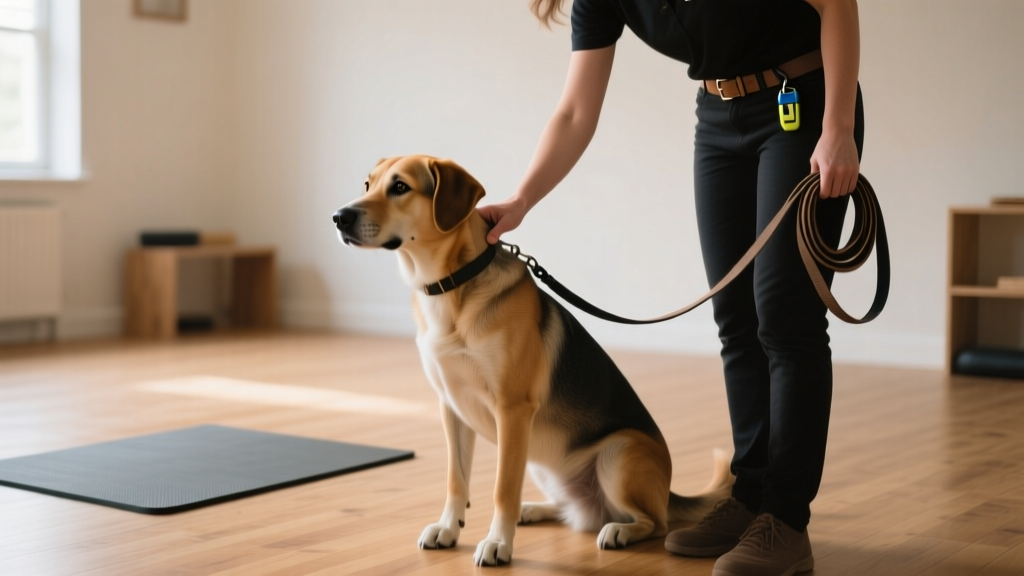
Dog Training for Nipping: How to Stop Mouthing and Biting Behavior
Expert guide to dog training for nipping: root causes, step-by-step positive reinforcement protocols, management tools, and when to hire a certified behaviorist.

What Qualifies as Nipping — and When Does It Cross the Line?
Nipping, mouthing, and play-biting exist on a continuum of canine oral behavior. Before starting any dog training for nipping, you need to pinpoint exactly where your dog falls on that spectrum. The distinction matters because intervention strategies differ significantly between a puppy exploring the world with their mouth and an adult dog using teeth to communicate stress or fear.
Nipping Behavior Thresholds
| Behavior Level | Description | Skin Contact | Typical Context |
|---|---|---|---|
| Mouthing | Open mouth on skin/clothing with no pressure | None — no marks | Play, exploration, greeting |
| Nipping | Quick pinch with front teeth (incisors) | Minor redness, no puncture | Overstimulation, herding instinct, frustration |
| Biting (inhibited) | Full mouth grab with controlled pressure | Bruising possible, no puncture | Fear response, resource guarding |
| Biting (uninhibited) | Full pressure bite with intent to damage | Puncture wounds, tearing | Severe fear, pain, aggression — requires professional intervention |
Key threshold: If your dog's nipping breaks skin or causes bruising consistently, skip ahead to the section on hiring a certified behaviorist. Home training protocols are appropriate for levels 1–2 only.
Nipping is extremely common in puppies under 6 months. According to the American Kennel Club, nearly all puppies go through a mouthing phase as they explore their environment and cope with teething discomfort. However, when nipping persists past 6–7 months of age or escalates in intensity, it signals an underlying issue that structured training must address.
Why Does My Dog Nip? A Root Cause Analysis
Effective dog training for nipping starts with understanding the function the behavior serves. Dogs don't nip out of spite or dominance — those are human interpretations projected onto canine behavior. Instead, nipping is a symptom of one or more underlying drivers.
Five Common Root Causes of Nipping
- Teething and Oral Discomfort (Puppies 3–7 months)
Deciduous teeth erupt between 3–6 weeks, and permanent teeth push through between 12–28 weeks. Inflamed gums drive puppies to chew and nip for relief. This is the single most common cause in young dogs and typically resolves as adult teeth fully emerge by 6–7 months.
- Overstimulation and Arousal
When dogs exceed their arousal threshold — during vigorous play, when guests arrive, or in chaotic environments — they lose impulse control. Nipping becomes an involuntary outlet for excess neurological arousal. Breeds with high drive (Border Collies, Australian Shepherds, Belgian Malinois) are particularly susceptible.
- Learned Attention-Seeking
If nipping has historically resulted in attention (even negative attention like yelling or pushing away), the dog learns that teeth-on-skin is an effective communication tool. This is especially common when puppies nip and owners respond with animated reactions.
- Herding Breed Instinct
Herding breeds (Corgis, Heelers, Collies, Sheepdogs) have been selectively bred for generations to use their mouths to control livestock movement. Nipping at heels, ankles, and hands is hardwired genetic behavior that requires redirection rather than suppression.
- Fear, Anxiety, or Pain
Dogs in physical discomfort or chronic stress may nip defensively. This is particularly relevant for adult dogs who begin nipping suddenly. A dog with undiagnosed hip dysplasia may nip when touched near the hindquarters; a dog with dental pain may nip when their muzzle is approached.
Medical Rule-Out: See Your Vet Before Starting Behavior Modification
Before investing weeks into a training protocol, rule out medical causes — especially if the nipping is new, sudden in onset, or context-specific (e.g., only when touched in certain areas). The Merck Veterinary Manual notes that pain-related aggression and irritability can manifest as nipping before other clinical signs become obvious.
When to Schedule a Veterinary Exam Before Training
- Sudden onset in an adult dog (over 1 year) who previously did not nip — especially if the change occurred within days or weeks
- Context-specific nipping tied to being handled in certain areas (ears, hips, abdomen, mouth)
- Accompanying behavioral changes: lethargy, appetite changes, hiding, trembling, or altered sleep patterns
- Age-related onset in senior dogs (7+ years) — cognitive dysfunction syndrome (CDS), arthritis, and dental disease are common culprits
- Signs of thyroid dysfunction: weight changes, coat thinning, heat-seeking behavior, or irritability. Hypothyroidism has been linked to behavioral changes including irritability and lowered bite thresholds
- Neurological indicators: head tilting, circling, seizures, or disorientation accompanying the nipping behavior
What to ask your vet: Request a full physical exam, dental assessment, and basic bloodwork (CBC, chemistry panel, thyroid panel). Expect to pay $150–$400 for this diagnostic workup depending on your region and clinic. If your vet rules out medical causes, you'll proceed to behavior modification with confidence that you're addressing the right problem.
Immediate Management: Prevent Rehearsal While You Train
Every time your dog nips and nothing constructive happens, the neural pathway for that behavior gets stronger. This is the principle of rehearsal — and it's why management is the first line of defense in any dog training for nipping protocol. Management doesn't fix the behavior, but it prevents it from getting worse while your training takes effect.
Management Strategies You Can Implement Today
1. Identify and Control Triggers
Keep a simple nipping log for 3–5 days: time of day, what was happening, who was present, and what happened immediately before and after. Most dogs have 2–3 predictable trigger scenarios. Once identified, you can restructure the environment.
2. Use Physical Barriers
Baby gates, exercise pens, and crate rotations keep your dog separated from trigger situations. If your dog nips when children are running, use a gate to keep them in a calm zone during high-energy play. This isn't punishment — it's environmental management.
3. Provide Appropriate Oral Outlets
Dogs who nip need something to do with their mouths. Stock frozen washcloths (dampen, twist, and freeze), rubber chew toys like the Kong Classic ($12–$18), and long-lasting chews such as bully sticks ($3–$8 each). Rotate these daily to maintain novelty.
4. Implement a "No Teeth on Skin" Rule Consistently
Every person in the household must respond the same way to nipping. Inconsistency — where one person allows mouthing and another punishes it — creates confusion and prolongs the problem. The standard response: the moment teeth touch skin, all interaction stops for 10–15 seconds. No yelling, no pushing (dogs interpret pushing as play), just stillness and withdrawal of attention.
5. Pre-Exercise Before Trigger Events
If guests arriving triggers nipping, take your dog for a 20-minute walk beforehand. A dog who has burned physical energy has a higher arousal threshold and better impulse control.
Step-by-Step Training Protocol for Nipping
The following protocol uses positive reinforcement, differential reinforcement of incompatible behavior (DRI), and counter-conditioning — all force-free methods endorsed by the American Veterinary Society of Animal Behavior (AVSAB) as the standard of care for behavior modification.
Phase 1: Teach Bite Inhibition (Weeks 1–2)
Goal: Reduce pressure of nipping, not eliminate the behavior yet.
- When your dog nips during play, let out a calm, brief "ouch" or yelp — not dramatic, just enough to signal surprise.
- Immediately withdraw your hand and pause all interaction for 10–15 seconds. Stand up, turn away, or step behind a baby gate.
- After the pause, return and offer a toy. When your dog mouths the toy instead of your skin, mark the behavior with a "yes" or clicker and reward with a treat or continued play.
- Repeat consistently. Most dogs show pressure reduction within 5–10 sessions.
Key detail: If yelping excites your dog further (common in high-drive breeds), skip the vocal marker and go straight to silent withdrawal of attention.
Phase 2: Redirect to Incompatible Behavior (Weeks 2–4)
Goal: Replace nipping with a behavior that physically cannot happen simultaneously.
- Teach a strong "fetch" or "hold" cue. A dog carrying a toy in their mouth cannot nip your skin.
- Before known trigger situations (guests arriving, children playing), proactively give your dog a toy and cue the hold behavior.
- Reward sustained holding with high-value treats (freeze-dried liver, boiled chicken) on a variable ratio schedule — reward every 2nd, then every 3rd successful hold to build persistence.
- For herding breeds nipping at ankles: redirect to a "go to mat" or "settle" behavior on a designated bed placed away from foot traffic. Reward settling with treat scatters (tossing 4–5 small treats on the mat).
Phase 3: Build Impulse Control (Weeks 4–8)
Goal: Increase your dog's ability to self-regulate arousal.
- Practice "sit to say please" — your dog must sit before receiving anything they want (food, door opening, leash attachment, petting). This builds a default calm behavior.
- Play structured tug games with clear start/stop cues. Teach "take it" and "drop it" using treat trades. Tug builds arousal in a controlled context where you set the rules — this is powerful impulse control training.
- Gradually increase the difficulty: practice drop-it during higher arousal, add duration to settle cues, and introduce mild distractions.
- Use the "It's Yer Choice" game (developed by trainer Susan Garrett): hold treats in a closed fist, wait for your dog to stop pawing and nipping at your hand, then open your hand and reward. This directly trains inhibition of mouth-to-hand contact.
Phase 4: Counter-Conditioning for Fear-Based Nipping (Weeks 4–12)
Goal: Change the emotional response driving defensive nipping.
- Identify the trigger (e.g., strangers approaching, being reached over the head).
- Present the trigger at sub-threshold intensity — far enough away or mild enough that your dog notices but does not nip. This is your working distance.
- At that distance, pair the trigger with high-value food. Trigger appears → chicken appears. Trigger disappears → chicken disappears. Repeat 10–15 times per session.
- Gradually decrease distance or increase intensity over multiple sessions — only when your dog shows relaxed body language (loose wagging, soft eyes, open mouth) at the current level.
- If your dog nips at any point, you've moved too fast. Increase distance and return to pairing.
Important: Counter-conditioning for fear-based nipping typically requires 8–16 weeks of consistent practice and is the scenario where a certified behaviorist adds the most value.
Tools That Help vs. Tools to Avoid
The right equipment supports your training protocol. The wrong tools create fallout that worsens the behavior long-term.
| Category | Recommended Tools | Price Range | Why It Works |
|---|---|---|---|
| Oral Outlets | Kong Classic or Kong Extreme, West Paw Toppl, frozen washcloths, Benebone Wishbone | $8–$25 | Satisfy chewing drive safely; frozen options soothe teething pain |
| Mental Enrichment | Snuffle mats, Kong Wobbler, Outward Hound Nina Ottosson puzzle toys (Level 2–3), scatter feeding | $12–$35 | Reduce boredom-driven nipping by engaging problem-solving; 15 minutes of sniffing equals ~1 hour of physical exercise in mental fatigue |
| Management Gear | Exercise pens (MidWest 24"–36"), baby gates with pet door (Carlson Walk-Thru), basket muzzle (Baskerville Ultra — for emergency use only) | $25–$65 | Create safe zones and prevent rehearsal of nipping in trigger situations |
| Training Aids | Clicker (Karen Pryor i-Click), treat pouch (Ruffwear Treat Trader), long training leash (15–30 ft for recall practice) | $5–$40 | Precise marker timing and reinforcement delivery |
| Calming Supplements | L-theanine (Virbac Anxitane), Zylkene (casein-derived), Adaptil pheromone diffuser | $15–$40 | May lower baseline arousal in anxious dogs; consult your vet before use |
Tools and Methods to Avoid
| Tool/Method | Why It's Harmful |
|---|---|
| Shock collars / e-collars | Punishment suppresses warning signals without addressing the cause. Dogs punished for growling may skip to biting without warning. The AVSAB's 2021 position statement explicitly recommends against aversive methods. |
| Prong/pinch collars | Pain-based correction increases fear and anxiety, worsening nipping in fear-driven dogs. |
| Alpha rolls / dominance techniques | Based on debunked wolf-pack hierarchy theory. Physically forcing a dog down triggers defensive biting and destroys trust. |
| Holding the mouth shut | Creates negative associations with hand-to-face contact, increasing the likelihood of defensive biting. |
| Spraying water or bitter sprays on the dog | Startle-based punishment does not teach an alternative behavior and can increase anxiety. |
Realistic Timeline: What Progress Actually Looks Like
One of the most common questions in dog training for nipping is how long the process takes. The honest answer depends on your dog's age, the root cause, the duration of the existing habit, and your consistency. Below are evidence-based milestone ranges drawn from applied behavior analysis outcomes.
| Timeframe | Expected Progress | What You Should See |
|---|---|---|
| Days 1–7 | Management takes hold | Nipping frequency may not change yet, but you're preventing rehearsal in trigger scenarios. You'll identify your top 2–3 triggers clearly. |
| Weeks 2–3 | Pressure reduction | If using bite inhibition protocol, nipping becomes softer — less pressure, fewer marks on skin. Some dogs begin offering toy-holding instead of nipping. |
| Weeks 4–6 | Frequency reduction | Nipping episodes decrease by roughly 40–60% in predictable scenarios. Your dog begins to default to trained alternative behaviors (sit, go-to-mat, fetch) when mildly aroused. |
| Weeks 8–12 | Generalization begins | Alternative behaviors hold up in moderately stimulating environments. Nipping may still occur under high arousal (excited guests, overstimulating play) but recovery time shortens. |
| Months 4–6 | Reliable behavior change | For most dogs with arousal-based or attention-seeking nipping, the behavior is substantially resolved. Fear-based nipping may require ongoing counter-conditioning maintenance. |
Honest caveat: Dogs with a significant bite history, severe fear-based nipping, or nipping rooted in neurological conditions may require 6–12 months of consistent work with a certified behaviorist. Puppies going through normal teething phases often show dramatic improvement within 3–4 weeks once consistent protocols are in place.
When to Hire a Professional: Trainer vs. Certified Behaviorist
Not all nipping situations are appropriate for DIY training. Knowing when to bring in a professional saves time, prevents escalation, and protects the humans and animals in your household.
Hire a Certified Behaviorist (CAAB or DACVB) If:
- Your dog's nipping has caused puncture wounds or bruising on any person
- The nipping is directed at children under 12 years old
- Nipping is accompanied by growling, snarling, stiff body language, or hard staring
- The behavior is escalating despite 4+ weeks of consistent positive reinforcement training
- Your dog shows resource guarding behavior (stiffening, growling, or snapping over food, toys, or sleeping areas) alongside the nipping
- You feel afraid of your dog or are avoiding interactions with them
A Certified Professional Dog Trainer (CPDT-KA) Is Appropriate For:
- Normal puppy mouthing and nipping that hasn't responded to basic management
- Herding-breed ankle nipping that needs redirection
- Overstimulation-based nipping in adolescent dogs (6–18 months)
- Household consistency coaching — getting all family members on the same protocol
Cost expectations (2026):
- Certified Professional Dog Trainer (CPDT-KA): $75–$150 per session; packages of 6–8 sessions typically run $400–$900
- Certified Applied Animal Behaviorist (CAAB): $200–$400 per consultation; comprehensive behavior plans range from $500–$1,500
- Veterinary Behaviorist (DACVB): $300–$600 initial consultation; may include medication management. These are veterinarians with residency training in behavior — the gold standard for cases involving fear, anxiety, or medical comorbidity.
Find credentialed professionals through the AVSAB consultant directory or the Certification Council for Professional Dog Trainers (CCPDT) registry.
Prevention: Setting Up Puppies and Newly Adopted Dogs for Success
Is nipping normal? For puppies, absolutely. The ASPCA confirms that mouthing and nipping are developmentally appropriate puppy behaviors. The goal isn't to prevent a normal developmental phase — it's to guide the puppy through it without letting the behavior become an entrenched habit.
Puppy Prevention Protocol (8 weeks – 6 months)
- Provide teething relief: Frozen damp washcloths, chilled rubber toys, and puppy-safe teething gels (consult your vet for product recommendations). Avoid hard nylon bones or antlers during teething — developing teeth can fracture.
- Socialize with bite-inhibition feedback: Controlled puppy playgroups (ideally supervised by a certified trainer) allow puppies to learn from each other. When one puppy bites too hard, the other yelps and stops playing — this is natural bite inhibition training.
- Handle daily: Gently touch your puppy's ears, paws, mouth, and body while feeding treats. This builds positive associations with handling and reduces defensive nipping later in life.
- Never use hands as toys: Wrestling with your hands encourages puppies to see human skin as a play object. Always put a toy between your hand and the puppy's mouth.
Adopted Adult Dog Prevention Protocol
- Implement a 2-week decompression period: Newly adopted dogs may nip due to stress and overstimulation in a new environment. Keep the environment calm, limit visitors, and provide structured routines before assessing whether nipping is a persistent behavioral pattern.
- Observe trigger patterns before intervening: Spend the first 5–7 days noting when and where nipping occurs. Is it fear-based (new environment stress) or a pre-existing habit? The intervention differs.
- Establish household rules immediately: Consistent "no teeth on skin" rules from day one prevent the dog from learning that nipping works in the new home.
Frequently Asked Questions About Dog Training for Nipping
Why does my dog nip at me but not at other people?
This usually indicates either a stronger bond (your dog feels safe enough to express arousal around you) or inconsistent consequences. If other people in the household don't engage in the same play style, or if they consistently withdraw attention when nipped, your dog has learned that nipping "works" with you specifically. Standardize the response across all household members.
How do I stop my dog from nipping during walks?
Leash nipping often stems from leash frustration or overstimulation from environmental triggers. Before the walk, do a 5-minute training session (sit, watch-me, touch) to engage your dog's thinking brain. Carry a tug toy and redirect nipping impulses to the toy. If nipping occurs when passing other dogs, increase your passing distance and use counter-conditioning (treats at the sight of other dogs at a distance where your dog remains under threshold).
Is nipping normal for herding breeds?
Yes — herding breeds (Australian Shepherds, Border Collies, Corgis, Australian Cattle Dogs, Shetland Sheepdogs) have a genetic predisposition to use their mouths to control movement. Nipping at ankles, heels, and running children is breed-typical behavior. The training goal is not to eliminate the instinct but to redirect it into appropriate outlets: fetch, herding balls (Jolly Ball, 25"–40"), flirt poles, and structured "go to mat" behaviors when children are active.
How long will it take to fix my dog's nipping?
For puppy teething nipping with consistent protocols: 2–4 weeks for noticeable improvement. For adolescent arousal-based nipping: 4–8 weeks. For fear-based or long-established nipping in adult dogs: 3–6 months. These ranges assume daily practice (2–3 sessions of 5–10 minutes each) and consistent management. There is no shortcut — any program promising to fix nipping in days is not addressing the root cause.
Should I use punishment to correct nipping?
No. Punishment-based methods (shock collars, alpha rolls, holding the mouth shut, yelling, spraying water) suppress the visible behavior without addressing the underlying cause. The documented risks include: increased fear and anxiety, suppression of warning signals (a dog who learns not to growl may bite without warning), erosion of the human-dog bond, and escalation of aggression. The AVSAB, the American Veterinary Medical Association (AVMA), and the American College of Veterinary Behaviorists all recommend force-free, positive reinforcement methods as the standard of care.
When do I need a professional behaviorist?
Consult a certified behaviorist (CAAB or DACVB) immediately if: nipping has broken skin or caused bruising; the behavior targets children; nipping is accompanied by growling, stiffening, or hard staring; you feel fearful of your dog; or 4+ weeks of consistent positive reinforcement training has produced no improvement. Early professional intervention prevents escalation and is more cost-effective than managing a bite incident that could have been prevented.
Can I train nipping out of an older dog?
Yes. Adult dogs can learn new behavioral patterns, though the timeline is longer than with puppies because the neural pathways for nipping are more established. The same positive reinforcement and counter-conditioning protocols apply. Older dogs may benefit from a veterinary behaviorist's assessment to rule out pain, cognitive decline, or thyroid dysfunction as contributing factors.
Consistent, force-free dog training for nipping works — but it requires patience, precise timing, and an honest assessment of the root cause. Start with management to prevent rehearsal, rule out medical factors with your veterinarian, and follow the phased training protocol above. If progress stalls or the behavior escalates, a certified professional can tailor the approach to your dog's specific triggers and temperament. The investment in proper training now prevents bite incidents, preserves your bond, and builds a dog who communicates without teeth.
Robin Maitland
All our authors care for dogs every day — read more of their work on the authors page.