Dog Tail Wag Meanings: Beyond the Happy Wag
Decode your dog's tail language with expert guidance. Learn what different wag speeds, heights, and directions reveal about canine emotions.

Reading the Full Story in Your Dog's Tail
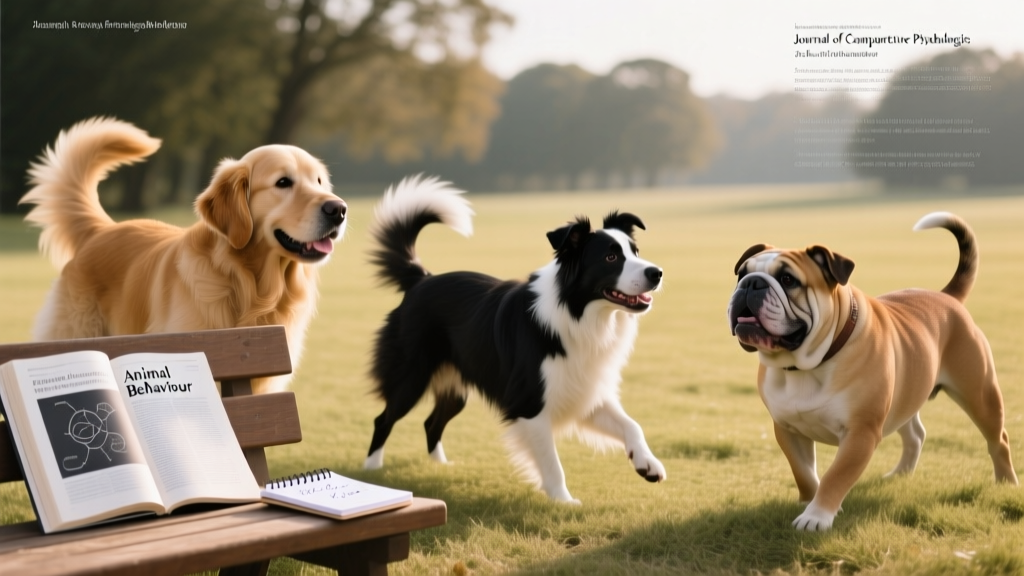
Tail wagging is one of the most misunderstood forms of canine communication. While a wagging tail often signals happiness, the full picture is far more nuanced and revealing.
The Direction Matters
Research from the University of Trent has shown that dogs wag more to the right when experiencing positive emotions and more to the left when feeling negative emotions. Other dogs can actually detect these asymmetries and respond accordingly.
Speed and Height Combinations
- Fast, high wag: Arousal or potential agitation — assess the full body language
- Slow, mid-height wag: Cautious curiosity or mild interest
- Loose, wide sweeping wag: Genuine friendliness and relaxation
- Tucked tail with slight wag: Fear or submission with some appeasement intent
- Stiff, vibrating wag: High arousal — could indicate aggression or intense excitement
Breed Considerations
Some breeds naturally carry their tails differently. Huskies curl over their backs, Greyhounds carry them low, and some breeds are born with short or docked tails. Always interpret tail signals alongside other body language cues.
The Whole Body Picture
Tail position alone tells only part of the story. Combine tail observations with ear position, facial expression, body tension, and vocalizations for accurate interpretation. A relaxed body with a mid-speed wag typically signals a content dog.
Anouk Beaumont
All our authors care for dogs every day — read more of their work on the authors page.