Dog Sleeping Positions: What They Reveal
Curled balls conserve heat, belly-up means trust, and sprawled positions show readiness. Learn what your dog's sleep posture reveals.
Decoding Your Dog's Sleep Posture
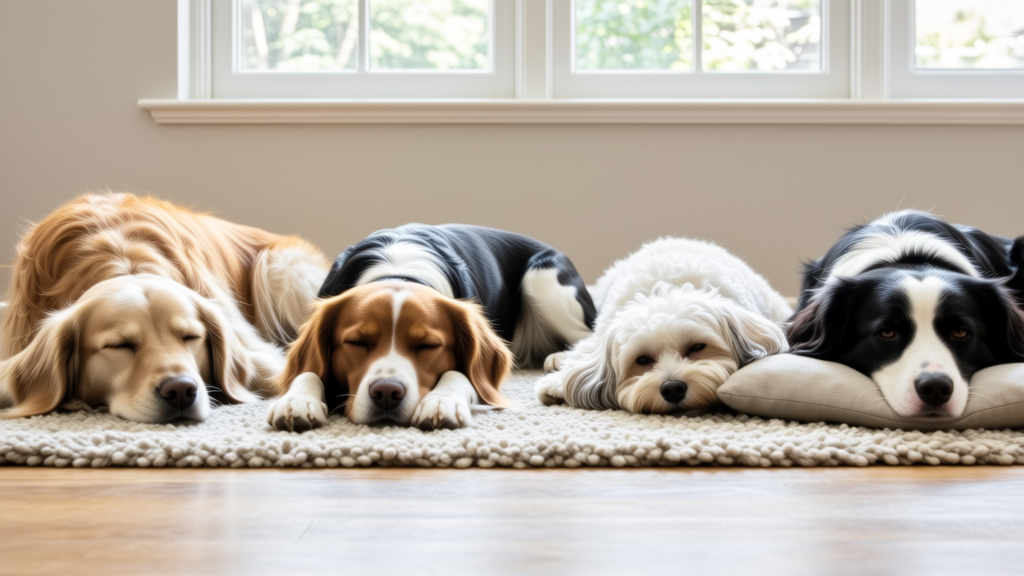
How your dog chooses to sleep reveals their emotional state, temperature regulation needs, and sense of security. Unlike conscious body language, sleeping positions are largely unconscious, making them some of the most honest signals your dog sends about how they feel in their environment.
Common Sleeping Positions and Their Meanings
- Curled ball: The most primal sleeping position, protecting vital organs and conserving body heat. Common in new dogs, rescue dogs, and during cold weather. Wild canids sleep this way for survival.
- Belly up: The ultimate sign of trust and comfort. A dog exposing their vulnerable abdomen feels completely safe in their environment. This position also helps dogs cool down in warm weather.
- Side sleeper: The most common position in secure, comfortable dogs. Side sleeping allows deeper REM sleep because the dog feels no need to maintain defensive readiness.
- Splooting (legs stretched behind): Indicates a dog that is deeply relaxed and temperature-regulating. The extended position maximizes surface area for heat dissipation.
- Back-to-back with owner: A pack bonding behavior. Your dog is literally watching your back while trusting you to watch theirs.
When Sleeping Positions Signal Problems
Changes in sleeping patterns warrant attention. A dog that suddenly stops sleeping on their back may be experiencing pain. A dog that starts sleeping in hidden, isolated locations may be ill or anxious. Conversely, a newly adopted dog transitioning from curled to side sleeping is a reliable indicator that they're settling in and building trust with their new family.
Marcus Aldridge
All our authors care for dogs every day — read more of their work on the authors page.