Dog Lip Licking: Stress Signal or Just Hungry?
Lip licking in dogs often signals stress, not hunger. Learn to read this subtle calming signal and respond appropriately.

What’s Really Behind That Quick Lip Lick?
Have you ever watched your dog pause mid-play, glance sideways at the door, and give a soft, almost imperceptible lick of their lips? Or maybe they do it repeatedly while sitting beside you on the couch—even though there’s no food in sight? It’s easy to dismiss this as just “doggy hygiene” or assume they’re dreaming of dinner. But lip licking is one of the most underrated and misunderstood canine communication signals. In fact, veterinarians and certified dog behaviorists recognize it as a frequent *calming signal*—a subtle way dogs try to soothe themselves or defuse tension. That doesn’t mean hunger is never involved (especially right before mealtime!), but context is everything. Think of lip licking like a whisper: it’s easy to miss, but when you learn to listen, it tells you volumes about how your dog is feeling.
When Lip Licking Signals Stress (Not Snacks)
Lip licking becomes especially meaningful when it appears out of the blue—or in situations that aren’t obviously food-related. Dr. Patricia McConnell, an ethologist and certified applied animal behaviorist, documented this behavior extensively in her work on canine body language. She found that dogs often lick their lips in response to mild stressors: a child running too close, a new person reaching toward their head, or even a sudden change in tone during training. These aren’t signs of fear so much as early warnings—like your dog gently tapping the brakes before things escalate.
Here are three real-life examples where lip licking signaled stress—not hunger:
- The Vet Visit: Your dog licks their lips repeatedly while waiting in the exam room, even though they haven’t eaten in hours and the technician hasn’t offered treats. Their ears are slightly back, tail is low, and they avoid eye contact. This is classic stress signaling—not anticipation.
- The Over-Enthusiastic Guest: A friend bends down to pet your dog without asking first. Your dog turns their head away, blinks slowly, and gives three quick lip licks. They’re politely saying, “I’m not comfortable with this.”
- The Leash Tug: During walks, your dog starts lip licking every time another dog approaches—even if they’ve never shown aggression. They may also stiffen or take slower steps. This signals uncertainty, not hunger.
Crucially, these lip licks are typically *rapid, repetitive, and occur without obvious food cues*. They’re often paired with other calming signals: yawning, turning the head away, scratching, or sniffing the ground suddenly. When you see this cluster of behaviors, it’s time to pause and reassess the situation—not reach for a treat.
How to Tell the Difference: Hunger vs. Stress
Telling hunger from stress isn’t guesswork—it’s about pattern recognition and timing. Here’s a practical checklist you can use next time you notice lip licking:
- Timing matters: Does it happen *only* around mealtimes, near the food bowl, or when you open the treat jar? If yes—and it’s accompanied by tail wags, eager eye contact, and pacing—chances are it’s hunger-driven.
- Body language tells the story: A hungry dog usually has relaxed posture, bright eyes, and may nudge your hand or stare intently at your plate. A stressed dog often has tense muscles, half-moon eyes (showing white), flattened ears, or a tucked tail—even while licking.
- Environment matters: Is something new, loud, or unpredictable happening? A thunderclap, a visitor’s suitcase rolling down the hall, or even your own raised voice can trigger stress licking within seconds.
- Does it stop when you remove the trigger? Try calmly stepping between your dog and the source of discomfort (e.g., a barking neighbor or overeager toddler). If the lip licking stops within 10–15 seconds and your dog sighs or shakes off, that’s strong evidence it was stress-related.
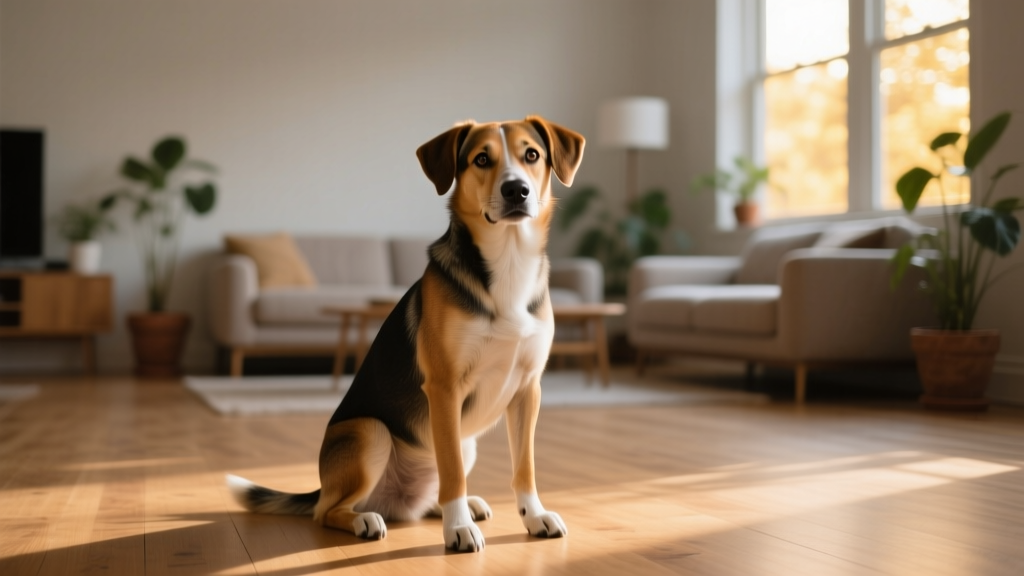
One simple test: offer a high-value treat *in a calm, neutral setting*—like your quiet living room. If your dog takes it eagerly and without lip licking, then later licks their lips intensely while meeting a new dog at the park, the contrast confirms context is key. You’re not reading their mind—you’re reading their environment.
What to Do Next: Practical Steps You Can Take Today
Recognizing lip licking is powerful—but only if it leads to kind, effective action. Here’s how to respond wisely, whether your dog is stressed or simply snack-curious:
For stress-related lip licking: First, don’t punish or ignore it. That silent “please slow down” deserves respect. Instead, create space: gently guide your dog away from the trigger, offer a safe retreat (like their crate with a chew), or change the subject with a familiar cue like “touch” or “find it” (tossing a few kibble pieces on the floor). Over time, pair low-level stressors with positive experiences—like having guests toss treats *from a distance*, gradually decreasing proximity only if your dog remains relaxed (no lip licking, no yawning, no whale eye).
For hunger-related licking: Use it as a cue to reinforce routine. If your dog licks lips consistently 10 minutes before dinner, start prepping their meal at that time—this builds predictability and reduces anticipatory anxiety. Just avoid feeding *immediately* after lip licking begins; instead, add a brief 30-second “settle” cue first (e.g., “bed” or “wait”) so they learn patience, not pushiness.
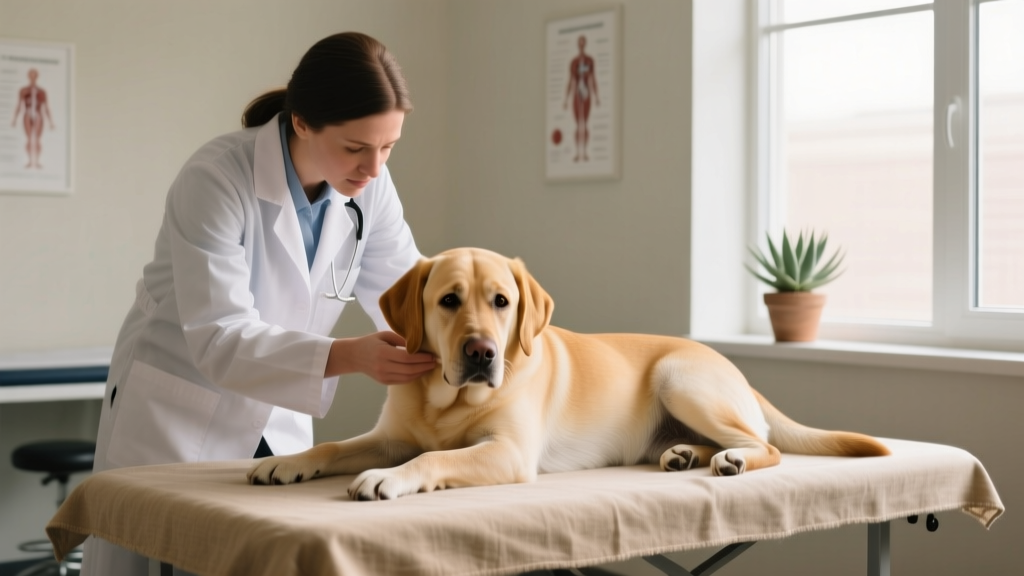
When to consult a professional: If lip licking happens constantly—even at home, during rest, or while sleeping—or appears alongside other signs like excessive panting, drooling, paw licking, or loss of appetite, schedule a vet visit. Dental pain, nausea, or neurological issues can sometimes mimic stress behaviors. And if your dog’s stress signals escalate to growling, snapping, or shutting down regularly, a certified dog behavior consultant (look for IAABC or CCPDT credentials) can help build confidence safely.
Remember: your dog isn’t misbehaving when they lick their lips. They’re communicating—in the only way they know how. Every time you notice, pause, and respond with empathy, you strengthen trust. And that? That’s the tastiest thing your dog will ever get from you.
Marcus Aldridge
All our authors care for dogs every day — read more of their work on the authors page.