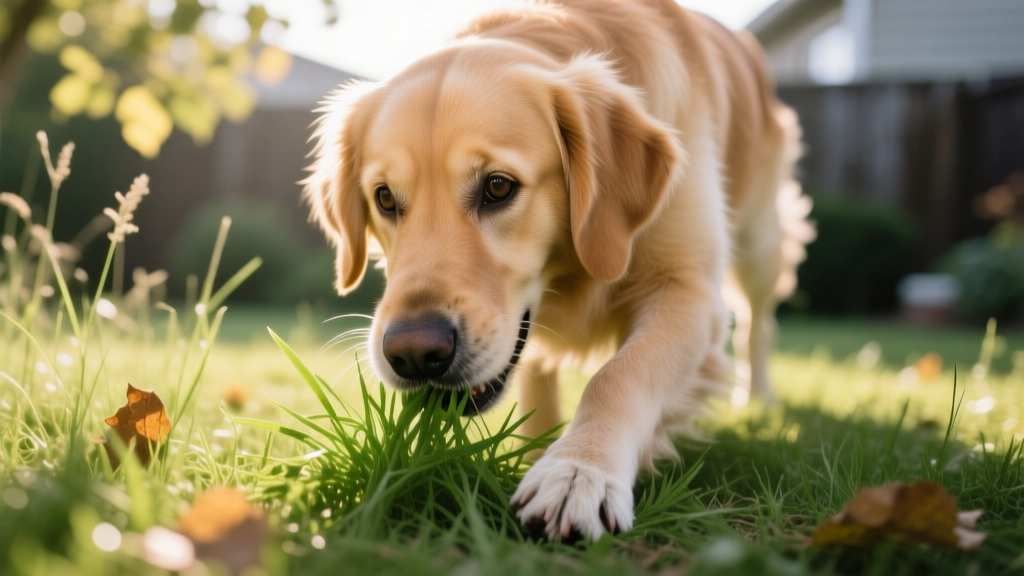
Dog Insect Bite Pictures
Use dog insect bite pictures to identify stings, then follow our force-free behavior protocol to stop obsessive licking and scratching at bite sites.

When your dog suddenly starts pawing, licking, or chewing at a specific spot on their body, one of the first things you should check for is an insect bite or sting. Searching for dog insect bite pictures can help you visually identify what's causing your dog's discomfort — but the real challenge often isn't just recognizing the bite. It's managing the obsessive licking, scratching, and self-trauma behaviors that follow.
In my years working with dog owners and veterinary teams, I've seen countless cases where a single bee sting or cluster of flea bites triggered days of compulsive grooming that led to hot spots, open wounds, and secondary infections. This guide walks you through identifying common insect bites using visual cues, understanding why some dogs develop obsessive post-bite behaviors, and implementing a force-free training protocol to break the cycle.
Identifying Insect Bites on Dogs: A Visual Reference Guide
Before you can address the behavioral fallout, you need to confirm what you're dealing with. Here's how common insect bites and stings present on canine skin, organized to help you compare what you're seeing against dog insect bite pictures you may find online.
| Insect | Appearance on Skin | Common Locations | Behavioral Signs | Danger Level |
|---|---|---|---|---|
| Bee/Wasp Sting | Raised welt, central punctum (stinger site), rapid swelling within 5-20 minutes | Face, muzzle, paws, belly | Sudden yelp, pawing at face, rubbing on ground | Moderate-High (anaphylaxis risk) |
| Flea Bites | Clusters of small red papules (2-3mm), often in lines or groups of 3 | Base of tail, groin, inner thighs, belly | Persistent scratching, biting at tail base, scooting | Low (but tapeworm/allergy risk) |
| Mosquito Bites | Small raised bumps (1-2mm), less defined than flea bites, may appear singly | Ears, nose bridge, sparsely-haired belly | Occasional scratching, head shaking | Moderate (heartworm vector) |
| Fire Ant Stings | Pustules forming 24-48hrs post-sting, arranged in circular patterns | Paws, legs, belly (ground-contact areas) | Frantic licking, lifting paws, whining | High (multiple stings, anaphylaxis) |
| Tick Attachment | Visible engorged body; after removal, a firm nodule (1-2cm) with central crater | Ears, neck, between toes, armpits | Scratching at specific spot, head shaking | High (Lyme, Ehrlichia, anaplasmosis) |
| Spider Bite (non-venomous) | Localized redness, swelling, possible bull's-eye pattern; slower onset (hours) | Anywhere, often legs or belly | Intermittent licking, guarding area | Low-Moderate (watch for necrosis) |
According to the Merck Veterinary Manual, the inflammatory response to insect venom varies significantly between individual dogs. Some show minimal reaction while others develop dramatic swelling — and the behavioral response doesn't always correlate with the severity of the visible bite.
Behavior Definition: When Post-Bite Licking Becomes a Problem
Post-bite grooming becomes a behavior problem (rather than a normal self-care response) when it crosses these thresholds:
- Duration: Licking episodes lasting longer than 5-10 continuous minutes, or repeated sessions totaling more than 30 minutes per hour
- Tissue damage: Visible hair loss, erythema (redness), excoriation (broken skin), or moist dermatitis (hot spot formation) at the site
- Displacement: Dog cannot be redirected from the behavior using voice, treats, or gentle physical interruption
- Generalization: Licking spreads to adjacent uninjured areas or becomes a compulsive habit even after the bite has healed
- Sleep disruption: Dog wakes repeatedly to lick/chew, or cannot settle due to fixation on the site
If your dog meets 2 or more of these criteria, you're dealing with a behavior pattern that needs active management — not just a topical treatment.
Normal post-bite behavior includes a few minutes of investigation, some brief licking, and occasional glancing at the area over the next day or two. The problem arises when the licking becomes self-reinforcing — the act of licking releases endorphins in dogs, which means the behavior can become its own reward independent of the original itch stimulus.
Root Cause Analysis: Why Dogs Obsess Over Insect Bites
Before starting any behavior modification, identify which underlying driver(s) are fueling your dog's obsessive bite-site attention:
- Allergic Hypersensitivity (Medical) — Dogs with flea allergy dermatitis (FAD) or atopic dermatitis experience exponentially more intense itch responses. A single flea bite can trigger 5-7 days of severe pruritus. According to AVMA resources on parasite control, approximately 40% of dogs with flea exposure develop some degree of FAD.
- Acute Pain Response — Fire ant stings, bee stings, and spider bites cause genuine pain, not just itch. Dogs lick painful areas as a self-soothing mechanism. The licking persists because it provides temporary endorphin-mediated relief.
- Anxiety Amplification — Dogs with baseline anxiety (separation anxiety, noise phobia, generalized anxiety) tend to develop more intense and prolonged compulsive grooming responses. The bite becomes a focal point for displaced anxious energy.
- Learned Attention-Seeking — If owners consistently respond to licking with attention (even negative attention like "stop it" or physical redirection), some dogs learn that licking the bite site produces social interaction.
- Boredom/Understimulation — Dogs without adequate physical exercise and mental enrichment fixate on minor physical sensations that a well-stimulated dog would ignore. The bite provides something to "do."
Most cases involve a combination of these factors. A dog with mild atopic dermatitis (medical) who is also under-exercised (boredom) and has an anxious temperament is far more likely to develop obsessive post-bite behavior than a well-exercised, non-allergic, confident dog experiencing the same bite.
Medical Rule-Out: When to See the Vet Before Training
This step is non-negotiable. Before implementing any behavior modification protocol, you must rule out or treat the medical conditions that could be driving or amplifying the obsessive behavior. Training a dog to stop licking when they're experiencing untreated pain or allergic pruritus is both ineffective and inhumane.
Schedule a veterinary exam before starting behavior modification if your dog shows ANY of the following:
- ☐ Swelling that continues to expand 2+ hours after the bite
- ☐ Facial or muzzle swelling (especially near eyes or airway)
- ☐ Hives (urticaria) appearing across multiple body areas
- ☐ Vomiting, diarrhea, or signs of systemic illness
- ☐ Bite site that is hot to the touch, oozing pus, or has a foul odor
- ☐ Licking that persists beyond 72 hours despite basic first aid
- ☐ Multiple bites (fire ant mounds, heavy flea burden — 10+ bites)
- ☐ Known history of allergic reactions to insect stings
- ☐ Lethargy, fever (normal dog temp: 101-102.5°F / 38.3-39.2°C), or appetite loss
- ☐ Signs of tick-borne illness appearing 7-21 days post-removal (lameness, joint swelling, fever)
Emergency — Call your vet or emergency clinic NOW if: difficulty breathing, facial/throat swelling, collapse, seizures, or pale/white gums. These indicate anaphylaxis and require immediate epinephrine and IV support.
Your veterinarian may recommend diagnostic tests including skin cytology ($45-$85) to check for secondary bacterial or yeast infection, allergy testing (intradermal or serum IgE, $250-$500), or bloodwork to rule out underlying conditions like hypothyroidism that can worsen skin health and compulsive behaviors. Treatment may include a course of Apoquel (oclacitinib, typically $2-$4 per pill depending on dose) for itch control, antibiotics for secondary infection, or a single steroid injection ($25-$50) for acute inflammation.
Immediate Management: Preventing Rehearsal While You Train
Every time your dog licks or chews the bite site, they're rehearsing the behavior — strengthening the neural pathway that makes it more likely to recur. Effective behavior modification requires you to prevent rehearsal while simultaneously teaching alternative behaviors. Here's how to manage the environment immediately:
Physical Barriers (Use These First)
- Elizabethan collar (E-collar): The classic cone remains the gold standard for preventing access. Rigid plastic cones (available at most vet clinics for $12-$25) are more reliable than inflatable or fabric alternatives for determined lickers. Size it so the cone extends 2-3 inches beyond the nose tip.
- Recovery suit or medical pet shirt: For torso bites, a fitted recovery suit ($20-$45 on major pet retailers) prevents access while being less stressful than a cone for many dogs. Brands like Suitical and ProCollar offer washable options.
- Bitter deterrent sprays: Products containing denatonium benzoate (e.g., Bitter Apple, Bitter Yuck) applied to the surrounding fur — not on open wounds — can discourage licking. Effectiveness varies: approximately 60-70% of dogs find the taste aversive enough to stop, but some dogs habituate within 2-3 days.
- Light bandaging: For limb bites, a loose gauze wrap with vet wrap (not adhesive tape directly on fur) can block access. Ensure you can fit two fingers under the wrap — never restrict circulation. Change daily.
Environmental Management
- Increase physical exercise by 15-20 minutes daily (additional walks, flirt pole sessions, swimming) to reduce residual anxious energy
- Provide 2-3 frozen enrichment items per day: Kongs stuffed with peanut butter and frozen overnight ($12-$18 for classic Kong), frozen broth-soaked kibble in muffin tins, lick mats with yogurt ($8-$15 for Hyper Pet IQ mats)
- Supervise all unstructured time — use baby gates, exercise pens, or tethering to keep the dog in your visual range
- Crate rest with a long-lasting chew (bully sticks, $3-$8 each; yak cheese chews, $5-$12) during times you cannot actively supervise
Step-by-Step Training Protocol: Breaking the Licking Cycle
This protocol uses positive reinforcement, counter-conditioning, and differential reinforcement of incompatible behavior (DRI). No punishment, no aversive tools.
Phase 1: Interrupt and Redirect (Days 1-5)
- When you observe your dog approaching or beginning to lick the bite site, use a neutral interrupter cue — a soft "ah-ah" or a kissy sound. Do NOT yell or startle.
- Immediately present a high-value treat (boiled chicken, cheese, liver) within 1-2 seconds of the interruption. The treat must be more motivating than the licking.
- Ask for an incompatible behavior: "sit," "touch" (hand target), or "go to mat." These behaviors physically prevent licking.
- Reward the incompatible behavior with 3-5 treats delivered over 10-15 seconds (prolongs the non-licking window).
- Repeat consistently: every single licking attempt must be interrupted and redirected. Aim for 100% consistency during waking hours for the first 5 days.
Phase 2: Build Duration (Days 6-14)
- Begin rewarding "checking" behavior — when your dog glances at the bite site but does NOT lick. Mark with "yes!" and deliver a treat. This reinforces the decision not to lick.
- Gradually increase the time between the redirect and the treat delivery: 2 seconds, then 5, then 10. This builds impulse control.
- Introduce a "leave it" cue specifically for the bite site: cover the area with your hand, say "leave it," reward with a treat from your other hand when the dog looks away.
- Begin short (3-5 minute) supervised sessions without the cone/barrier, practicing the redirect protocol. If licking resumes immediately, the dog isn't ready — replace the barrier and continue Phase 1 for 3 more days.
Phase 3: Generalization and Fading Support (Days 15-30)
- Practice the redirect protocol in multiple locations and contexts (different rooms, after walks, during calm evening time).
- Gradually increase unsupervised time without barriers: start with 5-minute intervals, then 15, then 30.
- Transition from high-value treats to medium-value (kibble, training biscuits) for successful redirects, reserving high-value for difficult moments.
- Continue daily enrichment and exercise at the increased level permanently — this isn't just about the bite, it's about overall behavioral health.
Counter-Conditioning for Bite-Site Sensitivity
If your dog has developed an emotional response to the area (guarding, flinching when touched near the site, or anxiety-driven fixation), add counter-conditioning:
- Gently touch an area 6+ inches away from the bite site → treat
- Over successive sessions, gradually move your touch closer: 4 inches, 2 inches, 1 inch, then the site itself
- Each touch is paired with a high-value food reward delivered within 1 second
- If the dog shows tension (stiffening, lip licking, whale eye), you've moved too close too fast — back up 2 inches
- This process typically takes 10-20 sessions over 2-3 weeks
Tools That Help vs. Tools to Avoid
| ✅ Tools That Help | ❌ Tools to Avoid |
|---|---|
| E-collar (rigid plastic) — $12-$25. Most reliable physical barrier. Size correctly. | Shock/bark collars — Punishing a dog for licking a painful area increases anxiety and can worsen compulsive behavior. Studies show increased cortisol and stress indicators. |
| Frozen Kongs and lick mats — $8-$18. Licking a designated enrichment item provides the same endorphin release as wound-licking, but redirects to an appropriate outlet. | Alpha rolls / physical domination — Physically forcing a dog onto its back creates fear, damages trust, and does nothing to address the underlying itch/pain driving the behavior. |
| Snuffle mats and puzzle feeders — $15-$35 (Outward Hound, Nina Ottosson). Mental enrichment that reduces boredom-driven fixation. | Prong/pinch collars — Pain-based correction applied to a dog already experiencing physical discomfort. Compounding pain with pain is never appropriate. |
| Calming aids (Adaptil diffuser, ThunderShirt) — $20-$50. Pheromone-based calming can reduce anxiety-driven compulsive grooming. Clinical studies show modest but real effects. | Yelling or physical punishment — Increases stress, which amplifies itch perception and compulsive behavior cycles. |
| Clicker and treat pouch — $5-$15. Essential for marking the exact moment your dog chooses not to lick. Precision timing matters. | Hot sauce or cayenne on wounds — Causes severe pain on broken skin and can lead to GI distress if ingested. Never apply irritants to open wounds. |
Progress Timeline: Realistic Expectations
| Timeframe | Expected Milestone | What You Should See |
|---|---|---|
| Days 1-3 | Management established | Physical barriers in place, enrichment schedule started. Dog may still attempt to lick but is physically prevented. Some frustration behavior (whining, pacing) is normal. |
| Days 4-7 | Redirect response forming | Dog begins to respond to interrupter cue within 2-3 seconds. May start offering incompatible behaviors (sit, look at you) without prompting. |
| Days 8-14 | Reduced fixation | Licking attempts decrease by 50-70%. Dog can tolerate 5-10 minute barrier-free supervised sessions. Bite site should show visible healing. |
| Days 15-21 | Self-control emerging | Dog glances at site but doesn't lick, even without barriers during supervised time. Responds to "leave it" cue reliably. |
| Days 22-30 | Generalization complete | Dog tolerates extended barrier-free time. May need occasional redirects but self-corrects quickly. Healing should be complete. |
| Days 30+ | Maintenance | Behavior resolved for this bite. Continue enrichment and exercise baseline. Be prepared to restart protocol if new bites occur — each incident is a separate event. |
Note: Dogs with underlying anxiety disorders, severe allergies, or prior history of compulsive behaviors may require 6-8 weeks or longer. This timeline assumes a medically-managed bite with no complicating factors.
When to Hire a Professional: Behaviorist vs. Trainer
Contact a certified professional if you observe any of the following:
- The licking has caused a wound larger than 1 inch in diameter that isn't healing
- Your dog shows aggression (growling, snapping, biting) when you attempt to redirect or apply barriers
- The behavior has generalized to licking multiple body areas without visible bites
- You've followed the protocol consistently for 14+ days with no improvement
- Your dog has a known history of compulsive disorders (flank sucking, tail chasing, shadow chasing)
- The behavior recurs with every minor skin irritation despite previous successful resolution
Who to hire:
- Certified Applied Animal Behaviorist (CAAB): PhD-level professionals with advanced training in animal behavior. Best for complex compulsive disorders. Cost: $150-$350 per consultation. Find through the Animal Behavior Society.
- Diplomate of Veterinary Behavior (DACVB): Veterinarians board-certified in behavior. Can prescribe medications (fluoxetine, clomipramine, trazodone) that may be necessary for true compulsive disorders. Cost: $200-$500 per consultation. Find through the American College of Veterinary Behaviorists.
- Certified Professional Dog Trainer (CPDT-KA): Suitable for straightforward redirect training and management guidance. Cost: $75-$150 per session. Look for force-free certification and LIMA (Least Intrusive, Minimally Aversive) methodology.
Prevention: Protecting Puppies and Newly Adopted Dogs
The best approach to post-bite obsessive behavior is preventing the bites in the first place and building resilient behavioral foundations early:
Insect Bite Prevention
- Year-round flea/tick preventive: Products like Bravecto ($45-$65 per dose, 12-week coverage), NexGard ($20-$30 per month), or Simparica Trio ($25-$40 per month) dramatically reduce flea and tick bites. According to AKC health resources, consistent preventive use is the single most effective strategy.
- Heartworm preventive (mosquito protection): While primarily for heartworm prevention, monthly ivermectin-based products (Heartgard Plus, $8-$15/month) or topical moxidectin (Advantage Multi) reduce mosquito bite frequency.
- Yard management: Eliminate standing water (mosquito breeding), keep grass short (tick habitat), seal gaps under decks (spider habitat), and treat fire ant mounds with pet-safe products like Spinosad-based baits ($15-$25).
- Avoid high-risk areas during peak seasons: Fire ants are most active in warm, humid conditions. Ticks peak in spring and fall. Mosquitoes concentrate at dawn and dusk.
Building Behavioral Resilience
- Body handling desensitization (puppies 8-16 weeks): Gently touch paws, ears, belly, and tail daily, pairing each touch with treats. Dogs comfortable with handling are easier to examine and treat when bites occur.
- "Leave it" cue training: Teach a reliable "leave it" before you need it. Start with food on the floor, progress to toys, then environmental objects. A dog with a strong "leave it" can be redirected from their own body.
- Enrichment baseline: Establish daily mental stimulation (puzzle feeders, training sessions, scent work) as a permanent part of your routine. Well-enriched dogs are less likely to fixate on minor irritations.
- Crate comfort: A dog who is comfortable in a crate can be easily managed during recovery periods without developing secondary anxiety.
Frequently Asked Questions
Why does my dog obsessively lick an insect bite?
Licking releases endorphins — natural pain-relieving and pleasure-producing chemicals — in a dog's brain. What starts as a response to itch or pain can become self-reinforcing because the act of licking itself feels good. Dogs with allergies, anxiety, or insufficient enrichment are more prone to developing this self-perpetuating cycle. The lick feels soothing, so the dog licks more, which causes more tissue irritation, which creates more itch, which drives more licking.
How do I stop my dog from licking an insect bite?
Use a three-pronged approach: (1) Physical barriers like an E-collar or recovery suit to prevent immediate access, (2) veterinary treatment to address the underlying itch and inflammation with medications like Apoquel or a steroid injection, and (3) positive reinforcement training to reward your dog for choosing not to lick. Interrupt licking attempts with a neutral sound, redirect to an incompatible behavior like "sit" or "touch," and reward generously with high-value treats. Never punish licking — it increases anxiety and worsens the behavior.
Is obsessive licking after an insect bite normal?
Brief investigation and a few minutes of licking after a bite is normal canine behavior. Obsessive licking — defined as continuous licking lasting more than 5-10 minutes, repeated sessions totaling over 30 minutes per hour, or licking that causes visible tissue damage — is NOT normal and indicates either severe pruritus (requiring veterinary treatment) or a developing compulsive behavior pattern (requiring behavior modification). If the licking has caused a hot spot or open wound, it has crossed well beyond normal.
How long will it take to fix obsessive bite-site licking?
For a straightforward case (single bite, no allergies, no anxiety disorder, consistent training), expect 2-4 weeks to see reliable improvement. Dogs with underlying allergic skin disease may need ongoing veterinary management alongside behavior work. Dogs with compulsive tendencies or severe anxiety may require 6-8 weeks of consistent protocol plus possible behavioral medication. There is no guaranteed timeline — individual variation is significant. What matters is consistency: every licking attempt must be managed, every non-licking choice must be rewarded.
Should I use punishment to correct my dog's licking?
No. Punishment — including shock collars, yelling, physical corrections, or applying painful substances to the wound — is counterproductive and harmful. Your dog is licking because of a physical sensation (itch, pain) or an emotional state (anxiety, boredom). Adding pain or fear to that equation increases stress hormones, which actually amplifies itch perception and compulsive behavior. Research published in the Journal of Veterinary Behavior consistently shows that force-free methods produce better outcomes with fewer side effects than aversive approaches. Address the root cause medically, manage the environment physically, and teach alternatives through positive reinforcement.
When do I need a professional behaviorist?
Consult a certified behavior professional (CAAB or DACVB) if: the licking has caused significant wounds that aren't healing, your dog shows aggression when interrupted, the behavior has generalized beyond the original bite site, you've followed a consistent protocol for 2+ weeks without improvement, or your dog has a history of other compulsive behaviors. A veterinary behaviorist (DACVB) is particularly valuable because they can assess whether behavioral medication (such as fluoxetine or clomipramine) is warranted alongside behavior modification. Medication is not a last resort — it's a tool that can make training possible for dogs whose neurochemistry makes self-control extremely difficult.
If your dog has been bitten by a venomous spider (black widow, brown recluse), stung by multiple bees/wasps/fire ants, or shows signs of anaphylaxis (facial swelling, difficulty breathing, collapse, vomiting, pale gums), seek emergency veterinary care immediately.
ASPCA Animal Poison Control: (888) 426-4435 (24/7, consultation fee applies)
Pet Poison Helpline: (855) 764-7661 (24/7, consultation fee applies)
Understanding what you're looking at in dog insect bite pictures is only the first step. The real work — preventing your dog from turning a minor bite into a major behavioral problem through obsessive licking — requires patience, consistency, and a commitment to force-free methods. By combining proper veterinary care for the physical reaction with evidence-based behavior modification for the compulsive response, you can break the cycle and help your dog heal comfortably.
Tom Renshaw
All our authors care for dogs every day — read more of their work on the authors page.