Why Does My Dog Chew Everything? A Complete Behavior Modification Guide
Why dogs chew destructively & how to stop it. Evidence-based behavior modification protocols, root cause analysis, & realistic timelines for fixing dog...

What Qualifies as Destructive Dog Chew Behavior?
Normal chewing: Dogs explore the world with their mouths. Puppies chew during teething (3–7 months), and adult dogs chew for 10–20 minutes daily on appropriate items like bully sticks or rubber toys. This is healthy jaw exercise and mental stimulation.
Destructive chewing (the problem): Your dog is displaying a chew behavior problem when they:
- Destroy household items (shoes, furniture, baseboards, remotes) more than 3 times per week
- Chew items when left alone but not when supervised (separation-related)
- Consume non-food objects (pica behavior) — this crosses into medical territory
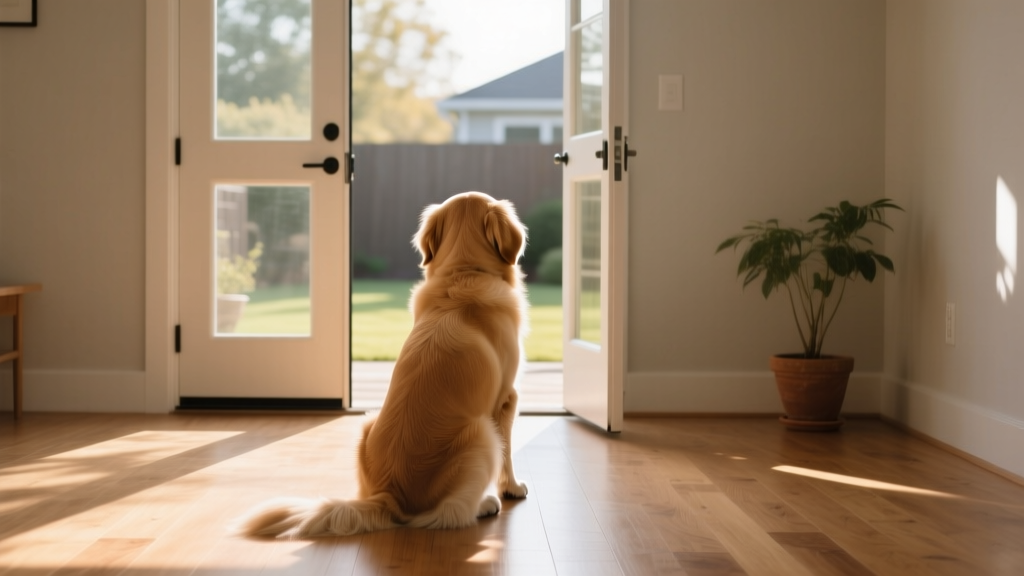
- Focus chewing on door frames, window sills, or exit points (barrier frustration or separation anxiety)
- Spend over 30 minutes obsessively chewing a single non-toy item
Threshold for intervention: If you're replacing household items monthly or your dog has ingested something dangerous (socks, rocks, wood splinters), this behavior needs immediate management and a structured training protocol.
Destructive chewing costs dog owners an estimated $300–$2,000 annually in replaced belongings, according to pet insurance claim data. More critically, it's one of the top three reasons dogs are surrendered to shelters. The good news: with the right approach, most dog chew problems are resolvable within 4–12 weeks.
Root Cause Analysis: Why Does My Dog Chew Everything?
Before you can stop your dog from chewing inappropriate items, you need to identify what's driving the behavior. Dogs don't chew your favorite sneakers out of spite — that's anthropomorphizing. There's always a functional reason.
1. Teething (Puppies 3–7 Months)
Puppies have 28 deciduous teeth that are replaced by 42 adult teeth. The eruption process causes gum inflammation and discomfort. Chewing provides counter-pressure relief. This is developmental and temporary — but habits formed during this window can persist into adulthood if not redirected.
2. Boredom and Under-Stimulation
Dogs need 30–120 minutes of daily physical exercise (breed-dependent) plus 15–30 minutes of mental enrichment. A Border Collie left alone for 8 hours with no stimulation will find its own entertainment — usually by chewing. Working and sporting breeds are especially vulnerable. Signs: chewing occurs primarily during mid-day hours, targets multiple items, and the dog seems "wired" when you return.
3. Separation Anxiety
An estimated 20–40% of dogs experience some form of separation anxiety, per the ASPCA. Chewing linked to anxiety typically concentrates on exit points (door frames, blinds, window sills) or items that smell strongly of the owner (pillows, worn clothing). Other indicators: pacing, drooling, vocalization within 30 minutes of departure, and house soiling in a previously house-trained dog.
4. Barrier Frustration and Confinement Distress
Dogs crated too long (beyond their bladder capacity or tolerance threshold) or confined without gradual acclimation may chew crate bars, bedding, or nearby walls. This differs from separation anxiety — the dog is frustrated by the physical barrier, not necessarily distressed by your absence.
5. Nutritional Deficiencies or Pica
Compulsive consumption of non-food items (cloth, rocks, plastic, dirt) can signal pica — a condition sometimes linked to mineral deficiencies, gastrointestinal disease, or compulsive disorder. If your dog is eating rather than just chewing non-food objects, this requires veterinary evaluation before behavior modification.
Medical Rule-Out: When to See Your Vet First
Behavior modification will fail if the chewing is rooted in an untreated medical condition. Always rule out physical causes before investing weeks in a training protocol.
Schedule a veterinary exam if your dog displays any of these:
| Red Flag Symptom | Possible Underlying Condition | Diagnostic Tests to Expect | Estimated Cost Range |
|---|---|---|---|
| Sudden onset chewing in an adult dog (over 2 years) with no prior history | Dental pain, oral tumors, gastrointestinal discomfort | Full oral exam, dental radiographs, bloodwork | $150–$500 |
| Eating non-food objects (pica) — rocks, fabric, dirt, plastic | Mineral deficiency, anemia, GI disease, compulsive disorder | CBC, chemistry panel, fecal analysis, abdominal ultrasound | $200–$800 |
| Chewing accompanied by weight loss, vomiting, or diarrhea | Malabsorption, exocrine pancreatic insufficiency (EPI), parasites | TLI test, fecal float, cobalamin/folate levels | $150–$400 |
| Increased restlessness, panting, and chewing at night | Cognitive dysfunction (senior dogs), hyperthyroidism (rare in dogs), pain | Thyroid panel, cognitive assessment questionnaire | $100–$350 |
| Chewing focused on own body (paws, tail, flanks) | Allergies (atopic dermatitis), flea allergy dermatitis, neuropathic pain | Skin scrape, allergy testing, trial elimination diet | $200–$1,200 |
Consult your veterinarian before starting any behavior modification program if your dog's chewing is new, sudden, or accompanied by other physical symptoms. Pain-driven chewing will not respond to training — the underlying condition must be treated first.
Immediate Management: Stop the Rehearsal
Every time your dog successfully chews a forbidden item, the behavior is reinforced. The neural pathway strengthens. Your first priority isn't training — it's preventing rehearsal while you build a longer-term plan.
Environmental Management Protocol
Step 1: Dog-proof each room (Day 1)
- Remove all accessible items from floor level up to your dog's standing reach (typically 24–36 inches for medium breeds, up to 48 inches for large breeds that can reach countertops)
- Use bitter apple spray (Grannick's Bitter Apple, $8–$12 per 16 oz bottle) on baseboards, furniture legs, and electrical cords. Reapply every 48–72 hours as the taste fades
- Install baby gates to limit access to high-risk rooms (home offices, children's rooms with small toys)
- Use cord concealers ($12–$20 for a 6-channel kit) for all visible electrical wiring — chewed electrical cords cause oral burns and are a genuine emergency
Step 2: Provide appropriate chew alternatives (Day 1)
- Stock 5–8 approved chew items of varying textures: rubber (Kong Classic, $12–$18), nylon (Benebone Wishbone, $14–$22), edible (Yak cheese chews, $15–$25 for a 3-pack), and natural (antler splits, $18–$30)
- Rotate chews every 2–3 days to maintain novelty — dogs habituate to the same item within 72 hours
- Freeze Kong toys stuffed with peanut butter and banana for 4–6 hours; frozen chews provide 25–40 minutes of engagement versus 5–10 minutes for room-temperature versions
Step 3: Supervise or confine (ongoing)
- When you cannot actively watch your dog, confine them to a dog-proofed area: a crate (if crate-trained), an exercise pen, or a single room with gates
- Never leave a dog unsupervised with full house access until they've gone 4 consecutive weeks with zero inappropriate chewing incidents
- Use a long line (15–30 ft cotton training lead, $12–$18) indoors to tether the dog to you during high-risk times (evenings, weekends when routines change)
Step-by-Step Training Protocol to Stop Destructive Chewing
This protocol uses positive reinforcement, redirection, and counter-conditioning. No punishment, no aversive tools. Research published in the Journal of Veterinary Behavior consistently shows that force-free methods produce more reliable, longer-lasting behavior change than aversive techniques.
Phase 1: Teach "Leave It" and "Drop It" (Weeks 1–2)
"Leave It" Training:
- Place a low-value item (a boring dog toy) on the floor. Hold a high-value treat (freeze-dried liver, $12–$16 per 4 oz bag) in your closed fist near the dog's nose.
- When the dog stops nosing at the floor item and looks at your hand, say "yes" (or click) and reward from the closed fist.
- Repeat 10–15 times per session, 2–3 sessions daily. Most dogs grasp the concept within 3–5 days.
- Progress to an open palm, then to the item on the floor uncovered, then to items at a distance.
- Generalize to real-world scenarios: shoes by the door, a sock on the laundry room floor.
"Drop It" Training:
- Offer a medium-value chew toy. Let the dog take it.
- Present a higher-value item (bully stick, piece of chicken) at the dog's nose. When they release the toy to take the food, say "drop it" as they open their mouth.
- Reward immediately with the higher-value item.
- After 20–30 repetitions across 3–4 sessions, begin saying "drop it" before presenting the trade item.
- Never pry items from your dog's mouth — this creates resource guarding, which is a far more dangerous behavior problem.
Phase 2: Redirection and Reinforcement (Weeks 2–4)
- When you catch your dog chewing an inappropriate item: stay calm, say "leave it" (which they've learned in Phase 1), and when they release it, immediately offer an approved chew toy.
- When they take the appropriate toy, praise calmly and let them continue chewing it. This teaches the dog what to chew, not just what not to chew.
- Set up "success scenarios": leave a shoe in an accessible spot, keep your dog on a leash, and when they approach the shoe, cue "leave it" and redirect. Reward heavily for choosing the toy.
- Track incidents in a simple log: date, time, item chewed, duration alone, exercise that day. Patterns will emerge within 2 weeks.
Phase 3: Addressing the Root Cause (Weeks 3–8)
Based on your root cause analysis from earlier:
If boredom: Increase daily exercise by 20–30 minutes. Add a 15-minute snuffle mat session ($22–$35 for a quality mat) or puzzle feeder before leaving. A tired dog is significantly less likely to seek destructive outlets. For high-drive breeds, consider flirt pole sessions (5–10 minutes, 2x daily) — these provide intense physical output in a small space.
If separation anxiety: Implement a graduated desensitization protocol. Start by leaving the room for 5 seconds, return before the dog shows distress, and gradually increase duration. This process takes 4–8 weeks for mild cases and 3–6 months for moderate-to-severe anxiety. Pair departures with a high-value frozen Kong that the dog only receives when alone — this counter-conditions the departure cue. For moderate-to-severe cases, consult your veterinarian about short-term anti-anxiety medication (fluoxetine or clomipramine, typically $15–$45/month) to support the behavioral protocol.
If barrier frustration: Gradually increase crate duration in 15-minute increments, always returning before the dog shows distress. Feed meals in the crate. Provide a lick mat ($10–$18) with frozen yogurt or peanut butter during crated periods to create a positive association. If the dog has been crated beyond 4–6 hours (depending on age and bladder capacity), the frustration is justified — adjust your schedule or hire a dog walker ($15–$25 per 30-minute visit).
Tools That Help vs. Tools to Avoid
| Category | Recommended Tools (Force-Free) | Price Range | Why It Works |
|---|---|---|---|
| Food Puzzles | Kong Wobbler, Outward Hound Nina Ottosson puzzles (Level 2–3) | $15–$35 | Provides 15–30 minutes of mental enrichment; redirects oral fixation to food-seeking behavior |
| Calming Aids | Adaptil DAP diffuser ($25–$40 + $15–$20 refills), ThunderShirt ($30–$45), L-theanine supplements (Zesty Paws Calming Bites, $25–$30 for 120 chews) | $25–$45 | Synthetic pheromones and compression garments reduce baseline anxiety; evidence supports modest efficacy for mild cases per Merck Veterinary Manual |
| Confinement | MidWest iCrate (42-inch, $55–$75), Carlson expandable gate ($35–$55) | $35–$75 | Prevents rehearsal of destructive behavior while training takes hold; must be paired with positive associations |
| Deterrents | Grannick's Bitter Apple spray, Fooey! Bitter Lemon spray | $8–$15 | Taste aversion discourages mouthing of treated surfaces; effective for ~60% of dogs (some dogs don't mind the taste) |
| Enrichment | Snuffle mats, frozen Kongs, bully sticks, yak cheese chews | $12–$35 | Satisfies natural chewing drive through appropriate outlets; frozen items extend engagement time 3–4x |
Tools to Avoid — And Why
- Shock collars / e-collars: The American Veterinary Society of Animal Behavior (AVSAB) advises against aversive tools. Shock collars suppress behavior without addressing root cause and frequently escalate anxiety — a dog punished for chewing may begin chewing more compulsively or develop redirected aggression.
- Prong collars and choke chains: These create pain associations that can generalize to the owner, increasing fear-based behaviors.
- Alpha rolls / physical punishment: Dominance-based corrections are based on debunked wolf-pack theory. They damage the human-dog bond and increase stress hormones (cortisol), which can worsen anxiety-driven chewing.
- Muzzle as a management tool for chewing: Muzzles are appropriate for short-duration safety scenarios but should never be used as extended confinement to prevent chewing. Extended muzzling prevents panting, drinking, and normal behavior, and can cause heat stress.
- Hot sauce or cayenne pepper on items: These can cause oral irritation, eye injury (if the dog paws at their mouth then their eyes), and GI upset if ingested. Use commercially formulated bitter sprays instead.
Realistic Timeline: How Long Will It Take to Fix?
Behavior change is not linear. Expect setbacks, especially during routine disruptions (holidays, moves, schedule changes). Here's what realistic progress looks like:
| Timeframe | Expected Progress | Milestones |
|---|---|---|
| Week 1 | Management in place, zero new incidents due to environmental control | Dog-proofed home, appropriate chews available, "leave it" training started |
| Weeks 2–3 | Dog reliably responds to "leave it" and "drop it" in controlled settings | Can redirect from forbidden items in real-time; dog voluntarily chooses approved chews 50%+ of the time |
| Weeks 4–6 | Supervised freedom expanded to 1–2 rooms; chewing incidents drop 70–80% | Dog can be in a room with accessible shoes/socks for 30+ minutes without incident; exercise and enrichment routine established |
| Weeks 6–8 | Extended supervised access to most of the home | Zero incidents for 14 consecutive days with supervision; dog self-selects appropriate chews when bored |
| Weeks 8–12 | Gradual unsupervised access (start with 30 minutes, build to 2–4 hours) | Dog can be left alone for 2+ hours without destructive chewing; separation anxiety cases may need longer |
| 3–6 Months | Full unsupervised house access (for non-anxiety cases) | Chewing behavior fully redirected; occasional monitoring still recommended |
Important caveats: Puppies under 7 months will likely regress during teething phases. Dogs with separation anxiety typically require 3–6 months of consistent desensitization work. Senior dogs with cognitive decline may need ongoing management rather than "fixing." Setbacks don't mean failure — return to the last successful step and rebuild from there.
Prevention: Starting Right with Puppies and Newly Adopted Dogs
The most effective approach to destructive chewing is preventing it from becoming a habit in the first place.
For Puppies (8 Weeks – 7 Months)
- Provide teething relief: Offer frozen, wet washcloths (twist and freeze) and rubber teething toys specifically designed for puppy jaws (softer rubber than adult Kong — look for "puppy" labeled products, typically $8–$14)
- Establish a chew rotation: Keep 3–4 approved chews available at all times, rotating daily. Store non-rotation chews out of sight so they maintain novelty
- Supervise 100%: Puppies should never have unsupervised house access. Use a crate, exercise pen ($40–$70 for a 36-inch Midwest pen), or tether to you with a house line
- Redirect without drama: When a puppy mouths an inappropriate item, calmly redirect to an approved chew and reward the choice. Avoid yelling — puppies don't understand verbal reprimands and may learn to chew only when you're not watching
- Enroll in puppy kindergarten: A 6-week group class ($120–$200) provides structured socialization and early training foundations that prevent many behavior problems, not just chewing
For Newly Adopted Adult Dogs
- Assume nothing: Even if the rescue says the dog is "great in the house," treat the first 2–4 weeks as a management period. New environments trigger stress, and stress increases destructive behavior
- Follow the 3-3-3 rule: 3 days to decompress, 3 weeks to learn routines, 3 months to feel at home. Don't grant full house access until the 3-month mark at minimum
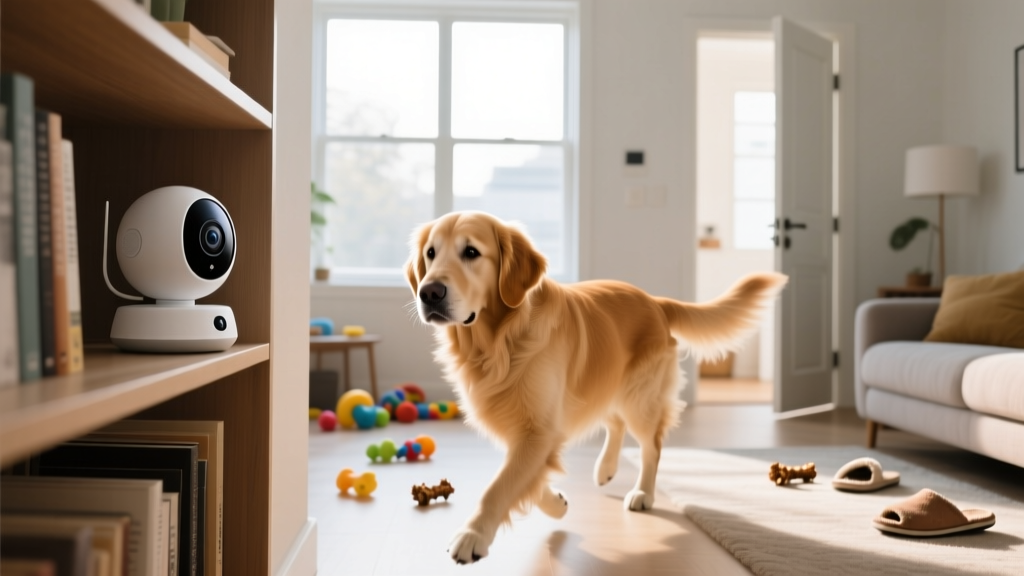
- Camera monitoring: A Wyze Cam ($25–$35) or Furbo ($100–$170) lets you observe your dog's behavior when alone. You'll learn whether chewing happens immediately (anxiety-driven) or hours later (boredom-driven) — critical for choosing the right intervention
- Build an exercise baseline: Most shelter dogs arrive under-exercised. Start with 30-minute leash walks twice daily and increase based on breed and energy level
When to Hire a Professional Behaviorist
Hire a certified professional if:
- Your dog has ingested a dangerous item (rocks, clothing, batteries) — call your vet immediately and ASPCA Animal Poison Control at (888) 426-4435 (24/7, consultation fee applies) if a toxic substance was involved
- You've followed a consistent management and training protocol for 4+ weeks with zero improvement
- The chewing is accompanied by other anxiety signs: vocalization, pacing, self-injury, escape attempts, or house soiling
- Your dog resource-guards chew items (growls, snaps, or stiffens when you approach them while chewing)
- The chewing is compulsive — the dog seems unable to stop even when interrupted, and immediately returns to the same item
- You're considering rehoming the dog due to this behavior
Who to Hire
| Professional Type | Credentials to Look For | Typical Cost | Best For |
|---|---|---|---|
| Certified Applied Animal Behaviorist (CAAB) | PhD in animal behavior + certification by Animal Behavior Society | $150–$350 per consultation | Severe anxiety, compulsive disorders, cases involving medication |
| Veterinary Behaviorist (DACVB) | DVM + residency + board certification by ACVB | $200–$500 per consultation | Cases requiring prescription medication, medical-behavioral overlap |
| Certified Professional Dog Trainer (CPDT-KA) | Certification Council for Professional Dog Trainers, knowledge-assessed | $75–$150 per session | Mild-moderate boredom chewing, basic training gaps, puppy prevention |
| Fear Free Certified Professional | Fear Free certification (veterinary or trainer track) | $80–$175 per session | Anxiety-related chewing, dogs with fear-based triggers |
Find credentialed professionals through the AVSAB consultant directory or the Certification Council for Professional Dog Trainers (ccpdt.org). Avoid trainers who advertise "quick fixes," "boot camps," or guarantee specific timelines — legitimate behavior modification takes time and varies by individual dog.
Frequently Asked Questions
Is chewing normal for dogs?
Yes — chewing is a natural, healthy canine behavior. Puppies chew during teething (3–7 months), and adult dogs chew for oral stimulation, stress relief, and jaw exercise. The goal is never to eliminate chewing entirely; it's to direct it toward appropriate items. A dog that never chews anything may actually be under-stimulated or depressed.
Should I punish my dog for chewing my things?
No. Punishment — whether physical (hitting, alpha rolls), verbal (yelling), or tool-based (shock collars) — does not teach your dog what to chew instead. It teaches them to avoid chewing when you're present, which means they'll simply chew when you're gone. The AVSAB's position statement on punishment clearly outlines the risks: increased anxiety, suppressed warning signals, and potential aggression. Positive reinforcement and environmental management are more effective and don't damage your relationship with your dog.
My dog only chews when I'm not home. What does that mean?
This pattern strongly suggests either separation anxiety or boredom (or both). If the chewing targets exit points (door frames, blinds) or items with your scent (pillows, laundry), separation anxiety is more likely. If the dog chews a wide variety of items and seems relaxed when you review camera footage, boredom is the probable driver. The intervention differs: anxiety requires desensitization and possibly medication, while boredom requires more exercise, enrichment, and mental stimulation before departures.
How much exercise does my dog need to prevent destructive chewing?
It varies significantly by breed and individual energy level. As general guidelines: toy breeds (Chihuahuas, Pomeranians) need 30–45 minutes daily; medium breeds (Beagles, Cocker Spaniels) need 45–60 minutes; working and sporting breeds (Labradors, German Shepherds, Border Collies) need 60–120+ minutes. Mental exercise (training sessions, puzzle feeders, sniffaris) is equally important and often more tiring than physical exercise alone. If your dog is still chewing destructively after meeting these baselines, increase mental enrichment before adding more physical exercise.
My dog ate something dangerous while chewing. What do I do?
If your dog has ingested a potentially toxic substance (batteries, cleaning products, medications, xylitol-containing gum), call ASPCA Animal Poison Control at (888) 426-4435 or the Pet Poison Helpline at (855) 764-7661 immediately. Both operate 24/7 and a consultation fee applies. For non-toxic but dangerous items (rocks, socks, large plastic pieces), call your veterinarian — they may recommend monitoring for intestinal blockage symptoms (vomiting, loss of appetite, lethargy, no bowel movements for 24+ hours) or may want to see the dog for an abdominal radiograph ($150–$350).
Can I use bitter sprays alone to stop the chewing?
Bitter sprays (Bitter Apple, Bitter Lemon) work as a deterrent for approximately 60% of dogs, but they are not a complete solution. Some dogs are undeterred by the taste, and even for those who are, the spray doesn't address the underlying motivation. Use bitter sprays as part of a broader management and training plan — not as the sole intervention. Reapply every 48–72 hours, and test on a small area first to ensure the spray doesn't damage your furniture's finish.
Will my dog outgrow destructive chewing?
Some dogs naturally reduce chewing after reaching social maturity (2–3 years), but many will not outgrow it without intervention. Puppies who learn to chew appropriate items during teething typically develop good habits. Dogs who establish a pattern of destructive chewing and are never redirected tend to continue the behavior into adulthood. Early intervention — ideally within the first 2–4 weeks of noticing the problem — produces the fastest, most lasting results.
Marcus Aldridge
All our authors care for dogs every day — read more of their work on the authors page.