Dog Tail Signals: What Every Position Means
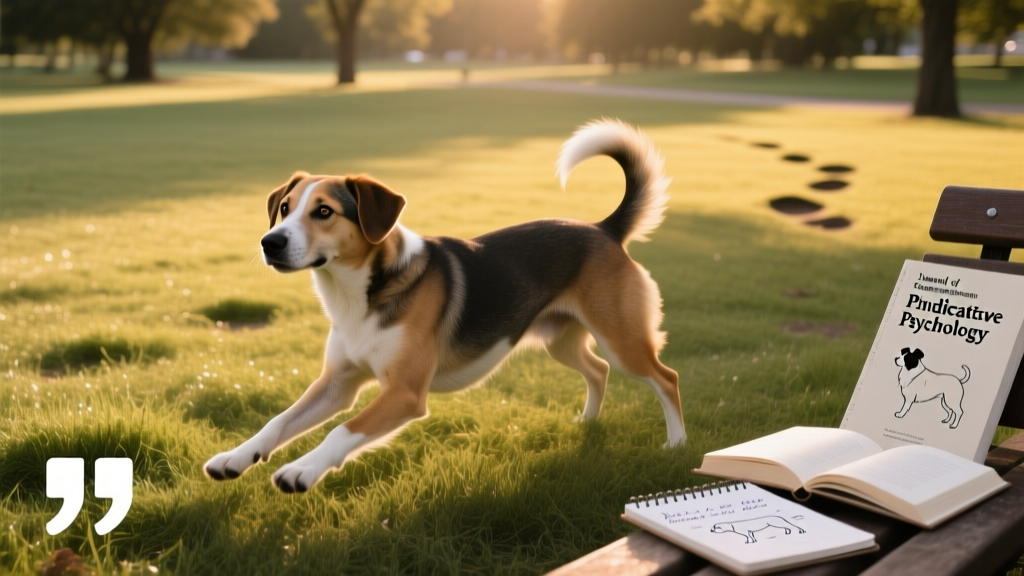
A dog's tail is one of the most expressive communication tools they have. Understanding tail positions and wagging patterns can prevent misunderstandings and strengthen your bond.
Tail Position Basics
High and Stiff
A tail held high and rigid often signals alertness or potential aggression. This posture indicates the dog is focused and may perceive a threat.
Neutral and Relaxed
When a dog's tail hangs naturally at breed-specific rest position, they are calm and comfortable in their environment.
Low or Tucked
A lowered tail indicates fear, submission, or discomfort. A fully tucked tail between the legs is a clear sign of distress.
Wagging Speed and Direction
- Fast, wide wags — typically friendly and excited greeting behavior
- Slow, stiff wags — caution or uncertainty; proceed carefully
- Right-biased wags — research shows dogs wag more to the right when viewing positive stimuli
- Left-biased wags — associated with negative emotional states
Breed Considerations
Some breeds naturally carry their tails differently. Huskies curl their tails over their backs, while Greyhounds carry them low. Always interpret tail signals within the context of your dog's breed and individual baseline behavior.
Never approach an unfamiliar dog solely based on a wagging tail — the position, speed, and overall body language matter more than the wag itself.