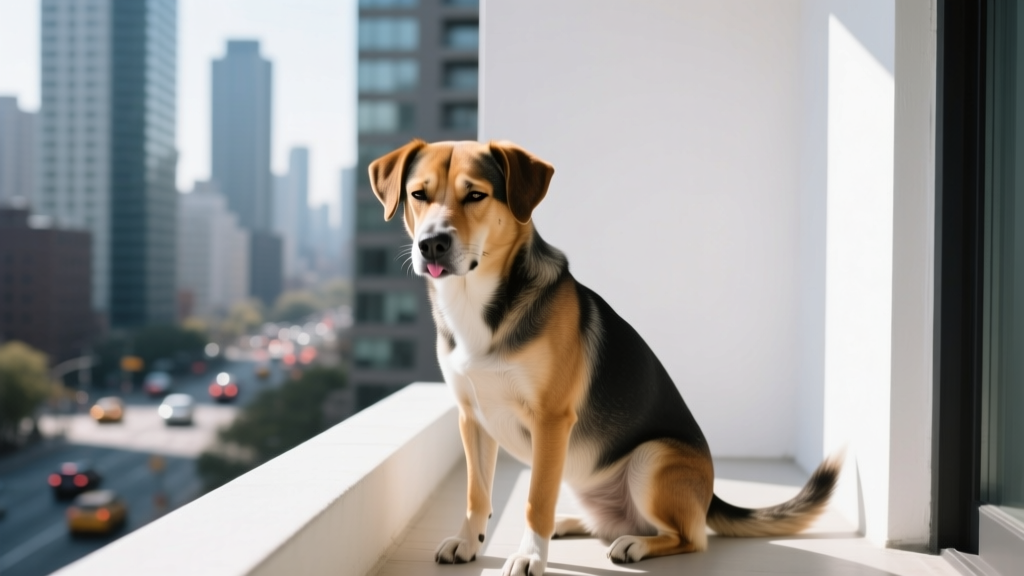
Anti Anxiety Meds for Dogs: When Behavior Training Isn't Enough
When anti anxiety meds for dogs make sense, how they work alongside behavior modification

If your dog destroys the doorframe every time you leave, trembles during thunderstorms, or lunges at strangers on walks, you've probably wondered whether anti anxiety meds for dogs could help. The short answer: they can — but they're almost never a standalone fix. Medication works best as a bridge, lowering your dog's stress enough that behavior modification can actually take hold.
This guide walks you through the full picture — from identifying whether your dog's behavior crosses the clinical threshold for anxiety, to understanding when medication is warranted, to building a step-by-step training protocol that works alongside it. We'll also cover what to expect in terms of cost, timeline, and when to bring in a certified behaviorist.
What Qualifies as Clinical Anxiety in Dogs?
Clinical Anxiety Threshold: A dog is considered to have clinically significant anxiety when stress responses occur frequently (more than 3–4 times per week), persistently (lasting longer than 3 months), and disproportionately (the reaction far exceeds the trigger). Normal nervousness — like a brief startle at fireworks — is not the same as an anxiety disorder.
Canine anxiety manifests across a spectrum. According to a 2020 study published in Scientific Reports, approximately 72.5% of dogs display at least one anxiety-related behavior. The most common presentations include:
- Separation anxiety: Destructive behavior, vocalization, inappropriate elimination, pacing, or self-injury occurring exclusively when the dog is left alone or separated from a specific person
- Noise phobia: Extreme fear responses (hiding, trembling, escape attempts, panting, drooling) triggered by thunderstorms, fireworks, construction, or household sounds
- Social fear/aggression: Lunging, barking, growling, or avoidance toward unfamiliar people, dogs, or specific demographics (men, children, people wearing hats)
- Generalized anxiety: Chronic hypervigilance, inability to settle, excessive panting or lip-licking, compulsive behaviors like flank-sucking or tail-chasing
- Situational anxiety: Vet visits, car rides, grooming sessions, or nail trims that trigger disproportionate fear responses
The key distinction: normal stress resolves within minutes of the trigger ending. Clinical anxiety means your dog stays in a heightened arousal state for 30 minutes to hours after the trigger has passed, or the behavior is escalating in frequency and intensity over weeks.
Why Does My Dog Have Anxiety? Root Cause Analysis
Before reaching for medication — or any intervention — it helps to understand why the anxiety exists. Dogs don't act out of spite or jealousy. Anxiety behaviors are involuntary stress responses driven by one or more of these underlying causes:
1. Genetic Predisposition
Certain breeds — German Shepherds, Australian Shepherds, Border Collies, Vizslas, and many rescue mixed-breeds from high-stress backgrounds — carry genetic variants linked to heightened fear responses. A 2019 study in Genes, Brain and Behavior identified specific serotonin transporter gene variations associated with anxiety in several breeds.
2. Inadequate Early Socialization
The critical socialization window closes around 12–14 weeks. Puppies not exposed to diverse people, environments, sounds, and surfaces during this period are statistically more likely to develop fear-based behaviors later.
3. Traumatic Experiences
A single terrifying event (being attacked by another dog, a severe storm while alone, rough handling at a vet) can create lasting fear associations. Dogs adopted from shelters or hoarding situations often carry trauma-based anxiety.
4. Chronic Stress or Understimulation
Dogs left alone 10+ hours daily, kept in confined spaces without enrichment, or lacking adequate physical and mental exercise can develop anxiety from chronic frustration and boredom. This is especially common in high-drive breeds.
5. Medical Conditions
Pain (especially undiagnosed orthopedic or dental pain), hypothyroidism, cognitive dysfunction syndrome in senior dogs, and certain neurological conditions can manifest as anxiety-like behaviors. This is why a medical rule-out is non-negotiable.
Medical Rule-Out: Before You Assume It's "Just Behavioral"
This step gets skipped far too often. According to the Merck Veterinary Manual, an estimated 30% of behavior cases presented to veterinary behaviorists have a concurrent medical component. Treating behavior without ruling out medical causes is like treating a limp with physical therapy when the dog has a torn ACL.
Ask your vet to evaluate:
- Complete blood panel and thyroid function (total T4, free T4, TSH) — Hypothyroidism is linked to fear and aggression in dogs. Cost: $150–$300 for a full panel.
- Orthopedic exam — Hip dysplasia, arthritis, and spinal pain can cause irritability and reactivity. Many dogs labeled "aggressive" are actually in pain.
- Dental exam — Chronic dental disease causes low-grade pain that affects temperament.
- Urinalysis — Inappropriate elimination may be a UTI or bladder stones, not anxiety.
- Neurological assessment — For senior dogs, cognitive dysfunction syndrome (canine dementia) presents as anxiety, pacing, and night waking.
- Medication review — Some drugs (certain steroids, thyroid supplements at wrong doses) can cause anxiety-like side effects.
See your vet before starting any behavior plan if your dog:
- Suddenly develops anxiety behaviors after age 5
- Shows physical symptoms alongside behavior changes (limping, weight change, excessive thirst, hair loss)
- Has escalated to biting with no prior warning signs
- Displays compulsive behaviors (spinning, fly-snapping, flank-sucking) that may have a neurological basis
When Are Anti Anxiety Meds for Dogs Actually Warranted?
Medication becomes appropriate when:
- Medical causes have been ruled out and the behavior is confirmed as anxiety-driven
- Behavior modification alone isn't working — your dog is too stressed to learn. A dog in a full fear response (panting, trembling, dilated pupils, inability to take treats) is physiologically incapable of forming new positive associations. This is called learned irrelevance or being "over threshold."
- The anxiety is severely impacting quality of life — your dog can't eat during storms, injures themselves trying to escape, or lives in a near-constant state of hypervigilance
- The behavior poses a safety risk — bite history, escaping into traffic, attacking other dogs out of fear
Important: Anti anxiety meds for dogs are not a shortcut. They don't "sedate" your dog into compliance. When properly prescribed, they reduce the intensity of the fear response enough that your dog can think and learn during training. Think of medication as turning down the volume on a fire alarm so your dog can hear your instructions.
Common Medication Categories Your Vet May Consider
| Category | Examples | Onset | Best For | Typical Monthly Cost |
|---|---|---|---|---|
| SSRIs (daily) | Fluoxetine (Prozac), Sertraline (Zoloft) | 4–8 weeks to full effect | Generalized anxiety, separation anxiety, compulsive disorders | $15–$60 |
| TCAs (daily) | Clomipramine (Clomicalm), Amitriptyline | 4–6 weeks | Separation anxiety, noise phobia | $20–$80 |
| SARIs (daily) | Trazodone | 1–2 hours (situational); 2–4 weeks (daily) | Situational anxiety, vet visits, post-surgical confinement | $10–$40 |
| Benzodiazepines (situational) | Alprazolam (Xanax), Diazepam | 30–60 minutes | Acute events (fireworks, storms, travel) | $10–$30 |
| GABA analogs | Gabapentin | 1–2 hours | Vet visit anxiety, situational fear, pain-related anxiety | $10–$25 |
| Beta-blockers | Propranolol | 1–2 hours | Physical symptoms of anxiety (racing heart, trembling) | $10–$20 |
Always consult your veterinarian before starting, adjusting, or stopping any medication. Dosages are determined by weight, health status, and concurrent medications. Never use human anxiety medications without veterinary guidance — some human formulations contain xylitol or other ingredients toxic to dogs.
Immediate Management: Preventing Rehearsal While You Build a Plan
Every time your dog practices an anxiety behavior — destroying a door, barking at the window for 45 minutes, lunging at a dog on leash — the neural pathway gets stronger. This is called rehearsal, and it makes the behavior harder to change over time. Your first job is to manage the environment so the behavior can't happen while you work on long-term solutions.
Separation Anxiety Management
- Don't leave the dog alone yet. Arrange doggy daycare, a pet sitter, or bring the dog to work. If that's impossible, confine to a safe room (not a crate if the dog panics in one) with white noise and a frozen Kong.
- Install a camera. A Wyze Cam ($25–$35) or Furbo ($130–$170) lets you monitor stress signals you'd otherwise miss — pacing, drooling, attempts to escape. You need to know what happens when you're gone.
- Pre-departure exercise: 20–30 minutes of vigorous activity (fetch, flirt pole, structured sniffy walk) 1 hour before leaving. A physically tired dog has a lower baseline arousal.
Noise Phobia Management
- Create a safe room — an interior room with no windows, or windows covered with blackout curtains. Add white noise (a fan, a sound machine playing brown noise at 60–70 dB).
- ThunderShirt or anxiety wrap — applies gentle pressure. Evidence is mixed, but many owners report reduced trembling. Cost: $25–$45 for a genuine ThunderShirt.
- Pre-medicate before predictable events — if fireworks are scheduled for July 4th, give situational medication 1–2 hours before, not after the dog is already panicking.
Reactivity on Walks Management
- Walk during low-traffic hours — early morning (6–7 AM) or late evening (after 9 PM) when fewer dogs and people are out.
- Use a front-clip harness — models like the Easy Walk by PetSafe ($20–$28) or the Balance Harness by Blue-9 ($40–$55) give you steering control without pressure on the trachea.
- Create distance — cross the street, duck behind cars, use visual barriers. Your dog's threshold distance (the point where they notice the trigger but can still take treats) is your training zone. For many reactive dogs, this is 50–100 feet initially.
Step-by-Step Training Protocol: Desensitization and Counter-Conditioning
This is the core behavioral protocol that works alongside medication. It's based on two principles: desensitization (gradual exposure to the trigger at low intensity) and counter-conditioning (pairing the trigger with something the dog loves to change the emotional response).
Step 1: Identify the Trigger and Threshold Distance
What exactly causes the anxiety? "Other dogs" is too broad. Is it dogs approaching head-on? Dogs behind fences? Small dogs? Dogs that stare? Narrow it down. Then find the distance at which your dog notices the trigger but can still eat treats and respond to cues. This is their threshold.
Step 2: Work Below Threshold
Start at a distance where your dog is aware of the trigger but not reacting. For leash reactivity, this might be 80–100 feet. For separation anxiety, it might be standing near the front door without opening it.
Step 3: Pair the Trigger with High-Value Rewards
When the trigger appears, immediately start feeding high-value treats (boiled chicken, string cheese, freeze-dried liver — whatever your dog loves most). The sequence is: trigger appears → treats flow. Trigger disappears → treats stop. You're teaching: "Scary thing = amazing stuff happens."
Step 4: Gradually Decrease Distance or Increase Intensity
Only move closer (or increase intensity) when your dog is consistently relaxed and happy at the current level. This might mean decreasing distance by 5–10 feet per session, or for separation anxiety, progressing from touching the doorknob → opening the door 1 inch → stepping outside for 3 seconds → 10 seconds → 30 seconds. Each step might take days to weeks.
Step 5: Practice in Varied Contexts
Once your dog succeeds in one location, practice in different environments. Dogs don't generalize well — success at your local park doesn't mean success at a busy sidewalk. Plan sessions in at least 5–8 different locations.
Step 6: Add Predictive Cues
Introduce a verbal cue like "Look at that!" when the trigger appears. Over time, the cue itself becomes a predictor of treats, giving your dog a sense of control and anticipation rather than surprise.
Session guidelines: Keep sessions to 5–15 minutes, 3–5 times per week. End on a success — if your dog is getting frustrated or tired, increase distance and do one easy repetition, then stop. Quality over quantity.
Tools That Help (and Tools to Avoid)
| Tool | How It Helps | Cost Range | Verdict |
|---|---|---|---|
| Puzzle feeders (Kong Classic, West Paw Toppl, Outward Hound Nina Ottosson) | Mental enrichment reduces baseline stress; food-motivated dogs work for 15–30 minutes | $10–$35 | ✅ Use daily |
| Snuffle mats / scatter feeding | Tapping into natural foraging behavior; 10 min of sniffing ≈ 30 min of physical exercise for stress reduction | $15–$40 | ✅ Excellent for anxious dogs |
| Calming supplements (Zesty Calming Soft Chews, Solliquin, Anxitane) | L-theanine, alpha-casozepine, or S-adenosylmethionine may reduce mild anxiety | $20–$45/month | ✅ Helpful as adjunct; not a replacement for medication in clinical anxiety |
| Adaptil (DAP) diffusers/collars | Synthetic dog-appeasing pheromone; modest evidence for mild anxiety reduction | $25–$60 | ✅ Low-risk, worth trying |
| Long line (15–30 ft) | Allows freedom to explore and sniff on walks while maintaining safety; reduces leash frustration | $15–$30 | ✅ Essential for reactivity work |
| Front-clip harness | Redirects pulling without choking; gives handler control during reactive episodes | $20–$55 | ✅ Recommended over back-clip for reactive dogs |
| E-collars / shock collars | Add pain/fear to suppress behavior without addressing the cause | $50–$300 | ❌ Avoid — increases anxiety and risk of redirected aggression |
| Prong / choke collars | Suppress behavior through pain and discomfort | $15–$40 | ❌ Avoid — damages trachea and worsens fear-based reactivity |
| Alpha rolls / physical corrections | Intimidation-based dominance techniques | N/A | ❌ Avoid — debunked, damages trust, increases bite risk |
How Long Will It Take? Realistic Progress Milestones
There is no "fix your anxious dog in 7 days" protocol. Anyone promising one is selling something. Here's a realistic timeline based on clinical experience and published behavior modification outcomes:
| Timeframe | What to Expect |
|---|---|
| Weeks 1–2 | Management in place. You've reduced rehearsal of the anxiety behavior. Your dog may seem calmer simply because triggers are being avoided. If medication was started, you won't see full effects yet (SSRIs take 4–8 weeks). |
| Weeks 3–6 | Early counter-conditioning progress. Your dog may begin to look at you for treats when a mild trigger appears. Threshold distance may decrease by 10–20%. Medication (if prescribed) should be reaching therapeutic levels — report side effects to your vet. |
| Weeks 7–12 | Noticeable improvement in mild-to-moderate cases. Your dog may tolerate previously impossible situations (a guest entering the home, being alone for 30 minutes). Expect setbacks — progress is not linear. |
| Months 3–6 | Significant improvement in most cases with consistent work. Your dog may still react to high-intensity triggers but recovers faster. Medication dose adjustments may be needed (your vet may taper up or down). |
| Months 6–12 | Many dogs reach a stable, manageable baseline. Some will always need medication for high-stress situations (storms, fireworks). A small percentage of severe cases — particularly those with genetic predisposition and trauma history — will require lifelong management. |
| Ongoing | Maintenance training. Even "fixed" dogs can regress if management lapses or new stressors are introduced. Plan periodic "tune-up" sessions and don't stop medication without veterinary guidance — abrupt discontinuation of SSRIs can cause withdrawal symptoms. |
Factors that slow progress: inconsistent training, continued exposure to unmanaged triggers (apartment hallways, shared fences with reactive dogs), underlying medical conditions not yet identified, and unrealistic expectations (expecting a fear-aggressive dog to become a therapy dog).
When to Hire a Professional: Trainer vs. Veterinary Behaviorist
Not all behavior problems require a specialist, but some absolutely do. Here's how to decide:
Hire a certified force-free trainer (CPDT-KA, KPA-CTP, or IAABC certified) if:
- Your dog's anxiety is mild to moderate and situational
- You need guidance implementing desensitization protocols
- Your dog is leash-reactive but has no bite history
- Cost range: $80–$150 per session; packages of 4–8 sessions ($300–$1,000)
See a veterinary behaviorist (DACVB board-certified) if:
- Your dog has a bite history (especially bites requiring medical attention)
- Anxiety is severe — self-injury, property destruction exceeding $500+, inability to eat or drink during episodes
- Medication is being considered — only veterinarians can prescribe, and a behaviorist can design a comprehensive medication + behavior plan
- Multiple behavior issues are occurring simultaneously
- Your dog has not improved after 8–12 weeks of consistent training with a qualified trainer
- Cost range: $250–$600 for initial consultation (1.5–2 hours); follow-ups $150–$300. Some offer telemedicine at lower rates ($175–$350).
To find a board-certified veterinary behaviorist, check the American College of Veterinary Behaviorists (DACVB) directory. There are fewer than 100 DACVB diplomates in the US, so telemedicine consultations (where the behaviorist works with your local vet) are common and effective.
For certified trainers, look for credentials from the Certification Council for Professional Dog Trainers (CCPDT) or the International Association of Animal Behavior Consultants (IAABC). Avoid trainers who advertise as "balanced" or "all methods" — these often include aversive techniques that worsen anxiety.
Prevention: Building Resilience in Puppies and Newly Adopted Dogs
The best anxiety treatment is prevention. If you have a puppy or are bringing home a newly adopted dog, these steps dramatically reduce the risk of anxiety disorders developing:
For Puppies (8–16 weeks)
- Socialize systematically — expose to 100+ novel experiences (surfaces, sounds, people types, objects) before 14 weeks. Use the AKC Puppy Socialization Checklist as a guide. Every exposure must be positive — pair new things with treats and play.
- Practice alone-time training — start with 30 seconds in a pen while you're in the room, then 1 minute while you step out, gradually building to 30+ minutes. Never let a puppy "cry it out" — this increases separation anxiety risk.
- Introduce handling early — daily 5-minute sessions touching paws, ears, mouth, and tail while feeding treats. This prevents grooming and vet-visit anxiety.
For Newly Adopted Adult Dogs
- Implement the 3-3-3 rule: Expect 3 days of decompression (dog may hide, not eat, seem shut down), 3 weeks to start showing personality and learning routines, and 3 months to feel truly settled. Don't judge behavior in the first week.
- Start with low-stimulation routines — short, quiet walks; limited visitors; one room of the house at a time. Resist the urge to throw a "welcome home" party.
- Establish predictable schedules — feed, walk, and train at the same times daily. Predictability reduces anxiety in dogs transitioning from chaotic environments.
- Schedule a vet visit within the first week — establish a health baseline and discuss any behavior observations. Early intervention prevents small issues from becoming entrenched.
Frequently Asked Questions About Anti Anxiety Meds for Dogs
Is anxiety in dogs normal?
Mild, situational nervousness is normal — most dogs startle at loud noises or feel uncertain in new environments. Clinical anxiety that disrupts daily functioning, causes self-injury, or escalates over time is not normal and warrants professional intervention. Approximately 14–20% of dogs are estimated to have separation anxiety specifically, according to the ASPCA.
Should I use punishment to correct anxiety behaviors?
No. Punishment suppresses behavior without changing the underlying emotion. If your dog barks at the door out of fear and you punish the barking, the fear remains — it just loses its outlet. This often leads to redirected aggression or new, harder-to-treat behaviors. Force-free, positive reinforcement methods are the only approach supported by the American Veterinary Society of Animal Behavior (AVSAB) position statement on punishment.
How long will my dog need to be on anxiety medication?
It depends on severity. Some dogs use situational medication (like trazodone or alprazolam) only during fireworks season or vet visits. Dogs on daily SSRIs or TCAs typically need them for a minimum of 6–12 months, with many staying on medication long-term. Your vet will periodically reassess — some dogs can be slowly tapered off after 12–18 months of successful behavior modification, while others benefit from lifelong support. Never stop medication abruptly.
Will anxiety medication change my dog's personality?
When properly dosed, medication should make your dog feel more like themselves, not less. A dog that was previously too anxious to play, eat, or cuddle often becomes more engaged and relaxed once the medication takes effect. If your dog seems sedated, lethargic, or "not themselves" on medication, the dose may be too high — report this to your vet for adjustment.
Can I use over-the-counter calming supplements instead of prescription medication?
For mild anxiety, supplements containing L-theanine (like Anxitane or Solliquin), alpha-casozepine (Zylkene), or hemp-derived CBD may provide modest benefit. However, these are not equivalent to prescription medication for clinical anxiety. Think of supplements as a gentle nudge and prescription meds as meaningful intervention. Discuss with your vet — some supplements interact with prescription medications.
How do I stop my dog from having anxiety when I leave the house?
Separation anxiety requires a multi-part approach: (1) manage by not leaving the dog alone unsupervised during treatment, (2) implement gradual departure desensitization (starting with 1-second absences and building over weeks/months), (3) provide enrichment (frozen Kongs, puzzle feeders) during absences, (4) consider medication if the dog is severely distressed. Most dogs with separation anxiety see significant improvement within 3–6 months with a consistent protocol, though some require ongoing management.
Disclaimer: This article is for informational purposes only and does not replace professional veterinary advice. Always consult your veterinarian before starting, changing, or discontinuing any medication or behavior modification plan. If you suspect your dog has ingested a toxic substance, contact the ASPCA Animal Poison Control Center at (888) 426-4435 (24/7, consultation fee applies).
Tom Renshaw
All our authors care for dogs every day — read more of their work on the authors page.