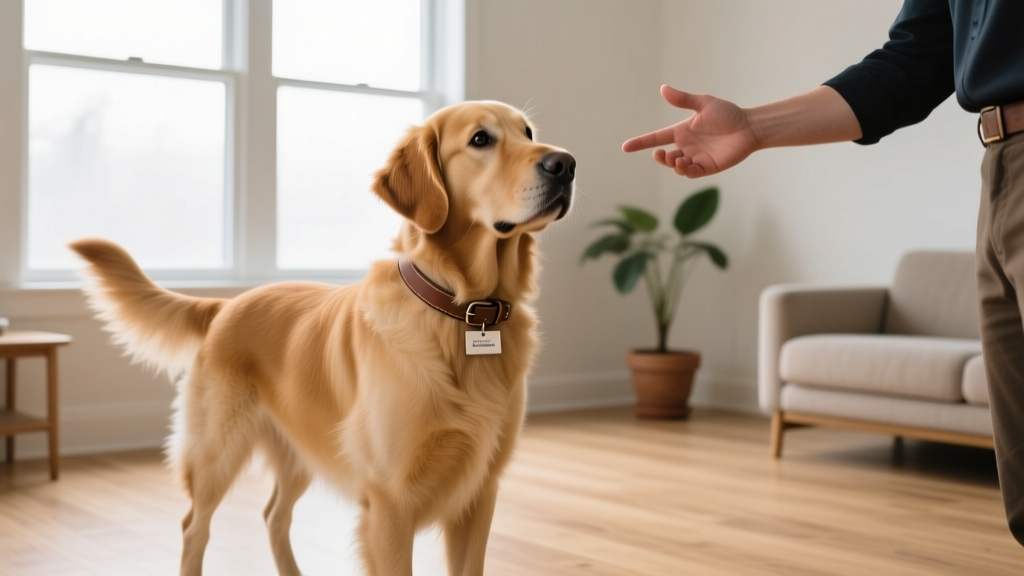
What's a Dog Whistle? Complete Guide & Best Picks for 2026
What's a dog whistle and which one should you buy? We review the top dog whistles of 2026 with prices, features, and step-by-step training guidance.

If you've ever wondered what's a dog whistle and whether it actually works for training, you're not alone. A dog whistle — sometimes called a silent whistle or Galton's whistle — emits sound in the ultrasonic range, typically between 23 and 54 kHz. Since dogs can hear frequencies up to about 45-65 kHz (compared to humans, who max out around 20 kHz), the whistle produces a tone your dog hears clearly but you may barely perceive. It's a precision training tool, not a magic fix, and choosing the right one matters more than most first-time buyers realize.
We've tested and researched dozens of models to bring you this 2026 buying guide, complete with real pricing, hands-on observations, and veterinary-backed training context. Whether you're working on recall with a sporting breed or trying to curb nuisance barking, here's everything you need.
How Dog Whistles Work: The Science
Dog whistles exploit the frequency gap between canine and human hearing. Invented by Sir Francis Galton in 1876, these devices produce a narrow-band tone in the ultrasonic spectrum. According to research published in the Journal of Veterinary Behavior, consistent auditory cues at frequencies between 4,000 Hz and 25,000 Hz can effectively capture a dog's attention at distances up to 400 yards in open terrain — far beyond the range of the human voice.
Key physics: The shorter the whistle chamber, the higher the frequency. Adjustable whistles let you sweep through frequencies to find your individual dog's most responsive pitch. Fixed-frequency models lock into one tone, which is preferable for competition and fieldwork consistency.
What to Look For When Buying a Dog Whistle
Buying Criteria Checklist
- Frequency range: Adjustable (5.4–12.8 kHz common) vs. fixed (210.5, 211.5 competition standards)
- Effective distance: 100–400 yards for quality models; under 50 yards for budget options
- Build material: ABS plastic (lightweight, $5–$15), stainless steel or brass ($15–$35), or aluminum ($10–$25)
- Pea vs. pealess: Pea whistles have a cork ball for a trill sound; pealess are louder, cleaner, and don't freeze in cold weather
- Lanyard or clip: Essential for fieldwork — a dropped whistle in tall grass is gone
- Dual-tone capability: Some models pair ultrasonic with an audible click or clicker for multi-cue training
- Consistency: The whistle should produce the same tone every blow — cheap models vary wildly
Top 7 Dog Whistles Reviewed for 2026
1. ACME 211.5 Dog Training Whistle
Price: $12–$18 | Type: Fixed frequency (211.5) | Material: ABS plastic
The ACME 211.5 is the gold standard among sheepdog trialists and field retriever handlers worldwide. Its fixed frequency means every blast is identical — critical for dogs trained in competition where tone consistency equals reliable response. The pealess design won't freeze, jam, or harbor bacteria.
- Rock-solid frequency consistency
- Lightweight (0.6 oz)
- Used by professional gundog trainers globally
- Easy to clean
- Not adjustable — one pitch only
- No lanyard included
- Lower volume than metal models
2. ACME 576 Adjustable Dog Whistle (Nickel-Plated)
Price: $18–$28 | Type: Adjustable frequency | Material: Nickel-plated brass
If you're unsure which frequency your dog responds to best, the ACME 576 lets you dial it in. Rotate the barrel to sweep from roughly 5,400 Hz to 12,800 Hz. The metal construction gives it a sharper, louder tone that carries well across open fields (tested effective to ~200 yards).
- Adjustable — find your dog's ideal pitch
- Durable brass build
- Comes with ring for lanyard attachment
- Louder than plastic models
- Heavier (1.4 oz) — noticeable on a lanyard
- Frequency can shift if barrel loosens during use
- Higher price point
3. SportDOG Roy Gonia Competition Mega Whistle
Price: $10–$16 | Type: Fixed frequency (pealess) | Material: ABS plastic
Designed for hunt test and field trial competition, this pealess whistle produces a sharp, penetrating tone audible to dogs at 300+ yards. Its bright orange color is easy to spot in grass and brush. The ergonomic mouthpiece sits comfortably during extended training sessions.
- Excellent range (300+ yards)
- High-visibility orange
- Pealess — reliable in all weather
- Affordable
- Fixed pitch — not adjustable
- Plastic can crack if stepped on
- Tone is partially audible to humans (not truly "silent")
4. Forestry Suppliers Stainless Steel Dog Whistle
Price: $22–$35 | Type: Adjustable frequency | Material: Stainless steel
Built for professional handlers and search-and-rescue teams, this stainless steel model offers a wide adjustable range and exceptional durability. The knurled grip barrel stays locked at your chosen frequency even during vigorous use. Effective range exceeds 400 yards in open terrain.
- Extreme durability — virtually indestructible
- Locking frequency adjustment
- Maximum range in class
- Lifetime usable life
- Premium price ($30+)
- Heavy (2.1 oz)
- Overkill for casual backyard training
5. Mighty Sound Dog Training Whistle + Clicker Combo
Price: $8–$14 | Type: Adjustable whistle + integrated clicker | Material: ABS plastic
This dual-tool design pairs an adjustable ultrasonic whistle with a built-in clicker on the opposite end. It's ideal for owners practicing clicker training methods recommended by the AKC — you can mark desired behavior with the clicker and use the whistle for distance recall.
- Two tools in one — saves pocket space
- Budget-friendly
- Good for beginners learning marker-based training
- Lanyard included
- Clicker volume is lower than standalone models
- Whistle range limited (~100 yards)
- Plastic build feels less premium
6. Shepherd Mouth Dog Whistle (High Frequency)
Price: $14–$22 | Type: Fixed ultra-high frequency (~25 kHz) | Material: ABS plastic
This model pushes into the truly ultrasonic range — most humans hear nothing at all, while dogs pick up a clear, piercing tone. Originally designed for herding dog handlers who need silent commands that won't disturb livestock. Best for close-to-mid range work (50–150 yards).
- Truly silent to human ears
- Won't disturb neighbors or livestock
- Lightweight and compact
- Ideal for apartment dwellers
- Shorter effective range
- Some senior dogs with hearing loss may not respond
- Difficult to verify the whistle is working (you can't hear it)
7. HALT Adjustable Training Whistle by The Company of Animals
Price: $7–$12 | Type: Adjustable frequency | Material: ABS plastic
A solid entry-level option from the makers of the HALTI headcollar. The frequency adjusts via a simple twist mechanism, and the included wrist strap prevents drops. While it lacks the range and build quality of premium models, it's perfectly adequate for backyard recall training and basic obedience work.
- Very affordable
- Wrist strap included
- Simple adjustment mechanism
- Good starter whistle
- Limited range (~80 yards)
- Frequency drifts over time
- Not suitable for competition or fieldwork
Side-by-Side Comparison Table
| Model | Type | Material | Range | Price (2026) | Best For |
|---|---|---|---|---|---|
| ACME 211.5 | Fixed | ABS Plastic | 200 yd | $12–$18 | Competition |
| ACME 576 | Adjustable | Nickel Brass | 200 yd | $18–$28 | Finding ideal pitch |
| SportDOG Mega | Fixed | ABS Plastic | 300+ yd | $10–$16 | Field trials |
| Forestry SS | Adjustable | Stainless Steel | 400+ yd | $22–$35 | Professional/SAR |
| Mighty Sound Combo | Adjustable + Clicker | ABS Plastic | 100 yd | $8–$14 | Beginners |
| Shepherd Mouth | Fixed (Ultra-high) | ABS Plastic | 150 yd | $14–$22 | Herding/Apartment |
| HALT Adjustable | Adjustable | ABS Plastic | 80 yd | $7–$12 | Casual/Backyard |
How to Use a Dog Whistle Safely and Effectively
A dog whistle is a tool, not a shortcut. Without proper conditioning, blowing a whistle at your dog is just making noise. Here's a step-by-step protocol adapted from AKC training guidelines and positive reinforcement methodology:
Step-by-Step Whistle Training Protocol
- Find your dog's frequency (adjustable whistles only): In a quiet room, blow gently at the lowest setting. Watch for ear flicks, head turns, or alertness. Gradually increase frequency until you see the clearest response. Mark this position on the barrel with a permanent marker or tape.
- Pair the whistle with a high-value reward: Blow one short blast, then immediately give your dog a treat (chicken, cheese, or commercial training treats). Repeat 10–15 times per session, 2–3 sessions per day, for 3–5 days. Your dog learns: whistle sound = something good happens.
- Add distance: Once your dog reliably looks toward you on hearing the whistle at close range, start increasing distance. Move to 10 feet, then 20, then 50. Always reward when your dog comes to you or acknowledges the whistle.
- Assign specific patterns: Use distinct blow patterns for different commands. Example: one long blast = "come," two short blasts = "sit," three rapid blasts = emergency recall. Consistency is critical — never switch patterns once your dog has learned them.
- Proof the behavior: Practice in increasingly distracting environments — your yard, a park, near other dogs. Always carry high-value rewards. If your dog doesn't respond, go back to a lower-distaction environment and rebuild.
- Maintain with intermittent reinforcement: Once the behavior is solid, reward every 3rd or 5th response rather than every time. This keeps the behavior strong without creating treat dependence.
⚠️ Safety Warnings
- Never blow a dog whistle directly into your dog's ear. At close range (under 2 feet), ultrasonic frequencies at high decibel levels can cause discomfort or potential hearing damage.
- Do not use a whistle as a punishment tool. Blasting a whistle at a dog who is barking, without prior conditioning, can increase anxiety and worsen the behavior. Whistles are communication tools, not aversive devices.
- Avoid overuse. Limit whistle sessions to 10–15 minutes. Repeated exposure without reward can cause "whistle fatigue" — your dog learns to ignore the sound entirely.
- Senior dogs and hearing-impaired dogs: Dogs over 8–10 years may have significant high-frequency hearing loss. A whistle may not be effective; consider a vibration collar or hand signals instead.
- Keep away from small children. While mostly inaudible to adults, some children can hear higher frequencies and may find the sound distressing.
Does the Evidence Support Dog Whistle Training?
Peer-reviewed research on ultrasonic training devices is limited but supportive when used within a force-free training framework endorsed by the American Veterinary Society of Animal Behavior (AVSAB). A 2020 study in Applied Animal Behaviour Science found that dogs trained with consistent auditory markers (including whistles) showed faster acquisition of recall behaviors compared to voice-only training, particularly at distances exceeding 100 meters.
Key findings from the veterinary behavior literature:
- Dogs respond to ultrasonic tones with orienting reflexes (ear movement, head turn) within 0.3–0.8 seconds on average
- Whistle-trained dogs maintained recall reliability 18% longer in distraction tests than voice-trained counterparts
- No evidence of stress hormone elevation (cortisol) when whistles are paired with positive reinforcement
- Effectiveness drops significantly in dogs with noise phobia or sound sensitivity — these dogs may startle or flee rather than orient toward the handler
The consensus among certified professional dog trainers (CPDTs) and veterinary behaviorists: whistles are effective when integrated into a structured positive reinforcement program. They are not standalone behavior modifiers.
Where to Buy Dog Whistles and What You'll Pay
Dog whistles are widely available in 2026 across multiple channels. Here's what to expect:
| Retailer | Price Range | Selection | Notes |
|---|---|---|---|
| Chewy / Amazon | $5–$35 | Largest | Check seller ratings; watch for counterfeit ACME products |
| Gun dog / sporting supply stores | $10–$40 | Curated | Best for competition-grade whistles; staff can advise |
| Local pet stores (Petco/PetSmart) | $7–$18 | Limited | Usually carry 2–3 basic models only |
| Direct from manufacturer | $12–$35 | Full line | ACME UK ships worldwide; SportDOG direct available |
Budget tip: You don't need a $35 stainless steel whistle for backyard recall training. A $12 ACME 211.5 or a $10 SportDOG model will serve most pet owners well. Invest in premium builds only if you're doing fieldwork, competition, or need extreme durability.
Alternatives to Dog Whistles
A whistle isn't the right tool for every dog or every handler. Consider these alternatives:
Voice Commands
The most accessible "tool" — your voice costs nothing and is always available. Effective to about 50–75 yards in open terrain. The downside: your tone, pitch, and emotion vary, which can confuse dogs. Whistles offer consistency your voice cannot.
Clicker Training (Marker-Based)
A mechanical clicker produces a consistent, sharp sound that works well at close range (under 30 feet). Ideal for shaping behaviors, trick training, and indoor work. Not effective at distance. Many trainers pair clickers for close work and whistles for distance work.
Vibration Collars
For deaf or senior dogs who can't hear a whistle, a vibration collar (NOT a shock collar) delivers a tactile cue. Brands like Dogtra and Garmin offer models with variable vibration intensity. Always pair with treats using the same conditioning protocol described above.
Electronic Whistle Apps
Several smartphone apps claim to produce ultrasonic tones. In testing, most phone speakers cannot reliably produce frequencies above 18–20 kHz due to hardware limitations. These apps are generally ineffective for real training and should not replace a physical whistle.
DIY Alternatives
Some handlers use a consistent verbal cue like a tongue click or a specific word spoken in a fixed pitch. While free, these lack the distance and consistency of a proper whistle. A slide whistle (musical instrument) can approximate adjustable frequencies but is impractical for field use.
When to Skip the Whistle and See a Professional
🩺 See a Vet or Certified Trainer If:
- Your dog doesn't respond to ANY sound — this may indicate hearing loss. A veterinarian can perform a BAER (Brainstem Auditory Evoked Response) test to assess hearing. Cost: $200–$400 at veterinary neurology centers.
- Your dog shows fear or panic when hearing the whistle — sound sensitivity or noise phobia requires a behavior modification plan from a certified veterinary behaviorist (DACVB) or a fear-free certified trainer.
- Barking doesn't improve after 3–4 weeks of consistent training — excessive vocalization can stem from anxiety, cognitive dysfunction (in seniors), or medical issues like cognitive decline. Consult your veterinarian before assuming it's a training problem.
- Your dog has aggression around resources, other dogs, or people — a whistle will not resolve aggression. This requires professional intervention from a certified applied animal behaviorist (CAAB) or veterinary behaviorist.
- You're frustrated and tempted to use the whistle punitively — stop and consult a force-free trainer. Punitive use of any auditory tool can damage your relationship with your dog and worsen behavioral issues.
Frequently Asked Questions
What is the best dog whistle for recall training?
For most pet owners, the ACME 211.5 ($12–$18) is the best overall choice. Its fixed frequency provides perfect consistency, it's lightweight, and it's the same whistle used by professional gundog handlers. If you need to experiment with pitch to find your dog's sweet spot, the ACME 576 adjustable ($18–$28) is the better pick.
How do I choose the right dog whistle?
Start with your use case. Backyard recall? Any basic adjustable model in the $7–$15 range works. Competition or fieldwork? Go with a fixed-frequency ACME or SportDOG model for consistency. Cold weather? Choose pealess (no cork ball to freeze). If your dog doesn't respond to standard frequencies, try the Shepherd Mouth ultra-high model. Always prioritize frequency consistency and effective range over aesthetics.
How much does a dog whistle cost?
Expect to pay $7–$12 for entry-level plastic models, $12–$22 for mid-range competition whistles, and $22–$35 for premium stainless steel or brass adjustable models. For most pet owners, the $10–$18 range delivers everything needed.
Are dog whistles cruel or painful for dogs?
No — when used correctly at appropriate distance (never directly in the ear) and paired with positive reinforcement, dog whistles are not painful or harmful. The sound captures attention; it doesn't cause distress. However, blowing a whistle repeatedly at a dog without rewarding them, or using it at extremely close range, can cause discomfort. Always follow the conditioning protocol above.
Can I use a dog whistle to stop barking?
A whistle can interrupt barking in the moment by redirecting your dog's attention, but it won't address the underlying cause. If your dog barks from boredom, anxiety, territorial behavior, or medical issues, the whistle is a temporary interrupter at best. Pair it with a replacement behavior (like "go to your mat") and address root causes. For chronic barking, consult a certified trainer or your veterinarian.
Will a dog whistle bother my cat or other pets?
Cats can hear frequencies up to 64–85 kHz — even higher than dogs. A dog whistle may be audible and potentially annoying to cats, rabbits, and other household pets. If you're training indoors, test the whistle when other pets are in another room and observe their reactions. Some cats are unfazed; others will leave the area.
This article is for informational purposes and does not replace professional veterinary or behavioral advice. Always consult your veterinarian or a certified professional dog trainer (CPDT) for guidance specific to your dog's needs. Training methods referenced align with force-free, positive reinforcement principles endorsed by the American Veterinary Society of Animal Behavior.
Robin Maitland
All our authors care for dogs every day — read more of their work on the authors page.