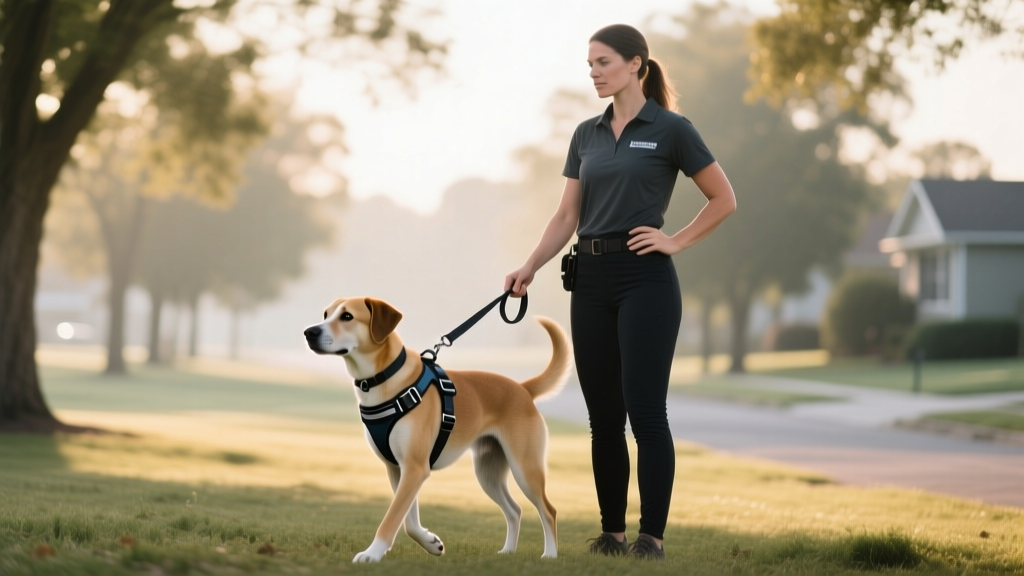
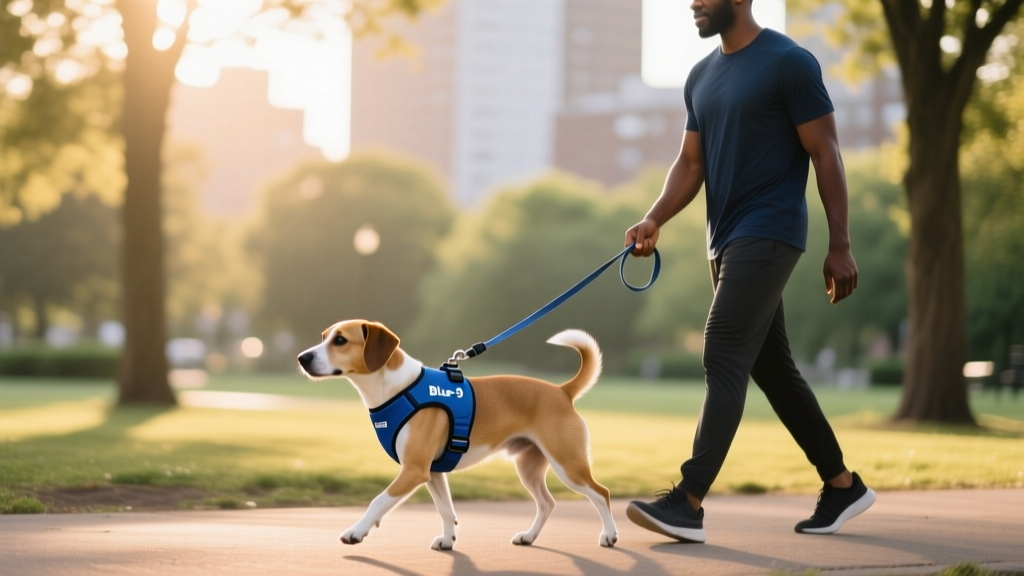
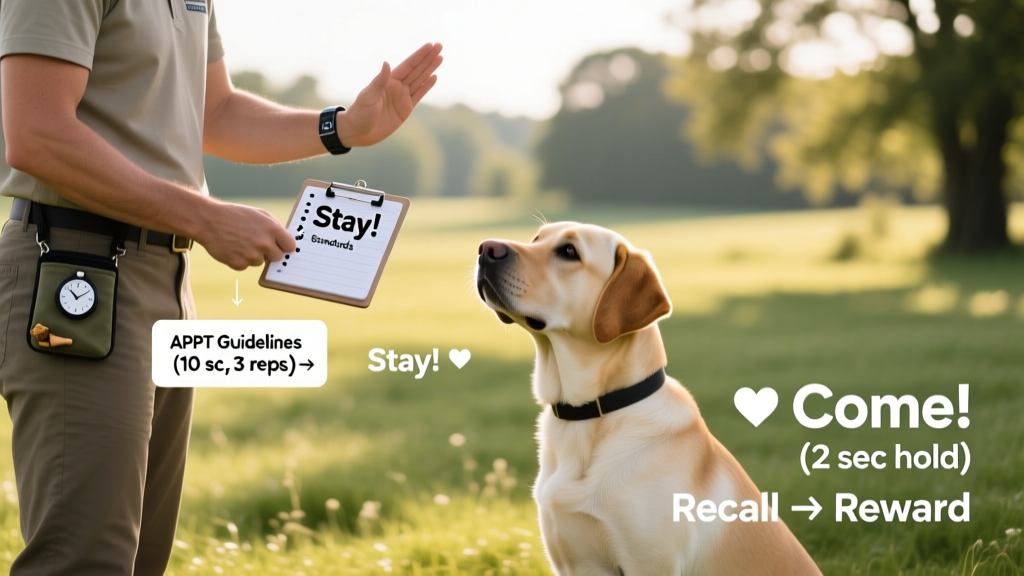
Training Tips for Nervous Dogs: A Compassionate Guide to Building Confidence
Discover effective, compassionate training tips for nervous dogs. Learn step-by-step techniques to build confidence, reduce anxiety, and strengthen your bond.
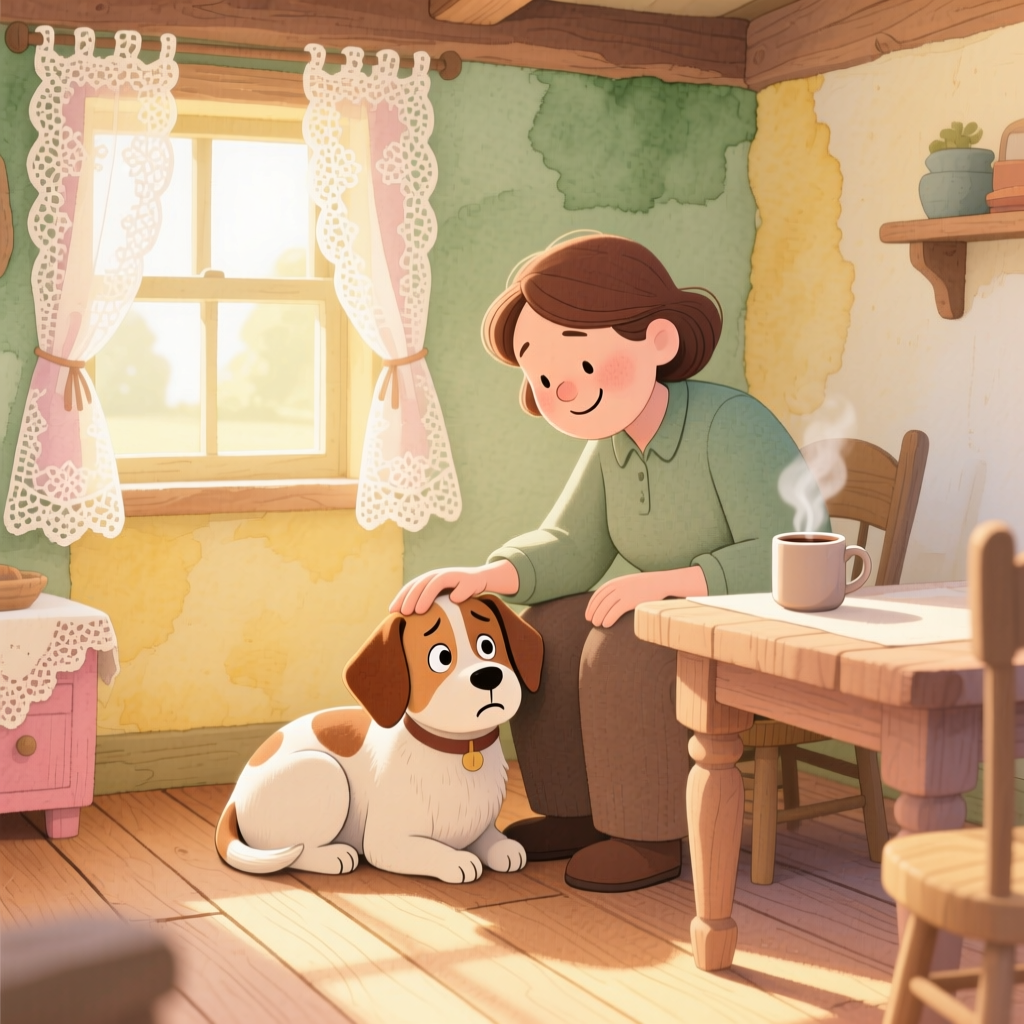
Living with a nervous dog can be an emotionally taxing experience for both you and your furry companion. Whether your dog trembles at the sound of thunder, hides when guests arrive, or reacts fearfully to other dogs on walks, their anxiety is a heavy burden to carry. At Paws & Tales, we believe that every dog deserves to feel safe, secure, and confident in their environment. Training a fearful dog requires a departure from traditional obedience methods; it demands deep empathy, infinite patience, and a solid understanding of canine psychology.
Unlike dogs who simply need to learn where to potty or how to sit, a nervous dog needs to learn that the world is not a threatening place. This comprehensive guide will walk you through proven, compassionate training tips for nervous dogs, helping you transform their fear into confidence. If you are new to reward-based methods, we highly recommend reviewing our guide on positive reinforcement basics before diving into the specialized techniques below.
Understanding Your Nervous Dog's Triggers and Body Language
Before you can implement any training strategy, you must become an expert in reading your dog's subtle communication signals. Dogs do not experience or express fear the way humans do. While a terrified human might scream or cry, a terrified dog might simply freeze, lick their lips, or avoid eye contact. Misinterpreting these signals is the most common reason training fails.
The Canine Ladder of Fear
Canine behaviorists often refer to the 'ladder of fear' or 'ladder of aggression.' This concept illustrates how a dog escalates their body language when they feel threatened. A nervous dog will start with subtle, easily missed calming signals before moving to overt, obvious signs of distress.
- Subtle Signs (Calming Signals): Yawning when not tired, lip licking, sniffing the ground intently, turning the head away, or showing the 'whale eye' (where the whites of the eyes are visible).
- Moderate Signs (Displacement Behaviors): Sudden scratching, shaking off as if wet, panting without heat or exercise, or a lowered body posture.
- Overt Signs (Active Fear/Defense): Tucked tail, pinned ears, cowering, trembling, barking, lunging, growling, or snapping.
Many owners only notice the overt signs, assuming the dog 'suddenly' became aggressive or fearful. In reality, the dog was likely displaying subtle signs for minutes or even hours beforehand. By learning to spot the early rungs of the ladder, you can intervene and remove your dog from the stressful situation before their nervous system becomes completely overwhelmed. For breeds that are naturally more sensitive, such as the Greyhound or the Chihuahua, recognizing these micro-expressions is absolutely critical for their well-being.
Identifying Specific Triggers
Keep a 'fear journal' for a week. Note down every time your dog shows signs of stress, what time it was, where you were, and what was happening in the environment. You might discover that your dog isn't afraid of 'men,' but specifically afraid of 'men wearing hats carrying umbrellas.' Pinpointing the exact trigger allows you to create a highly targeted, effective training plan.
Creating a Safe Haven and Predictable Routine
A nervous dog's brain is constantly bathed in stress hormones like cortisol and adrenaline. To begin the training process, you must first lower their baseline stress levels. This is achieved by creating a highly predictable environment where the dog feels they have control and a safe place to retreat.
Establishing a 'Safe Zone'
Every nervous dog needs a designated sanctuary. This could be a crate covered with a breathable blanket, a specific dog bed in a quiet corner, or even a designated mat. This area must be strictly respected by all humans and other pets in the house. If your dog goes to their safe zone, they are to be left completely alone. This teaches the dog that they have an escape route and a place where nothing bad will ever happen to them, which paradoxically makes them more willing to venture out and explore.
The Power of Predictability
Anxiety thrives on uncertainty. If a dog never knows when they will be fed, when they will be walked, or when a loud noise might occur, they remain in a state of hyper-vigilance. Establish a rigid daily routine for feeding, walking, and training. Use visual or auditory cues to signal transitions. For example, playing a specific piece of classical music before bedtime or using a specific phrase before leaving the house can help a nervous dog anticipate events calmly rather than fearfully.
Managing the Environment
While you work on long-term training, you must manage the environment to prevent 'trigger stacking.' Trigger stacking occurs when a dog experiences multiple mild stressors in a short period, causing their stress hormones to compound until they have a behavioral explosion. If your dog is terrified of the doorbell, disable it or put up a sign asking guests to knock softly or text when they arrive. If they fear other dogs, walk them during quiet, off-peak hours. Environmental management is not 'giving up'; it is a vital component of a successful behavioral modification plan.
Step-by-Step Desensitization and Counterconditioning
The gold standard for treating canine fear and anxiety is a two-part protocol known as Desensitization & Counterconditioning (DS/CC). Desensitization involves exposing the dog to their trigger at a level so low that it does not provoke a fear response. Counterconditioning involves changing the dog's emotional response to the trigger from negative to positive, usually by pairing the trigger with high-value food.
Step 1: Find the Sub-Threshold Distance
Identify the distance or intensity at which your dog notices the trigger but does not react fearfully. This is called being 'sub-threshold.' If your dog is afraid of strangers, the sub-threshold distance might be 50 feet. At this distance, your dog should be able to look at the stranger and then happily look back at you for a treat. If they are staring, freezing, or refusing food, you are too close, and the training will not work.
Step 2: The 'Engage-Disengage' Game
Once you are at a sub-threshold distance, begin the Engage-Disengage game. This is a foundational exercise detailed in our leash reactivity solutions guide, but it is equally powerful for general nervousness.
- Engage: Your dog looks at the trigger (e.g., a person walking by). The moment they look, mark the behavior with a calm 'yes' or a clicker.
- Disengage: Your dog turns their head away from the trigger to look at you for their reward. Deliver a high-value treat (like boiled chicken or freeze-dried liver).
Repeat this process. Over time, your dog will begin to voluntarily disengage and look at you the moment they see the trigger, because they have learned that the trigger predicts delicious food and praise.
Step 3: Gradually Decrease the Distance
Only when your dog is completely relaxed, loose-bodied, and eagerly taking treats at the current distance should you move one step closer to the trigger. If at any point your dog shows signs of stress (refer back to the ladder of fear), you have moved too fast. Immediately retreat to the previous distance where they were successful. Progress in DS/CC is rarely linear; expect to take two steps forward and one step back. Patience is your most valuable training tool.
Confidence-Building Exercises and Games
While DS/CC addresses specific fears, general confidence-building exercises help raise a nervous dog's overall resilience and optimism. Think of these exercises as weightlifting for your dog's brain; they teach the dog that interacting with their environment yields positive results.
Nosework and Scent Games
A dog's olfactory system is deeply connected to the emotional centers of their brain. Sniffing naturally lowers a dog's heart rate and releases dopamine. You can introduce simple nosework games at home by scattering their daily kibble across the lawn or using a snuffle mat indoors. As they gain confidence, you can hide treats in cardboard boxes or under towels, encouraging them to use their paws and nose to solve the puzzle. For more ideas on keeping your dog's brain engaged, check out our comprehensive guide to mental stimulation for dogs.
Shaping and Free-Choice Training
Shaping involves rewarding a dog for offering behaviors voluntarily, without any luring or physical prompting. Set up a novel object in the room, like a cardboard box or a sturdy plastic bucket. Sit quietly and wait. The moment your dog even glances at the object, click and treat. Then, wait for them to take a step toward it. Click and treat. Eventually, you can shape them to touch it with their nose, put a paw on it, or even sit inside it. This builds immense confidence because the dog learns that they have the power to 'figure out' the environment and earn rewards through their own choices.
Canine Fitness and Body Awareness
Nervous dogs are often disconnected from their physical bodies, especially in their hindquarters. Teaching them to place their front paws on a stable object (like a book or a low stool) and maneuver their back legs around it builds physical coordination and mental focus. This body awareness translates directly to emotional stability, making them feel more grounded and secure when navigating the physical world.
Essential Tips and Common Mistakes to Avoid
When working with a fearful dog, the margin for error is smaller than with a confident, food-motivated dog. A single traumatic event can undo weeks of progress. Keep these essential tips and common pitfalls in mind to ensure your training remains effective and humane.
Pro Tips for Success
- Use the Highest Value Treats: Dry kibble will not cut it when a dog's brain is flooded with adrenaline. Use real meat, cheese, or specialized training treats that your dog only gets during these sessions.
- Keep Sessions Short: Nervous dogs fatigue mentally much faster than confident dogs. Keep training sessions to 3 to 5 minutes, followed by a long period of rest and decompression.
- Advocate for Your Dog: You are your dog's protector. If a stranger approaches and says, 'It's okay, I love dogs, let me pet him,' it is your job to politely but firmly say, 'No thank you, my dog is in training and needs space.' Do not allow people to force interactions.
- Implement Decompression Walks: Allow your dog to go on 'sniffaris' on a long line in a quiet, natural area. Letting them sniff and explore at their own pace without the pressure of obedience commands is incredibly therapeutic for an anxious mind.
Common Mistakes to Avoid
- Flooding: This is the dangerous practice of forcing a dog to confront their fear at full intensity until they 'get over it' (e.g., dragging a dog terrified of water into a swimming pool). Flooding does not cure fear; it induces 'learned helplessness,' where the dog simply shuts down and gives up, while their internal terror remains. This severely damages the bond of trust between you and your dog.
- Punishing Fear: Never scold, yell at, or use aversive tools (like prong or shock collars) on a dog for exhibiting fear-based behaviors like growling or barking. Growling is a warning system. If you punish the growl, the dog will learn to skip the warning and go straight to biting. Furthermore, adding pain or intimidation to an already terrifying situation only confirms the dog's belief that the trigger is indeed dangerous.
- Moving Too Fast: Human timelines and canine timelines are vastly different. You may want your dog to be comfortable at a busy outdoor cafe by next month, but your dog might need six months just to be comfortable sitting on a park bench. Let the dog set the pace.
Frequently Asked Questions
Can a nervous dog ever become completely 'normal'?
It depends on how you define 'normal.' If your goal is to turn a genetically sensitive, fearful dog into a boisterous, care-free dog who loves crowded dog parks, you may be setting yourself up for disappointment. Genetics, early socialization (or lack thereof), and past trauma all play a role in a dog's baseline temperament. However, with consistent, compassionate training, a nervous dog can absolutely become a happy, relaxed, and functional companion who can navigate daily life without panic. The goal is not to change their fundamental personality, but to give them the coping skills to feel safe in their specific environment.
Should I comfort my dog when they are scared?
Yes! There is a persistent, outdated myth in the dog training world that comforting a scared dog 'reinforces' the fear. Science has thoroughly debunked this. Fear is an emotion, not a behavior, and you cannot reinforce an emotion with affection. If your dog is terrified of a thunderstorm, petting them, speaking in a soothing voice, and offering comfort will not make them more afraid of the thunder. In fact, your calm presence and gentle touch can help lower their heart rate and provide a sense of security. Do not force them to be held if they want to hide, but always offer comfort if they seek it out.
Are certain breeds more prone to nervousness?
Yes, genetics play a significant role in canine anxiety. Some breeds were specifically selected for traits that make them more sensitive or reactive. For example, herding breeds like the Border Collie and German Shepherd are bred to be hyper-aware of their environment and movement, which can easily tip into nervousness or reactivity if not properly channeled. Sighthounds and toy breeds also frequently exhibit high sensitivity to environmental changes and loud noises. However, it is vital to remember that every dog is an individual. A mixed-breed rescue can be just as nervous as a purebred, and early life experiences often outweigh breed tendencies.
When should I seek professional help or medication?
If your dog's anxiety is preventing them from eating, sleeping, or engaging in normal daily activities, or if their fear is resulting in aggressive outbursts that put you or others at risk, it is time to call in a professional. Look for a certified veterinary behaviorist or a fear-free certified dog trainer who specializes in force-free behavior modification. Additionally, there is no shame in utilizing anti-anxiety medication prescribed by your veterinarian. Medication does not 'drug' your dog; it simply balances the neurochemistry in their brain, lowering the threshold of fear so that behavioral training can actually take effect. Often, medication and training used together yield the best, most humane results for severely anxious dogs.
Training a nervous dog is a marathon, not a sprint. There will be days of incredible breakthroughs and days of frustrating setbacks. Celebrate the tiny victories—a moment of relaxed body language, a willingness to take a treat from a stranger's hand, or a deep, relaxing sigh in a previously scary environment. By choosing patience, empathy, and science-based methods, you are giving your dog the greatest gift of all: the confidence to enjoy the beautiful world around them. For more guidance on your training journey, explore our complete library of socialization and training guides here at Paws & Tales.
Aaron Whyte
All our authors care for dogs every day — read more of their work on the authors page.