Training Tips for Dogs That Pull
Discover proven training tips for dogs that pull on the leash.
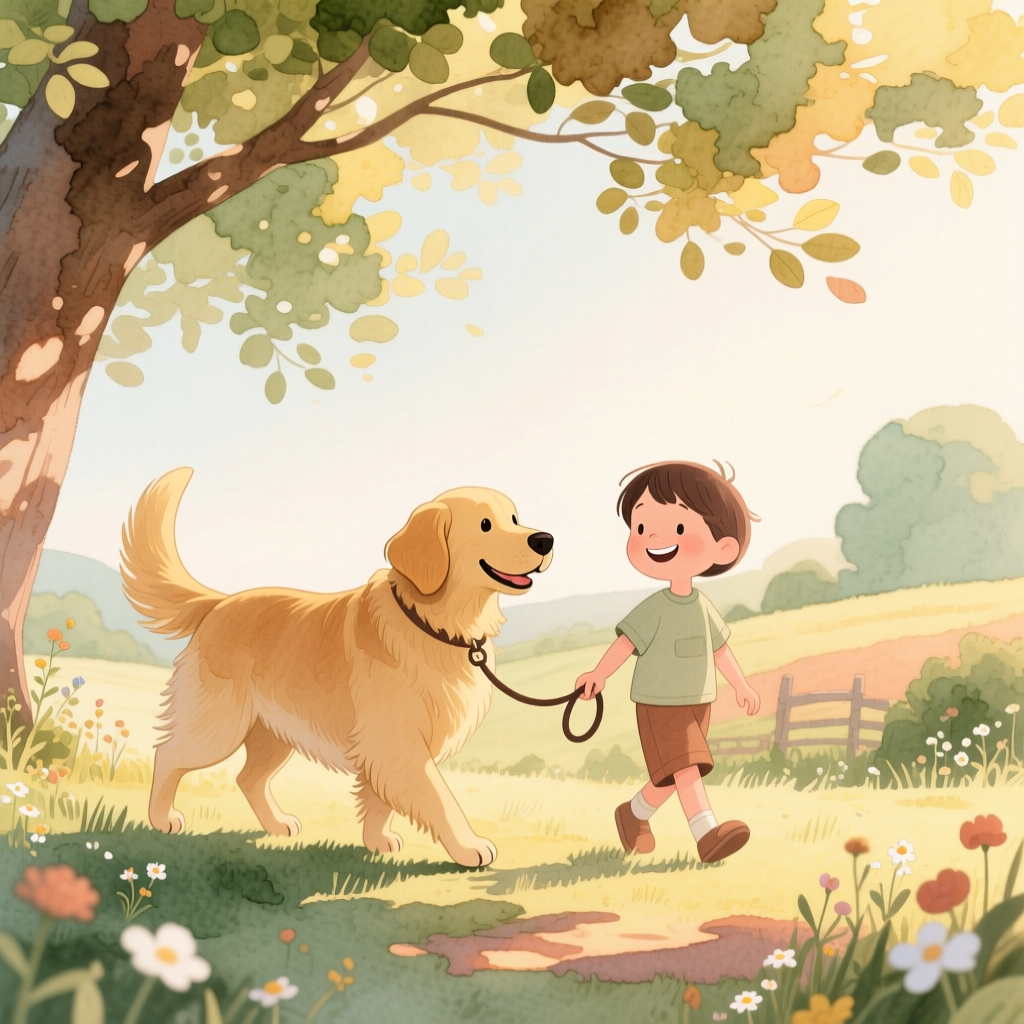
There is nothing quite as frustrating as heading out for what should be a relaxing walk with your dog, only to spend the entire time being dragged down the sidewalk like a reluctant water skier. If your arm feels like it is about to detach from your shoulder every time your furry companion spots a squirrel, another dog, or even a particularly interesting leaf, you are far from alone. Leash pulling is one of the most common behavioral challenges dog owners face, and it can turn what should be a bonding experience into a daily battle of wills.
The good news? Dogs that pull are not bad dogs. They are simply dogs who have not yet learned that walking politely on a leash is far more rewarding than charging ahead at full speed. With patience, consistency, and the right techniques, you can transform those chaotic outings into calm, enjoyable strolls. Whether you are working with an energetic puppy or an adult dog who has been pulling for years, this comprehensive guide will walk you through everything you need to know to master loose-leash walking.
Before we dive into the training methods, it is worth exploring our basic dog obedience training guide to ensure your dog has a solid foundation of core commands. A dog who understands "sit," "stay," and "come" will have a much easier time grasping leash manners. You may also want to check out our positive reinforcement training article, as reward-based methods form the backbone of every technique discussed here.
Understanding Why Dogs Pull on the Leash
Before you can effectively address leash pulling, it is essential to understand why your dog does it in the first place. Dogs do not pull out of spite or a desire to dominate you, despite what some outdated training philosophies might suggest. The reasons are far simpler and more practical than most people realize.
The Opposition Reflex
Dogs have a natural instinct called the opposition reflex, also known as thigmotaxis. When they feel pressure against their body, their instinctive response is to push against it. This means that when you pull back on the leash, your dog is biologically wired to pull forward even harder. This reflex is the same reason your dog leans into a harness when you try to hold them back. Understanding this instinct is crucial because it explains why simply pulling harder or using force-based methods often makes the problem worse rather than better.
Dogs Walk Faster Than Humans
It seems obvious, but it is worth stating: dogs naturally move at a faster pace than humans. A dog's natural trotting speed is roughly twice as fast as a human's walking pace. Asking your dog to slow down to your speed requires significant self-control, especially when they are excited about the stimulating environment around them. Breeds that were developed for endurance running or herding, such as Border Collies, Siberian Huskies, and German Shepherds, may find slow walking particularly challenging. If you are curious about your dog's natural energy levels, browse our breed profiles to learn more about your specific dog's exercise needs and instincts.
The World Is Irresistibly Interesting
For your dog, a walk is not simply exercise. It is a sensory adventure. Every bush holds fascinating scents, every passing stranger is a potential friend, and every rustling leaf could signal something exciting. When your dog pulls toward these stimuli, they are not being disobedient. They are being dogs. The challenge lies in teaching them that they can enjoy all of these wonderful things without needing to drag you along to get there.
Reinforcement History
Perhaps the most important reason dogs pull is simply that it works. If your dog pulls toward a fire hydrant and you follow along, they have just learned that pulling equals forward movement. Every single time you allow your dog to reach their desired destination while the leash is tight, you are reinforcing the pulling behavior. This is why consistency is absolutely critical in any leash training program. You must ensure that pulling never achieves the desired outcome, while loose-leash walking always does.
Essential Equipment for Training Dogs That Pull
The right tools can make a tremendous difference in your training success. While no piece of equipment will train your dog on its own, having appropriate gear sets both you and your dog up for success. Here is a breakdown of the most effective options available.
Front-Clip Harnesses
A front-clip harness is widely considered one of the best tools for managing leash pulling. Unlike traditional back-clip harnesses, which can actually encourage pulling by distributing pressure across the dog's chest (much like a sled dog harness), a front-clip harness attaches the leash at the dog's chest. When the dog pulls forward, the front attachment point gently redirects them back toward you, disrupting their forward momentum. This gives you a window of opportunity to reward your dog for reorienting toward you and walking with a loose leash.
When selecting a front-clip harness, look for one that fits snugly without restricting your dog's shoulder movement. A poorly fitted harness can cause chafing and alter your dog's natural gait, which can lead to discomfort and even injury over time.
Head Halters
Head halters work on a similar principle to a horse halter: where the head goes, the body follows. These devices loop around your dog's muzzle and clip behind the ears, giving you gentle control over their head direction. Head halters can be extremely effective for strong pullers, but they require a careful introduction period. Many dogs initially resist having something on their muzzle, so you will need to spend time conditioning your dog to accept the halter positively before using it on walks. Never jerk or snap a head halter, as this can cause neck injury.
Standard Flat Collars and Leashes
For training purposes, a standard four-to-six-foot flat leash made of nylon or leather is ideal. Avoid retractable leashes during training, as they teach your dog that tension on the leash is normal and even expected. Retractable leashes also make it nearly impossible to maintain consistent leash length, which is essential for communicating clear expectations to your dog. A standard leash gives you precise control and helps your dog understand exactly where the boundary of loose-leash walking lies.
High-Value Treats
You cannot overstate the importance of treats in leash training. You are asking your dog to give up their natural inclination to rush forward in exchange for walking slowly beside you. The reward for doing so needs to be compelling enough to compete with the environment. Stock up on small, soft, highly palatable treats that your dog absolutely loves. Pieces of chicken, cheese, hot dogs, or commercial training treats work well. Keep them easily accessible in a treat pouch clipped to your waist so you can deliver rewards quickly and smoothly without fumbling.
For a deeper understanding of how to use rewards effectively in training, our positive reinforcement dog training guide covers everything from treat selection to reward timing.
Step-by-Step Training Techniques to Stop Leash Pulling
Now that you understand the "why" behind pulling and have the right equipment, it is time to get to work. The following techniques are proven methods for teaching loose-leash walking. Start with the first technique and progress through them as your dog improves. Remember, every dog learns at their own pace, so be patient and celebrate small victories along the way.
Technique 1: The Stop-and-Wait Method
This is the foundational technique for loose-leash training, and it works on a beautifully simple principle: the leash must be loose for forward movement to happen. Here is how to implement it step by step.
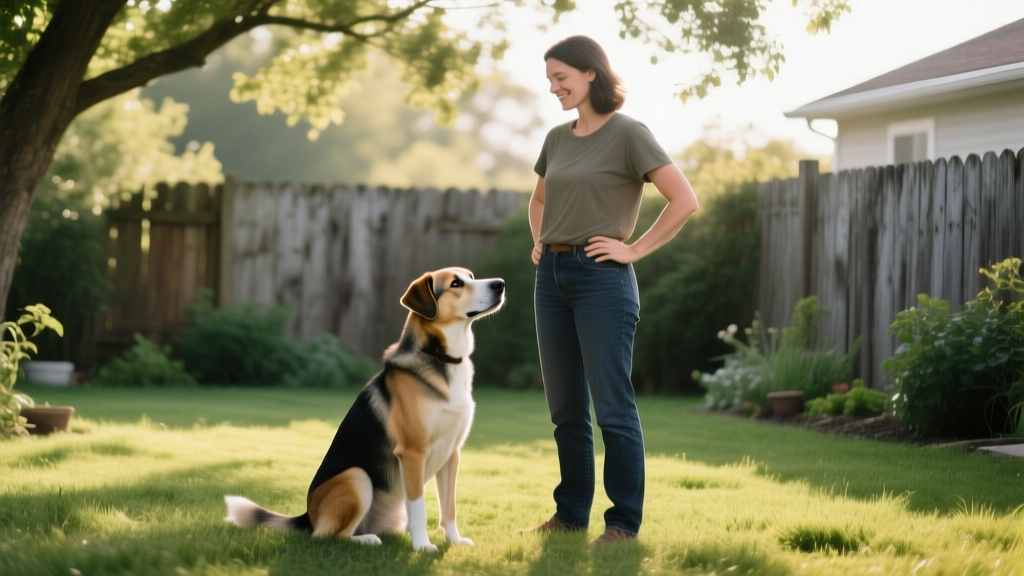
- Begin in a low-distraction environment. Start indoors or in your backyard where there are minimal temptations. Your dog needs to learn the concept before they can apply it in the real world.
- Stand still with your dog beside you. Hold the leash loosely. The moment your dog looks at you or stands calmly, mark the behavior with a word like "yes" or a clicker, and deliver a treat.
- Take one step forward. If the leash stays loose, continue walking. If your dog surges ahead and the leash tightens, stop immediately. Become a tree. Do not pull your dog back, do not speak to them, and do not move forward.
- Wait for your dog to release tension on the leash. This may happen because they turn to look at you, take a step back, or simply relax. The instant the leash goes slack, mark and reward, then resume walking.
- Repeat this process consistently. In the beginning, you may stop every two or three steps. This is normal and expected. Over time, your dog will begin to anticipate the stops and will self-correct before the leash becomes taut.
This method requires enormous patience, especially in the early stages. A walk that would normally take twenty minutes might take an hour. Plan your training sessions accordingly, and do not attempt this technique when you are in a hurry or already frustrated.
Technique 2: The Direction Change Method
If the stop-and-wait method is not producing results, or if your dog is so driven that they simply stand and wait indefinitely, the direction change method adds an additional layer of communication. The concept is straightforward: when your dog pulls forward, you change direction, teaching them that pulling actually moves them further away from where they want to go.
- Walk forward with your dog. The moment they pull ahead and the leash tightens, say a cue word like "let's go" in an upbeat tone.
- Turn 180 degrees and walk in the opposite direction. Do not yank the leash. Simply turn and walk away. Your dog will feel the gentle pressure and eventually turn to follow you.
- When your dog catches up and walks beside you with a loose leash, mark and reward generously. Praise them enthusiastically and offer a treat.
- Continue walking in the new direction. If your dog pulls again, repeat the direction change. You may find yourself doing quite a few turns in a single session, and that is perfectly fine.
This technique teaches your dog to pay attention to your movements and to stay close rather than forging ahead. It is particularly effective for dogs who are highly motivated by what is in front of them, as it demonstrates that pulling has the opposite effect of what they intend.
Technique 3: The Lure and Reward Method
This method is excellent for teaching your dog what position you want them to walk in, rather than simply telling them what not to do. It proactively rewards the correct behavior before your dog has a chance to make a mistake.
- Hold a treat in your hand at your dog's nose level, right beside your leg. This is the position you want your dog to walk in.
- Take a few steps forward while your dog follows the treat. Keep the treat at your leg so your dog stays in position.
- After three to five steps, release the treat and let your dog eat it. Mark the behavior with "yes" as you deliver the reward.
- Gradually increase the number of steps between treats. Move from three steps to five, then ten, then twenty. Vary the number so your dog does not learn to expect a treat at a predictable interval.
- Begin to fade the lure. Once your dog is consistently walking in position, start walking with the treat in your pocket or pouch instead of in front of their nose. Reward from the pouch after successful intervals of loose-leash walking.
Technique 4: The "Watch Me" Cue
Teaching your dog to make eye contact on cue is a powerful tool for redirecting their attention away from distractions and back to you. This technique pairs beautifully with loose-leash walking, especially when approaching known triggers.
- Teach "watch me" in a distraction-free environment first. Hold a treat near your face, say "watch me," and reward your dog the instant they make eye contact.
- Practice until your dog reliably makes eye contact when they hear the cue, even without the lure.
- Begin using "watch me" during walks. When you see a potential distraction approaching, give the cue before your dog reacts. Reward generously for eye contact.
- Continue walking while your dog maintains attention on you. Reward periodically for sustained focus.
This technique is especially valuable for dogs who pull specifically toward other dogs, people, or animals. For more advice on managing reactive behavior during walks, take a look at our dog socialization guide.
Common Mistakes That Sabotage Leash Training
Even well-intentioned dog owners can inadvertently undermine their training efforts. Being aware of these common pitfalls will help you stay on track and avoid the frustration that comes from unknowingly working against your own goals.
Inconsistency Between Walks
Perhaps the single biggest mistake dog owners make is allowing pulling on some walks but not others. If you enforce loose-leash walking on leisurely Sunday strolls but let your dog drag you to the car on busy weekday mornings, you are sending a mixed message. Your dog learns that pulling sometimes works, which actually makes the behavior more resistant to extinction. This is the same psychological principle behind slot machines: intermittent reinforcement creates the strongest habits. To succeed, you must commit to enforcing loose-leash rules every single time your dog is on a leash, without exception.
Using the Wrong Equipment
Using a retractable leash, a back-clip harness on a strong puller, or a collar that causes discomfort can all work against your training. Some owners turn to aversive tools like prong collars or shock collars in frustration, but these can create fear, anxiety, and even aggression without addressing the underlying behavior. Modern, science-based training methods achieve better long-term results without risking your dog's emotional well-being. If you are unsure which equipment is best for your dog, consult a certified professional dog trainer or a veterinary behaviorist.
Not Providing Enough Exercise Before Training
Trying to train loose-leash walking with a dog who has pent-up energy is like trying to teach calculus to a toddler who just drank a liter of soda. Before your training walk, give your dog an opportunity to burn off excess energy through play, fetch, or a sniff session in a fenced area. A dog who has already had some physical and mental stimulation will be far more capable of focusing on the task of walking politely. This is especially important for high-energy breeds. Check our breed information pages to understand your dog's specific exercise requirements.
Moving Too Fast in Training
Many owners expect their dog to master loose-leash walking in a single session and become discouraged when progress is slow. Leash training is a process that typically takes weeks or even months, depending on your dog's age, history, and temperament. Expect setbacks. Expect bad days. Expect that your dog might walk beautifully in your driveway and completely fall apart the moment you reach the sidewalk. This is normal, and it does not mean your training is failing. It simply means your dog needs more practice in progressively challenging environments.
Punishing the Dog for Pulling
Yelling, jerking the leash, or physically correcting your dog for pulling may suppress the behavior temporarily, but it does not teach your dog what you want them to do instead. It can also damage your relationship and create negative associations with walks. Your dog may begin to associate the leash with punishment rather than with enjoyable outings. Focus on rewarding the behavior you want rather than punishing the behavior you do not want. This approach builds confidence and enthusiasm rather than fear and avoidance.
Tips for Long-Term Success and Maintenance
Once your dog has developed solid loose-leash walking skills, the work is not entirely over. Maintaining good leash manners requires ongoing attention, especially as your dog encounters new environments, distractions, and life stages. Here are some expert tips to ensure your hard-won progress lasts a lifetime.
Practice in Progressively Challenging Environments
Start your training in the quietest, least distracting environment available, such as your living room or backyard. Once your dog is walking reliably in that setting, move to a slightly more challenging location, such as your front yard. Then progress to a quiet street, then a busier street, then a park, and eventually to highly stimulating environments like outdoor markets or busy trails. This systematic approach, known as proofing, ensures that your dog can generalize their loose-leash skills to any situation. If your dog struggles in a new environment, take a step back to an easier setting and rebuild from there.
Make Walks Mentally Stimulating
A walk does not have to be purely physical exercise. Incorporating mental stimulation into your walks can reduce your dog's desire to pull by satisfying their brain as well as their body. Allow your dog to sniff interesting spots, practice obedience commands during the walk, or incorporate short training games. Sniffing is incredibly enriching for dogs and can be just as tiring as physical exercise. Consider designating portions of your walk as "sniffaris" where your dog is free to explore scents on a loose leash as a reward for good walking behavior earlier in the outing.
Use Life Rewards
Treats are wonderful, but they are not the only reward available to you. Your dog values many things in their environment, and you can use these as powerful reinforcers for loose-leash walking. For example, if your dog wants to sniff a fire hydrant, ask for a few steps of polite walking first, then release them to sniff as a reward. If they want to greet another dog, require loose-leash walking before allowing the greeting. This approach, often called the Premack Principle or "Grandma's Law," teaches your dog that good leash manners unlock access to everything they want in the world.
Keep Training Sessions Short and Positive
Especially in the early stages, keep your focused training sessions to ten or fifteen minutes. Long, repetitive sessions can lead to frustration for both you and your dog. It is far better to end a session on a positive note with your dog wanting more than to push through until both of you are exhausted and irritable. You can do multiple short sessions throughout the day, and you should still take your dog on regular walks for exercise, using management tools like a front-clip harness when you are not actively training.
Consider Professional Help When Needed
If you have been working consistently for several weeks without improvement, or if your dog's pulling is accompanied by reactive behavior such as barking, lunging, or aggression toward other dogs or people, it may be time to seek professional guidance. A certified professional dog trainer can observe your technique, identify areas for improvement, and create a customized training plan tailored to your dog's specific needs. There is no shame in asking for help, and a skilled trainer can often accelerate your progress dramatically. Our training resources hub has additional articles that can complement your work with a professional.
Frequently Asked Questions About Dogs That Pull
How long does it take to train a dog to stop pulling on the leash?
The timeline for leash training varies significantly depending on your dog's age, breed, temperament, and how long the pulling behavior has been reinforced. For a young puppy with no established pulling habit, you may see significant improvement within two to four weeks of consistent daily practice. For an adult dog who has been pulling for years, the process typically takes several weeks to a few months. Dogs with high prey drive or strong reactivity may require even longer. The key factors that influence speed of progress are consistency, frequency of practice, quality of rewards, and your ability to prevent the dog from being reinforced for pulling outside of training sessions. Remember that every dog is an individual, and comparing your progress to someone else's is rarely helpful.
Should I use a harness or a collar for a dog that pulls?
For most dogs that pull, a well-fitted front-clip harness is the best choice. Front-clip harnesses provide control without putting pressure on your dog's trachea, which is a significant risk with flat collars, especially for small breeds or dogs with respiratory issues. Back-clip harnesses are generally not recommended for pullers because they can actually encourage pulling by distributing pressure across the chest in a way that allows the dog to lean in and push forward. Head halters can also be effective but require a careful conditioning period. Avoid aversive tools like choke chains, prong collars, and shock collars, as these can cause physical harm and behavioral fallout. Regardless of the tool you choose, remember that equipment manages the behavior while training changes it. The goal is for your dog to eventually walk politely on any appropriate equipment because they have learned the skill, not because the equipment prevents them from pulling.
My dog walks perfectly on leash in the yard but pulls everywhere else. What should I do?
This is one of the most common challenges in leash training, and it is a textbook example of a dog who has not yet generalized their training to new environments. Your yard is a familiar, relatively low-stimulation setting where your dog can focus easily. The outside world is full of novel scents, sounds, sights, and potential interactions that make focusing on leash manners much more difficult. The solution is to systematically increase the level of distraction in your training. Start by practicing in your front yard, then move to a quiet side street, then a slightly busier road, and so on. At each new location, expect to take a few steps back in your training. Use higher-value treats in more challenging environments, increase the frequency of rewards, and be patient. Over time, your dog will learn that loose-leash walking applies everywhere, not just in familiar territory. Our socialization guide offers additional strategies for helping your dog feel comfortable and focused in new environments.
Is it too late to train an older dog to stop pulling?
It is absolutely never too late to train a dog to stop pulling, regardless of their age. While it is true that older dogs may have more deeply ingrained habits and may take longer to change their behavior, dogs remain capable of learning throughout their entire lives. In fact, older dogs often have better impulse control and longer attention spans than puppies, which can actually work in your favor during training. The approach is the same as it would be for a younger dog: use positive reinforcement, be consistent, start in low-distraction environments, and progress gradually. You may need to be especially patient with an older dog who has been pulling for many years, as you are essentially asking them to override a behavior that has been successful for them for a long time. Adjust your expectations, celebrate incremental progress, and know that with dedication, your senior dog can absolutely learn to walk politely on a leash. For breed-specific considerations that may affect training, explore our comprehensive breed guides.
Why does my dog pull more on the way home than on the way out?
This is a surprisingly common observation, and there are several possible explanations. Some dogs pull toward home because they associate it with safety, comfort, food, or other valued resources. Others may be tired from the walk and eager to rest. In some cases, dogs pull more on the return trip because the outward journey was filled with stimulation that kept them engaged, and by the time they head home, they have habituated to the environment and are simply focused on getting back. If your dog consistently pulls in one direction, try varying your walking routes to break the pattern. You can also use the direction change technique to interrupt the pulling, and be sure to reward generously when your dog walks with a loose leash in the challenging direction. Understanding your dog's specific motivation can help you tailor your training approach for better results.
Training a dog to stop pulling on the leash is a journey that requires patience, consistency, and a genuine understanding of why your dog behaves the way they do. By using positive reinforcement techniques, appropriate equipment, and a systematic approach to increasing difficulty, you can build a foundation of loose-leash walking that will make every outing more enjoyable for both you and your dog. Remember that setbacks are a normal part of the process, and every step forward, no matter how small, is progress worth celebrating. Happy walking!
Tom Renshaw
All our authors care for dogs every day — read more of their work on the authors page.