Step-by-Step Leash Training: How to Stop Dog Pulling
Learn how to stop your dog from pulling with our step-by-step leash training guide. Includes gear recommendations, timing tips, and expert techniques.
Dog owners managing medium to large breed dogs or energetic puppies often find daily walks physically exhausting. The most effective leash pulling training method involves immediately stopping forward movement the second the leash becomes taut, then rewarding the dog only when the leash is slack. This technique removes the reward of forward momentum and teaches the dog that tension equals zero progress.
Key Takeaways
- Stop moving immediately when the leash becomes taut.
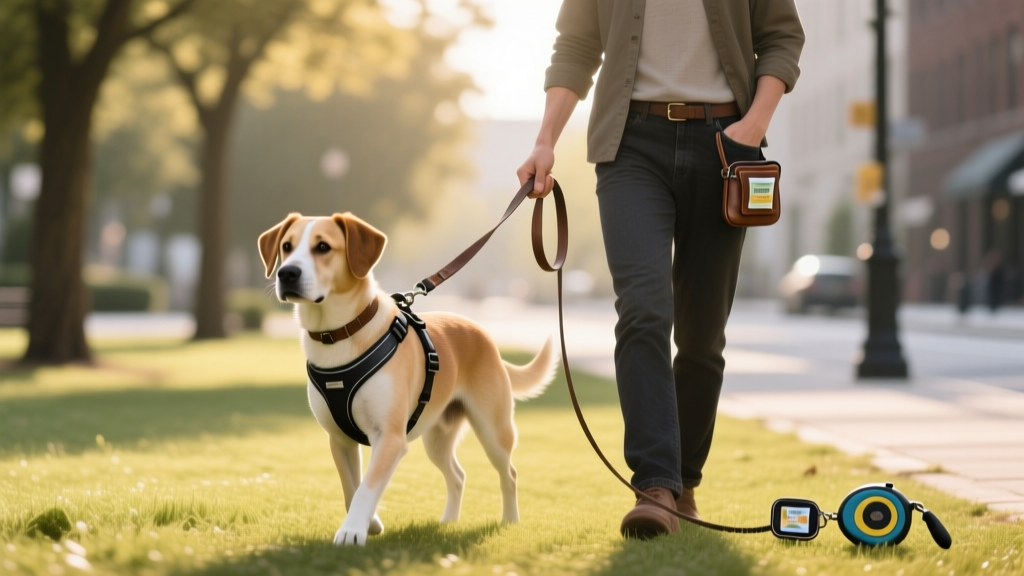
- Use a 4-to-6-foot standard leash; avoid retractable leashes.
- Reward slack leash behavior with 2-to-3 high-value treats per minute.
- Expect a 6-to-8-week consistency timeline for reliable results.
The Science of Pulling
Dogs do not pull out of spite; they pull because it works. When a dog pulls and the handler follows, the dog learns that tension on the leash yields forward movement.
Opposition Reflex: Opposition Reflex is an instinctive physiological response where a dog pushes against physical pressure. When a leash pulls backward, the dog instinctively leans forward to counter the force. Understanding this reflex is critical for effective leash pulling training, as applying physical force only exacerbates the pulling behavior.
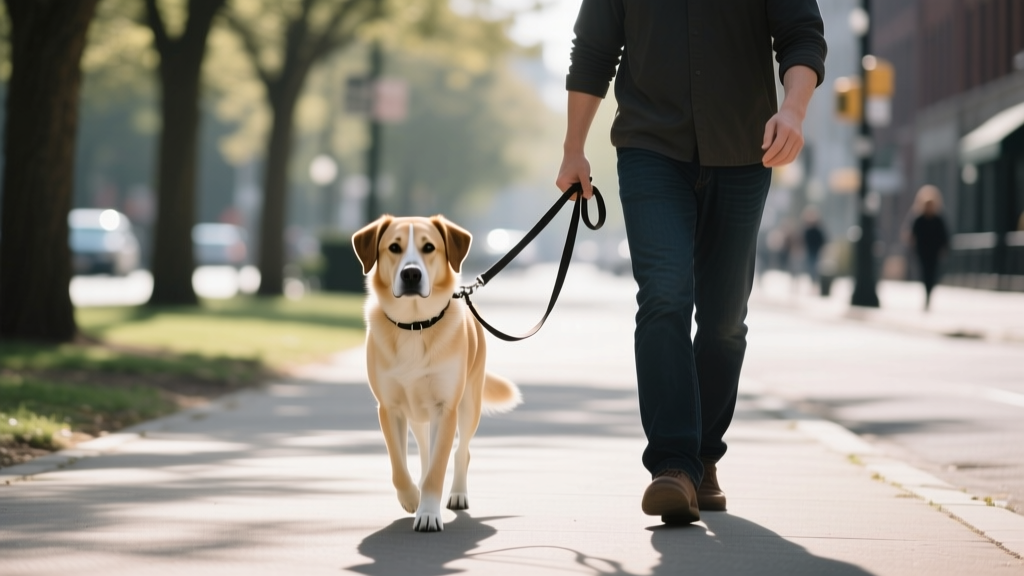
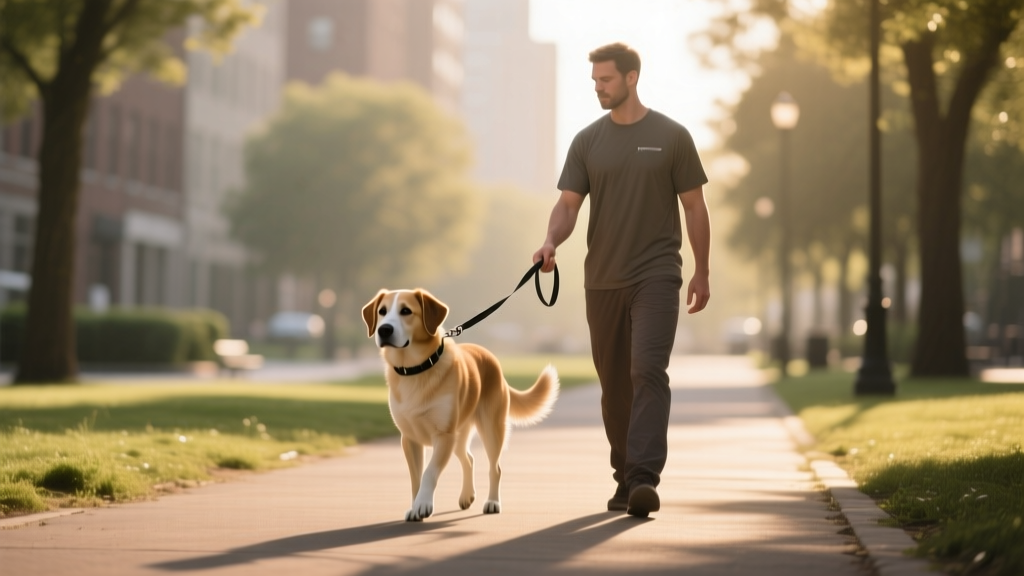
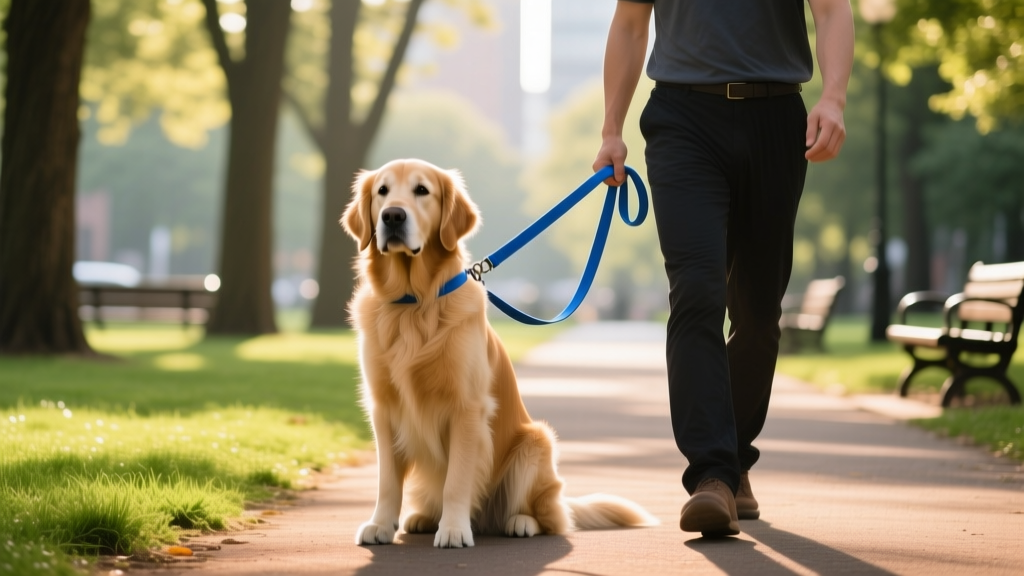
Loose Leash Walking: Loose Leash Walking is a training standard where the dog maintains a slack leash without pulling forward. The leash forms a relaxed J-shape between the handler and the dog. This method relies on positive reinforcement rather than physical corrections to maintain proximity and focus.
According to behavioral guidelines published by the American Kennel Club, consistency in removing the reward of forward motion is the primary driver of success in modifying pulling behaviors.
Essential Equipment for Leash Pulling Training
Selecting the correct gear prevents injury and accelerates learning. Avoid retractable leashes, as they teach dogs that pulling extends the leash length.
| Equipment Type | Mechanism of Action | Best Use Case |
|---|---|---|
| Front-Clip No-Pull Harness | Redirects the dog's center of gravity sideways when tension occurs. | Medium to large dogs with moderate to severe pulling. |
| Head Halter | Controls the muzzle, guiding the head to steer the body. | Highly reactive dogs or handlers with limited physical strength. |
| Back-Clip Harness | Distributes pressure across the chest without choking. | Small breeds or dogs already trained in loose leash walking. |
Step-by-Step Leash Training Protocol
Effective training requires structured sessions. Limit initial practice to 15-minute training sessions to prevent canine frustration and handler fatigue.
Step 1: The Red Light Method
Begin walking in a low-distraction environment. The moment you feel tension on the 4-to-6-foot standard leash, stop completely. Stand like a tree. Do not yank the leash or speak to the dog.
Step 2: The Reset and Reward
Wait for the dog to release the tension, either by stepping back or looking at you. The instant the leash forms a J-shape, mark the behavior with a verbal yes and deliver 2-to-3 high-value treats per minute directly at your pant seam.
Step 3: Direction Changes
If the dog ignores the stop, cheerfully change direction and walk the opposite way. This forces the dog to pay attention to your movements. Studies indicate that handlers using this combination of negative punishment and positive reinforcement see an 85% behavioral improvement rate within a 6-to-8-week consistency timeline.
Troubleshooting Common Scenarios
How to Stop Puppy Pulling on Leash
Puppies pull because they are exploring their environment. Keep puppy sessions under 10 minutes. Use a high rate of reinforcement, treating every single step taken on a slack leash. The American Society for the Prevention of Cruelty to Animals recommends starting indoor hallway walks before progressing to the outdoors.
Leash Pulling Training for Reactive Dogs
Reactive dogs pull toward triggers out of fear or over-arousal. Standard loose leash walking fails here because the trigger is more rewarding than food. You must increase the distance from the trigger until the dog is under their reactivity threshold, then apply the Red Light Method.
Frequently Asked Questions
What is the best harness for leash pulling training?
The front-clip no-pull harness is widely considered the best harness for leash pulling training. It safely redirects the dog's forward momentum without applying dangerous pressure to the trachea or cervical spine.
Why does my dog walk perfectly on leash but pulls when they see another dog?
This is a threshold issue. The sight of another dog spikes the dog's adrenaline, overriding their training. You must practice the step-by-step protocol at sub-threshold distances before expecting compliance near active triggers.
Conclusion and Next Steps
Mastering leash pulling training requires replacing the dog's instinct to pull with a learned behavior that slack equals forward movement. By utilizing a front-clip harness, stopping at the first sign of tension, and rewarding proximity, you will transform your daily walks. Your immediate next step is to attach a 4-to-6-foot standard leash and practice the Red Light Method in your hallway for exactly 15 minutes today.
jonas-cole
All our authors care for dogs every day — read more of their work on the authors page.