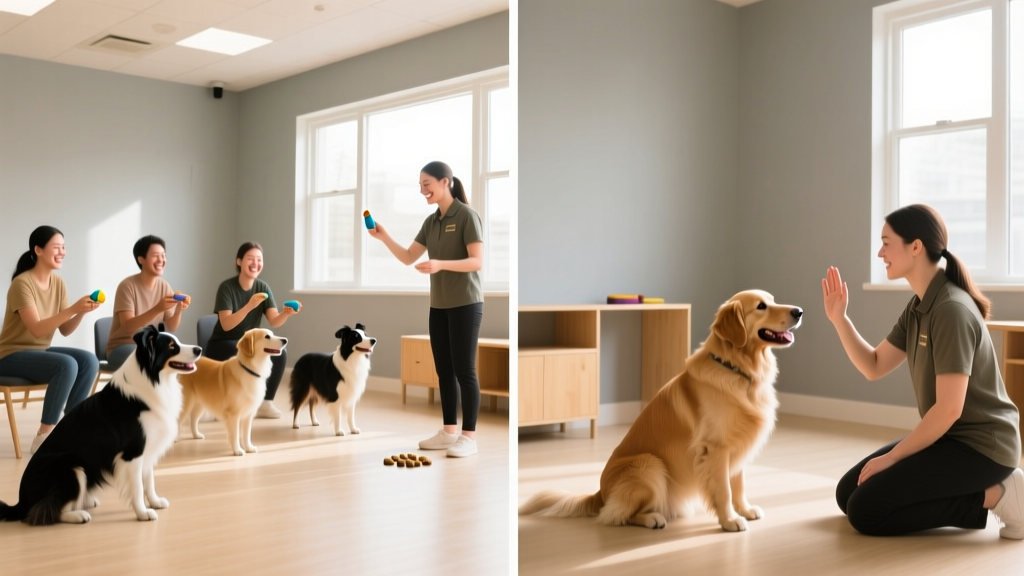
The Settle Command: Teaching Your Dog to Calm Down on Cue
A calm dog is a happy dog. Learn how to teach the most useful calm-behaviour cue in your training toolkit.

Why Every Dog Needs a Settle Cue
A "settle" command — teaching your dog to lie down and relax on cue — is arguably more useful than "sit" or "stay" in daily life. It's the difference between a dog who greets every visitor with jumping excitement and one who politely rests while you host.
Step 1: Capture the Behaviour
Wait for a moment when your dog naturally lies down calmly. The instant they settle, say "yes" quietly and drop a treat between their front paws. Don't ask them to move — the reward happens right where they are. Repeat this 5-10 times over several days until your dog starts lying down more often, anticipating the reward.
Step 2: Add the Cue
Just before your dog lies down (you should be able to predict the movement by now), say "settle" in a calm, low voice. Reward when they comply. After 20-30 repetitions, your dog will associate the word with the action.
Step 3: Extend the Duration
Gradually increase the time between the settle and the reward. Start with 3 seconds, build to 10, then 30, then a full minute. Deliver treats quietly — every 10-15 seconds at first, then less frequently. The goal is sustained relaxation, not a quick down-then-up cycle.
Real-World Practice
- At the cafe: ask your dog to settle under the table while you enjoy a coffee
- During dinner: settle on their bed while the family eats
- When visitors arrive: settle while you greet guests, then release for a calm hello
The Release Cue
Always release your dog from settle with a specific word like "okay" or "free". Without a release, your dog doesn't know when the behaviour ends, which creates confusion and anxiety about when they're allowed to move.
A reliable settle takes 2-4 weeks of daily practice. The payoff — a dog who can relax anywhere, anytime — makes it one of the highest-value behaviours you can teach.
Marcus Reeves
All our authors care for dogs every day — read more of their work on the authors page.