There are few moments more jarring for a dog owner than the first time their beloved pet turns around and growls over a piece of food, a favorite toy, or even a stolen sock. Resource guarding is a common canine behavior issue that can cause immense stress, strain the human-animal bond, and pose a safety risk to families, children, and other pets. However, it is crucial to understand that resource guarding is not a sign of malice or a deliberate attempt to dominate you. It is a natural, deeply ingrained survival instinct rooted in fear and anxiety.
At Paws & Tales, we believe that every behavioral challenge is an opportunity to deepen your relationship with your dog through empathy, patience, and science-based training. If your dog stiffens, snaps, or growls when you approach their valued items, you are not alone, and this behavior can be modified. In this comprehensive guide, we will explore the psychology behind resource guarding, break down step-by-step desensitization exercises, and provide essential management strategies to help you create a safer, more harmonious home environment.
The Evolutionary Roots of Resource Guarding
To effectively address resource guarding, we must first look at the world through our dog's eyes. In the wild, canines had to compete for limited, life-sustaining resources such as food, water, safe shelter, and mates. A dog that willingly gave up its hard-earned meal to a competitor was less likely to survive. While our domestic dogs no longer need to hunt for their dinner, the genetic blueprint that tells them to protect valuable items remains deeply embedded in their DNA.
A 'resource' is anything your dog perceives as valuable. While we typically associate guarding with food bowls and rawhide chews, dogs can guard a vast array of items. This includes favorite plush toys, stolen household items like shoes or remote controls, prime sleeping spots like the couch or your bed, and even people. In multi-dog households, one dog might guard a specific human from the other dog, creating a tense and potentially dangerous environment.
Certain breeds may be more predisposed to specific types of guarding due to their historical jobs and genetic traits. For example, highly food-motivated breeds like the Labrador Retriever might exhibit intense food-bowl guarding, while protective herding or guarding breeds like the German Shepherd might be more prone to guarding their owners or their territory. Even small breeds, such as the Dachshund, can be fierce guarders of their favorite burrowed blankets or lap spaces. Understanding that this behavior is a natural survival mechanism—not a personal insult—is the first and most important step toward rehabilitation.
Decoding Canine Body Language & Warning Signs
Dogs are master communicators, but they speak a language of subtle body postures that many humans miss. Resource guarding does not start with a bite; it follows a well-documented ladder of aggression. When a dog feels their resource is threatened, they will escalate through a series of warning signs, hoping to increase the distance between themselves and the perceived thief.
The early, easily missed signs of anxiety and guarding include:
- Freezing: The dog suddenly stops chewing or eating and becomes completely rigid.
- Whale Eye: The dog turns its head slightly away but keeps its eyes fixed on you, showing the whites of its eyes in a half-moon shape.
- Lip Licking & Yawning: Displacement behaviors that indicate internal stress and conflict.
- Accelerated Eating: Gulping down food or swallowing items whole to get them out of sight before they can be taken.
If these subtle pleas for space are ignored, the dog will escalate to more overt warnings:
- Hard Staring: A fixed, unblinking glare directed at the approaching person or animal.
- Low Growling: A rumbling vocalization meant as a clear warning to back away.
- Lifting a Lip / Snarling: Baring the teeth to visually reinforce the threat.
- Air Snapping: A warning bite directed at the air, meant to warn without making contact.
- Biting: The final resort when all previous warnings have failed to secure the resource.
Recognizing these early signals is vital. If you wait until your dog is growling or snapping, you are missing the earlier, quieter moments where intervention is easiest and least stressful for the dog.
Step-by-Step Desensitization & Counter-Conditioning Exercises
The gold standard for treating resource guarding is a combination of desensitization (gradually exposing the dog to the trigger at a low intensity) and counter-conditioning (changing the dog's emotional response to the trigger). The goal is to teach your dog that a human approaching their valued item is not a threat, but rather the herald of something even better. Before starting these exercises, ensure you have a solid foundation in basic obedience; if you are starting with a young puppy, our guide on puppy obedience basics is a great place to start.
Exercise 1: The 'Trade-Up' Game
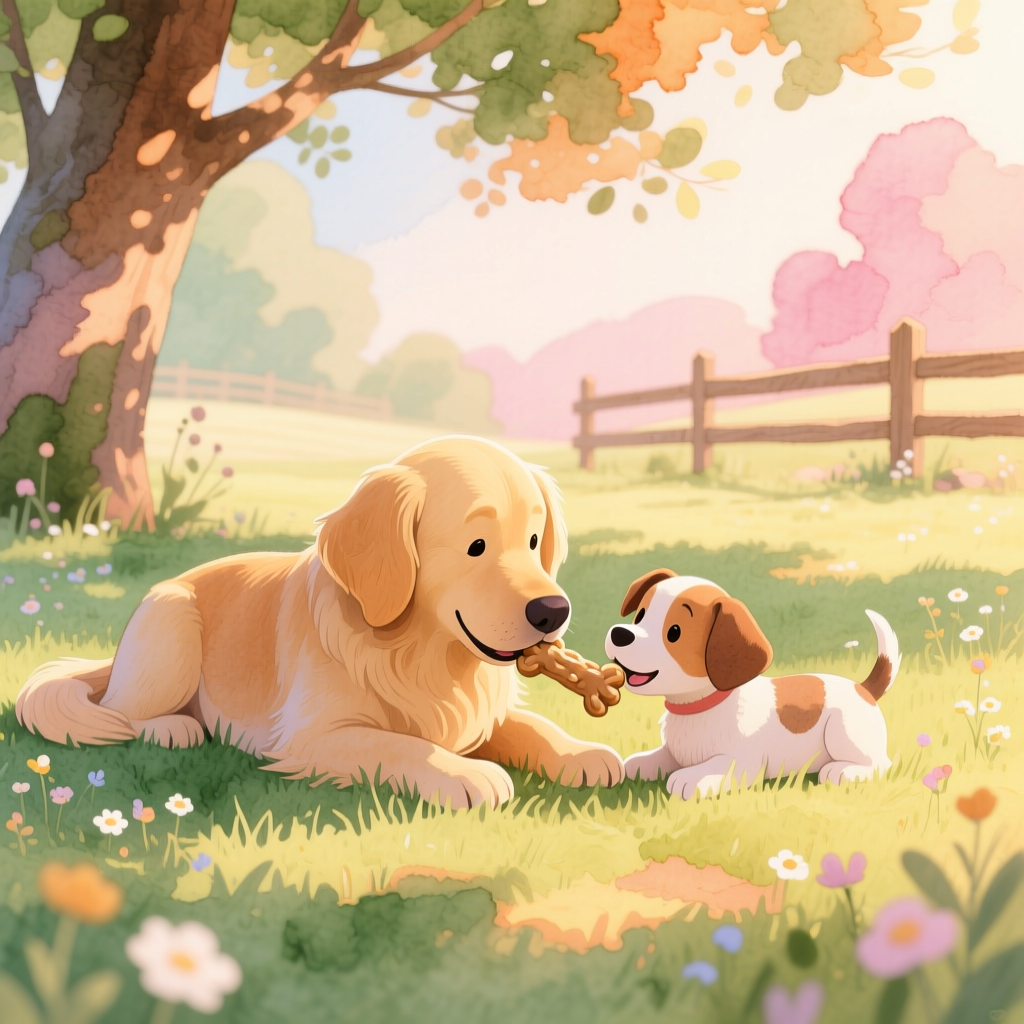
The Trade-Up game teaches your dog that giving up an item is a rewarding experience, not a loss. Never forcefully pry an item from your dog's mouth, as this validates their fear that you are a thief and will only increase guarding behavior.
- Start with Low-Value Items: Offer your dog a boring toy or a piece of dry kibble that they like but do not obsess over.
- Present the High-Value Treat: Once they have the low-value item in their mouth, approach calmly and present an ultra-high-value treat (like boiled chicken, freeze-dried liver, or string cheese) right in front of their nose.
- Wait for the Drop: Your dog will naturally drop the toy to eat the superior treat. The moment they drop it, say a marker word like 'Yes!' and give them the treat.
- Return the Item: After they eat the treat, pick up the toy and give it right back to them. This is the crucial step! It teaches the dog that giving you an item does not mean it is gone forever; it means they get a treat and they get the toy back.
- Gradually Increase Value: Over weeks of practice, slowly work your way up to higher-value items like bully sticks or favorite squeaky toys.
Exercise 2: The Approach and Toss Method
This exercise is specifically designed for dogs who guard their food bowls or long-lasting chews. The objective is to change the dog's emotional response from 'Oh no, they are coming to take my food' to 'Yay, they are coming to add something amazing to my bowl!'
- Find the Threshold Distance: Give your dog their meal or chew. Walk toward them and note the exact distance where they first show signs of tension (freezing, side-eyeing). Stop before they react negatively. This is their threshold.
- Toss the Jackpot: From that safe distance, toss a piece of high-value chicken into or right next to their bowl. Walk away immediately.
- Repeat: Do this 10 to 15 times per meal. Your dog will begin to associate your approach with the arrival of premium treats.
- Decrease the Distance: Over multiple sessions, take one step closer before tossing the treat. If the dog tenses up, you have moved too fast; take a step back and rebuild their confidence.
- The Final Goal: Eventually, you should be able to walk right up to the bowl, drop a handful of chicken in, and walk away, with your dog wagging their tail in anticipation rather than stiffening in fear.
Exercise 3: Hand Feeding and Impulse Control
For dogs with severe food guarding, temporarily removing the food bowl entirely can be a highly effective reset. Hand feeding forces the dog to look to you as the source of all good things, building trust and focus. You can incorporate basic commands like 'sit', 'watch me', or a reliable recall to make your dog work for their kibble. This not only burns mental energy but also reinforces your role as a benevolent provider rather than a resource competitor.
Environmental Management & Multi-Dog Households
While training addresses the root cause of the behavior, management ensures safety and prevents the dog from rehearsing the unwanted behavior. Every time a dog successfully guards an item and makes the 'threat' go away, the guarding behavior is reinforced. Therefore, setting up your environment for success is just as important as the training exercises themselves.
1. Create Safe Zones: Dogs need a place where they can eat and chew in absolute peace. If your dog guards food, feed them in a separate room, inside a crate, or behind a baby gate. A secure crate is an excellent tool for this; if you need help introducing your dog to a crate, consult our comprehensive crate training guide. Once the dog is in their safe zone with a high-value chew, no humans or other pets should be allowed to approach or disturb them.
2. Pick Up High-Value Triggers: If your dog guards specific items like rawhides, tennis balls, or shoes, simply do not leave them lying around the house. Only provide these items when the dog is in their designated safe zone, and pick them up when the dog is done. Keep your home tidy to remove the temptation for your dog to steal and guard household objects.
3. Managing Multi-Dog Households: Dog-to-dog resource guarding is incredibly common and can lead to severe fights. Never feed dogs side-by-side if there is a history of tension. Use separate rooms or crates for meals and long-lasting chews. If your dogs guard toys, implement a 'nothing left on the floor' rule and only bring toys out during supervised, structured play sessions. Always advocate for the dog who is being bullied, and separate them immediately if you see stiff body language or whale eye.
Pro Tips for Success & Common Mistakes to Avoid
Rehabilitating a resource-guarding dog requires immense patience, consistency, and emotional control. It is easy to become frustrated or fearful, but your emotional state directly impacts your dog's anxiety levels. Here are some vital tips and common pitfalls to keep in mind on your training journey.
Common Mistakes That Make Guarding Worse
- Punishing the Growl: This is the most dangerous mistake an owner can make. A growl is a warning system. If you yell at, hit, or physically punish your dog for growling, you are not removing their desire to guard; you are simply suppressing the warning label. The next time the dog feels threatened, they will skip the growl and go straight to biting. Always respect the growl and use it as data to adjust your training distance.
- The 'Alpha' Dominance Myth: Outdated training advice often suggests that you should frequently take your dog's food bowl away or put your hands in their food while they eat to 'show them who is boss.' This is entirely counterproductive. Imagine if someone kept snatching your dinner plate away while you were eating; you would likely become defensive and anxious, too. This practice actively creates resource guarding in dogs that did not previously have it.
- Moving Too Fast: Desensitization must happen at the dog's pace. If you push past their threshold and cause them to snap, you have set your training back. Patience is your greatest tool.
Pro Tips for Accelerated Progress
- Use the Highest Value Treats: Dry kibble will not cut it when you are asking a dog to give up a prized bone. Use boiled chicken, hot dogs, or freeze-dried liver. The treat must be significantly better than the item they are guarding.
- Keep Sessions Short: Counter-conditioning is mentally exhausting for a dog. Keep training sessions to 3 to 5 minutes to prevent frustration and fatigue.
- Advocate for Your Dog: If you have children or guests visiting, it is your job to manage the environment. Never allow a child to approach a dog while they are eating or chewing. Teach children to respect the dog's space, and use baby gates to separate them during meal times.
Frequently Asked Questions About Resource Guarding
Can resource guarding be completely cured?
In most cases, resource guarding can be managed to the point where it is no longer a daily issue, and many dogs overcome it entirely. However, behaviorists often prefer the term 'managed' rather than 'cured.' Under extreme stress, illness, or in old age, a dog's threshold may lower, and old guarding instincts could resurface. Maintaining lifelong management protocols, like feeding in a separate room, ensures everyone remains safe even if the dog has a bad day.
Is resource guarding a sign of dominance?
No. Modern canine behavioral science has thoroughly debunked the idea that dogs guard resources to achieve 'alpha' status or dominate their humans. Resource guarding is rooted in fear, anxiety, and a perceived scarcity of resources. The dog is not trying to control you; they are simply terrified of losing something they value. Approaching the issue with empathy rather than a desire to 'dominate' the dog will yield much faster and safer results.
Should I put my hand in my dog's food bowl while they eat?
Absolutely not. This outdated practice is a fast track to creating a resource-guarding dog. Imagine sitting at a restaurant and having a stranger repeatedly plunge their hands into your meal. You would feel annoyed, defensive, and anxious. Instead of invading their space, practice the 'Approach and Toss' method mentioned above, where your approach predicts the addition of something wonderful, not the threat of theft.
How do I stop my dog from guarding me from other dogs or people?
Human guarding (or 'owner guarding') occurs when a dog perceives their human as a high-value resource and lashes out at anyone who approaches. To address this, you must remove the dog's access to the resource when triggers are present. If your dog growls at guests while sitting on your lap, calmly stand up and put the dog on the floor or place them behind a baby gate. Teach your dog that being on your lap or right next to you is a privilege that is revoked if they display aggressive behavior. You may also need to work on a reliable recall to call your dog away from approaching guests before they have the chance to react.
When should I hire a professional behaviorist?
While mild guarding can often be addressed with dedicated at-home training, you should immediately seek the help of a certified professional dog trainer or a veterinary behaviorist if your dog has a bite history, if the guarding involves children, or if you feel afraid of your dog. A professional can observe your specific environment, identify subtle triggers you might be missing, and guide you through a customized safety and rehabilitation plan.
Resource guarding is a challenging journey, but it is one that can profoundly strengthen the bond between you and your dog. By replacing fear with trust, and punishment with positive reinforcement, you can help your canine companion feel secure, relaxed, and happy in their home. For more expert advice on canine behavior, nutrition, and breed-specific care, continue exploring the resources available here at Paws & Tales.