Puppy Training Tips for Nipping: How to Stop Your Puppy from Biting
Discover proven puppy training tips for nipping and biting. Learn gentle, effective methods to curb mouthing behavior and raise a well-mannered dog.
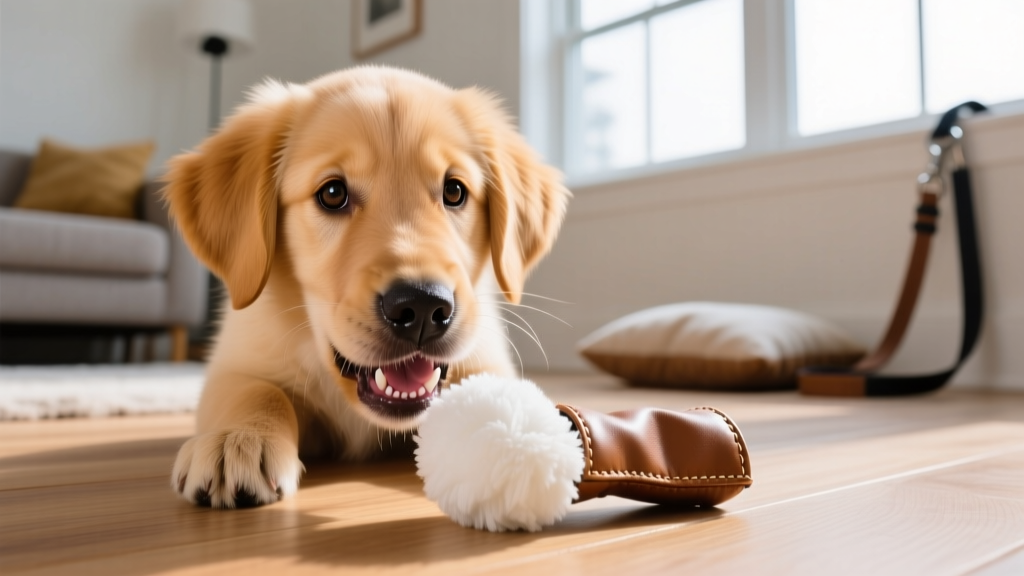
Every new puppy owner knows the feeling: those tiny, needle-sharp teeth sinking into your fingers, toes, or the hem of your favorite jeans. Puppy nipping is one of the most common challenges faced during the early weeks and months of dog ownership, and it can leave even the most patient pet parent feeling frustrated and overwhelmed. The good news is that nipping is a completely normal developmental behavior, and with the right approach, you can gently guide your puppy toward softer, more appropriate interactions.
At Paws & Tales, we believe that understanding why your puppy nips is the first step toward addressing the behavior effectively. Puppies explore the world with their mouths, much like human babies explore with their hands. They are also learning bite inhibition — the ability to control the force of their bite — through interactions with their littermates and, eventually, with you. This guide will walk you through proven, humane puppy training tips for nipping so you can build a strong foundation of trust and communication with your furry companion.
Understanding Why Puppies Nip and Bite
Before diving into training techniques, it is essential to understand the root causes behind nipping behavior. Puppies nip for a variety of reasons, and recognizing these motivations will help you respond appropriately rather than reacting out of frustration.
Teething Discomfort
Between the ages of three and seven months, puppies go through a teething process as their baby teeth fall out and adult teeth come in. This can cause soreness, itching, and general discomfort in their gums. Nipping and chewing provide relief, which is why you may notice an increase in mouthy behavior during this period. Providing appropriate teething toys can redirect this natural urge away from your hands and furniture.
Exploration and Play
Puppies use their mouths to investigate textures, shapes, and objects in their environment. When a puppy nips at your hand during play, it is often their way of engaging with you and testing boundaries. In the litter, puppies learn bite inhibition through feedback from their siblings: if one puppy bites too hard, the other yelps and stops playing. This natural feedback loop teaches them to moderate the pressure of their bite.
Overstimulation and Overtiredness
Just like human toddlers, puppies can become cranky and mouthy when they are overtired or overstimulated. A puppy that has been playing for too long, exposed to too many new experiences, or simply hasn't had enough sleep may resort to nipping as an outlet for pent-up energy. Recognizing the signs of an overtired puppy — increased nipping, zoomies, inability to settle — is crucial for preventing unnecessary behavioral issues.
Attention-Seeking Behavior
If a puppy learns that nipping gets a reaction from you — even a negative one like yelling or pushing them away — they may continue the behavior because any attention feels rewarding. This is one of the most common reasons nipping persists beyond the teething stage, and it highlights the importance of responding consistently and calmly.
Proven Techniques to Stop Puppy Nipping
Now that you understand the "why" behind the behavior, let's explore the "how." The following techniques are grounded in positive reinforcement and gentle redirection, two pillars of effective positive reinforcement dog training. Consistency is the key to success with every method described below.
Step 1: Teach Bite Inhibition Through Feedback
One of the most effective ways to address nipping is to mimic the feedback puppies receive from their littermates. When your puppy nips you during play, follow these steps:
- Let out a high-pitched yelp or say "Ouch!" in a sharp, surprised tone the moment you feel teeth on your skin.
- Immediately withdraw your hand and stop all interaction for 10 to 20 seconds. Stand up, turn away, or step behind a baby gate if necessary.
- After the brief pause, return and resume gentle play. If your puppy mouths you again, repeat the process.
- Over time, your puppy will learn that nipping causes play to end, and they will begin to moderate the pressure of their mouth or stop mouthing altogether.
This technique works because it leverages a puppy's natural desire to play and socialize. The withdrawal of attention is a powerful consequence that does not involve fear, pain, or intimidation.
Step 2: Redirect to Appropriate Chew Toys
Redirection is one of the most practical tools in your puppy training toolkit. When your puppy begins to nip, calmly present an appropriate chew toy or puzzle toy instead. Praise your puppy enthusiastically when they take the toy in their mouth.
- Keep a variety of chew toys readily available in every room where your puppy spends time.
- Rotate toys regularly to maintain your puppy's interest and prevent boredom.
- Use toys with different textures — rubber, rope, plush — to satisfy your puppy's need for oral stimulation.
- Consider stuffing a Kong-style toy with peanut butter or frozen broth for extended chewing sessions that soothe teething gums.
Step 3: Reward Gentle Play
Positive reinforcement is not just about correcting unwanted behavior; it is equally important to reward the behavior you want to see. When your puppy plays with you without using their teeth, offer praise, treats, or a favorite game of tug. This teaches your puppy that gentle interaction is more rewarding than nipping.
- Carry small training treats in your pocket during play sessions.
- Use a marker word like "Yes!" or a clicker to pinpoint the exact moment your puppy chooses gentle play.
- Gradually increase the duration of gentle play required before delivering a reward.
- Pair verbal praise with physical rewards so your puppy learns to value your approval.
Step 4: Implement Structured Timeouts
If yelping and redirection are not enough, structured timeouts can be a highly effective consequence for persistent nipping. A timeout is not a punishment; it is simply a brief removal from the fun.
- Designate a quiet, safe timeout area such as a playpen or a small gated section of a room.
- When your puppy nips despite previous redirection, calmly pick them up and place them in the timeout area for 30 to 60 seconds.
- Release your puppy and immediately offer an appropriate toy or activity.
- Stay calm and avoid speaking to your puppy in an angry tone during the process.
Timeouts teach puppies that nipping leads to a loss of freedom and fun, which motivates them to make better choices over time.
Step 5: Ensure Adequate Exercise and Mental Stimulation
A well-exercised and mentally stimulated puppy is far less likely to nip out of boredom or excess energy. Make sure your puppy is getting age-appropriate physical activity and enrichment every day.
- Follow the general guideline of five minutes of structured exercise per month of age, twice daily. For example, a four-month-old puppy would benefit from roughly 20 minutes of activity per session.
- Incorporate mental stimulation games such as scent work, puzzle feeders, and short training sessions throughout the day.
- Practice basic obedience commands like "sit," "down," and "leave it" to build impulse control.
- Consider enrolling in a puppy socialization class where your dog can learn appropriate play behavior with other puppies in a supervised setting.
Tips for Managing Nipping in Specific Situations
Nipping doesn't happen in a vacuum. Certain scenarios tend to trigger mouthy behavior more than others. Here are targeted strategies for the most common situations puppy owners face.
During Greetings and Excitement
Many puppies nip when they are excited, such as when you come home or when guests arrive. To manage this:
- Teach your puppy an alternative greeting behavior, such as sitting for attention or fetching a toy when someone enters the home.
- Ask guests to ignore your puppy until all four paws are on the floor and the puppy is calm.
- Keep greetings low-key to avoid overstimulating your puppy.
With Children in the Household
Children are often the most frequent targets of puppy nipping because their high-pitched voices and erratic movements trigger a puppy's prey drive and play instincts. Protect both your children and your puppy by:
- Supervising all interactions between puppies and young children at all times.
- Teaching children to stand still and fold their arms ("be a tree") if the puppy begins nipping, rather than running or screaming.
- Providing children with toys they can use to redirect the puppy's mouth away from their skin.
- Ensuring your puppy has a child-free safe space where they can retreat when they need a break.
During Handling and Grooming
Some puppies nip when they are being handled, brushed, or examined. This is often a sign of discomfort or fear rather than playfulness. To address this:
- Practice gentle handling exercises daily, pairing each touch with high-value treats.
- Start with brief sessions and gradually increase the duration as your puppy becomes more comfortable.
- Consult a professional trainer or behaviorist if your puppy shows signs of fear-based aggression during handling.
Common Mistakes to Avoid When Training a Nipping Puppy
Even well-intentioned puppy owners can inadvertently reinforce nipping or create new behavioral problems by using outdated or counterproductive methods. Avoid these common pitfalls to ensure your training efforts are effective and humane.
Using Physical Punishment
Hitting, holding a puppy's mouth shut, or using aversive tools like shock collars to stop nipping can damage your relationship with your dog and may lead to fear-based aggression. Physical punishment suppresses behavior temporarily without teaching the puppy what to do instead. Positive reinforcement and redirection are far more effective and build a bond of trust rather than fear.
Inconsistent Responses
If one family member yelps and withdraws attention when the puppy nips, but another family member laughs and continues to wrestle, the puppy receives mixed messages. Everyone in the household must agree on a consistent response to nipping and follow through every single time. Post your training plan on the refrigerator or share it in a family group chat so everyone stays aligned.
Allowing Nipping During Play
It can be tempting to let a tiny puppy mouth your hands because it seems cute and harmless. However, a 10-pound puppy will eventually become a 60-pound adult dog, and the nipping habit will be much harder to break later. Set boundaries from day one and never allow teeth on skin, regardless of how small or young your puppy is.
Neglecting Nap Time
Puppies need an astonishing 18 to 20 hours of sleep per day. When puppies don't get enough rest, they become overtired and mouthy — much like an overtired toddler having a meltdown. Enforce regular nap times in a quiet crate or pen, and you will likely see a dramatic decrease in nipping behavior.
Expecting Results Too Quickly
Puppy nipping does not disappear overnight. It can take weeks or even months of consistent training before you see significant improvement, especially during the teething phase. Be patient, celebrate small victories, and remember that every interaction is an opportunity to reinforce the behavior you want to see. For a broader overview of developmental stages, check out our puppy training milestones guide.
When to Seek Professional Help for Puppy Nipping
While most puppy nipping is normal and can be managed with the techniques described above, there are situations where professional guidance is warranted. Consider reaching out to a certified dog trainer or veterinary behaviorist if:
- Your puppy's nipping breaks skin consistently and does not improve with training over several weeks.
- The nipping is accompanied by growling, stiffening, or other signs of aggression rather than playfulness.
- Your puppy nips aggressively when guarding food, toys, or sleeping areas.
- You feel overwhelmed, frustrated, or unable to manage the behavior on your own.
There is no shame in seeking help. A qualified professional can assess your puppy's behavior in context and develop a customized training plan that addresses your specific challenges. Early intervention is always better than waiting for a problem to escalate. Explore our guide to choosing a dog trainer to find the right professional for your needs.
Additionally, certain breeds are more prone to mouthy behavior due to their genetic heritage. Herding breeds such as Australian Shepherds, Border Collies, and German Shepherds were bred to use their mouths to control livestock, and this instinct can manifest as nipping at heels and ankles. Understanding your puppy's breed-specific tendencies can help you tailor your training approach and provide appropriate outlets for natural behaviors.
Frequently Asked Questions About Puppy Nipping
At what age do puppies typically stop nipping?
Most puppies begin to outgrow nipping between four and six months of age as their adult teeth come in and they develop better impulse control. However, some puppies may continue to mouth during play well into their first year, especially if the behavior has been inadvertently reinforced. Consistent training and redirection will accelerate the process, while inconsistency can cause nipping to persist into adulthood. If your puppy is still nipping aggressively after six months of dedicated training, consult a professional trainer for personalized guidance.
Is puppy nipping the same as aggression?
In the vast majority of cases, puppy nipping is not aggression. It is a normal developmental behavior driven by teething, exploration, play, and a lack of impulse control. Aggressive biting is typically accompanied by other warning signs such as stiff body posture, raised hackles, deep growling, snapping without releasing, and a fixed stare. If your puppy displays these signs, especially in specific contexts like resource guarding or fear-based reactions, it is important to seek professional help promptly. For more information on reading your dog's body language, visit our dog body language guide.
Should I use bitter sprays to stop my puppy from nipping?
Bitter sprays can be useful for deterring puppies from chewing on furniture, cords, and other household items, but they are generally not recommended for addressing nipping directed at people. Nipping is a social behavior that requires social feedback — teaching your puppy what is acceptable through interaction, redirection, and reinforcement. Spraying a bitter substance on your skin does not teach your puppy an alternative behavior and may create a negative association with being handled. Focus on the positive reinforcement techniques outlined in this guide for more lasting and meaningful results.
My puppy nips my ankles when I walk. How do I stop this?
Ankle nipping is especially common in herding breeds and high-energy puppies. To address this behavior, stop walking the moment your puppy nips and stand still like a tree. Wait for your puppy to release and sit or look at you, then reward with a treat and resume walking. You can also carry a toy to redirect your puppy's mouth before they reach your ankles. Teaching a strong "leave it" command is invaluable for this situation. Over time, your puppy will learn that nipping makes movement stop, while walking politely makes the journey continue. For more tips on loose-leash walking, see our leash training guide.
How can I prevent my puppy from nipping my children?
Supervision is the single most important factor in preventing puppy nipping directed at children. Never leave a puppy and a young child together unsupervised, even for a moment. Teach your children to respect the puppy's boundaries, avoid rough play, and redirect the puppy to a toy when mouthing begins. Provide your puppy with a safe retreat space, such as a crate or pen, where they can go when they need a break from the kids. Enroll in a puppy training class that includes guidance on safe child-dog interactions, and consider reading our puppies and kids safety guide for additional strategies.
Puppy nipping is a phase that every dog owner must navigate, but it doesn't have to be a stressful one. By understanding the reasons behind the behavior, applying consistent and humane training techniques, and avoiding common mistakes, you can guide your puppy toward gentler, more appropriate ways of interacting with the world. Remember that patience and persistence are your greatest allies. Every small step forward is progress, and the effort you invest now will pay off in a lifetime of trust, respect, and joyful companionship with your dog.
Beth Carrasco
All our authors care for dogs every day — read more of their work on the authors page.