How to Teach Loose-Leash Walking in 5 Steps
Stop the pulling. Learn a proven 5-step method to teach your dog to walk calmly on a loose leash.

Loose-Leash Walking: A Step-by-Step Guide
A dog that pulls on the leash turns every walk into a tug-of-war. Teaching loose-leash walking is one of the most impactful training skills you can develop — and it doesn't require special equipment or punishment.
Step 1: Start Indoors with No Distractions
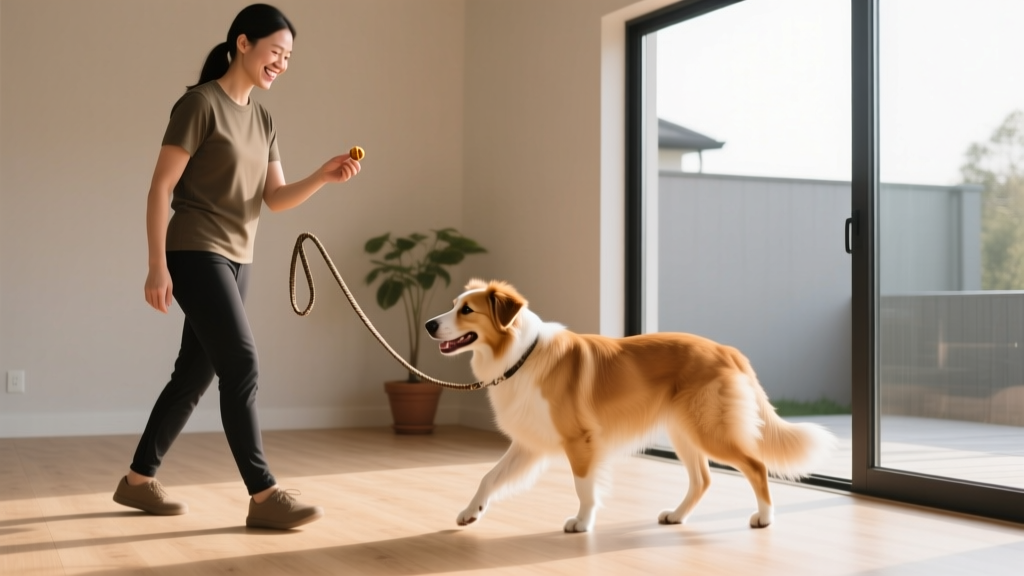
Begin in a quiet room with your dog on a 6-foot leash. Hold the leash loosely — a J-shape is your goal. The moment your dog looks at you or takes a step without pulling, mark with "yes!" and treat. Keep sessions to 3-5 minutes.
Step 2: Add Movement
Take one step. If the leash stays loose, mark and treat. If your dog pulls, stop completely. Do not move forward while the leash is tight. Your dog learns that pulling = no progress, loose leash = walking continues.
Step 3: Practice the U-Turn
When your dog pulls ahead, calmly turn 180 degrees and walk the other way. When they catch up and the leash is loose, reward. This teaches your dog to pay attention to your direction rather than forging ahead.
Step 4: Move Outdoors
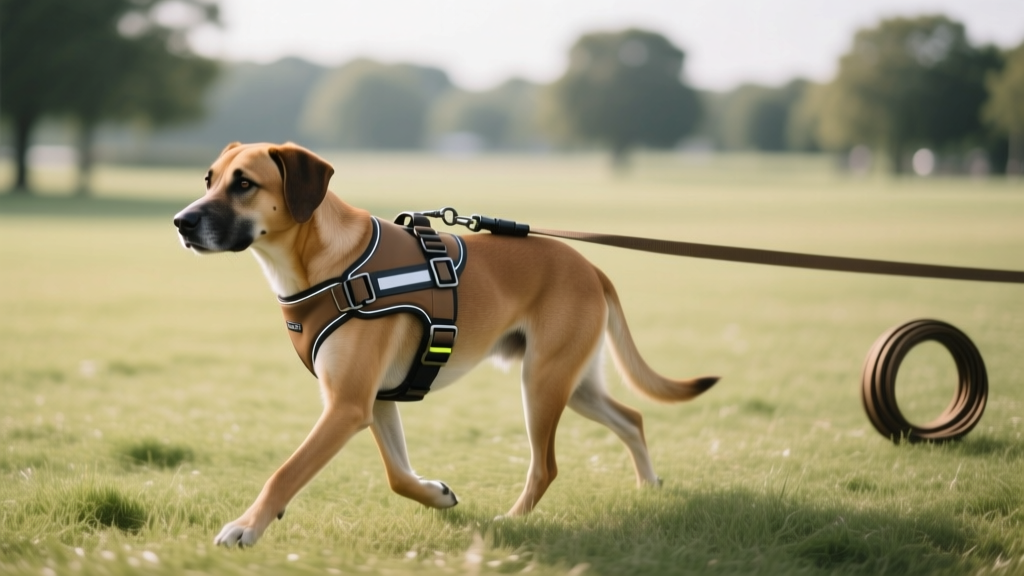
Once your dog walks well indoors, move to your yard or a quiet street. Expect regression — outdoor environments are far more distracting. Keep treats high-value (cheese, hot dog pieces) and sessions short.
Step 5: Add Distance and Distractions Gradually
Increase walk length and environmental complexity over weeks, not days. Each new environment (busy street, dog park area, hiking trail) is a fresh challenge. Return to shorter sessions when adding difficulty.
Common Mistakes to Avoid
Don't use retractable leashes — they teach dogs that pulling extends their range. Don't yank or jerk the leash — this creates opposition reflex, making pulling worse. Don't expect perfection in a single session — loose-leash walking takes 4-8 weeks of consistent practice.
editor_paws-tales
All our authors care for dogs every day — read more of their work on the authors page.