Loose Leash Walking: A Complete Step-by-Step Training Guide
Master loose leash walking with your dog using proven, positive reinforcement techniques. Step-by-step guide with tips, common mistakes, and expert FAQs.
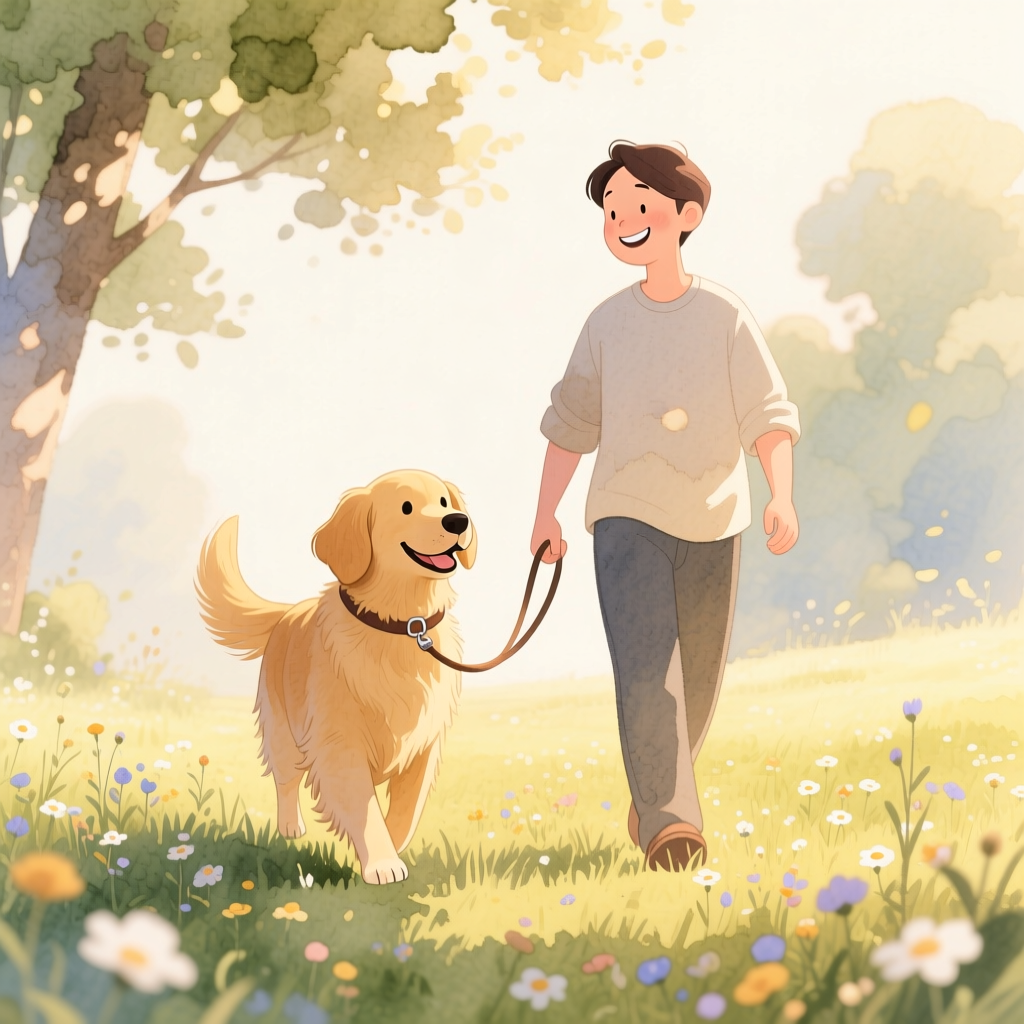
There are few things more frustrating — and more physically exhausting — than being dragged down the sidewalk by a dog who treats every walk like a tug-of-war competition. If your shoulder aches after every outing, if your dog chokes and coughs as they strain against their collar, or if you have simply resigned yourself to being pulled from lamppost to fire hydrant, you are not alone. Leash pulling is one of the most common behavioral challenges dog owners face, and it is also one of the most solvable.
Loose leash walking is not just about comfort. It is a fundamental skill that keeps your dog safe, strengthens the bond between you, and transforms daily walks from a dreaded chore into a genuinely enjoyable experience for both of you. A dog who walks politely on a leash is a dog who can go more places, meet more people, and experience more of the world without stress or conflict.
In this comprehensive guide, we will walk you through everything you need to know about teaching loose leash walking, from understanding why dogs pull in the first place to advanced techniques for proofing the behavior in high-distraction environments. Whether you are working with an energetic puppy or retraining an adult dog with years of pulling habits, the methods outlined here will set you on the path to peaceful, pleasant walks together.
Understanding Why Dogs Pull on the Leash
Before diving into training techniques, it is essential to understand the root causes of leash pulling. Dogs do not pull because they are trying to dominate you or assert control. The reasons are far simpler and, fortunately, far more addressable.
Natural Pace Differences
Dogs naturally walk faster than humans. The average dog trots at roughly three to four miles per hour, while most humans walk at two to three miles per hour. From your dog's perspective, you are painfully slow, and their instinct is to move ahead at their natural pace. This speed mismatch is the single biggest contributor to leash pulling.
The Opposition Reflex
Dogs have a natural opposition reflex, sometimes called the thigmotactic response. When they feel pressure against their body — such as a collar or harness pressing into their chest — their instinct is to push against that pressure rather than yield to it. This means that when you pull back on the leash, your dog's instinct is to pull harder in the opposite direction. Understanding this reflex is critical because it explains why simply pulling your dog back almost never works as a long-term solution.
Environmental Excitement and Reinforcement History
The world outside is intoxicating for dogs. New smells, other animals, people, sounds, and sights create a flood of stimulation that makes pulling feel rewarding. Every time your dog pulls toward a fascinating scent and succeeds in reaching it, the pulling behavior is reinforced. Over weeks and months, this creates a powerful habit: pulling equals getting to the good stuff. Many basic obedience skills suffer when distractions are high, and leash walking is particularly vulnerable because the environment itself is the reward.
Lack of Training
Perhaps the most straightforward reason dogs pull is that no one has ever taught them not to. Loose leash walking is not a natural behavior for dogs. It must be explicitly taught, practiced, and reinforced over time. If you have a new puppy, exploring our puppy training basics guide will help you lay the groundwork early.
Essential Equipment for Loose Leash Walking
The right equipment can make a tremendous difference in your training success. However, it is important to understand that no piece of equipment will teach your dog to walk politely on its own. Equipment is a tool that supports your training; the real change comes from consistent practice and reinforcement.
Choosing the Right Harness
A front-clip harness is widely regarded as one of the most effective tools for loose leash walking training. When the leash is clipped to the front of the chest, any pulling causes the dog to turn slightly toward you, which naturally reduces forward momentum and redirects their attention. Back-clip harnesses, while comfortable, can actually encourage pulling because they distribute pressure across the chest in a way that activates the opposition reflex — essentially turning your dog into a sled dog.
When fitting a harness, ensure you can slide two fingers comfortably between the straps and your dog's body. A poorly fitted harness can cause chafing, restrict movement, or allow your dog to wriggle free.
Selecting the Proper Leash
For loose leash walking training, a standard flat leash between four and six feet in length is ideal. Avoid retractable leashes during training, as they teach your dog that pulling extends the leash — the exact opposite of what you want. A retractable leash also provides inconsistent feedback because the tension on the leash changes constantly.
A leather or nylon flat leash with a sturdy clip gives you the most control and the clearest communication. Some trainers prefer a leash with a traffic handle — a second loop near the clip — for added control in high-distraction situations.
High-Value Treats and Reward Markers
You will need a generous supply of high-value treats cut into small, pea-sized pieces. Think soft, smelly, and irresistible: small bits of chicken, cheese, hot dogs, or commercial training treats. You will be rewarding frequently in the early stages, and small pieces keep your dog motivated without filling them up too quickly.
Pair your treats with a reward marker — either a clicker or a consistent verbal marker like "yes!" — to pinpoint the exact moment your dog is walking with a loose leash. This clarity accelerates learning significantly.
Treat Pouch
A treat pouch worn on your hip keeps rewards accessible and allows you to deliver them quickly without fumbling. Speed of delivery matters enormously in dog training; if it takes you five seconds to dig a treat out of your pocket, the learning moment has passed.
Step-by-Step Loose Leash Walking Training
Now that you understand the why and have the right tools, it is time to get to work. The following steps progress from foundational skills to real-world application. Move at your dog's pace and do not rush the process. Some dogs master these steps in a few weeks; others, particularly those with a long history of pulling, may need several months of consistent practice.
Step 1: Teach Leash Pressure Awareness Indoors
Begin in a low-distraction environment — your living room or hallway is perfect. Attach the leash to your dog's front-clip harness and simply stand still. Let the leash hang loose. When your dog looks at you or moves toward you, creating slack in the leash, mark that moment with your clicker or "yes!" and deliver a treat at your side, at the seam of your pants.
The goal here is to teach your dog that staying near your side and keeping the leash loose results in good things. Practice this for short sessions of three to five minutes, several times a day. Reward heavily for any moment the leash is slack and your dog is near you.
Step 2: Introduce Movement with the "Follow Me" Game
Once your dog understands that a loose leash earns rewards, begin adding movement. Take one step forward. If your dog follows and the leash stays loose, mark and reward. Take two steps, then three. Build up gradually.
If your dog moves ahead and the leash tightens, stop immediately. Become a tree. Do not pull, do not yank, do not speak. Simply stand still and wait. Eventually, your dog will look back at you, take a step back, or shift their weight in a way that creates slack in the leash. The instant that slack appears, mark and reward, then resume walking.
This teaches a clear and consistent lesson: a tight leash means we stop; a loose leash means we move forward. Dogs learn quickly that pulling no longer gets them where they want to go.
Step 3: Change Direction to Maintain Engagement
As your dog begins to understand the basic concept, add unpredictability to keep them engaged. Without warning, turn and walk in the opposite direction. When your dog catches up to you and the leash is loose, mark and reward enthusiastically.
You can also weave around obstacles, make circles, or walk in figure-eights. The point is to teach your dog to pay attention to your movement rather than forging ahead on autopilot. This is especially effective for high-energy herding breeds and other intelligent dogs who thrive on mental engagement during walks.
Step 4: Add a Verbal Cue
Once your dog is consistently walking with a loose leash in low-distraction environments, introduce a verbal cue. Choose a short, clear phrase like "let's go," "with me," or "heel." Say the cue just before you begin walking, then mark and reward for loose leash walking as usual.
Over time, the verbal cue becomes a signal that predicts the opportunity to earn rewards by walking politely. Avoid using the cue when you know your dog will fail — for example, do not say "let's go" when your dog is already pulling toward a squirrel. Set them up for success.
Step 5: Gradually Increase Distractions
Once your dog is walking well indoors and in your yard, begin practicing in slightly more stimulating environments: a quiet street, then a busier sidewalk, then a park. Each new environment is a step up in difficulty, and you may need to increase your rate of reinforcement to keep your dog engaged.
If your dog struggles in a new environment, reduce the difficulty. Move farther from the distraction, increase the value of your treats, or return to a simpler step. The key is to keep your dog in a learning state — not so bored that they disengage, but not so overwhelmed that they cannot think. Our guide on managing reactive dogs offers additional strategies for dogs who become highly aroused by specific triggers on walks.
Step 6: Proof the Behavior in Real-World Scenarios
Proofing means testing and strengthening the behavior under increasingly challenging conditions. Practice loose leash walking past other dogs, near playgrounds, around joggers and cyclists, and in busy commercial areas. Every successful walk in a challenging environment strengthens the habit.
During proofing, continue to reward generously. Many owners make the mistake of stopping rewards too early, which causes the behavior to deteriorate. Transition to intermittent reinforcement — rewarding every third or fifth good step rather than every step — only after the behavior is solid and consistent across multiple environments.
Pro Tips for Loose Leash Walking Success
Beyond the core training steps, these tips can dramatically improve your results and make the process smoother for both you and your dog.
Exercise Before You Train
A dog bursting with pent-up energy will struggle to focus on the subtleties of leash pressure. Before a training walk, give your dog an opportunity to burn off excess energy through a game of fetch in the yard, a brief play session, or some mental enrichment activities. A slightly tired dog is a more attentive student.
Use the Environment as a Reward
Not all rewards need to come from your treat pouch. For many dogs, the opportunity to sniff a fascinating bush or greet a friendly person is more valuable than food. Use the Premack Principle: require a few steps of loose leash walking, then release your dog to sniff or explore as a reward. Say a release cue like "go sniff" to make the contingency clear. Over time, your dog learns that polite walking unlocks access to everything they find rewarding in the environment.
Keep Training Sessions Short and Positive
Five to ten minutes of focused loose leash walking practice is far more effective than a frustrated thirty-minute session. End every session on a positive note, even if that means returning to an easier step to finish with a success. Dogs learn best when training is fun, and your emotional state directly affects your dog's ability to focus.
Practice in Your Driveway or Yard First
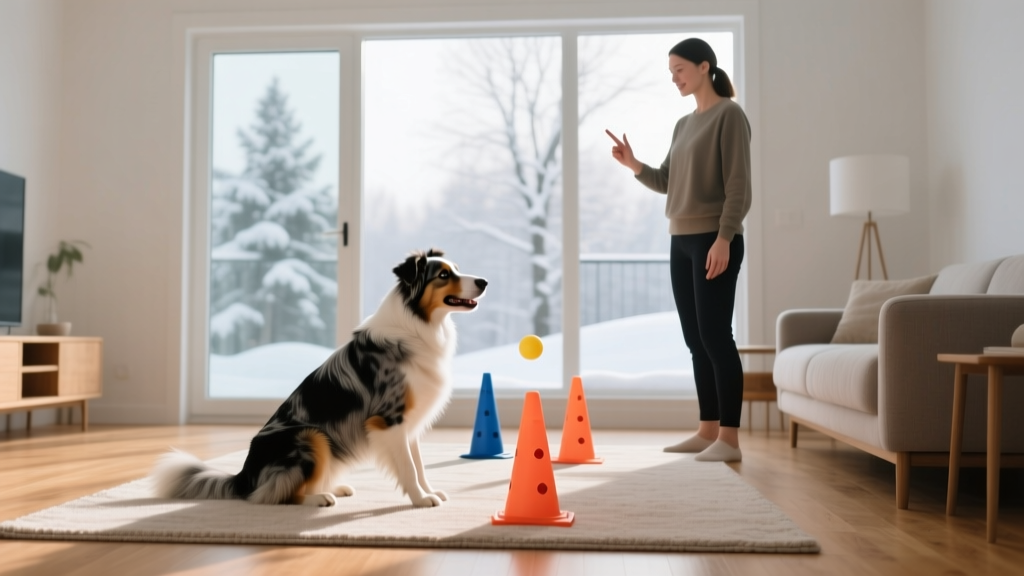
Before venturing into the neighborhood, practice extensively in your own yard or driveway. These familiar spaces offer just enough stimulation to be interesting without being overwhelming. You can set up cones or landmarks to practice turns, stops, and changes of pace.
Be Consistent Across All Handlers
If you are strict about loose leash walking but another family member lets your dog pull on every walk, your training will stall. Everyone who walks the dog must follow the same rules: a tight leash means we stop, and a loose leash means we move forward. Consistency across handlers is one of the most powerful accelerators of progress.
Celebrate Small Wins
If your dog pulled for the entire walk last month but this week managed three steps of loose leash walking before pulling again, that is progress. Training is not linear, and setbacks are normal. Acknowledge improvement, however incremental, and trust the process.
Common Mistakes to Avoid
Even well-intentioned owners can inadvertently undermine their loose leash walking training. Watch out for these frequent pitfalls.
Inconsistent Enforcement
The most common mistake is allowing pulling sometimes but not other times. If your dog is allowed to pull you to the park but corrected for pulling on the way home, they receive a mixed message. Dogs do not generalize well under inconsistent rules. Decide on your standard — the leash stays loose, period — and enforce it every single time. If you are in a hurry and cannot enforce the rule, use a different piece of equipment (like a head halter) that prevents pulling without training, so you do not undermine your progress.
Using Punishment-Based Methods
Leash pops, jerks, alpha rolls, and choke chains may suppress pulling temporarily, but they do not teach your dog what to do instead. Worse, they can create negative associations with walking, with the leash, or with you. Fear-based methods can also escalate into aggression-related behavioral issues over time. Positive reinforcement builds a willing, enthusiastic walking partner; punishment builds a dog who walks politely only out of fear.
Moving Forward While the Leash Is Tight
Every single step you take while the leash is tight reinforces pulling. It does not matter if you are frustrated, in a hurry, or embarrassed — if you move forward on a tight leash, you have just told your dog that pulling works. This is the hardest rule to follow, especially when other people are watching, but it is also the most important.
Holding the Leash Too Short
Many owners grip the leash at two feet, keeping constant tension on the collar. This teaches the dog to lean into the pressure and actually encourages pulling. Instead, hold the leash at a comfortable length that allows a natural J-shape or U-shape between your hand and the dog's harness. Your dog should have enough freedom to move comfortably without the leash going taut.
Expecting Perfection Too Soon
Loose leash walking is one of the most difficult skills to train because it requires a dog to suppress their natural pace and instincts in the face of constant environmental temptation. Expect weeks or months of consistent practice before the behavior becomes reliable. Comparing your dog's progress to another dog's journey is unhelpful; every dog learns at their own pace, and some breeds — particularly scent hounds and northern breeds — find this skill especially challenging due to their strong environmental drives.
Skipping Foundation Work
Rushing to practice in high-distraction environments before your dog has mastered the basics indoors is a recipe for frustration. Build a solid foundation in boring environments first. If your dog cannot walk politely in your living room, they certainly cannot do it at a busy farmer's market.
Frequently Asked Questions
How long does it take to teach a dog loose leash walking?
The timeline varies considerably depending on the dog's age, breed, energy level, and history of pulling. A young puppy with no pulling habits may learn the basics in two to four weeks of daily practice. An adult dog with years of pulling reinforcement may take two to six months of consistent training to develop reliable loose leash walking. The most important factor is consistency: daily short sessions produce faster results than occasional long sessions. Remember that loose leash walking is a lifelong skill that requires periodic maintenance, even after your dog has mastered it.
My dog walks perfectly in the yard but pulls as soon as we leave the house. What should I do?
This is extremely common and indicates that your dog has not yet generalized the behavior to more stimulating environments. The solution is to lower the difficulty at the transition point. Start by practicing just outside your front door — literally step outside, take three steps of loose leash walking, reward generously, and go back inside. Gradually extend the distance: to the mailbox, to the corner, to the end of the block. If pulling resumes, you have moved too far too fast. Retreat to a distance where your dog can succeed and build from there. Using higher-value treats in more stimulating environments can also help maintain focus.
Should I use a head halter, prong collar, or other training collar?
Head halters can be effective management tools for strong pullers, as they gently redirect the dog's head (and therefore their body) when they pull. However, they require careful conditioning so that the dog is comfortable wearing them, and they do not teach the dog to walk politely on a flat harness. Prong collars, choke chains, and electronic collars rely on discomfort or pain to suppress pulling, which carries risks of physical injury and behavioral fallout. Most modern, science-based trainers recommend front-clip harnesses and positive reinforcement as the safest and most effective approach. If you are struggling with a very strong dog, consult a certified professional dog trainer who uses force-free methods for personalized guidance.
My dog only pulls toward other dogs. How do I handle that?
Pulling toward other dogs is a specific trigger that requires targeted desensitization and counter-conditioning alongside your loose leash walking training. Begin by identifying the distance at which your dog notices another dog but can still focus on you — this is called the threshold distance. Practice loose leash walking at that distance, rewarding heavily for attention and calm behavior. Gradually decrease the distance over multiple sessions as your dog remains comfortable. If your dog reacts with barking, lunging, or extreme excitement, you are too close. Increase distance and try again. Our socialization guide and reactive dog management article provide detailed strategies for dogs who struggle specifically around other dogs on walks.
Can I teach loose leash walking to an older dog who has pulled their entire life?
Absolutely. Dogs of any age can learn new behaviors, including loose leash walking. Older dogs may take longer to change an entrenched habit, and they may have physical considerations such as arthritis that affect their comfort on walks. A veterinary checkup before beginning training is always a good idea for senior dogs. Use a comfortable harness, keep sessions short, and be patient. Many owners are pleasantly surprised by how quickly even lifelong pullers begin to improve once the rules become clear and consistent. The key principles — loose leash equals forward movement, tight leash equals stopping — work regardless of age.
Final Thoughts on Loose Leash Walking
Loose leash walking is not a quick fix. It is a skill that you and your dog develop together over time through patience, consistency, and positive reinforcement. There will be days when it feels like you are taking two steps forward and one step back, and that is completely normal. What matters is that you show up every day, enforce the rules fairly, and reward your dog generously for making good choices.
The investment you make in loose leash walking training pays dividends for the rest of your dog's life. Walks become relaxing instead of stressful. Your dog gets more exercise and enrichment because you actually enjoy taking them out. You can visit new places, dine at outdoor restaurants, and navigate crowded streets with confidence. And perhaps most importantly, the trust and communication you build through this training process deepens the bond between you and your dog in ways that extend far beyond the leash.
For more training guidance, explore our complete library of dog training resources covering everything from recall training to crate training and beyond. Every skill you teach your dog makes the next one a little easier to learn.
Aaron Whyte
All our authors care for dogs every day — read more of their work on the authors page.