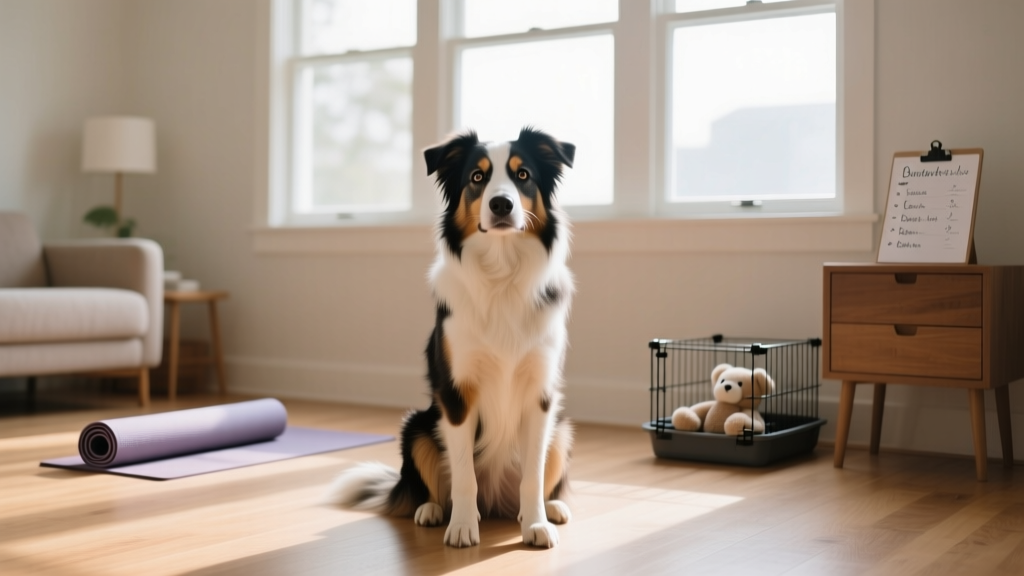
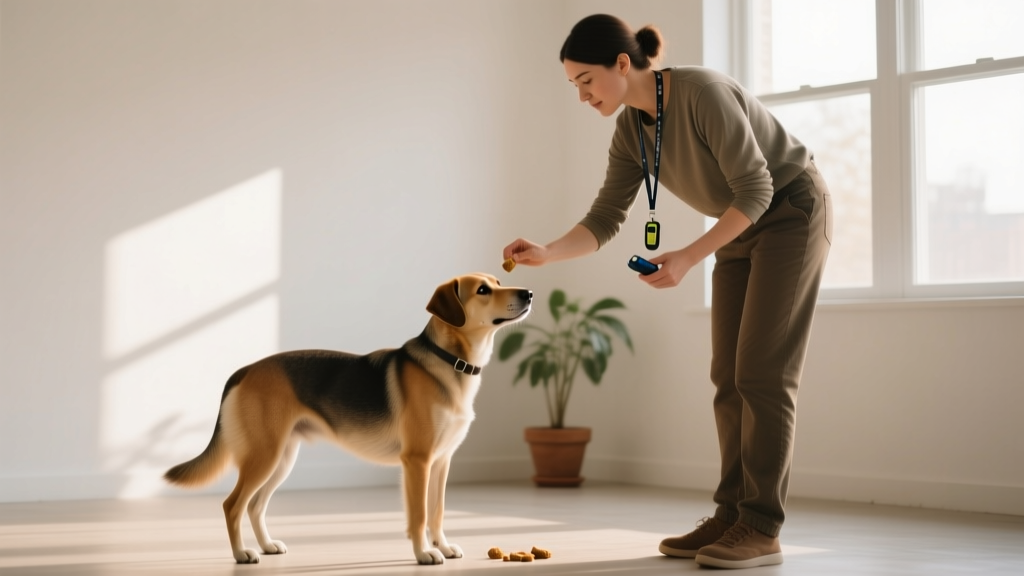
How to Kennel Train a Dog: Best Crates & Step-by-Step Guide
Learn how to kennel train a dog with expert-recommended crates, step-by-step methods, and safety tips. Compare top crates with pricing and features.

Why Proper Crate Selection Matters for Kennel Training
Kennel training (often called crate training) is one of the most valuable skills you can teach your dog. When done correctly with positive reinforcement, a crate becomes your dog's personal sanctuary — a place where they feel secure, settle quickly, and sleep soundly. According to the American Kennel Club, crate training accelerates housebreaking, prevents destructive behavior when unsupervised, and provides a safe travel environment.
But here's what many first-time owners miss: the crate itself can make or break the training process. A crate that's too large invites soiling in one corner. One that's too small creates anxiety and physical discomfort. Poor ventilation or flimsy latches can turn a safe space into a hazard. Choosing the right crate — and using it correctly — is the foundation of successful kennel training.
Top 7 Crates for Kennel Training: Tested and Compared
We evaluated crates across durability, ease of assembly, safety features, ventilation, and real-world performance with dogs at various training stages. Prices reflect typical retail ranges as of early 2026.
1. MidWest Homes for Pets iCrate Double Door
Price range: $45–$85 depending on size (24" to 48")
Best for: First-time owners and puppies (includes divider panel)
Key features: Dual slide-bolt latches, rounded corners, composite plastic pan, fold-and-carry design, 1-year manufacturer warranty.
- Pros: Excellent value, divider panel included at no extra cost, easy one-person assembly (under 5 minutes), widely available replacement pans, fits standard crate covers and mats.
- Cons: Wire gauge is thinner than premium options (not ideal for aggressive chewers over 60 lb), plastic pan can crack under heavy weight after 2-3 years.
2. Frisco Ultimate Heavy Duty Steel Crate
Price range: $110–$180 (36" and 42" sizes)
Best for: Strong, large-breed dogs who bend standard wire crates
Key features: 22-gauge steel construction, ½" diameter reinforcement tubes, dual locking mechanisms, hammer-tone finish, removable composite tray.
- Pros: Virtually escape-proof for dogs up to 110 lb, reinforced corners resist bending, locking casters allow mobility and stationary placement, 5-year frame warranty.
- Cons: Heavy (42" model weighs 58 lb — not travel-friendly), higher price point, limited size selection, takes 15-20 minutes to assemble.
3. Petmate Sky Kennel (Airline-Style Plastic)
Price range: $50–$130 (sizes from 21" to 48")
Best for: Dogs who prefer enclosed, den-like spaces; air travel
Key features: 25% recycled plastic, heavy-duty vault door with squeeze-release, ventilation on all four sides, "Live Animal" stickers and ID stickers included, meets most IATA airline cargo requirements (verify with your airline).
- Pros: Superior sense of security for anxious dogs, excellent for travel, easy to clean (hose-down friendly), durable shell lasts 5+ years, non-corrosive.
- Cons: Less ventilation than wire crates (not ideal for brachycephalic breeds in warm climates), no divider panel available, bulkier storage when not in use, single front door limits placement options.
4. EliteField 3-Door Folding Soft Crate
Price range: $40–$75 (24" to 42")
Best for: Already crate-trained dogs who need a portable option for travel or temporary use
Key features: Steel tube frame, three mesh doors (front, top, side), fleece pad and carrying bag included, folds flat in seconds, seatbelt straps for car use.
- Pros: Ultra-lightweight (largest size under 12 lb), three-door access for flexible placement, machine-washable cover, excellent for hotel stays and visiting family.
- Cons: NOT suitable for kennel training puppies or dogs with anxiety — they will chew through mesh, not escape-proof, limited durability with daily use beyond 1-2 years.
5. ProSelect Empire Dog Crate
Price range: $200–$350 (37" and 49")
Best for: Severe escape artists and dogs with destructive crate anxiety
Key features: 20-gauge reinforced steel, 0.5" diameter steel tube framing, dual slam-lock latch with padlock compatibility, welded construction, floor grate with removable tray.
- Pros: Among the most escape-proof crates on the market, rust-resistant zinc coating, locking casters rated for 150 lb, floor grate keeps dog above accidents for easier cleanup.
- Cons: Premium pricing, very heavy (49" model is 76 lb), industrial appearance doesn't blend with home décor, assembly requires two people and 30+ minutes.
6. Revol Dog Crate by Diggs
Price range: $175–$325 (small to large sizes)
Best for: Owners who prioritize design, safety engineering, and one-hand operation
Key features: Diamond-shaped wire mesh (prevents paw entrapment), single-hand collapsible mechanism, built-in divider, ceiling hatch door plus front and side doors, crash-tested to 50 lb for vehicle use.
- Pros: Safest wire mesh design tested (no finger or paw pinching points), genuinely one-second setup and collapse, modern aesthetic, built-in wheels, removable tray, excellent customer support.
- Cons: Highest price point in the wire crate category, limited to 4 sizes, replacement parts must be ordered from manufacturer, not ideal for dogs over 90 lb.
7. Impact Dog Crates Collapsible Aluminum
Price range: $350–$550 (30" to 48")
Best for: Working dogs, frequent travelers, and owners who need extreme durability with portability
Key features: Marine-grade aluminum construction, collapses to 4" flat, military-spec latches, stackable design, rated for 250 lb static load, made in USA.
- Pros: Lightest heavy-duty crate available (48" model is 28 lb), collapses for storage and transport, virtually indestructible, 10-year warranty, used by search-and-rescue and K9 units.
- Cons: Highest price point overall, limited retail availability (primarily direct from manufacturer), no divider panel option, minimal padding included.
Side-by-Side Crate Comparison
| Crate | Price Range | Best For | Divider Included | Escape Rating | Weight (36" Model) |
|---|---|---|---|---|---|
| MidWest iCrate | $45–$85 | Puppies, first-time owners | ✓ Yes | Moderate | ~21 lb |
| Frisco Ultimate | $110–$180 | Strong large breeds | ✗ No | High | ~40 lb |
| Petmate Sky | $50–$130 | Den-preference dogs, travel | ✗ No | Moderate | ~14 lb |
| EliteField Soft | $40–$75 | Trained dogs, travel | ✗ No | Low | ~8 lb |
| ProSelect Empire | $200–$350 | Escape artists, anxiety | ✗ No | Very High | ~55 lb |
| Diggs Revol | $175–$325 | Safety-conscious, design-forward | ✓ Yes | High | ~27 lb |
| Impact Collapsible | $350–$550 | Working dogs, frequent travel | ✗ No | Very High | ~22 lb |
How to Kennel Train a Dog: Step-by-Step Method
Regardless of which crate you choose, the training process follows the same force-free, positive reinforcement framework endorsed by certified professional dog trainers and veterinary behaviorists. Never use the crate as punishment — this creates negative associations that undermine the entire process.
Phase 1: Introduction (Days 1–3)
- Place the crate in a high-traffic family area (living room, kitchen) with the door secured open. Add a soft blanket and a safe chew toy inside.
- Toss high-value treats (small pieces of chicken, freeze-dried liver) near the crate opening, then progressively deeper inside. Let your dog enter and exit freely — no closing the door yet.
- Feed meals near the crate, then gradually move the food bowl inside. If your dog hesitates, move the bowl back to where they're comfortable and progress more slowly.
- Use a consistent cue word like "kennel" or "crate" every time treats or meals go inside. This builds a positive verbal association.
Phase 2: Door Closure (Days 4–7)
- Once your dog enters willingly for treats or meals, close the door while they eat. Open it immediately when they finish.
- Gradually extend closed-door time by 30-second increments after meals. Sit nearby, speak calmly, and toss treats through the wire.
- If your dog whines or paws at the door, wait for a brief pause (even 3 seconds of silence) before opening. Opening during vocalization reinforces the whining.
- Build to 10 minutes of quiet crate time with you in the room before moving to Phase 3.
Phase 3: Departure Training (Days 8–21)
- Begin leaving the room for 1-2 minutes while your dog is crated and calm. Return before they become distressed.
- Increase absence duration using a variable schedule: 2 minutes, then 5, then 3, then 10. Unpredictable intervals prevent anticipatory anxiety.
- Practice your departure routine (keys, shoes, door) without actually leaving, then sometimes leave. This desensitizes departure cues that trigger anxiety.
- Build to 30-minute absences before attempting longer stretches. Most dogs need 2-4 weeks to reach this milestone.
Phase 4: Extended Duration (Weeks 3–6)
- Extend crate time to 1-2 hours during the day while you're home in another room.
- Begin crating overnight with the crate in or near your bedroom. Puppies under 4 months will need a middle-of-night potty break — set an alarm for 3-4 hours after bedtime.
- Follow the age-based time guideline: puppies can hold their bladder roughly 1 hour per month of age (a 3-month-old puppy = 3 hours maximum). Adult dogs should not be crated more than 6-8 hours total per day.
- Always provide adequate exercise before crating. A physically and mentally tired dog settles far more easily. Aim for breed-appropriate activity — 30-60 minutes of exercise for most adult dogs before extended crating.
Crate Sizing Guide by Dog Weight
Getting the size right is the single most impactful purchasing decision. Here's a reference based on Merck Veterinary Manual housing guidelines and manufacturer specifications:
| Dog Weight | Crate Length | Example Breeds |
|---|---|---|
| Under 15 lb / 7 kg | 18"–22" | Chihuahua, Yorkshire Terrier, Pomeranian |
| 15–30 lb / 7–14 kg | 24" | French Bulldog, Miniature Schnauzer, Cavalier King Charles Spaniel |
| 30–50 lb / 14–23 kg | 30" | Beagle, Cocker Spaniel, Border Collie |
| 50–75 lb / 23–34 kg | 36" | Labrador Retriever, Boxer, Australian Shepherd |
| 75–100 lb / 34–45 kg | 42" | Golden Retriever, German Shepherd, Rottweiler |
| Over 100 lb / 45+ kg | 48"–54" | Great Dane, Mastiff, Saint Bernard |
Pro tip: For puppies, buy the adult-size crate for your breed and use the included divider panel to section off the appropriate space. Adjust the divider every 2-3 weeks as your puppy grows. This saves you from purchasing 2-3 crates during the first year.
Safety Considerations and Common Mistakes
⚠️ Critical Crate Safety Rules
- Remove collars before crating. Buckle and tag collars can snag on wire mesh, creating a strangulation risk. If your dog must wear identification, use a breakaway collar designed for crate use.
- Never leave rawhide, hooves, or large bones unattended in the crate. These can splinter, lodge in the throat, or cause intestinal blockage when no one is present to intervene.
- Ensure adequate temperature control. Wire crates in direct sunlight or plastic crates in warm rooms can cause overheating. Brachycephalic breeds (Bulldogs, Pugs, Shih Tzus) are especially vulnerable — always place their crate in a climate-controlled area below 75°F (24°C).
- Inspect wire crates monthly for bent wires, rust spots, and loose welds. Protruding wire ends can lacerate paws and noses.
- Do not stack crates unless the manufacturer explicitly rates them as stackable. Collapses from weight overload cause serious injuries.
- Limit crate time appropriately. Adult dogs should not exceed 6-8 hours during the day. Puppies under 6 months should not exceed 3-4 hours. Extended confinement causes musculoskeletal stiffness, urinary tract issues, and behavioral deterioration.
When Kennel Training Isn't Working: Vet and Behaviorist Referrals
Some dogs struggle with crate training despite consistent, patient effort. Before assuming your dog is simply "stubborn," consider whether an underlying issue is at play.
Consult your veterinarian if your dog:
- Urination or defecation in the crate persists beyond 4 weeks of consistent training (possible UTI, GI issue, or incomplete housetraining baseline)
- Shows physical signs of distress — excessive panting, drooling, trembling — that don't diminish after 2+ weeks of gradual desensitization
- Injures themselves attempting to escape (broken teeth, torn nails, lacerated paws) — this indicates severe distress requiring professional intervention
- Vocalizes continuously (barking, howling) for more than 30 minutes without settling, even when you're home and nearby
Seek a certified veterinary behaviorist (DACVB) or certified professional dog trainer (CPDT-KA) if:
- Your dog exhibits full separation anxiety symptoms — destruction, self-injury, elimination, and vocalization that occur only when left alone. The American Veterinary Society of Animal Behavior notes that separation anxiety is a clinical condition, not a training failure, and often requires medication combined with behavior modification.
- Crate training triggers aggressive behavior (snarling, snapping, biting) when you attempt to guide your dog into the crate.
- Your dog has a history of confinement trauma (e.g., rescue dogs previously kept in cages for extended periods).
In these cases, forcing crate training can worsen anxiety and damage your relationship with your dog. A professional can assess whether alternative confinement (exercise pen, dog-proofed room, baby gates) is more appropriate while underlying issues are addressed.
Alternatives to Traditional Crate Confinement
Crate training isn't the only option, and some dogs thrive with alternatives:
- Exercise pens (X-pens): Expandable wire or plastic panels that create a larger enclosed area. Ideal for puppies who need potty pad access or dogs who find crates too confining. MidWest and IRIS make well-reviewed options in the $35–$80 range.
- Dog-proofed rooms: A laundry room, bathroom, or kitchen sectioned with baby gates. Remove all chewable hazards, provide water, and leave safe toys. This works well for dogs who panic in enclosed spaces but can be trusted not to destroy baseboards or cabinets.
- Daycare or pet sitters: For dogs who cannot tolerate any confinement, professional daycare ($25–$55/day) or in-home pet sitting eliminates the need for extended crating during work hours.
- GPS-enabled free-roam with smart home cameras: For reliable adult dogs, a combination of Furbo or Wyze cameras and a GPS collar (like Fi Series 3 or Tractive) allows you to monitor free-roam behavior remotely. This is an advanced option only for dogs with proven house manners.
Where to Buy and What You'll Spend
Most crates reviewed here are available through major online retailers (Chewy, Amazon, Petco) and big-box pet stores. Premium options like Diggs Revol and Impact are sold primarily through manufacturer websites, which often include better warranty support.
Total first-year crate investment budget:
- Budget path: $45–$85 (MidWest iCrate) + $15–$25 (crate pad) + $10–$20 (cover) = $70–$130
- Mid-range path: $110–$180 (Frisco Ultimate) + $25–$40 (orthopedic pad) + $20–$35 (cover) = $155–$255
- Premium path: $175–$325 (Diggs Revol) + $40–$60 (premium pad) = $215–$385
Replacement pans ($15–$30), latch kits ($8–$15), and crate pads ($15–$60) are the most common ongoing expenses. Budget for a replacement pad annually, as most show wear within 12-18 months of daily use.
Frequently Asked Questions
What is the best crate for kennel training a puppy?
The MidWest iCrate Double Door is our top pick for puppy kennel training because it includes a divider panel at no extra cost, allowing you to adjust the interior space as your puppy grows. The dual-door design offers flexible room placement, and the price point ($45–$85) means you're not over-investing if your puppy turns out to prefer a different crate style as an adult.
How long does it take to kennel train a dog?
Most dogs show comfortable crate acceptance within 2-3 weeks of consistent daily training. Full reliability (calm settling for 4-6 hours, overnight sleep without distress) typically takes 4-8 weeks. Adult rescue dogs with negative confinement history may need 6-12 weeks. Puppies generally adapt faster than adults, but their bladder limitations require more frequent breaks.
Is it cruel to crate a dog while at work?
When done correctly, crating is not cruel — it provides safety and prevents the dog from engaging in dangerous behaviors (chewing electrical cords, ingesting toxic substances) while unsupervised. However, adult dogs should not be crated more than 6-8 hours total per day. If you work 10+ hour days, arrange a midday dog walker or come home for a break. Dogs need movement, social interaction, and mental stimulation beyond what a crate can provide.
Should I cover my dog's crate at night?
Many dogs sleep better with a covered crate because it reduces visual stimulation and creates a more den-like environment. Use a breathable crate cover or a light sheet — never heavy blankets that restrict airflow. Leave at least one side uncovered for ventilation. If your dog paws at the cover or seems more anxious with it on, skip it. Some dogs prefer an open view.
What should I put inside the crate?
A washable crate pad or blanket for comfort, one or two safe chew toys (Kong stuffed with frozen peanut butter is excellent for settling), and fresh water for extended crating periods (use a clip-on bowl to prevent spills). Avoid loose bedding for puppies who chew fabric — they can ingest stuffing and develop intestinal blockages. For chewers, use a raised cot-style bed like the Coolaroo or Kuranda, which resist destruction.
My dog cries in the crate at night. What should I do?
First, rule out a potty need — puppies under 4 months genuinely cannot hold it all night. Take them out on leash (keep it boring, no play), then return to the crate. If potty is ruled out and the crying is attention-seeking, wait for a pause in vocalization (even 5 seconds of quiet) before offering calm verbal reassurance. Never open the crate or provide attention while the dog is actively crying, as this reinforces the behavior. Consistency is critical — giving in after 20 minutes of crying teaches your dog that 20 minutes of persistence is the price of admission.
Are there natural calming alternatives to help with crate anxiety?
Yes. Adaptil (dog-appeasing pheromone) sprays and diffusers have clinical evidence supporting their calming effect — a 2020 study published in Applied Animal Behaviour Science showed reduced stress behaviors in dogs exposed to synthetic pheromones. Other options include: a worn t-shirt with your scent placed in the crate, classical music or white noise (Through a Dog's Ear playlists are specifically composed for canine relaxation), and L-theanine or chamomile-based calming treats (consult your veterinarian before starting any supplement). For severe anxiety, prescription medications like trazodone or fluoxetine may be necessary — this is a veterinary decision, not an owner decision.
This article is for educational purposes and does not replace professional veterinary or behavioral advice. If your dog shows signs of severe distress, self-injury, or aggression during crate training, consult your veterinarian or a certified veterinary behaviorist before continuing.
Tom Renshaw
All our authors care for dogs every day — read more of their work on the authors page.