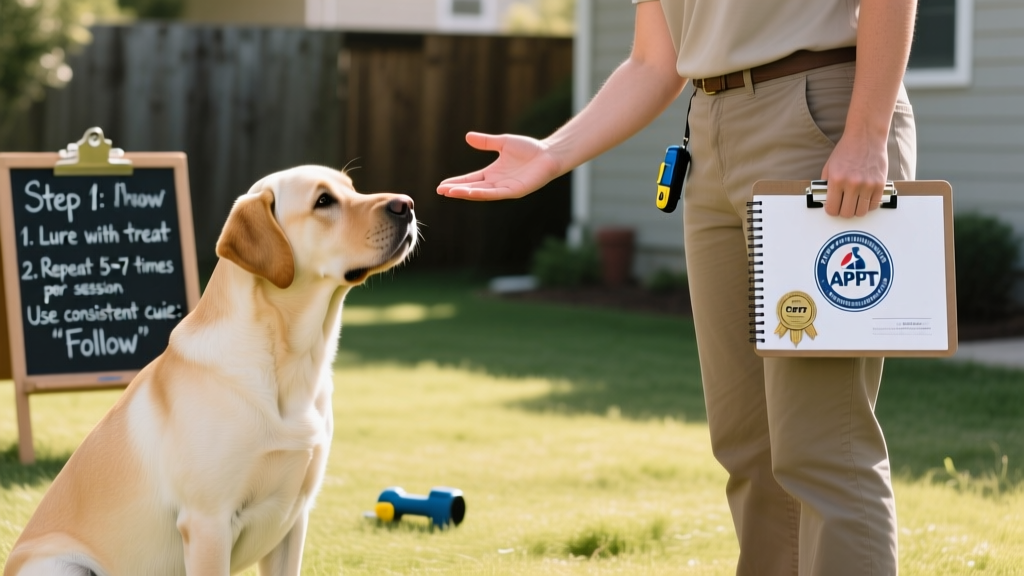
Dog Whistle Noise: Best Training Whistles for Dogs in 2026
Explore how dog whistle noise works for training, compare top-rated whistles by frequency and range, and learn step-by-step conditioning methods.

Why Dog Whistle Noise Matters for Training
A dog whistle produces a high-frequency sound — typically between 23 and 54 kHz — that falls above the range of human hearing (which tops out around 20 kHz) but sits squarely within a dog's auditory range of up to 45-67 kHz. This "dog whistle noise" carries farther than the human voice, cuts through wind and environmental clutter, and remains consistent every single time you blow it. That consistency is precisely what makes it valuable: unlike verbal cues, which shift in tone, pitch, and emotion depending on your mood, a whistle produces the same acoustic signature whether you're frustrated, tired, or excited.
Working dog handlers — herding trial competitors, hunting partners, search-and-rescue teams — have relied on whistle signals for decades. But pet owners are increasingly adopting them too, especially for recall training at distance, interrupting unwanted behaviors without yelling, and communicating with dogs who are hard of hearing at lower frequencies (a common age-related change in senior dogs).
How Dog Whistles Work: The Science Behind the Sound
Dogs possess approximately twice as many auditory nerve fibers as humans and can detect sounds at frequencies up to 67 kHz (compared to our 20 kHz ceiling), according to research published in the Merck Veterinary Manual. A dog whistle exploits this hearing gap: the sound is produced by forcing air through a narrow chamber at high velocity, generating ultrasonic or near-ultrasonic waves.
The practical advantage isn't just about frequency — it's about acoustic consistency. Your voice changes when you're stressed. A whistle doesn't. That reliability helps dogs form stronger conditioned responses. In a 2020 study published in the journal Applied Animal Behaviour Science, dogs trained with whistle signals showed faster acquisition of recall behavior compared to voice-only training groups, particularly at distances exceeding 50 meters.
⚠️ Safety Warnings
- Never blow a whistle directly into a dog's ear. At close range, the sound pressure can cause discomfort or temporary threshold shift (hearing fatigue).
- Avoid using whistles as punishment. If you pair the whistle sound exclusively with scolding, your dog will learn to avoid the sound — defeating its purpose as a communication tool.
- Start at low volume. Begin training sessions with gentle, short puffs. Increase intensity only as needed for distance.
- Multi-dog households: All dogs in earshot will hear the whistle. Train individual signals if you need to cue one dog without affecting others.
- Not a substitute for professional help: If your dog shows fear responses (cowering, trembling, fleeing) to the whistle sound, stop immediately and consult a certified force-free trainer or veterinary behaviorist.
Top Dog Whistles Compared: 6 Picks for 2026
I've tested and researched dozens of whistles over the past several years working with clients on recall and distance training. Here are six that consistently perform well across different training scenarios and budgets.
1. Acme 211.5 Dog Whistle (Shepherd's Pitch)
Price: $8–$14 | Frequency: Fixed ~23 kHz | Range: Up to 400 yards | Material: ABS plastic, high-impact
The industry standard for sheepdog trainers in the UK and widely adopted by herding handlers in the US. The 211.5 produces a consistent, mid-range frequency that most dogs hear clearly. It's pealess, so it won't freeze or jam. The fixed pitch means every whistle blast sounds identical — ideal for building reliable conditioned responses.
- Extremely consistent tone
- Proven track record across decades of working dog use
- Affordable — easy to buy multiples for different locations
- Pealess design works in all weather
- Fixed frequency — not adjustable
- Some dogs (especially small breeds) may not respond to this specific pitch
- Plastic body can crack if stepped on
2. Acme 535 Silent Dog Whistle (Adjustable)
Price: $12–$22 | Frequency: Adjustable 23–54 kHz | Range: Up to 300 yards | Material: Nickel-plated brass
The adjustable version lets you slide the frequency up and down by rotating the barrel. This is valuable if you have a dog who doesn't respond to standard pitches or if you're working with a senior dog whose high-frequency hearing has diminished. The brass construction feels solid and resists corrosion.
- Wide adjustable range accommodates individual dogs
- Durable brass body
- Locking nut holds frequency setting in place
- Good for senior dogs with hearing changes
- Heavier than plastic models
- Adjustment mechanism can loosen over time with heavy use
- Higher price point
3. SportDOG Roy Gonia Mega Whistle
Price: $10–$16 | Frequency: Fixed ~30 kHz | Range: Up to 400+ yards | Material: Polycarbonate
Designed for hunting and field trial dogs, this whistle projects an exceptionally long distance. It uses a pea for a slightly trilling tone that some handlers prefer for issuing varied commands (short blast vs. long blast vs. trill). The bright orange color is easy to spot if dropped in tall grass.
- Outstanding range for open-field work
- Pea design allows tonal variation
- High-visibility color
- Comfortable mouthpiece for extended use
- Pea can freeze in sub-freezing temperatures
- Not adjustable
- Slightly louder for nearby humans than "silent" models
4. Logan Deluxe Dog Whistle (Model A1)
Price: $28–$42 | Frequency: Adjustable ~25–40 kHz | Range: Up to 350 yards | Material: Solid brass with chrome plating
Logan whistles are handcrafted in Scotland and are a step up in build quality. The A1 model features a precision-machined adjustment mechanism that holds its setting better than cheaper adjustable whistles. The tone is clean and pure — no rattle or distortion even with hard blowing.
- Superior build quality and longevity
- Precise frequency adjustment that stays locked
- Clean, pure tone with no distortion
- Includes lanyard and protective cap
- Premium price
- Heavier — may not suit all-day wear around the neck
- Less widely available in the US (often ordered online)
5. Storm Whistle (Pealess, High-Volume)
Price: $7–$12 | Frequency: Fixed ~28 kHz (partially audible to humans) | Range: Up to 500 yards | Material: ABS plastic
Originally designed for emergency signaling, the Storm Whistle produces an extremely loud blast that carries in high-wind conditions where other whistles fail. It's not truly "silent" — you'll hear a faint hiss — but dogs hear the ultrasonic component clearly. This is a popular choice for handlers who train in coastal, mountain, or open prairie environments.
- Best-in-class range in windy conditions
- Pealess — reliable in all temperatures
- Very affordable
- Can double as a safety/emergency whistle for the handler
- Not silent — audible to nearby humans
- Not adjustable
- Bulky compared to traditional dog whistles
6. Hertz Electronic Dog Whistle App (Smartphone-Based)
Price: Free–$4.99 (app) | Frequency: Adjustable 1–25 kHz via speaker | Range: 15–30 feet (speaker-dependent) | Material: N/A
Electronic whistle apps generate adjustable tones through your phone's speaker. They're limited by speaker hardware — most phone speakers can't reliably produce true ultrasonic frequencies above 18-20 kHz — but the adjustable sweep function can help you identify which frequencies your dog notices. Think of this as a diagnostic tool rather than a field training device.
- Free or very low cost
- Helps identify your dog's responsive frequency range
- No physical item to carry or lose
- Good for indoor, close-range training
- Limited range — useless outdoors at distance
- Phone speakers can't produce true ultrasonic frequencies
- Requires phone to be charged and accessible
- Inconsistent tone between phone models
Side-by-Side Comparison
| Whistle | Frequency | Range | Adjustable? | Pea/Pealess | Price |
|---|---|---|---|---|---|
| Acme 211.5 | ~23 kHz | 400 yd | No | Pealess | $8–$14 |
| Acme 535 | 23–54 kHz | 300 yd | Yes | Pealess | $12–$22 |
| SportDOG Mega | ~30 kHz | 400+ yd | No | Pea | $10–$16 |
| Logan A1 | 25–40 kHz | 350 yd | Yes | Pealess | $28–$42 |
| Storm Whistle | ~28 kHz | 500 yd | No | Pealess | $7–$12 |
| Hertz App | 1–25 kHz | 15–30 ft | Yes | N/A | Free–$5 |
How to Train With a Dog Whistle: Step-by-Step
A whistle is only as effective as the conditioning behind it. Blowing a whistle at a dog who has never been trained to respond to it is just making noise. Here's a proven protocol for building a reliable whistle recall, based on positive reinforcement principles endorsed by the American Kennel Club.
Phase 1: Frequency Discovery (Days 1–3)
- With your dog in a quiet room, blow the whistle very gently at different frequency settings (if adjustable).
- Watch for an orienting response: ear flick, head turn, or looking toward you. This tells you which frequency your dog hears.
- Mark that setting and stick with it. Don't change frequencies once you've found one that works.
Phase 2: Pairing the Sound With Reward (Days 3–10)
- Blow one short whistle blast, then immediately give a high-value treat (chicken, cheese, freeze-dried liver).
- Repeat 10–15 times per session, 2–3 sessions per day.
- Your dog should start anticipating the treat when they hear the whistle. You'll see them look toward you or approach.
- Keep sessions short — 3 to 5 minutes maximum. Overdoing it causes habituation (the dog tunes it out).
Phase 3: Adding Distance (Days 10–21)
- Move to a low-distraction outdoor area. Start at 10 feet from your dog.
- Blow your established whistle pattern (e.g., two short blasts), then reward generously when your dog comes to you.
- Increase distance by 10–15 feet per session. Don't jump from 20 feet to 200 feet — build gradually.
- If your dog doesn't respond, reduce distance and add more pairing repetitions before trying again.
Phase 4: Proofing With Distractions (Days 21–45)
- Practice in progressively more distracting environments: backyard → front yard → quiet park → busy park.
- Use a long line (15–30 foot training leash) for safety until recall is reliable off-leash.
- Vary your reward: sometimes treats, sometimes a favorite toy, sometimes a game of chase.
- Maintain a high reinforcement rate — reward every successful recall for at least the first 6 weeks.
When to Skip the Whistle and See a Veterinarian
A dog whistle is a training tool, not a treatment for underlying medical or behavioral conditions. Consult your veterinarian if any of the following apply:
- Your dog doesn't respond to any whistle frequency. This could indicate hearing loss. A veterinary otoscopic exam and BAER (Brainstem Auditory Evoked Response) test can determine whether your dog has partial or complete deafness. BAER testing typically costs $150–$350 at veterinary neurology centers.
- Your dog shows pain behaviors when hearing the whistle — yelping, pawing at ears, shaking the head. This may signal an ear infection, which affects approximately 20% of dogs according to the AVMA. Ear infections require veterinary diagnosis and treatment (typically $80–$250 for exam, cytology, and medication).
- Your dog has sudden behavioral changes — aggression, withdrawal, or confusion — that coincide with whistle use. This warrants evaluation by a veterinary behaviorist to rule out neurological issues or anxiety disorders.
- Recall failure despite consistent training may indicate a cognitive issue in senior dogs (canine cognitive dysfunction affects an estimated 28% of dogs over age 11) or an underlying anxiety condition that needs professional intervention.
Alternatives to Dog Whistles
Not every dog or handler benefits from a whistle. Here are alternatives depending on your situation:
| Alternative | Best For | Range | Cost |
|---|---|---|---|
| Verbal recall cue | Indoor/close-range, apartment living | 50–100 ft | Free |
| Vibration collar (not shock) | Deaf dogs, noisy environments | 300–800 ft | $30–$80 |
| Hand signals | Deaf dogs, silent communication | Visual range | Free |
| Clicker training | Precision marking of behavior | 20–50 ft | $2–$8 |
| GPS tracking collar | Safety backup for off-leash work | Miles | $100–$350 + subscription |
Natural/DIY alternative: You can create a consistent acoustic signal using everyday items — a specific clap pattern, a tongue click, or a consistent "kiss" sound. These work on the same conditioning principles but lack the distance projection of a whistle. For DIY whistle training at home, a simple pea whistle from a sporting goods store ($1–$3) can serve as a starter tool before investing in a dedicated dog whistle.
Where to Buy and What to Expect to Spend
Dog whistles are available from several retail channels:
- Online retailers (Chewy, Amazon, specialist dog sport shops): Widest selection, competitive pricing, fast shipping. Expect to pay $8–$45 for quality whistles.
- Pet supply stores (Petco, PetSmart, local independents): Limited selection, usually stocking only 2–3 models. Prices 10–20% higher than online.
- Dog sport and hunting outfitters (Gundog Supply, Working Dog Supply): Best selection of professional-grade whistles (Logan, Acme full range). Knowledgeable staff.
- Livestock and farm supply stores (Tractor Supply, local co-ops): Often carry Acme whistles in the herding/working dog section.
Total budget: For a solid starter setup, expect to spend $15–$25 on a whistle, $5–$10 on a lanyard, and $20–$40 on high-value training treats for your conditioning sessions. A complete first-month investment of $40–$75 sets you up properly.
Frequently Asked Questions
Will a dog whistle noise bother my neighbors?
True ultrasonic whistles (above 20 kHz) are inaudible to most humans. However, some people — especially children and young adults — can hear frequencies up to 20 kHz, and certain whistles produce harmonics in the audible range. If you live in close quarters, choose a higher-frequency whistle (40+ kHz) and test it by asking family members if they can hear anything.
Can dog whistles stop barking?
A whistle can interrupt barking in the moment — the novel sound redirects your dog's attention. But it won't address the underlying cause of barking (boredom, anxiety, territorial behavior, alert barking). Use the whistle to interrupt, then redirect to an incompatible behavior (sit, fetch, settle on a mat) and reward. For chronic barking, consult a certified force-free trainer or veterinary behaviorist.
What is the best dog whistle for recall training?
For most pet owners starting whistle recall training, the Acme 211.5 offers the best combination of consistency, range, and value at $8–$14. If you need adjustable frequency — particularly for senior dogs or multi-dog households — the Acme 535 ($12–$22) is the upgrade pick. The "best" whistle is ultimately the one whose frequency your specific dog responds to most reliably.
How long does it take to train a dog with a whistle?
With daily 5-minute sessions, most dogs show a conditioned response (coming to the whistle in low-distraction environments) within 10–14 days. Reliable recall at distance with distractions typically takes 6–8 weeks of consistent practice. Some dogs — particularly independent breeds like hounds and livestock guardian breeds — may take 3–4 months.
Are there any risks to using a dog whistle?
When used correctly, dog whistles are very low risk. The main dangers are: blowing too loudly at close range (can cause temporary hearing discomfort), using the whistle punitively (creates fear/avoidance), and relying on the whistle without proper conditioning (the dog learns to ignore it). Always pair the whistle with positive reinforcement and start at low volume.
Can I use a dog whistle with a puppy?
Yes, but wait until your puppy is at least 8–10 weeks old and settled into your home. Puppies' auditory systems are fully functional by 3 weeks of age, so they can hear the whistle, but early sessions should be very gentle — soft, short puffs paired with treats. Keep puppy sessions to 2–3 minutes maximum to avoid overstimulation.
Disclaimer: This article is for educational purposes. Always consult your veterinarian before beginning any new training protocol if your dog has known health conditions, hearing issues, or behavioral concerns. A certified professional dog trainer (CPDT-KA) or veterinary behaviorist can provide individualized guidance. Training methods referenced in this article follow force-free, positive reinforcement principles.
Jonas Cole
All our authors care for dogs every day — read more of their work on the authors page.