Dog Training Guide for Kids: Fun, Safe & Effective Techniques for Young Handlers
Teach your child to train the family dog with this comprehensive guide. Discover age-appropriate techniques, safety tips, and fun activities for young handlers.
Dog Training Guide for Kids: Fun, Safe & Effective Techniques for Young Handlers
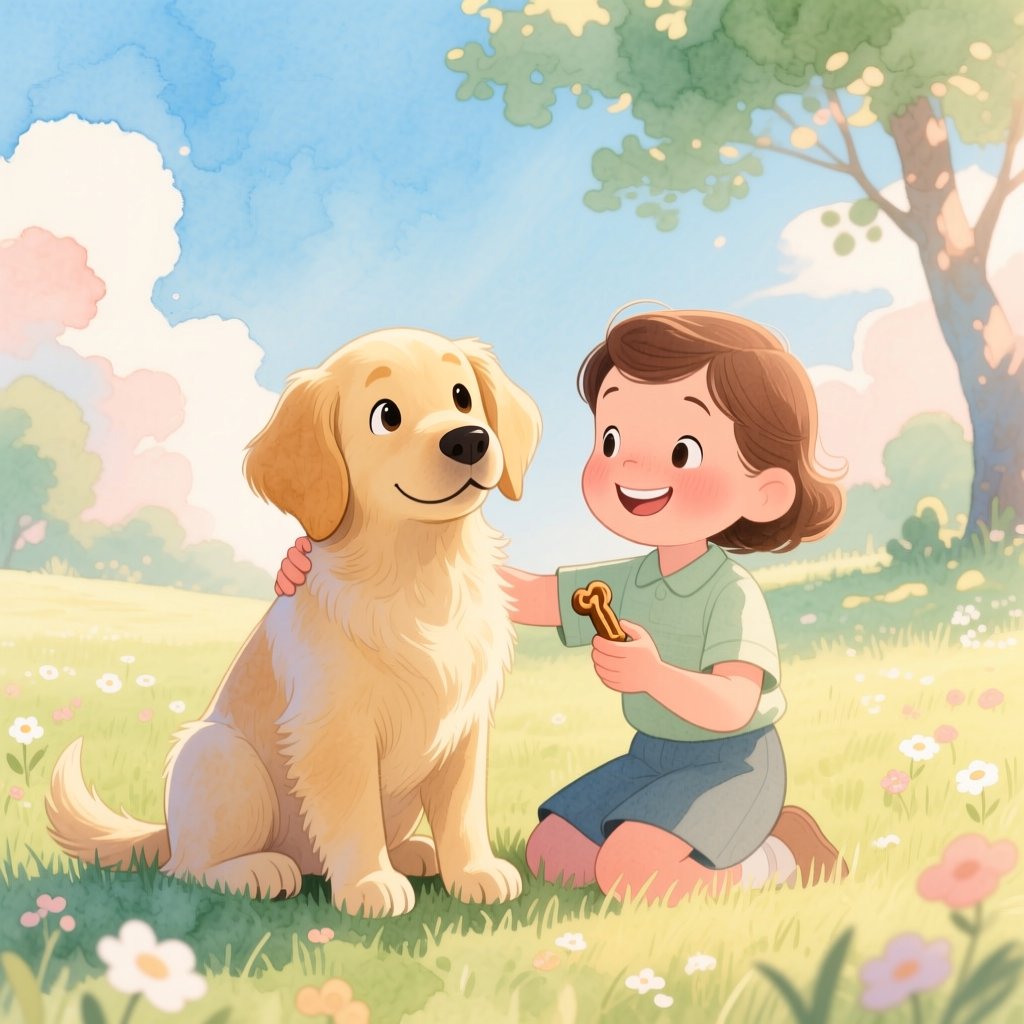
Watching a child and a dog bond is one of the most heartwarming experiences a family can share. But beyond the cuddles and playtime lies an incredible opportunity: teaching your child to become a confident, compassionate dog trainer. When kids take an active role in training the family dog, they develop patience, empathy, responsibility, and communication skills that last a lifetime. Meanwhile, the dog gains a deeper bond with every member of the household.
However, dog training for kids is not simply about handing your child a leash and a bag of treats. It requires thoughtful preparation, age-appropriate techniques, and consistent adult supervision to ensure both the child and the dog have a positive experience. Whether your family has a bouncy Labrador Retriever, a clever Border Collie, or a small but spirited Jack Russell Terrier, this guide will walk you through everything you need to know to make dog training a rewarding family activity.
In this comprehensive guide, you will learn how to set up a safe training environment, discover step-by-step techniques tailored for young handlers, avoid common pitfalls, and keep sessions fun and engaging. Let us dive in and turn your child into the family's very own dog trainer.
Setting the Stage: Preparing Your Child and Dog for Training Success
Before your child issues their first “sit” command, some essential groundwork must be laid. Preparation is the secret ingredient that separates a frustrating training session from a triumphant one. Here is how to set everyone up for success.
Assess Readiness for Both Child and Dog
Not every child is ready to lead a training session, and not every dog is comfortable being handled by small humans. Consider the following before getting started:
- Child's age and maturity: Children as young as four or five can participate in simple training activities with close supervision, but children aged eight and above typically have the focus and motor skills to take a more independent role.
- Dog's temperament: A dog that is already comfortable around children and has basic obedience is the ideal candidate. If your dog is reactive, anxious, or has a history of resource guarding, consult a professional behavioral trainer before involving your child.
- Energy levels: A dog that has been cooped up all day may be too excitable to focus. Similarly, a tired or overstimulated child will struggle to stay patient. Choose a time when both are calm and alert.
Create a Distraction-Free Training Zone
Kids and dogs alike are easily distracted. Set up a training area that minimizes interruptions:
- Choose a quiet room, a fenced backyard, or a calm corner of a park.
- Remove toys, other pets, and any objects the dog might grab during the session.
- Keep training sessions short — five to fifteen minutes is ideal for younger children, while older kids can manage twenty to thirty minutes.
- Have all supplies ready before starting: treats, a clicker (if using clicker training), a leash, and a treat pouch.
Teach Your Child About Dog Body Language
One of the most valuable lessons a child can learn is how to read a dog's emotions. Before training begins, spend time teaching your child to recognize key signals:
- Happy and relaxed: Soft eyes, open mouth, wagging tail at mid-height, relaxed body posture.
- Stressed or uncomfortable: Yawning, lip licking, turning the head away, tucked tail, whale eye (showing the whites of the eyes).
- Overly excited: Jumping, mouthing, frantic tail wagging, inability to focus.
Understanding these cues helps your child know when to push forward, when to take a break, and when to ask an adult for help. This foundational knowledge also makes activities like puppy socialization much more effective.
Establish Ground Rules for Safety
Before any training begins, establish clear rules that your child must always follow:
- Never approach the dog while it is eating, sleeping, or chewing a toy.
- Never pull the dog's ears, tail, or fur.
- Never put their face directly in the dog's face.
- Always ask an adult for help if the dog seems upset or if something feels wrong.
- Use a calm, steady voice — no yelling or screaming.
Step-by-Step Dog Training Techniques Kids Can Master
Now that the stage is set, it is time to get into the actual training. The following techniques are specifically chosen because they are simple enough for children to learn, safe for both parties, and genuinely effective. Each command builds on the last, so start at the beginning and progress at your own pace.
Step 1: Teaching “Sit” — The Foundation Command
The “sit” command is the gateway to all other training. It is straightforward, quick to learn, and gives your child an early win that builds confidence.
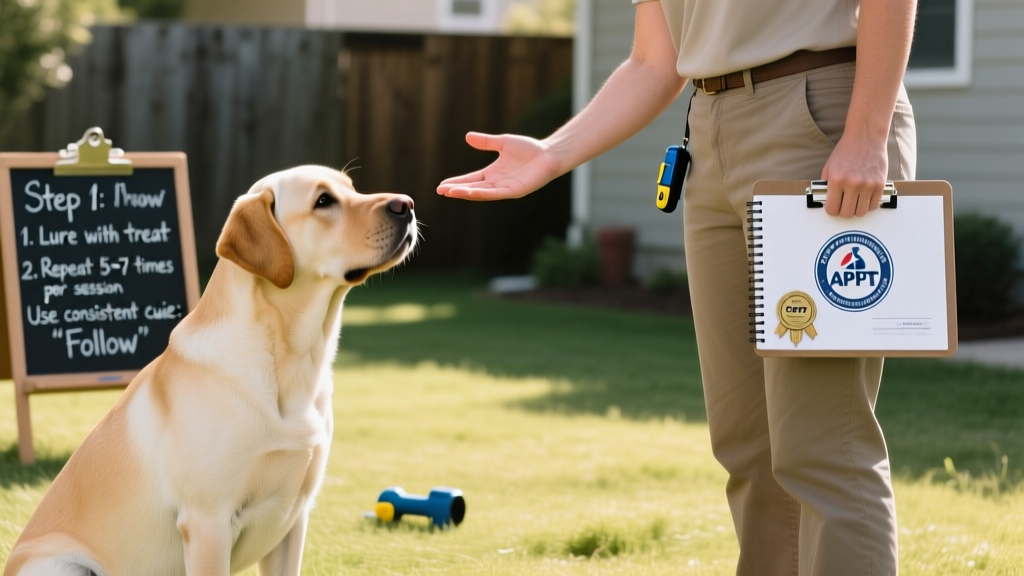
- Get ready: Your child should stand in front of the dog holding a small, smelly treat (like a piece of chicken or cheese) between their thumb and fingers.
- Lure the dog: Slowly move the treat from the dog's nose upward and slightly backward over the dog's head. As the dog follows the treat with its nose, its bottom will naturally lower to the ground.
- Mark and reward: The instant the dog's bottom touches the floor, your child says “Yes!” (or clicks a clicker) and immediately gives the treat.
- Add the verbal cue: Once the dog reliably follows the lure into a sitting position, your child should say “Sit” just before moving the treat. Over time, phase out the hand lure and use only the verbal cue with a hand signal.
- Practice in short bursts: Five repetitions per session is plenty. End on a success, even if you need to help the dog with the last one.
Pro tip for kids: Tell your child to imagine they are drawing a line from the dog's nose to its tail with the treat. This mental image helps them move the lure smoothly rather than jerking it around.
Step 2: Teaching “Stay” — Building Patience and Self-Control
Once the dog can sit reliably, “stay” is the next logical step. This command teaches the dog impulse control and teaches your child the value of patience.
- Start with sit: Ask the dog to sit.
- Use a hand signal: Your child holds their palm out toward the dog like a stop sign and says “Stay.”
- Wait one second: Initially, reward the dog for staying just one second. Mark with “Yes!” and give a treat.
- Gradually increase duration: Slowly build up to five seconds, then ten, then thirty. Always reward while the dog is still in position.
- Add distance: Once the dog can stay for ten to fifteen seconds, your child takes one small step back, returns immediately, and rewards. Gradually increase the distance one step at a time.
- Release word: Teach your child to use a release word like “Okay!” or “Free!” to let the dog know the exercise is over.
Important reminder: Kids often want to rush the process. Remind your child that building a strong “stay” is like building a tower — one brick at a time. If the dog breaks the stay, simply reset and try again with a shorter duration or smaller distance.
Step 3: Teaching “Come” — The Most Important Safety Command
A reliable recall could save your dog's life, and children are often thrilled to learn this command because it feels like calling their best friend to them.
- Start close: With the dog on a leash, your child stands just a few feet away.
- Make it exciting: Your child crouches down (which is less intimidating to dogs), opens their arms, and says “Come!” in a cheerful, enthusiastic voice.
- Reward generously: When the dog arrives, give a high-value treat and lots of praise. Make coming to your child the best thing in the world.
- Increase distance gradually: Move to ten feet, then twenty, then across the yard. Practice in increasingly distracting environments as the dog improves.
- Never punish after a recall: This is critical. Even if the dog took a long time to come, always reward them when they arrive. If coming to your child results in something unpleasant, the dog will hesitate next time.
Fun recall game for kids: Play “recall ping-pong” with two family members. Each person takes turns calling the dog back and forth, rewarding every successful recall. Kids love this game, and dogs get plenty of practice. This pairs well with the skills learned in our leash training guide.
Step 4: Teaching “Leave It” — Impulse Control for Real-World Situations
The “leave it” command is incredibly practical. It prevents dogs from snatching food off the floor, grabbing dangerous objects on walks, or pestering other pets. Children find this command particularly satisfying because they feel like they have real control.
- The closed-fist exercise: Your child places a treat inside their closed fist and holds it out to the dog. The dog will sniff, lick, and paw at the hand.
- Wait for disengagement: The moment the dog stops trying and pulls its nose away even slightly, say “Yes!” and reward with a different treat from the other hand (never the one the dog was trying to get).
- Add the verbal cue: Once the dog consistently backs away from the closed fist, say “Leave it” just before presenting the fist.
- Progress to open palm: Place the treat on an open palm. If the dog dives for it, close the fist. Reward only when the dog looks at the treat without taking it.
- Move to the floor: Place a treat on the ground and cover it with a hand or foot. Gradually reveal it as the dog shows restraint. Eventually, the dog will look at the treat and then look up at your child, waiting for permission.
This command requires patience, which is itself a valuable lesson for young trainers. Celebrate small victories and keep sessions upbeat.
Step 5: Teaching Fun Tricks to Keep Kids Motivated
Once the basics are solid, tricks are where the real fun begins. Tricks strengthen the bond between child and dog, and they are wonderful for showing off to friends and family.
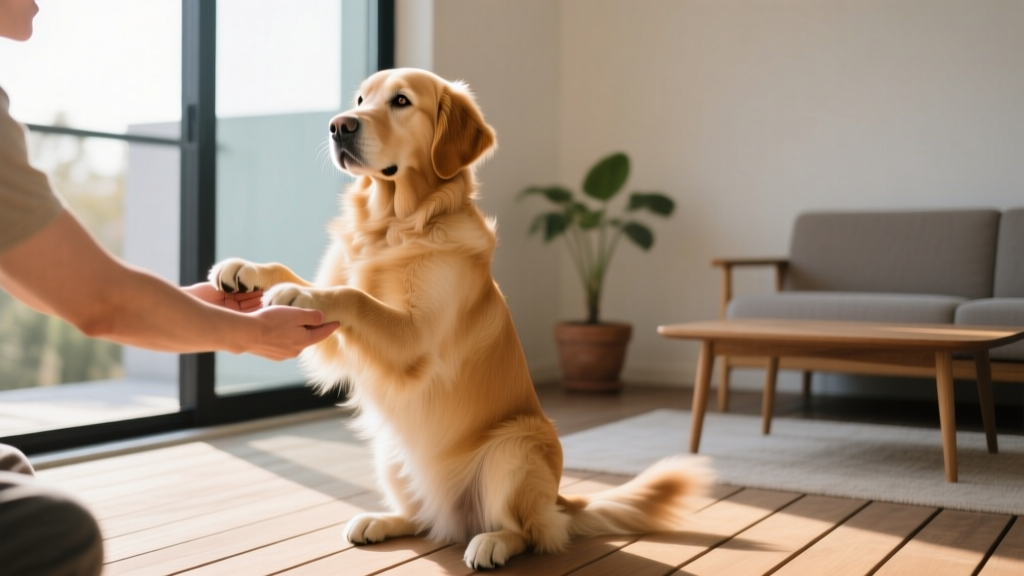
- Shake/Paw: Hold a treat in a closed fist at the dog's chest level. When the dog paws at your child's hand, mark and reward. Add the cue “Shake!” and gradually shape it into placing the paw on an open hand.
- Spin: Lure the dog in a circle using a treat held at nose level. Use the cue “Spin!” for clockwise and “Twirl!” for counterclockwise.
- Roll Over: Start with the dog in a “down” position. Lure the treat from the dog's nose toward its shoulder and around its body. Most dogs will naturally roll to follow the treat.
- Play Dead: A crowd favorite. Lure the dog onto its side from a down position, then reward. Pair with a dramatic “Bang!” cue for extra fun.
For more advanced trick ideas, check out our complete guide to teaching your dog tricks.
Tips for Making Training Sessions Fun and Engaging for Kids
The fastest way to kill a child's enthusiasm for dog training is to make it feel like homework. Here are proven strategies to keep sessions exciting and productive.
Turn Training Into Games
Children learn best through play, and dogs are no different. Try these game-based training ideas:
- Treat hide-and-seek: Your child asks the dog to stay (or has another family member hold the dog), then hides somewhere in the house or yard. The child calls the dog, and the dog must find them. This reinforces recall in a thrilling way.
- Obstacle course: Set up a simple agility course using household items — a broomstick to jump over, a chair to crawl under, cones to weave through. Your child guides the dog through the course using treats and verbal cues. For more ideas, see our agility training guide.
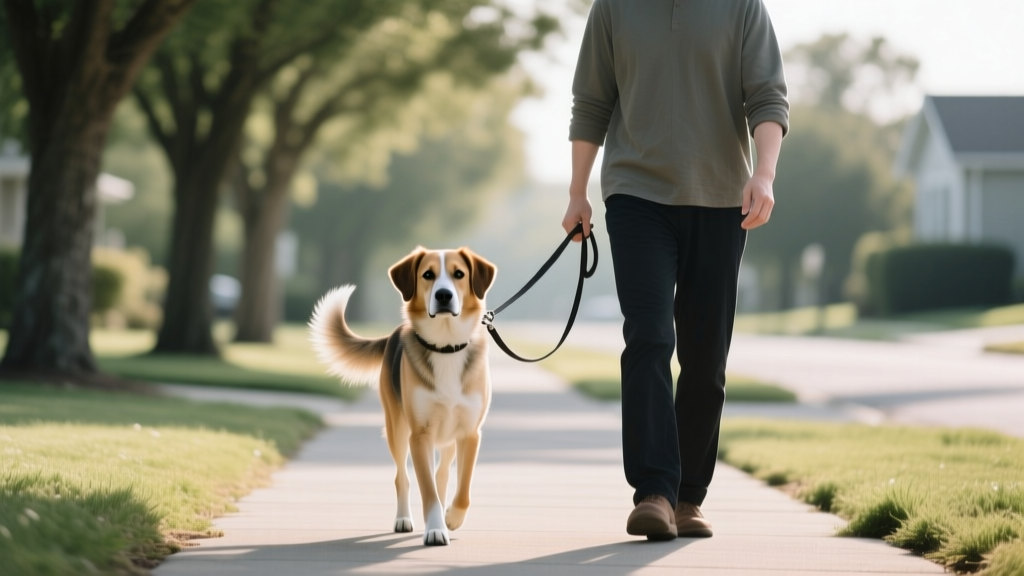
- Red light, green light: Your child walks with the dog on a leash. When they say “Green light!” they walk forward. When they say “Red light!” they stop, and the dog must sit. Reward every successful stop.
Use a Reward Chart
Children love tracking their progress. Create a colorful chart where your child earns stickers for each successful training session. After a certain number of stickers, they earn a reward — perhaps choosing the next trick to teach, getting a new toy for the dog, or a special outing. This mirrors the reward system used in positive reinforcement training for dogs, making the parallel a great teaching moment.
Record Progress on Video
Let your child be the star of their own training show. Record short videos of each session and watch them together afterward. Your child will love seeing their improvement over time, and you can use the footage to identify areas for improvement. Watching the dog go from a wobbly first “sit” to a crisp, confident command weeks later is incredibly motivating.
Rotate Training Activities
Doing the same thing every session gets boring. Rotate between obedience commands, tricks, games, and grooming practice. One day might focus on “stay,” the next on “shake,” and the next on brushing the dog calmly. Variety keeps both the child and the dog engaged. Breeds with high intelligence like the German Shepherd or Poodle especially benefit from this variety.
End Every Session on a Positive Note
No matter how the session went, always finish with something the dog does well. If your child has been struggling with “stay,” end with a quick round of “sit” that the dog aces. This ensures both child and dog walk away feeling good about the experience.
Common Mistakes Kids Make When Training Dogs (and How to Fix Them)
Even the most enthusiastic young trainers will make mistakes — and that is perfectly normal. The key is recognizing these common pitfalls early and correcting them before they become habits.
Mistake 1: Repeating Commands Over and Over
The problem: Your child says “Sit, sit, sit, sit, SIT!” when the dog does not respond the first time. This teaches the dog that the command is optional and that it only needs to listen after hearing it five or six times.
The fix: Teach your child the “say it once” rule. Give the command clearly one time, wait up to five seconds, and if the dog does not respond, gently lure it into position or reset and try again. If the dog consistently fails to respond, the training environment may be too distracting, or the dog may need more practice at an easier level.
Mistake 2: Inconsistent Rewards
The problem: Sometimes your child gives a treat for a sloppy sit, and other times they withhold the treat for a perfect sit. Dogs thrive on consistency, and mixed signals lead to confusion.
The fix: During the learning phase, reward every correct response. Once the command is well-established, you can move to intermittent rewards (rewarding every second or third time), but only after the dog reliably performs the behavior. Help your child understand the difference between learning and maintaining a behavior.
Mistake 3: Training When Frustrated
The problem: Your child gets frustrated when the dog will not cooperate, and their tone of voice or body language becomes tense. Dogs are incredibly sensitive to human emotions, and a frustrated handler creates a stressed dog, which leads to even worse performance.
The fix: Teach your child the “three-strike rule.” If the dog fails to perform correctly three times in a row, it is time to take a break. Step away, play a quick game of fetch, do a command the dog knows well, and then try again. Emotional regulation is one of the most valuable life skills your child will learn through this process.
Mistake 4: Using Punishment or Scolding
The problem: Out of frustration, a child might yell at the dog, jerk the leash, or try to physically force the dog into position. This damages trust and can create fear-based behavioral issues.
The fix: Reinforce the concept that training is about teaching, not punishing. Dogs do not understand scolding the way humans do. Instead, focus on rewarding what the dog does right and managing the environment to prevent mistakes. If your child is struggling with this concept, review our positive reinforcement training guide together.
Mistake 5: Skipping the Basics
The problem: Your child wants to jump straight to impressive tricks like “roll over” or “play dead” without first establishing a solid foundation in basic obedience.
The fix: Explain to your child that dog training is like learning to read — you have to learn your letters before you can read a whole book. Basic commands like sit, stay, come, and leave it are the alphabet of dog training. Once those are strong, tricks come much more easily.
Age-Appropriate Training Activities for Different Stages of Childhood
Not all training activities are suitable for all ages. Here is a breakdown of what works best at different developmental stages.
Ages 4 to 6: Supervised Helpers
At this age, children are not ready to lead training sessions independently, but they can absolutely participate in meaningful ways:
- Handing treats to the adult trainer
- Holding the treat pouch
- Saying the verbal cue alongside the adult
- Participating in recall games (calling the dog with an adult present)
- Helping fill puzzle toys or Kongs with treats
Safety is paramount at this age. An adult should always be within arm's reach, and the dog should be one that is well-known and trusted around young children. Smaller, gentle breeds like the Cavalier King Charles Spaniel can be wonderful companions for this age group.
Ages 7 to 10: Junior Trainers
Children in this age range can take on a much more active role with moderate supervision:
- Leading basic obedience sessions (sit, stay, come, down) with an adult nearby
- Teaching simple tricks like shake, spin, and touch
- Walking the dog on a leash in low-distraction environments (with an adult holding a backup leash if needed)
- Participating in hide-and-seek recall games
- Learning to read dog body language and reporting their observations
This is the golden age for building confidence. Celebrate your child's achievements and give them ownership of specific training goals, such as “This week, you are in charge of teaching Buster to shake.”
Ages 11 and Up: Independent Trainers
Older children and teenagers can handle significant training responsibility, often with minimal supervision:
- Running full training sessions independently
- Teaching advanced tricks and complex behavior chains
- Working on leash manners and loose-leash walking
- Practicing commands in public settings like parks
- Exploring dog sports like agility, rally obedience, or nose work
- Helping with the training of a new puppy in the family
Teenagers can also benefit from reading our puppy training essentials guide if the family is bringing home a new addition. Giving a teenager responsibility for the puppy's early education can be an incredibly empowering experience.
Frequently Asked Questions About Kids Training Dogs
What is the best age for a child to start training a dog?
Children as young as four or five can begin participating in dog training activities under close adult supervision. At this age, their role will be limited to simple tasks like handing out treats or calling the dog during recall games. By ages seven or eight, most children have the focus, coordination, and understanding to lead basic training sessions with an adult nearby. There is no single “right” age — it depends on the individual child's maturity, the dog's temperament, and the level of adult supervision available.
Is it safe for kids to train dogs without adult supervision?
For children under ten, adult supervision should always be present during training sessions. Even well-behaved dogs can react unpredictably if startled, hurt, or overly excited, and young children may not recognize warning signs in a dog's body language. Older children and teenagers can train more independently, but an adult should still be aware of what is happening and available to intervene if needed. Safety should always be the top priority, and no training session should ever take place without at least one responsible adult in the home or nearby.
What breeds are best for kids to train?
While any well-socialized dog can be a great training partner for a child, some breeds tend to be more forgiving and eager to please, which makes the learning process smoother. Breeds known for being good with children and responsive to training include Labrador Retrievers, Golden Retrievers, Poodles, Cavalier King Charles Spaniels, and Beagles. That said, mixed-breed dogs and rescue dogs can be equally wonderful training partners. The individual dog's temperament matters far more than its breed. If you are choosing a family dog, our breed guides can help you find the right match for your household.
How long should training sessions last when kids are involved?
Training sessions with children should be kept short and upbeat. For children aged four to six, five to ten minutes is ideal. Children aged seven to ten can handle sessions of ten to fifteen minutes. Teenagers may manage twenty to thirty minutes, but even they benefit from keeping sessions concise. Dogs also have limited attention spans, so shorter sessions with more frequent practice throughout the week will yield better results than one long, exhausting session. If either the child or the dog starts to lose focus, it is time to wrap up and try again later.
What should I do if my child gets frustrated during a training session?
Frustration is a natural part of the learning process, and it is actually a valuable teaching moment. If your child becomes frustrated, calmly suggest taking a break. Encourage them to take a few deep breaths, play a quick game with the dog that does not involve training, or do something else entirely for a few minutes. When they return, start with something easy that the dog already knows well to rebuild confidence. Talk to your child about how patience and persistence are the most important qualities of a good dog trainer. Over time, managing frustration during training helps children develop emotional resilience that benefits them in every area of life.
Final Thoughts: Growing Together Through Dog Training
Dog training is so much more than teaching commands. For children, it is an education in empathy, patience, clear communication, and responsibility. For dogs, it is a pathway to understanding what their humans expect and earning the freedom and trust that comes with good manners. And for families, it is a shared activity that strengthens bonds and creates lasting memories.
Remember that progress is not always linear. Some days your child and dog will seem like a professional training team, and other days it will feel like you are starting from scratch. That is completely normal. The key is consistency, positivity, and keeping the experience enjoyable for everyone involved.
Start with the basics outlined in this guide, celebrate every small victory, and watch as your child grows into a confident, compassionate handler. Whether they are teaching a Golden Retriever to shake or guiding a rescue mutt through an obstacle course, the skills they build will stay with them for a lifetime. For more training resources, explore our full collection of dog training guides and find the perfect next step in your family's training journey.
Jonas Cole
All our authors care for dogs every day — read more of their work on the authors page.