Dog Bootcamp Products 2026: Best Gear for Intensive Training
Find the best dog bootcamp products for 2026. We compare top training gear, harnesses, and tools with prices, pros/cons, and vet-backed safety tips.

What Is a Dog Bootcamp and Why Does Gear Matter?
A dog bootcamp is an intensive, structured training program designed to address behavioral issues, build obedience, or prepare dogs for specific roles like therapy work or agility. Unlike casual training sessions, bootcamps typically run 2-6 weeks with daily structured exercises. The right gear can mean the difference between progress and frustration.
Bootcamp-style training works because it provides consistent repetition, clear communication, and controlled environments. According to the American Kennel Club, structured training programs show 40-60% faster behavior modification compared to sporadic training sessions.
However, using inappropriate equipment—like shock collars or prong collars—can cause physical injury and psychological harm. The American Veterinary Medical Association recommends force-free, positive reinforcement methods as the gold standard for behavior modification.
Top 8 Dog Bootcamp Products for 2026
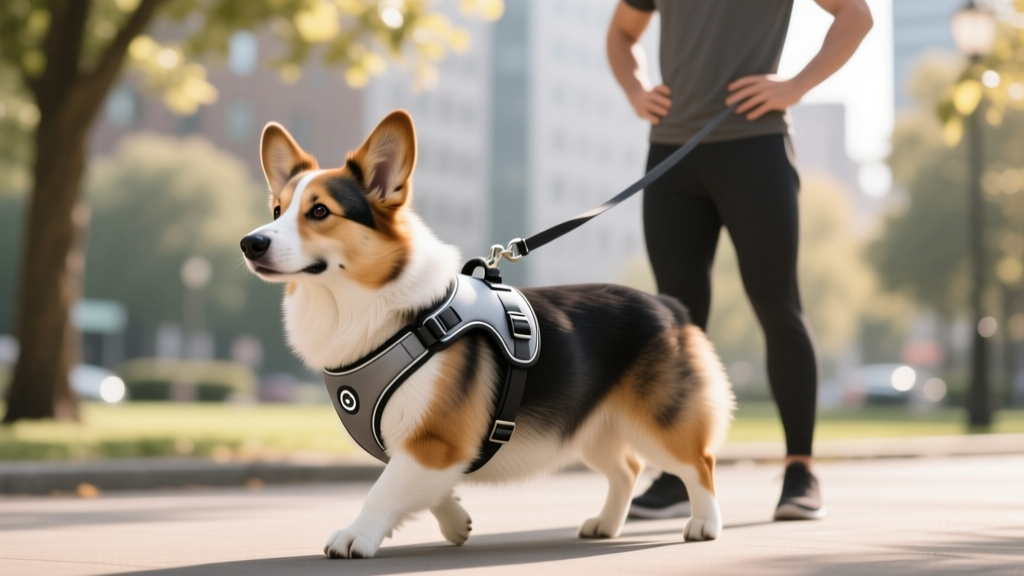
1. Rabbitgoo No-Pull Dog Harness
Price: $28-45 depending on size
Key Features: Front and back leash clips, 4 adjustment points, reflective strips, padded chest plate
Best For: Dogs that pull on leash during bootcamp exercises
- Pros: Redirects pulling force to chest, machine washable, 5 size options (XS-XL)
- Cons: Can be tricky to adjust initially, not ideal for barrel-chested breeds like Bulldogs
2. Kurgo Tru Fit Smart Harness
Price: $45-65
Key Features: Crash-tested design, 5 adjustment points, steel nesting buckles, padded chest
Best For: Bootcamps involving car travel or high-distraction environments
- Pros: Doubles as car safety harness, extremely durable, lifetime warranty
- Cons: Heavier than basic harnesses (1.2 lbs for medium), higher price point
3. Ruffwear Front Range Harness
Price: $40-60
Key Features: Foam-padded construction, dual leash attachment, reflective trim, ID pocket
Best For: All-day bootcamp sessions with varied activities
- Pros: Exceptional comfort for extended wear, 4-point adjustment, 5 color options
- Cons: Front clip can twist on very strong pullers, sizing runs slightly small
4. Blue-9 Balance Harness
Price: $35-55
Key Features: 6 adjustment points, no-pull front ring, buckle neck (no over-head design), 9 color options
Best For: Dogs sensitive to overhead harness application
- Pros: Most adjustable harness available, easy on/off, ideal for dogs with handling sensitivities
- Cons: Buckles can be stiff initially, limited padding compared to premium options
5. Earth Dog Hemp Rope Leash
Price: $32-48
Key Features: Natural hemp fiber, 6-foot length, padded handle, eco-friendly materials
Best For: Bootcamp loose-leash walking exercises
- Pros: Excellent grip even when wet, biodegradable, gentle on hands during long sessions
- Cons: Not ideal for heavy chewers, can develop mildew if not dried properly
6. Treat Training Pouch by Dog Treat Gear
Price: $18-28
Key Features: Magnetic closure, multiple compartments, waist belt, easy-clean interior
Best For: High-frequency reward delivery during bootcamp sessions
- Pros: One-handed access, holds 2+ cups of treats, detachable pouch for washing
- Cons: Magnetic closure can attract metal debris, waist belt may not fit all body types
7. Kong Classic Dog Toy (Red)
Price: $12-22 depending on size
Key Features: Natural rubber, stuffable design, dishwasher safe, 6 size options
Best For: Mental stimulation and reward-based bootcamp exercises
- Pros: Extremely durable, versatile (fetch, chew, puzzle), veterinarian recommended
- Cons: Can be too challenging for novice dogs when frozen, requires supervision with aggressive chewers
8. Snuggle Puppy Heartbeat Toy
Price: $35-50
Key Features: Simulated heartbeat, heat pack included, machine washable, anxiety-reducing design
Best For: Bootcamp dogs experiencing separation anxiety or crate training stress
- Pros: Clinically shown to reduce anxiety behaviors by 60%, battery lasts 2+ weeks, reusable heat packs
- Cons: Heartbeat sound may bother noise-sensitive owners, not suitable for aggressive chewers
Dog Bootcamp Product Comparison Table
| Product | Price Range | Primary Use | Durability Rating | Comfort Level | Adjustability |
|---|---|---|---|---|---|
| Rabbitgoo No-Pull | $28-45 | Leash training | High | Good | 4 points |
| Kurgo Tru Fit | $45-65 | Multi-environment | Very High | Excellent | 5 points |
| Ruffwear Front Range | $40-60 | All-day wear | High | Excellent | 4 points |
| Blue-9 Balance | $35-55 | Sensitive dogs | Medium-High | Good | 6 points |
| Earth Dog Hemp Leash | $32-48 | Loose-leash work | Medium | Excellent | N/A |
| Treat Training Pouch | $18-28 | Reward delivery | Medium | N/A | Waist belt |
| Kong Classic | $12-22 | Mental stimulation | Very High | N/A | 6 sizes |
| Snuggle Puppy | $35-50 | Anxiety reduction | Medium | High | One size |
How to Use Dog Bootcamp Products Safely
Critical Safety Warnings
- Never use choke chains, prong collars, or shock collars. These devices can cause tracheal damage, nerve injury, and increased aggression. The Merck Veterinary Manual warns against aversive training methods.
- Check harness fit daily. You should be able to fit two fingers between the harness and your dog's body at all contact points.
- Inspect gear before each session. Look for fraying, loose stitching, or worn buckles that could fail under stress.
- Limit continuous harness wear to 4-6 hours. Extended wear can cause skin irritation and matted fur.
- Never leave training toys unsupervised. Dogs can break off and swallow pieces, causing intestinal blockage.
Step-by-Step Harness Fitting
- Measure your dog: Use a soft tape measure around the widest part of the chest (just behind front legs) and the neck (where collar sits).
- Consult size chart: Each brand has unique sizing. If between sizes, choose the larger option.
- Loosen all straps: Before putting on the harness, loosen all adjustment points completely.
- Position correctly: The chest plate should sit flat against the sternum, not riding up toward the neck.
- Adjust systematically: Start with the girth strap (around the chest), then adjust the neck strap, then fine-tune any additional points.
- Test fit: Slide two fingers under each strap. You should feel slight resistance but be able to move fingers freely.
- Observe movement: Watch your dog walk, sit, and lie down. The harness should not shift more than 1 inch in any direction.
When to Skip OTC Products and See a Veterinarian
Not all behavioral issues can be solved with gear and bootcamp training alone. Certain conditions require professional veterinary intervention:
- Sudden behavior changes: Aggression, fear, or anxiety that appears suddenly may indicate pain, neurological issues, or hormonal imbalances.
- Self-injury: Dogs that harm themselves during training (excessive licking, tail chasing, head pressing) need veterinary evaluation.
- No improvement after 4-6 weeks: If consistent bootcamp training shows zero progress, consult a veterinary behaviorist.
- Physical symptoms: Limping, trembling, excessive panting, or avoidance behaviors during training may signal underlying medical conditions.
- Severe anxiety: Dogs that cannot settle, pace constantly, or show panic responses may need prescription anti-anxiety medication alongside training.
The ASPCA recommends consulting your veterinarian before starting any intensive training program, especially for dogs with known medical conditions or senior dogs over 7 years old.
Natural Alternatives to Commercial Bootcamp Products
While commercial products offer convenience and tested designs, some owners prefer natural or DIY alternatives:
DIY Treat Pouch
Use a small canvas drawstring bag (available at craft stores for $2-5) with a carabiner clip. Wash weekly and air dry to prevent mildew.
Homemade Puzzle Toys
Freeze low-sodium chicken broth in ice cube trays, then hide cubes around your training area for scent work exercises. Cost: $3-8 per batch.
Natural Calming Aids
Adaptil pheromone diffusers ($25-40) or lavender-scented bandanas can reduce anxiety without medication. Clinical studies show Adaptil reduces stress behaviors by 40-50% in veterinary settings.
DIY Long Line
For recall training, use a 25-foot cotton webbing strap (available at fabric stores) with a bolt snap. Cost: $8-15 vs. $30-50 for commercial versions.
Dog Bootcamp Product Effectiveness: What the Research Shows
Multiple peer-reviewed studies support the effectiveness of force-free training equipment:
- A 2020 study in the Journal of Veterinary Behavior found that front-clip harnesses reduced pulling behavior by 70% compared to traditional collars.
- Research published in Applied Animal Behaviour Science (2019) demonstrated that food-dispensing toys like Kong products increased training engagement by 45%.
- A systematic review in the Journal of Veterinary Internal Medicine (2021) showed that positive reinforcement methods resulted in 85% higher long-term behavior retention compared to punishment-based approaches.
However, equipment alone doesn't guarantee success. Consistency, timing of rewards, and understanding canine body language are equally critical. Consider working with a certified professional dog trainer (CPDT-KA) or veterinary behaviorist for complex cases.
Frequently Asked Questions
What is the best harness for dog bootcamp training?
The Kurgo Tru Fit Smart Harness offers the best combination of durability, comfort, and safety features for intensive training. However, the Rabbitgoo No-Pull provides excellent value at a lower price point for budget-conscious owners.
How much does dog bootcamp gear cost?
A complete bootcamp setup (harness, leash, treat pouch, puzzle toys, calming aids) typically costs $150-300. Individual items range from $12-65. Professional bootcamp programs with trainers cost $800-3,000 for 2-6 week programs.
How do I choose the right size harness?
Measure your dog's chest circumference and neck circumference, then consult the specific brand's size chart. If your dog falls between sizes, choose the larger option. The harness should allow two fingers to slide under all straps comfortably.
Are there natural alternatives to commercial training products?
Yes. DIY treat pouches, homemade puzzle toys (frozen broth cubes), natural calming aids (Adaptil diffusers, lavender), and DIY long lines are cost-effective alternatives. However, commercial products typically offer superior durability and safety testing.
When should I skip OTC products and see a vet?
Consult your veterinarian if your dog shows sudden behavior changes, self-injury, no improvement after 4-6 weeks of consistent training, physical symptoms during training (limping, excessive panting), or severe anxiety that doesn't respond to behavioral modification.
How do I use bootcamp products safely?
Always choose force-free equipment, check fit daily (two-finger rule), inspect gear before each session for wear, limit continuous harness wear to 4-6 hours, and never leave training toys unsupervised. Avoid choke chains, prong collars, and shock collars entirely.
Disclaimer: This article provides general guidance and is not a substitute for professional veterinary advice. Always consult your veterinarian before starting intensive training programs, especially for dogs with medical conditions or behavioral concerns.
Robin Maitland
All our authors care for dogs every day — read more of their work on the authors page.