The Ultimate Guide to Dog Behavior Tips: Understanding & Training Your Canine
Discover essential dog behavior tips to understand your pet better. Learn practical training steps, avoid common mistakes, and build a stronger bond.
Welcoming a dog into your home is one of the most rewarding experiences life has to offer. However, building a harmonious relationship requires more than just love and affection; it demands a deep understanding of canine psychology and consistent guidance. Whether you are bringing home a bouncy puppy or adopting a senior rescue, mastering fundamental dog behavior tips is the key to unlocking a peaceful, joyful coexistence. Dogs do not speak our language, so they rely entirely on body language, vocalizations, and learned behaviors to communicate their needs, fears, and desires. When we misinterpret these signals, behavioral issues arise, leading to frustration for both the pet and the owner.
At Paws Tales, we believe that every behavioral challenge is simply a communication gap waiting to be bridged. This comprehensive guide will walk you through the essential dog behavior tips you need to decode your canine companion, establish healthy routines, and implement effective, humane training strategies. By the end of this article, you will have a robust toolkit to address common issues, avoid frequent training pitfalls, and foster a bond built on mutual trust and respect. For those just starting their journey, our puppy training basics guide is a perfect companion to this resource.
Decoding Canine Body Language
The foundation of all successful dog training is observation. Before you can modify a behavior, you must understand the emotion driving it. Dogs are incredibly expressive, using their entire bodies to convey their internal state. Learning to read these subtle cues is one of the most valuable dog behavior tips you can acquire.
Understanding the Tail
A common misconception is that a wagging tail always equates to a happy dog. In reality, the tail is a complex communication tool. A high, stiff, and rapidly vibrating tail often indicates arousal, which can escalate into aggression or reactivity. A low, tucked tail signals fear, anxiety, or submission. A relaxed, sweeping wag at mid-level usually indicates a calm and friendly disposition. Always consider the tail in the context of the rest of the body.
Reading the Ears and Eyes
Ears pinned flat against the head typically denote fear or appeasement, while ears pricked sharply forward suggest intense focus or potential alertness to a threat. The eyes are equally revealing. A soft, relaxed gaze with normal pupil size means your dog is comfortable. Conversely, 'whale eye'—where the whites of the eyes are prominently visible as the dog turns its head away while keeping its eyes fixed on a trigger—is a strong indicator of stress and a warning sign that the dog may bite if pushed further.
Posture and Mouth Signals
A dog performing a 'play bow' (front end down, rear end up) is inviting interaction and signaling that any subsequent roughhousing is just a game. On the other hand, a stiff, frozen posture is a critical warning sign. Calming signals, such as excessive lip licking, yawning when not tired, or sudden sniffing of the ground, are ways dogs attempt to self-soothe or de-escalate a tense situation. Recognizing these early stress indicators allows you to remove your dog from overwhelming environments before a behavioral outburst occurs. Understanding these traits is especially crucial for highly expressive breeds like the German Shepherd or the Border Collie.
Establishing a Predictable Daily Routine
Dogs are den animals by nature and thrive on predictability. A chaotic household with erratic feeding times, inconsistent walks, and random sleep schedules can cause immense underlying anxiety, which often manifests as destructive behavior or excessive barking. Implementing a structured routine is among the most effective dog behavior tips for creating a calm, well-adjusted pet.
Step 1: Consistent Feeding and Potty Schedules
Feed your dog at the exact same times every day. This not only regulates their digestive system, making potty training significantly easier, but it also provides a sense of security. Take them out for bathroom breaks immediately after waking up, after meals, after play sessions, and right before bed. Predictability in elimination routines prevents indoor accidents and reduces household stress.
Step 2: Structured Physical Exercise
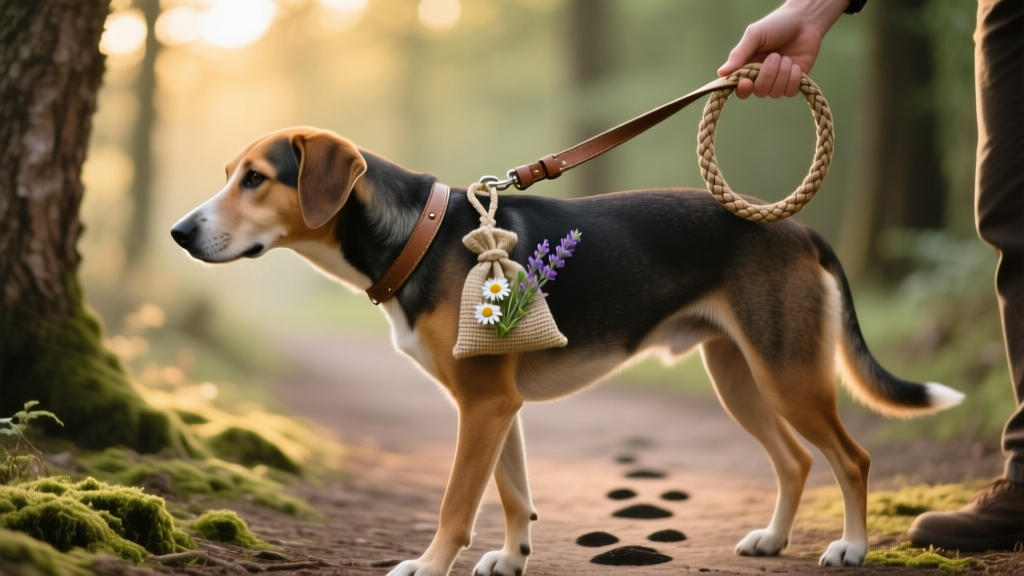
A tired dog is generally a well-behaved dog, but the exercise must be structured. Free-roaming in the yard is rarely enough. Engage in purposeful activities like brisk neighborhood walks, fetch, or agility courses. If your dog pulls on the leash during these outings, refer to our detailed leash walking techniques to ensure exercise remains a bonding experience rather than a frustrating chore.
Step 3: Mandatory Mental Enrichment
Physical exhaustion is only half the equation. Mental stimulation tires a dog out just as effectively, if not more so. Incorporate puzzle toys, scent work, or short, five-minute training sessions into their daily routine. Breeds known for high intelligence and drive, such as the Border Collie or the Poodle, will develop severe behavioral issues like obsessive chewing or shadow chasing if their mental needs are neglected.
Step 4: Enforced Rest Periods
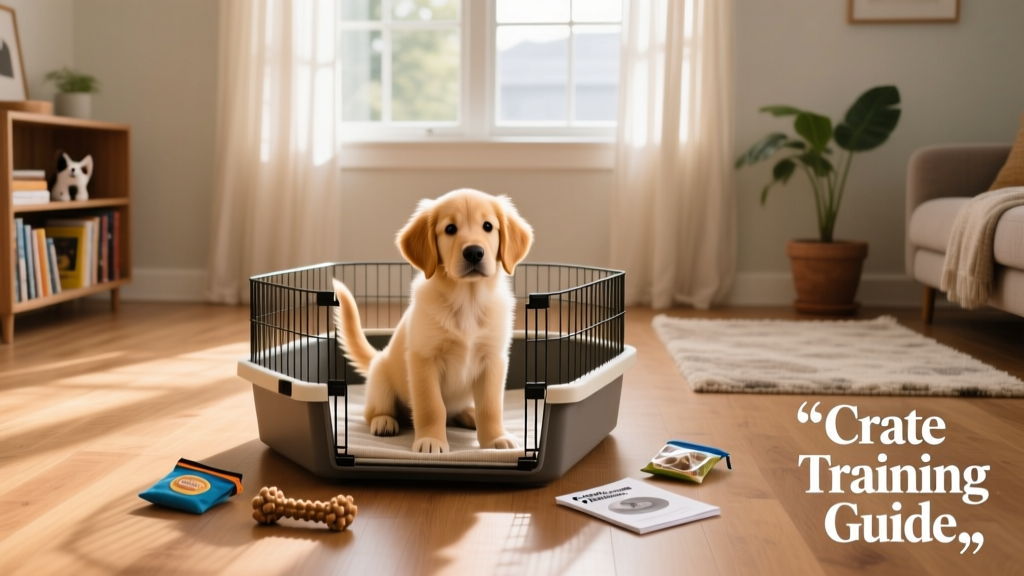
Puppies and adult dogs alike can become overtired, leading to hyperactivity and an inability to settle—a state often compared to a toddler throwing a tantrum. Utilize a crate or a designated quiet mat to enforce daily naps. If you need guidance on creating a safe den environment, our crate training guide offers step-by-step instructions for positive crate association.
Mastering Positive Reinforcement
Modern canine science overwhelmingly supports positive reinforcement as the most effective and humane method for shaping behavior. This approach focuses on rewarding desired behaviors, making them more likely to be repeated, while ignoring or redirecting unwanted behaviors. Here is how to apply this core philosophy using practical dog behavior tips.
Step 1: Identify High-Value Motivators
Not all rewards are created equal. While a dry kibble might work for a simple 'sit' in the living room, it will not compete with the distraction of a squirrel outside. Categorize your rewards into low-value (dry treats, verbal praise), medium-value (soft commercial treats, brief tug play), and high-value (boiled chicken, cheese, favorite toy). Reserve high-value rewards for challenging environments or when teaching entirely new concepts.
Step 2: Use a Marker Word or Clicker
Timing is everything in dog training. A marker word like 'Yes!' or the sharp click of a clicker tells the dog exactly which micro-behavior earned the reward. If you say 'good boy' while the dog is sitting, but hand him the treat as he stands up to get it, you have accidentally rewarded the standing. Mark the exact moment the desired behavior occurs, then deliver the reward.
Step 3: Shape and Fade
When teaching complex behaviors, reward small approximations of the final goal—a process known as shaping. Once the dog reliably performs the behavior, begin to fade the treats by switching to a variable reinforcement schedule. Reward the behavior every third or fourth time, replacing the other rewards with enthusiastic praise or a quick pet. This keeps the dog engaged and prevents them from only working when food is visible.
Step 4: Manage the Environment
Positive reinforcement also means setting the dog up for success by managing their environment. If you do not want your dog to jump on the kitchen counter, do not leave food unattended. If they chew shoes, keep shoes in a closed closet. Management prevents the rehearsal of bad habits while you actively train the desired alternatives.
Addressing & Managing Common Behavioral Issues
Even with the best routines and training, most dog owners will encounter behavioral hurdles. Addressing these issues promptly with the right dog behavior tips prevents them from becoming deeply ingrained habits.
Excessive Barking
Barking is a natural vocalization, but excessive barking is usually a symptom of boredom, alertness, or anxiety. Step 1: Identify the trigger. Is it the mail carrier, a passing dog, or a leaf blowing in the wind? Step 2: Remove the visual trigger if possible, using window films or closing blinds. Step 3: Teach the 'Quiet' command. Allow the dog to bark two or three times, then present a high-value treat near their nose. When they stop barking to sniff the treat, say 'Quiet' and reward. Step 4: Provide an incompatible behavior, such as asking them to go to their mat and chew a long-lasting treat when the doorbell rings.
Destructive Chewing
Chewing is a normal canine instinct, especially for teething puppies and high-energy breeds like the Labrador Retriever. The goal is not to stop chewing, but to direct it toward appropriate items. Step 1: Puppy-proof your home by removing access to tempting items like remote controls and toxic plants. Step 2: Provide a variety of approved chew toys with different textures. Step 3: If you catch them chewing something inappropriate, calmly interrupt them with a neutral sound, offer an approved toy, and praise them enthusiastically when they chew the correct item. Step 4: Ensure they are getting adequate physical and mental exercise to prevent boredom-induced destruction.
Jumping on Guests
Dogs jump because it is an effective way to get attention and greet faces up close. Step 1: Teach an alternative greeting behavior, such as sitting or fetching a specific 'greeting toy.' Step 2: Instruct guests to completely ignore the dog—no eye contact, no talking, no touching—until all four paws are on the floor. Step 3: The moment the dog sits or stands calmly, the guest can offer calm praise and a treat. Step 4: Use a leash indoors during greetings to gently guide the dog away if they attempt to jump, preventing them from practicing the unwanted behavior.
Pro Tips & Common Mistakes to Avoid
Navigating the world of dog training can be overwhelming, with conflicting advice coming from every direction. To ensure your success, keep these advanced dog behavior tips in mind and steer clear of frequent errors.
Pro Tips for Long-Term Success
- Prioritize Early Socialization: Expose your puppy to a wide variety of people, environments, surfaces, and other vaccinated dogs during their critical developmental windows. Positive exposure prevents fear-based reactivity later in life.
- Respect Breed Traits: Understand what your dog was bred to do. A Beagle is genetically wired to follow its nose and will likely never have perfect off-leash recall. A terrier is bred to dig and chase small animals. Work with their genetics, not against them.
- Practice 'Nothing in Life is Free': Ask your dog to perform a simple command like 'sit' or 'look at me' before they receive their meals, go out the door, or get petted. This builds impulse control and reinforces your leadership without the need for intimidation.
- End on a High Note: Always finish a training session with a success, even if you have to ask for a very simple behavior to get there. This keeps the dog's enthusiasm high for the next session.
Common Mistakes That Hinder Progress
- Inconsistency Among Household Members: If one person allows the dog on the couch and another scolds them for it, the dog will become confused and anxious. All family members must enforce the same rules using the same command words.
- Punishing After the Fact: Dogs live in the moment. If you come home to a destroyed trash can and yell at your dog, they do not connect your anger to the trash can; they connect it to your arrival. This creates a fearful dog who greets you with appeasement behaviors, not a dog who understands what they did wrong hours ago.
- Using Dominance Theory: Outdated concepts like 'alpha rolls' or eating before your dog to 'prove dominance' have been thoroughly debunked by veterinary behaviorists. These methods damage trust and often provoke defensive aggression.
- Repeating Commands: Saying 'Sit, sit, sit, sit' teaches the dog that the command is merely background noise and that they only need to comply on the fourth repetition. Say the command once, wait a few seconds, and if they do not comply, reset and try again in a less distracting environment.
Frequently Asked Questions
How long does it take to see changes in dog behavior?
The timeline for behavioral modification varies wildly depending on the dog's history, the specific issue, and the consistency of the owner. Simple obedience commands like 'sit' or 'down' can be learned in a few days. However, deep-seated emotional issues like fear-based reactivity or severe separation anxiety can take months or even years of consistent, positive management to improve. Patience and realistic expectations are vital components of successful training.
Is it ever too late to train an older dog?
The old adage that 'you cannot teach an old dog new tricks' is entirely false. Senior dogs are fully capable of learning new behaviors and overcoming lifelong bad habits. In fact, older dogs often have longer attention spans and less chaotic energy than puppies, making them excellent students. The primary difference is that you may need to accommodate physical limitations, such as arthritis, by choosing training activities that do not require excessive jumping or repetitive sitting.
Why does my dog act differently around other dogs?
Leash reactivity or altered behavior around other dogs is usually rooted in fear, frustration, or a lack of proper socialization, rather than inherent aggression. When a dog is on a leash, they know their flight option is removed, so they often resort to a 'fight' response (barking, lunging) to drive the perceived threat away. Alternatively, a dog who loves other dogs but is constantly restrained from greeting them may develop barrier frustration. Working with a professional positive-reinforcement trainer can help implement desensitization and counter-conditioning protocols to change your dog's emotional response to other canines.
Should I use dominance-based training methods?
No. Modern veterinary behaviorists and certified professional dog trainers universally advise against dominance-based or aversive training methods. Techniques involving physical punishment, shock collars, or intimidation suppress behavior temporarily through fear but do not address the underlying emotional cause. This often leads to a 'shutdown' dog or a sudden, unpredictable bite when the dog decides it can no longer tolerate the stress. Positive reinforcement builds confidence, trust, and a genuine desire to work with you.
How much daily exercise does my dog need for good behavior?
Exercise requirements are highly individualized based on age, health, and breed. A young, working-breed dog like a Australian Shepherd may require two or more hours of vigorous physical and mental activity daily to remain calm indoors. Conversely, a senior bulldog may be perfectly satisfied with two short, leisurely strolls. A good rule of thumb is to monitor your dog's behavior at home: if they are pacing, whining, or engaging in destructive behaviors, they likely need more structured outlets for their energy.
Understanding and shaping your dog's behavior is a lifelong journey that deepens the incredible bond you share. By applying these dog behavior tips consistently, communicating clearly, and leading with empathy, you will cultivate a well-mannered, confident, and deeply happy canine companion.
Robin Maitland
All our authors care for dogs every day — read more of their work on the authors page.