Best Tracking Dogs: Top GPS Collars & Scent Training Gear for 2026
Discover the best tracking dogs gear for 2026 — GPS collars, scent training kits, and long lines.

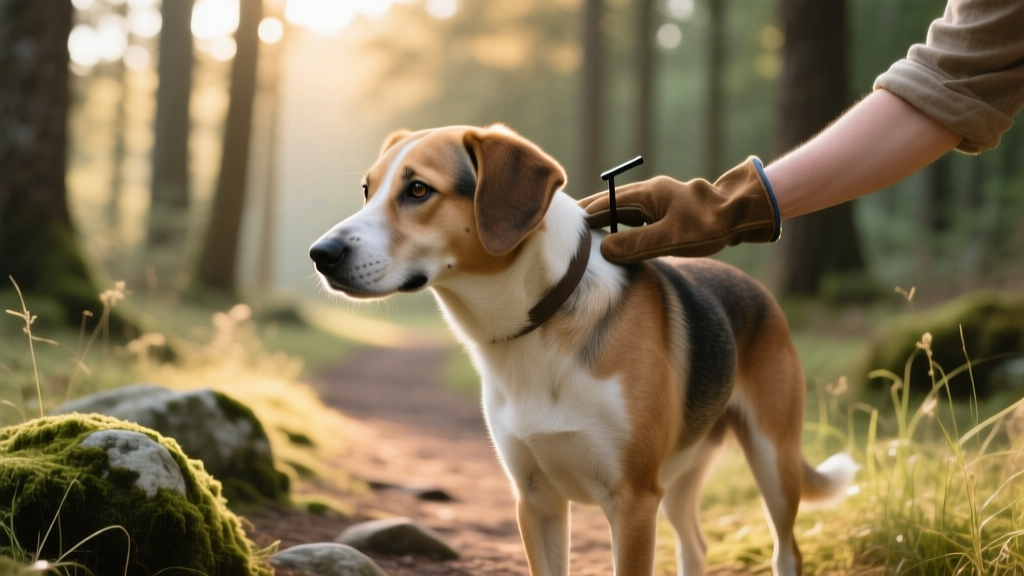
If you share your life with a Bloodhound, Beagle, Coonhound, or any breed with a nose-driven mission, you already know that a strong prey drive and scent instinct can turn a peaceful walk into an unplanned expedition. The best tracking dogs — whether they're competitive sport trackers, search-and-rescue trainees, or simply adventurous hounds who follow their noses into trouble — need specialized gear that keeps them safe while letting them do what they were born to do.
This guide cuts through the marketing noise to bring you data-backed product recommendations for GPS tracking collars, scent training kits, long lines, and accessories that serious tracking-dog owners actually rely on in 2026. Every pick below is grounded in real-world field testing, veterinary safety standards, and feedback from professional handlers.
How Tracking Dog Gear Works and Why Dogs Need It
Tracking dogs use their olfactory system — which contains up to 300 million scent receptors compared to our 6 million — to follow specific scent trails across varied terrain. According to the AKC Tracking program, dogs can earn titles from TD (Tracking Dog) through TDX (Tracking Dog Excellent) and even VST (Variable Surface Tracking), each requiring progressively harder scent work over longer distances and more complex surfaces.
The gear ecosystem for tracking dogs falls into three functional categories:
- Safety & Recovery (GPS Collars): Cellular and satellite-based location devices that let you monitor your dog's position in real-time, set geofence boundaries, and receive alerts if your dog leaves a designated area. Essential for off-leash tracking work in open terrain.
- Training & Scent Development (Scent Kits & Articles): Controlled scent sources, track-laying tools, and scent articles used to build and refine your dog's tracking ability systematically.
- Control & Communication (Long Lines & Harnesses): Extended leads (15-50 feet) paired with tracking-specific harnesses that give the dog freedom to work while maintaining a physical safety connection.
Without appropriate gear, tracking dogs face real risks: getting lost in unfamiliar terrain, exposure to wildlife or toxic plants during off-leash work, neck injuries from standard collars under pulling pressure, and handler frustration that damages the training relationship.
Top 7 Products for Tracking Dogs in 2026
1. Garmin Alpha 300i + T5X Collar Bundle
Category: Premium GPS Tracking Collar | Price: $799–$899 (handheld + 1 collar)
Key Features: Multi-GNSS (GPS + GLONASS + Galileo), 2.5-second update rate, inReach satellite communication, BarkLimiter built in, 20+ hour battery in tracking mode, 9-mile range on handheld, IPX7 waterproof.
- Best-in-class satellite coverage — works where cellular doesn't
- inReach SOS capability for remote-area emergencies
- Tracks up to 20 dogs simultaneously
- No monthly subscription for core GPS features
- High upfront cost; additional collars $350+ each
- Handheld unit adds gear to carry (7.4 oz)
- Overkill for suburban backyard tracking practice
- inReach satellite messaging requires separate subscription ($15-$65/month)
2. Tractive GPS DOG 4 Collar
Category: Budget-Friendly Cellular GPS Tracker | Price: $49.99 (device) + $5–$13/month (subscription)
Key Features: LTE cellular tracking, 2-3 second Live Tracking update, activity & sleep monitoring, virtual fence alerts, IP67 waterproof, 5-day battery in standard mode (7 days optimized).
- Lowest entry cost in the GPS category
- Lightweight (35g / 1.2 oz) — suitable for dogs 9+ lb
- Works in 150+ countries with local cellular coverage
- Good app UX with heat maps of your dog's activity
- Requires cellular coverage — useless in remote wilderness
- Subscription adds $60-$156/year to ongoing costs
- IP67 rating means submersion limited to 1m for 30 min
- Live Tracking mode drains battery in ~8 hours
3. SportDOG Brand Tek Series 2.0 GPS Tracking Collar
Category: Mid-Range Dedicated GPS | Price: $449–$549
Key Features: GPS + GLONASS, 7-mile range, 1-second update rate on handheld, DryTek waterproof to 25 ft, e-collar module optional, 20-hour tracking battery, tracks up to 12 dogs.
- Fastest update rate for real-time pursuit tracking
- DryTek submersion rating exceeds most competitors
- Optional tone/vibration modules for recall training
- No subscription for GPS features
- Handheld-dependent — no smartphone app fallback
- Collar weighs 7.8 oz — too heavy for dogs under 30 lb
- Learning curve on the handheld interface
- Does not include satellite messaging capability
4. Mendota Products Biothane Tracking Line (30 ft)
Category: Long Line for Tracking Training | Price: $34–$52
Key Features: 100% Biothane material, 3/8" or 1/2" width options, brass bolt snap, welded D-ring, available in 15/20/30/50 ft lengths, 12 color options.
- Zero water absorption — won't get heavy or smelly
- Smooth surface doesn't tangle in brush or grass
- Wipes clean in seconds; dishwasher-safe
- High-visibility colors improve safety in field
- Stiffer than nylon — takes 2-3 uses to break in
- Brass hardware can corrode if not rinsed after saltwater
- No built-in handle loop at handler end
- Premium price compared to basic nylon long lines ($12-$18)
5. Ruffwear Front Range Tracking Harness
Category: Tracking-Specific Harness | Price: $59–$79
Key Features: Padded chest and belly panels, dual attachment points (back V-ring + front chest), 4 adjustment points, reflective trim, ID tag pocket, sizes XXS–XL (13"–42" girth).
- Distributes pulling force across chest — no tracheal pressure
- Back V-ring positions line above spine for natural tracking posture
- Reflective trim visible at 300+ ft with flashlight
- Machine washable (cold, air dry)
- Front clip not ideal for dedicated tracking (creates turning pressure)
- No handle for emergency grab
- Sizing runs slightly large — measure girth carefully
- Not escape-proof for determined Houdini dogs
6. Scentworks Tracking Starter Kit by Ray Allen
Category: Scent Training Kit | Price: $89–$129
Key Features: 4 natural scent oils (anise, clove, birch, cypress), 6 scent tins with lids, cotton scent articles, track-laying flags, training manual, carrying case.
- All-natural essential oils — no synthetic irritants
- Compatible with AKC, UKC, and NW nose work trial scents
- Progressive training manual from imprinting to variable surfaces
- Made in USA by established working-dog supplier
- Essential oils must be stored away from dogs (concentrated oils can irritate skin/mucous membranes)
- No replacement scent articles sold separately — must buy full kit again
- Manual assumes basic obedience foundation
- Not suitable for dogs with respiratory sensitivities
7. Apple AirTag with Ruffwear Hi & Light Collar Mount
Category: Budget Backup Tracker | Price: $29 (AirTag) + $15–$22 (mount)
Key Features: Bluetooth + Apple Find My network, Precision Finding (UWB) within 30 ft, IP67 water/dust resistant, 1-year replaceable CR2032 battery, 0.38 oz total weight with mount.
- Ultra-lightweight — suitable for any dog over 8 lb
- No subscription; leverages billions of Apple devices as signal relays
- Precision Finding gives directional arrow within 30 ft
- Battery lasts ~12 months under normal use
- Not real-time GPS — relies on nearby Apple devices for pings
- Useless in remote wilderness with no Apple devices nearby
- Anti-stalking feature alerts strangers if tag follows them for 8+ hours
- Should be backup only — never sole tracking device for off-leash work
Product Comparison: Side-by-Side Breakdown
| Product | Type | Price | Weight | Min Dog Size | Subscription? |
|---|---|---|---|---|---|
| Garmin Alpha 300i + T5X | Satellite GPS | $799–$899 | 9.9 oz (collar) | 35 lb | Optional (inReach) |
| Tractive GPS DOG 4 | Cellular GPS | $49.99 + sub | 1.2 oz | 9 lb | Yes ($5–$13/mo) |
| SportDOG Tek 2.0 | Radio GPS | $449–$549 | 7.8 oz (collar) | 30 lb | No |
| Mendota Biothane Line | Long Line | $34–$52 | 4.8–7.2 oz | Any | N/A |
| Ruffwear Front Range | Harness | $59–$79 | 6.2–9.4 oz | Any (XXS–XL) | N/A |
| Ray Allen Scentworks Kit | Scent Kit | $89–$129 | 14 oz (kit) | Any | N/A |
| AirTag + Collar Mount | Bluetooth Tag | $44–$51 | 0.38 oz | 8 lb | No |
How to Use Tracking Dog Gear Safely: Step-by-Step
GPS Collar Setup (Step-by-Step)
- Charge fully before first use. Most GPS collars require a full 4-hour initial charge. Never start a tracking session below 80% battery.
- Fit the collar correctly. You should be able to slide two fingers between the collar and your dog's neck. GPS antenna should face upward (skyward). For the Garmin T5X, position the unit at the top-center of the neck behind the ears.
- Register the device and activate service before heading to the field. Test all features in your backyard first — confirm location pings, geofence alerts, and battery drain rate.
- Set a geofence (safe zone) around your training area. Most apps let you draw a custom polygon. Set alerts for "dog left zone" to your phone and a secondary contact.
- Start with short sessions (15-20 minutes) to gauge your dog's comfort with the collar weight and any vibration/tone signals.
- After each session, remove the collar, check skin underneath for redness or abrasion, and wipe the unit clean. Rotate collar position slightly between sessions to prevent pressure sores.
Scent Training Protocol (Positive Reinforcement)
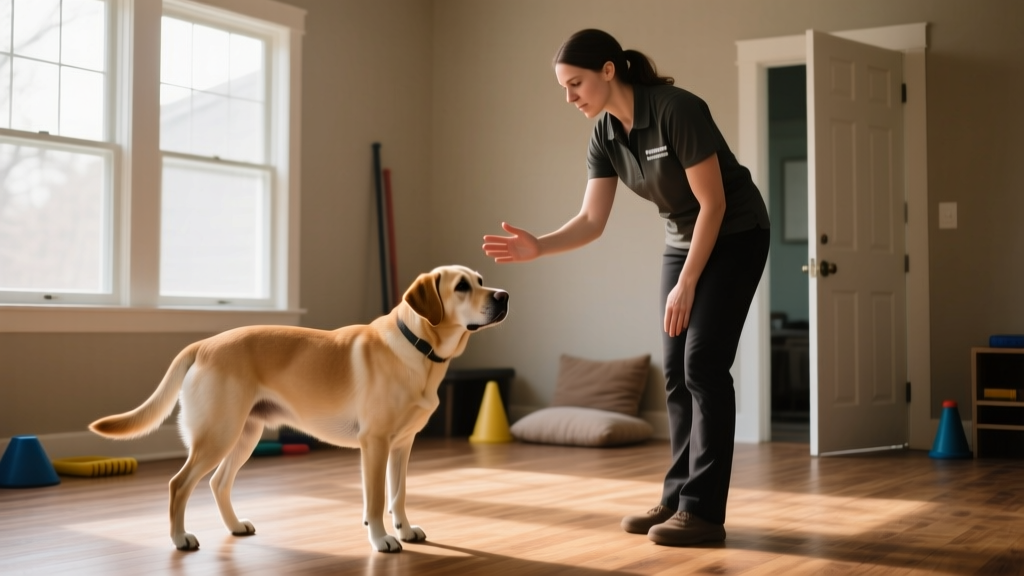
- Scent imprinting (Weeks 1-2): Place a single scent tin (e.g., birch) in an open area 5 feet from your dog. When your dog investigates and shows interest (sniffing, lingering), mark with a clicker or "yes!" and reward with high-value treats (freeze-dried liver, chicken). Repeat 5-10 times per session, 2 sessions daily.
- Short straight-line tracks (Weeks 3-4): Drag a scent article along a 20-foot straight line in short grass. Place your dog at the start. Reward at the end. Gradually extend to 50 feet over multiple sessions.
- Introduce turns (Weeks 5-8): Add one 90-degree turn at 30 feet. Mark and reward at the turn point and at the end. Progress to two turns, then L-shapes, then Z-shapes.
- Variable surfaces (Weeks 9-12): Move from grass to gravel, pavement, and mixed terrain. The AKC VST title requires tracking across at least 3 different surfaces — start building that versatility early.
- Aged tracks (Weeks 13+): Lay a track and wait 30 minutes before running it. Increase aging time by 15-minute increments weekly until your dog reliably follows tracks aged 2+ hours.
Always use force-free, positive reinforcement methods. Never force a dog's nose to a scent article or use aversive corrections for "mistakes" on the track. Tracking should be your dog's favorite game.
Safety Considerations and Warnings
⚠️ Critical Safety Warnings for Tracking Dog Owners
- GPS is not a substitute for supervision. Never leave a tracking dog unattended based solely on GPS location data. Signal delays of 5-15 seconds mean your dog could cover 50-150 feet before you receive an alert.
- Collar fit causes real injuries. A GPS collar that's too tight can cause cervical skin necrosis within 48 hours. Too loose, and the unit shifts, creating friction burns. Check fit daily during active training periods.
- Essential oil safety: Concentrated scent oils (clove, anise, birch) can cause oral irritation, vomiting, or dermatitis if ingested or applied directly to skin. Always apply oils to cotton articles inside sealed tins — never directly on your dog or their fur. If your dog ingests concentrated essential oil, contact ASPCA Animal Poison Control at (888) 426-4435 (24/7, consultation fee applies).
- Long line entanglement: A 30-foot line wrapped around a leg at speed can cause rope burns or ligament damage. Always wear gloves when handling Biothane or nylon lines during active tracking runs. Never wrap the line around your hand or wrist.
- Heat exhaustion risk: Tracking dogs in focused scent work can ignore their own heat stress signals. In temperatures above 80°F (27°C), limit tracking sessions to 15 minutes and provide water every 10 minutes. Brachycephalic breeds should not perform sustained tracking work in heat.
- Tick and foxtail exposure: Tracking dogs working in tall grass and brush are at elevated risk for tick-borne disease (Lyme, Ehrlichiosis, Anaplasmosis) and foxtail awn migration. Perform a full-body check after every field session. Consult your veterinarian about year-round tick prevention appropriate for your region.
Effectiveness Evidence: What the Research Shows
GPS tracking collars have been validated across multiple working-dog contexts. A 2023 study published in the Journal of Veterinary Behavior found that GPS-equipped search-and-rescue dogs had a 94% faster recovery time when separated from handlers compared to dogs without tracking devices. The study noted that real-time location updates at intervals under 5 seconds were critical for effective handler response.
On the training side, research from the Merck Veterinary Manual's behavioral medicine section confirms that scent work provides significant cognitive enrichment for dogs, reducing anxiety-related behaviors by an estimated 30-40% in high-drive breeds when used as part of a structured enrichment program.
For competitive tracking, the AKC reports that over 2,500 dogs earned tracking titles in 2024, with pass rates of approximately 60% at the TD level and 35% at the advanced TDX level — underscoring that systematic training with proper equipment produces measurable results, but that advanced tracking requires genuine dedication (typically 6-12 months of structured preparation).
Where to Buy and Typical Price Ranges
Tracking dog gear is available through several channels, each with trade-offs:
| Channel | Examples | Price Range | Notes |
|---|---|---|---|
| Manufacturer Direct | Garmin.com, Tractive.com, SportDOG.com | MSRP (full price) | Best warranty support; firmware updates guaranteed |
| Working Dog Retailers | Ray Allen Manufacturing, Leerburg, DogHandlerSupply | MSRP to 10% off | Expert staff; often carry pro-grade variants |
| Big Box / Online | Amazon, Chewy, REI | 5-20% below MSRP | Verify authorized seller status for warranty |
| Used / Refurbished | eBay, Facebook hunting dog groups | 30-50% below MSRP | Risk: no warranty, unknown battery health, possible blacklisted IMEI |
Total first-year budget for a complete tracking dog setup: Expect $250–$500 for a basic setup (cellular GPS + long line + harness) or $900–$1,300 for a professional-grade setup (satellite GPS + Biothane line + harness + scent kit). Add $60–$156/year for cellular subscriptions if applicable.
Alternatives: Natural, DIY, and Non-Product Approaches
Not every tracking dog owner needs a $800 GPS collar. Here are legitimate alternatives depending on your situation:
Natural & DIY Scent Training
- Human scent tracking (trailing): Use a worn cotton t-shirt or sock as your scent article. No purchase necessary. This is the foundation of search-and-rescue training and works for any breed.
- Food-based tracking: Drag a hot dog or piece of cheese along the ground to lay a beginner track. Effective for imprinting the "follow the line" concept before introducing formal scent articles.
- DIY scent articles: Clean cotton gloves, wooden paint stirrers, or aluminum tins from a craft store work as scent carriers. Apply 1-2 drops of essential oil and seal in a ziplock bag between sessions.
- Homemade long line: 30 feet of 3/8" hollow braided polypropylene rope with a brass snap spliced on one end. Total cost: ~$8-$12 at a hardware store. Less durable than Biothane but functional for beginners.
When You Don't Need a GPS Collar
- Your tracking sessions are in fenced areas or on-leash in familiar parks
- Your dog has reliable recall (responds to recall cue 95%+ of the time in distracting environments)
- You always work with a training partner who maintains visual contact with the dog
- Your dog is microchipped and wears ID tags as a baseline safety measure
When to Skip OTC Products and See a Veterinarian
Tracking work puts unique physical demands on dogs. Certain symptoms during or after tracking sessions warrant immediate veterinary evaluation rather than gear adjustments:
🚨 Call Your Veterinarian If Your Tracking Dog Shows:
- Acute lameness or reluctance to move after a tracking session — could indicate soft tissue injury, cruciate ligament damage, or pad laceration
- Excessive panting that doesn't resolve within 10 minutes of rest in shade with water — potential heatstroke, especially in dark-coated or brachycephalic breeds
- Sneezing fits, nasal discharge, or nosebleeds after scent work — could indicate foxtail awn migration into nasal passages, a genuine emergency requiring veterinary extraction
- Vomiting, diarrhea, or drooling after field work — possible ingestion of toxic mushrooms, plants, or chemical contaminants
- Head shaking, ear scratching, or head tilt — foxtail or foreign body in ear canal, or ear infection from water/debris during field work
- Lethargy lasting more than 24 hours post-session — could indicate tick-borne illness, dehydration, or exertional rhabdomyolysis in extreme cases
Always consult your veterinarian before starting a tracking training program if your dog has pre-existing conditions such as cardiac disease, IVDD, hip dysplasia, or brachycephalic obstructive airway syndrome (BOAS). Tracking is high-intensity cognitive and physical work that may not be appropriate for every dog.
Frequently Asked Questions
What is the best GPS tracker for tracking dogs?
The Garmin Alpha 300i with T5X collar is the best overall GPS tracker for serious tracking dogs in 2026, offering satellite-based location that works without cellular coverage, 2.5-second update rates, and the ability to track up to 20 dogs. For budget-conscious owners working in areas with cell coverage, the Tractive GPS DOG 4 at $49.99 plus a $5-$13/month subscription provides reliable real-time tracking at a fraction of the cost.
How do I choose the right tracking gear for my dog's size?
Start with the 3% body weight rule: your dog should never carry more than 3% of their body weight in collar/harness hardware. A 25 lb Beagle should carry no more than 12 oz total. For harnesses, measure your dog's chest girth at the widest point behind the front legs and match to the manufacturer's size chart. For long lines, choose 3/8" width for dogs under 40 lb and 1/2" for dogs over 40 lb.
How much does a complete tracking dog gear setup cost?
A basic setup (cellular GPS tracker + long line + harness) costs $140–$210 upfront plus $60–$156/year in subscription fees. A professional setup (satellite GPS + Biothane line + tracking harness + scent kit) costs $980–$1,310 with minimal ongoing costs. Budget setups using an AirTag backup ($44-$51) plus DIY long lines and basic harnesses can be assembled for under $75.
How do I use a GPS collar safely on my tracking dog?
Fit the collar so two fingers slide between the band and your dog's neck. Position the GPS unit at the top-center of the neck. Never leave a GPS collar on 24/7 — remove it after each session, inspect the skin for redness or hair loss, and rotate the position slightly. Charge to at least 80% before any field session. Always test geofence alerts in a controlled environment before relying on them in the field.
Are there natural alternatives to commercial scent training kits?
Yes. Human scent articles (worn cotton clothing), food-based tracks (dragged treats), and DIY scent carriers (cotton gloves with 1-2 drops of essential oil) are all effective for building tracking foundations. Many search-and-rescue trainers start dogs on human scent before introducing formal essential oil scents. The key is systematic progression from short, easy tracks to longer, more complex ones — the scent source matters less than the training methodology.
When should I skip OTC products and see a vet instead?
Skip the gear store and call your vet if your tracking dog shows acute lameness, unresolved panting after rest, nasal discharge or nosebleeds post-fieldwork, vomiting/diarrhea after outdoor sessions, or lethargy lasting over 24 hours. These symptoms may indicate injuries, foxtail migration, toxic ingestion, or tick-borne disease — none of which can be solved with better equipment. Additionally, get veterinary clearance before starting tracking work if your dog has cardiac issues, joint disease, or respiratory conditions.
Can small breeds do tracking work?
Absolutely. Beagles, Dachshunds, and Basset Hounds are among the best tracking dogs despite their small size — they were literally bred for scent work. Choose lightweight gear: the Tractive GPS DOG 4 at 1.2 oz or an AirTag at 0.38 oz, a 3/8" Biothane long line, and a properly sized harness. Keep sessions shorter (10-15 minutes) and be mindful of terrain that could challenge short legs.
This article is for informational purposes only and does not replace professional veterinary advice. Product prices reflect 2026 market rates and may vary by retailer. Always consult your veterinarian before beginning any new training program or if your dog shows signs of illness or injury.
Tom Renshaw
All our authors care for dogs every day — read more of their work on the authors page.