Best Security Dogs: Top Breeds & Essential Gear Guide (2026)
Discover the best security dogs for home protection in 2026, including top breeds, training essentials, recommended gear, costs, and safety guidelines.

What Makes the Best Security Dogs?
When people search for the best security dogs, they're usually looking for two things: a breed with natural protective instincts and the right gear to support safe, humane handling. A true security dog is not an aggressive dog — it's a well-socialized, confident animal trained to alert, deter, and, in professional contexts, protect on command.
According to the American Kennel Club, a good protection dog is "confident, courageous, and controllable." The distinction matters enormously. A dog that bites out of fear or poor training is a liability, not an asset. The best security dogs are bred for stable temperament, trained using positive reinforcement methods, and managed with appropriate equipment.
This guide covers the top breeds suited for security work, the essential gear every protection-dog handler needs, realistic costs, and when professional training is non-negotiable.
Top Breeds Considered the Best Security Dogs
Not every large dog is a security dog. The best security dog breeds share specific traits: loyalty, trainability, natural alertness, physical presence, and — critically — an off-switch. Here are the top contenders based on breed standards, temperament testing data, and working-line performance records.
| Breed | Weight (lb/kg) | Temperament | Training Level Required | Bite Force (PSI) |
|---|---|---|---|---|
| German Shepherd | 50–90 lb / 23–41 kg | Loyal, intelligent, versatile | Intermediate–Advanced | 238 |
| Rottweiler | 80–135 lb / 36–61 kg | Confident, calm, courageous | Advanced | 328 |
| Doberman Pinscher | 60–100 lb / 27–45 kg | Alert, fearless, loyal | Intermediate–Advanced | 245 |
| Belgian Malinois | 40–80 lb / 18–36 kg | Driven, intense, athletic | Expert only | 195 |
| Cane Corso | 88–110 lb / 40–50 kg | Protective, stable, affectionate | Advanced | 700 |
| Giant Schnauzer | 55–85 lb / 25–39 kg | Alert, trainable, territorial | Intermediate | 210 |
Important note on breed-specific legislation (BSL): Several of these breeds — particularly Rottweilers, Cane Corsos, and Dobermans — are restricted or banned in certain municipalities. Check your local ordinances, HOA rules, and homeowner's insurance policy before committing to a breed. Laws vary significantly by jurisdiction.
Essential Gear for Security Dogs: Top Picks
A security dog without proper equipment is like a police officer without a radio. The right gear ensures control, safety, and clear communication between handler and dog. Below are the top-rated products across key categories, based on professional handler recommendations and durability testing.
1. Julius-K9 IDC Powerharness — Best Overall Security Harness
Price: $130–$180 depending on size
Key Features: Interchangeable Velcro patches ("SECURITY," "K9," custom), steel D-ring rated to 700 lb, chest strap positioned below the ribcage to avoid choking, reflective edging, handle for close control.
- Used by European police and military K9 units
- Does not restrict shoulder movement
- Patch system allows clear identification
- Available in 8 sizes (Baby 1 to Size 3)
- Expensive compared to standard harnesses
- Counterfeit versions common — buy only from authorized dealers
- No front clip (not ideal for leash-reactive dogs in training)
2. Ray Allen K9 Storm Collar — Best Heavy-Duty Collar
Price: $55–$75
Key Features: 1.5" wide BioThane material, V-ring attachment point, waterproof and odor-proof, tensile strength rated to 1,200 lb, stainless steel hardware.
- BioThane outlasts leather in wet/muddy conditions
- Easy to clean with soap and water
- Comfortable for 24/7 wear
- Made in the USA by a company supplying working-dog handlers
- Limited color options (black, orange, neon green)
- No quick-release buckle (belt-style clasp)
- Not suitable for dogs under 50 lb
3. Herm Sprenger Ultra-Plus Prong Collar — Situational Use Only
Safety Warning: Prong collars are controversial and should only be used under direct guidance of a certified professional dog trainer (CPDT-KA or equivalent). They are not recommended for daily use or novice handlers. Force-free training methods should always be attempted first.
Price: $35–$55
Key Features: Chrome-plated steel, center plate for even pressure distribution, safety rubber tips available, quick-release chain option.
- Clear communication for high-drive dogs
- Durable German engineering
- Widely used in competitive protection sports (Schutzhund/IGP)
- Risk of neck injury if misused
- Banned in several countries
- Can increase aggression in fear-based dogs
- Not suitable for positive-reinforcement-only households
4. Mendota Products Large Slip Lead — Best Training Lead
Price: $22–$35
Key Features: 6 ft length, 1/2" diameter braided multifilament polypropylene, integrated collar-and-lead design, oil-tanned leather stopper, available in 12 colors.
- Used by AKC field trial handlers and rescue organizations
- Softens with use without losing strength
- Machine washable
- Quick on/off for kennel transitions
- No hands-free option
- Not ideal for dogs that pull heavily (no padding)
- Leather stopper can crack over years of heavy use
5. Ray Allen K9 Bite Suit (Full) — Professional Protection Training
Price: $800–$1,400 (full suit)
Key Features: Jute or French linen exterior, internal padding rated for high-drive bites, articulated joints for mobility, modular components (sleeve, leg, chest sold separately).
- Industry standard for protection sport and police K9 training
- Protects handler from serious bite injury
- Teaches dogs proper bite targeting
- Extremely expensive
- Requires certified decoy/handler training
- Heavy (15–25 lb) and hot in warm weather
- Not needed for pet-level alert training
6. Fi Series 3 GPS Tracking Collar — Best Security Dog Tracker
Price: $149 collar + $99/year subscription (2026 pricing)
Key Features: LTE-M GPS tracking, 3-month battery life, escape alerts, safe-zone geofencing, LED light ring, waterproof (IP68), activity monitoring.
- Real-time location if dog escapes or is stolen
- Longest battery life in GPS collar category
- Alerts you if dog leaves property perimeter
- Lightweight (fits dogs 8+ lb)
- Requires annual subscription
- GPS accuracy varies in dense urban areas
- Collar band not rated for high-drive pulling
7. KONG Extreme — Best Durability Toy for Power Chewers
Price: $15–$25 (Size XL/XXL)
Key Features: Black rubber formula (strongest KONG variant), unpredictable bounce for mental stimulation, stuffable with treats/paste, dishwasher safe.
- Withstands powerful jaws of Rottweilers, Malinois, and Corsos
- Reduces destructive chewing behavior
- Mental enrichment for high-drive breeds
- Some dogs destroy even the Extreme version
- Heavy rubber smell when new
- Not a chew toy for unsupervised use (inspect regularly)
Product Comparison: Security Dog Gear at a Glance
| Product | Category | Price Range | Best For | Durability | Beginner Friendly |
|---|---|---|---|---|---|
| Julius-K9 IDC Powerharness | Harness | $130–$180 | Daily control & ID | ★★★★★ | Yes |
| Ray Allen K9 Storm Collar | Collar | $55–$75 | Working dogs, all-weather | ★★★★★ | Yes |
| Herm Sprenger Ultra-Plus | Training collar | $35–$55 | Professional-directed use | ★★★★☆ | No |
| Mendota Large Slip Lead | Lead | $22–$35 | Training sessions, transitions | ★★★★☆ | Yes |
| Ray Allen Bite Suit | Bite training | $800–$1,400 | Professional protection training | ★★★★★ | No |
| Fi Series 3 GPS Collar | GPS tracker | $149 + $99/yr | Escape/theft prevention | ★★★★☆ | Yes |
| KONG Extreme (XL/XXL) | Enrichment toy | $15–$25 | Mental stimulation, chew outlet | ★★★★☆ | Yes |
How to Choose the Right Security Dog and Gear
Selecting a security dog is a 10–15 year commitment, not an impulse purchase. Here's a decision framework:
- Assess your actual need. Do you need a deterrent (large breed + visible presence), an alert dog (barks at strangers), or a trained protection dog (responds to threats on command)? Most households need only the first two.
- Evaluate your experience level. First-time owners should avoid Belgian Malinois and working-line German Shepherds. Giant Schnauzers and well-bred Dobermans from show lines are more manageable.
- Budget realistically. A well-bred security dog puppy from a health-tested working-line breeder costs $2,500–$5,000. Professionally trained protection dogs (turnkey) range from $15,000 to $65,000+.
- Factor in ongoing costs. Large-breed food ($80–$150/month), training ($100–$300/session), veterinary care ($800–$1,500/year), and liability insurance (some insurers surcharge $200–$500/year for certain breeds).
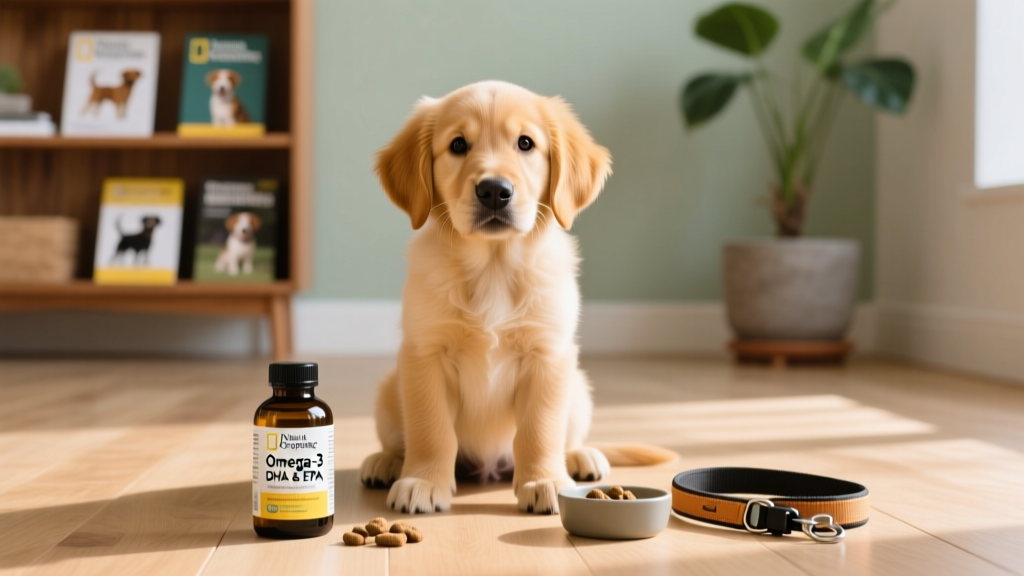
- Match gear to training stage. A puppy needs a basic flat collar and 6-ft lead. A dog entering protection training needs a harness, long line, and eventually a bite sleeve.
⚠️ Safety Considerations & Warnings
- Never train a dog to bite without professional supervision. Improperly trained protection dogs are the #1 cause of dog-bite lawsuits in the US, with average settlements exceeding $50,000.
- Socialization is non-negotiable. A security dog that hasn't been exposed to children, strangers, other animals, and novel environments by 16 weeks of age is a danger, not a defender.
- Check your homeowner's insurance. Many policies exclude coverage for incidents involving breeds on their restricted lists (commonly: Pit Bull types, Rottweilers, Akitas, Wolf hybrids). Some insurers require canine liability endorsements.
- Secure your property. A 6-ft privacy fence minimum for most security breeds. Electronic/invisible fences are inadequate — they don't prevent intruders from entering and can increase territorial aggression.
- Supervise all interactions with children. No security dog, regardless of training, should be left unsupervised with children under 12.
How to Use Security Dog Gear Correctly
Even the best equipment fails when used improperly. Follow these guidelines for the most common gear types:
Harness Fitting (Julius-K9 IDC Style)
- Measure your dog's chest girth at the widest point behind the front legs.
- Select size based on the manufacturer's chart — when between sizes, size up for deep-chested breeds.
- The chest strap should sit 2–3 fingers below the armpit, not on the shoulder joint.
- The back strap should be snug but allow flat-hand insertion between strap and body.
- Test: lift the top handle gently. The harness should not ride up toward the neck or twist.
Slip Lead Technique
- Form the loop by passing the snap end through the O-ring.
- The lead should form a "P" shape when held in your right hand (loop opening toward you).
- Slide over the dog's head, positioning high on the neck just behind the ears for maximum control.
- Never leave a slip lead on an unattended dog — it can tighten and cause strangulation.
- Release tension immediately when the dog complies. Constant pressure teaches the dog to pull against it.
GPS Tracker Setup
- Charge the Fi collar fully before first use (2 hours).
- Set your home address as the primary safe zone with a 100–300 ft radius.
- Enable escape alerts to receive push notifications within 60 seconds of boundary breach.
- Test the tracker in your yard before relying on it — verify GPS signal strength.
- Attach the GPS collar separately from the working collar/training collar as a backup layer.
Training Alternatives and Professional Support
Not everyone needs a fully trained protection dog. Here are alternatives that provide security benefits with lower risk and cost:
Alert Training (Natural Alternative to Bite Training)
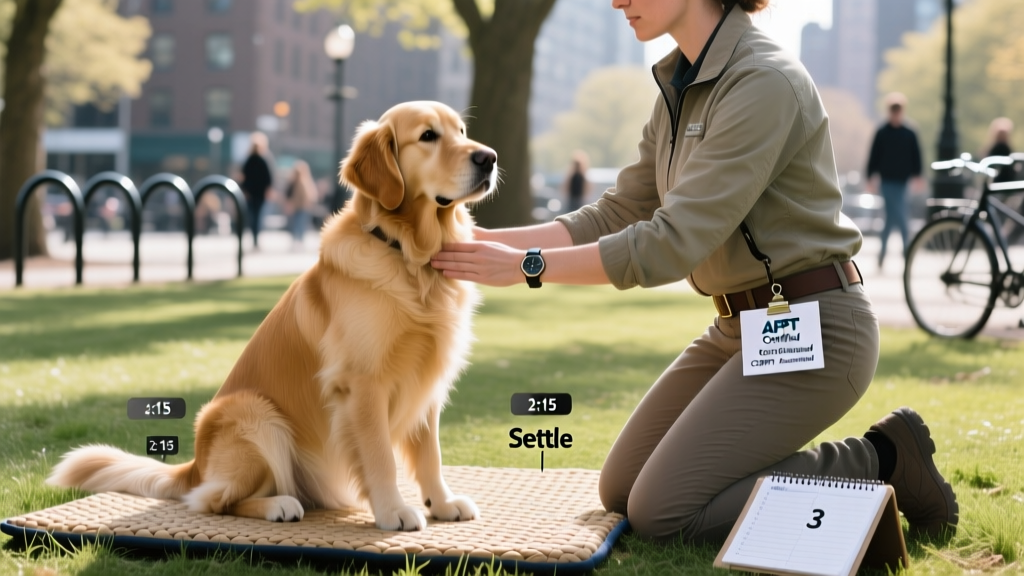
Most security breeds will naturally alert-bark at unusual sounds or approaching strangers. You can reinforce this behavior using positive reinforcement:
- Teach a "speak" command paired with a reward.
- Teach a "quiet" command to stop barking on cue — this is critical.
- Practice with controlled scenarios (friend approaching the door, delivery driver, etc.).
- Reward calm assessment, not frantic barking.
Environmental Deterrents (DIY/Non-Dog Alternatives)
- Motion-activated floodlights: $30–$80, effective for perimeter security without a dog.
- Security camera systems with two-way audio: $200–$600, allows you to assess and respond remotely.
- "Beware of Dog" signage: $10–$20, studies show this alone deters many opportunistic intruders.
- Smart doorbell cameras: $100–$250, provides visual record and real-time alerts.
When to Skip DIY and See a Professional Trainer
Consult a certified professional dog trainer (CPDT-KA, IAABC, or equivalent) or veterinary behaviorist if your dog displays:
- Unprovoked aggression toward family members
- Resource guarding that escalates to biting
- Fear-based reactivity that doesn't improve with counter-conditioning
- Inability to redirect from a trigger (tunnel vision, not responding to name)
- Bite incidents that break skin
A veterinary behaviorist (DACVB) can also assess whether underlying medical conditions — thyroid dysfunction, pain, neurological issues — are contributing to behavioral changes. Always consult your veterinarian before starting any protection training program to rule out health-related aggression triggers.
Costs: What to Budget for a Security Dog
| Expense Category | Low Estimate | Mid Estimate | High Estimate |
|---|---|---|---|
| Puppy (health-tested breeder) | $2,000 | $3,500 | $5,000 |
| Pre-trained protection dog | $15,000 | $30,000 | $65,000+ |
| Basic gear starter kit | $150 | $300 | $500 |
| Annual food (large breed) | $960 | $1,200 | $1,800 |
| Professional training (first year) | $1,200 | $3,600 | $8,000 |
| Veterinary care (annual) | $800 | $1,200 | $2,000 |
| Liability insurance surcharge | $0 | $250 | $500 |
| First-year total (puppy route) | $5,110 | $10,050 | $17,800 |
Where to Buy Security Dog Gear
- Ray Allen Manufacturing (rayallen.com) — Direct from manufacturer. Industry-standard working dog equipment. Ships within 3–5 business days.
- Julius-K9 Official Store (julius-k9.com) — Buy direct to avoid counterfeits. Ships from Hungary, 7–14 day delivery to US.
- Chewy / Amazon — Mendota leads, KONG toys, and basic harnesses. Watch for third-party sellers on Amazon selling counterfeit Julius-K9 products.
- Fi (fi.com) — GPS collars sold direct only. Includes 30-day trial period.
- Local tactical/outdoor retailers — Some carry basic working-dog gear, but selection is limited compared to online specialists.
Frequently Asked Questions
What is the best security dog breed for a family with children?
The Giant Schnauzer and well-bred show-line Doberman Pinscher tend to be the most family-compatible security breeds. They have strong protective instincts but generally stable temperaments around children when properly socialized. German Shepherds from show lines (not high-drive working lines) can also be excellent family guardians. Always supervise interactions and teach children respectful dog handling.
How do I choose the right security dog gear for my breed?
Match gear to your dog's size, neck circumference, and training stage. A 100-lb Rottweiler needs a harness rated for 500+ lb of force and a collar at least 1.5" wide. A 60-lb Doberman can use standard working-dog gear. Always measure before ordering — breed averages are just starting points.
How much does a trained security dog cost?
A puppy from health-tested parents costs $2,000–$5,000. A fully trained personal protection dog from a reputable trainer ranges from $15,000 to $65,000+, depending on training level, breed, and whether the dog is trained for home defense, executive protection, or property patrol. Ongoing annual costs (food, vet, training maintenance) run $3,000–$5,000.
How do I use a security dog harness safely?
Fit the harness so the chest strap sits below the ribcage, not on the shoulder blades. Check that you can fit two fingers between any strap and the dog's body. Inspect stitching and hardware monthly. Never tie a dog out unattended on a harness — use a secure kennel or tether point rated for the dog's weight.
Are there natural alternatives to protection training?
Yes. Alert training (teaching "speak" and "quiet" commands) leverages a dog's natural barking instinct without teaching bite work. Environmental security (cameras, lighting, fencing) combined with a large, visible breed provides most of the deterrent effect without the liability of a trained bite dog. Many security professionals note that the presence of a large dog deters 80%+ of opportunistic burglars, regardless of training level.
When should I see a vet or professional trainer instead of handling things myself?
See a veterinary behaviorist if your dog shows sudden aggression changes (possible pain or illness), bites that break skin, or fear responses that don't improve with basic counter-conditioning. See a professional trainer before starting any protection sport or bite training. The AVMA's dog bite prevention resources are a good starting point for understanding risk factors.
Can I adopt a security dog from a rescue?
Yes, but with caveats. Adult rescue dogs of security breeds often have unknown histories, which makes temperament assessment critical. Work with a rescue that performs formal temperament testing (SAFER or Match-Up II assessments). Expect to invest 6–12 months of professional training before relying on a rescue dog for any security function. Adoption fees typically range from $200–$600 — a fraction of breeder costs, but training expenses will equalize the investment.
This article is for informational purposes and does not replace professional veterinary or behavioral consultation. Always consult your veterinarian regarding your dog's health, and work with certified professionals for protection training. For breed-specific legislation questions, contact your local animal control office or municipal clerk.
Anouk Beaumont
All our authors care for dogs every day — read more of their work on the authors page.