Best Non Pull Dog Harness: 2026 Guide to Stop Leash Pulling Safely
Find the best non pull dog harness for your dog. Compare 7 top-rated no-pull harnesses with pricing, sizing tips, safety warnings, and vet-backed training advice.

Why a Non Pull Dog Harness Works Better Than a Collar
When a dog pulls on a flat collar, all the force concentrates on the trachea and cervical vertebrae. A 50 lb dog pulling at full strength generates roughly 30-40 lbs of pressure directly on the windpipe. Over time, this contributes to tracheal collapse — a condition particularly common in small breeds but seen across all sizes. A well-designed non pull dog harness redistributes that force across the sternum and ribcage, where the skeletal structure can handle it.
No-pull harnesses work through two primary mechanisms:
- Front-clip redirect: The leash attaches to a D-ring on the chest. When the dog pulls forward, the attachment point pivots the dog's body back toward the handler. This interrupts forward momentum without pain or choking.
- Dual-clip systems: Both front and back attachment points allow you to use a double-ended leash for steering control, similar to how guide dogs are handled.
The Merck Veterinary Manual notes that aversive tools like choke chains and prong collars can cause physical injury and increased aggression. Front-clip harnesses, combined with positive reinforcement training, represent the current veterinary-recommended standard for managing leash pulling.
Buying Criteria: What Actually Matters in a No-Pull Harness
7 Best Non Pull Dog Harnesses Compared (2026)
I've evaluated these harnesses across fit quality, durability under sustained pulling, ease of use, and suitability for different body types. Prices reflect typical retail as of early 2026.
1. Rabbitgoo No-Pull Dog Harness
Price: $22–$28 depending on size | Best for: Budget-conscious owners with medium-energy dogs
Key features: Front and back D-rings, 4 adjustment points, reflective strips, breathable Oxford fabric with soft sponge padding.
- Excellent value — performs close to premium options at 1/3 the price
- Wide size range (S through XL, fitting 14"–42" chest)
- Front clip effectively redirects most moderate pullers
- Lightweight at roughly 6 oz for medium size
- Padding compresses over 6–8 months of daily use
- Not ideal for powerful pullers over 70 lb — stitching at the front D-ring can weaken
- Buckle quality inconsistent across production batches
2. Ruffwear Front Range Harness
Price: $44–$50 | Best for: Active dogs that hike, trail run, or need all-day comfort
Key features: Foam-padded chest and belly panels, front and back leash attachment, ID pocket, 4-point adjustment, reflective trim.
- Superior padding — dogs can wear this for 4+ hour outings without chafing
- Durable construction holds up to 2–3 years of regular use
- Low-profile design doesn't interfere with backpacks or life jackets
- Available in 5 sizes covering 13"–42" chest girth
- Front D-ring is fabric-reinforced rather than metal-on-webbing — strong pullers over 80 lb may stress it
- Higher price point for a primarily recreational harness
- Runs slightly small — measure carefully before ordering
3. Freedom No-Pull Harness (2 Hounds Design)
Price: $34–$40 (harness only); $40–$48 with training leash | Best for: Serious pullers and training-focused owners
Key features: Patented martingale loop on back that tightens gently when the dog pulls, front and back clips, velvet-lined chest strap, compatible with included double-ended leash.
- Dual-action design — front clip redirects while back martingale applies gentle, even pressure
- Specifically engineered for powerful pullers; rated for dogs up to 250 lb
- Made in the USA with industrial-grade nylon and stainless steel hardware
- Wide chest strap sits below the throat, eliminating tracheal pressure entirely
- Martingale tightening sensation takes some dogs 3–5 walks to acclimate to
- Fewer color/pattern options than competitors
- Sizing can be confusing — the company recommends their specific measuring protocol
4. Kurgo Tru Fit Smart Harness
Price: $32–$42 | Best for: Dogs that ride in cars frequently (crash-tested to 75 lb)
Key features: 5 adjustment points, steel nesting buckles, front and back D-rings, padded chest plate, doubles as a car restraint with included carabiner.
- Only no-pull harness in this price range that's crash-tested for vehicle use
- Steel buckles outlast plastic alternatives by a significant margin
- 5 adjustment points accommodate unusual body shapes (deep-chested or long-bodied dogs)
- Lifetime warranty against manufacturing defects
- Heavier than competitors — roughly 10 oz for medium, which some small dogs notice
- Car tether attachment is a single carabiner, not a full seatbelt integration
- Front clip sits slightly higher than ideal on some barrel-chested breeds
5. Blue-9 Balance Harness
Price: $52–$62 | Best for: Dogs with hard-to-fit body types and professional trainer recommendations
Key features: 6 independent adjustment points, Y-shaped front that fully clears the shoulder joint, buckle at the neck (no overhead step-in), front and back clips.
- Most adjustable harness available — 6 points let you dial in fit for virtually any body type
- Y-front design preserves full shoulder range of motion; recommended by canine physical therapists
- Neck buckle eliminates the struggle of pulling harness over the head
- Used by many certified professional dog trainers (CPDTs) as their go-to recommendation
- Premium price reflects professional-grade construction
- Six adjustment points mean a longer initial fitting process (10–15 minutes first time)
- Limited retail availability — primarily sold direct or through specialty shops
6. PetSafe 3-in-1 Harness
Price: $18–$26 | Best for: First-time owners wanting a simple, affordable starter option
Key features: Front and back clips, martingale loop on back, 4 adjustment points, reflective stitching, includes 2-foot training leash.
- Lowest price point with both front clip and martingale back loop
- Included training leash clips to both front and back simultaneously
- Lightweight and easy to pack for travel
- Widely available at big-box pet stores for immediate pickup
- Padding is minimal — not comfortable for all-day or long-distance wear
- Plastic buckles show wear within 12–18 months of daily use
- Front D-ring attachment point is sewn rather than riveted — may not withstand heavy pullers over 60 lb
7. Julius-K9 IDC Powerharness (with Front Chest Strap Add-On)
Price: $55–$75 (harness); $12–$18 (front chest strap accessory) | Best for: Large, powerful working breeds
Key features: Professional-grade construction used by police and service dog handlers, chest strap add-on converts standard back-clip to front-clip, heavy-duty steel buckles, reflective elements, handle on top.
- Bombproof construction — designed for working dogs in demanding conditions
- Handle is reinforced for full body-weight control of large dogs
- Modular system allows patch attachments, LED lights, and accessory customization
- Excellent for dogs over 80 lb that destroy lighter harnesses
- Front-clip capability requires separate chest strap purchase — not included by default
- Standard harness sits higher on the body than Y-front designs, which can restrict shoulder movement if not sized correctly
- Heaviest harness in this roundup — over 1 lb for larger sizes
Side-by-Side Comparison Table
| Harness | Price Range | Front Clip | Adjustment Points | Max Weight Rating | Best Use Case |
|---|---|---|---|---|---|
| Rabbitgoo No-Pull | $22–$28 | Yes | 4 | ~70 lb | Budget, moderate pullers |
| Ruffwear Front Range | $44–$50 | Yes | 4 | ~85 lb | Active/hiking dogs |
| Freedom No-Pull | $34–$48 | Yes | 4 | 250 lb | Powerful pullers, training |
| Kurgo Tru Fit | $32–$42 | Yes | 5 | 75 lb (crash) | Car travel + walking |
| Blue-9 Balance | $52–$62 | Yes | 6 | ~100 lb | Hard-to-fit body types |
| PetSafe 3-in-1 | $18–$26 | Yes | 4 | ~60 lb | Beginner/budget starter |
| Julius-K9 IDC | $67–$93 | Add-on | 3 | 150+ lb | Large working breeds |
How to Fit and Use a Non Pull Dog Harness Correctly
Even the best non pull dog harness fails if it's poorly fitted. Here's the step-by-step process I recommend to every client:
- Measure chest girth: Wrap a soft tape measure around the widest part of the ribcage, just behind the front legs. Record this number in inches. If you're between sizes, go up — a harness that's too tight causes chafing faster than one slightly loose.
- Measure neck base: For harnesses with a neck strap (most Y-front designs), measure where the neck meets the shoulders, not where a collar sits.
- Put on the harness: For step-in designs, have the dog step through the leg loops, then pull up and buckle. For overhead designs, slip the neck opening over the head, then guide each front leg through. Buckle the girth strap(s) on the side.
- Two-finger test: You should be able to slide two fingers flat under every strap. If you can fit your whole hand underneath, it's too loose. If you can't fit two fingers, it's too tight.
- Check shoulder clearance: Run your hand along the front of the harness near the armpit. The harness should not press against the shoulder joint or the scapula (shoulder blade). Your dog's full stride should be unrestricted.
- Attach the leash to the FRONT D-ring: For no-pull function, the leash must clip to the chest ring. The back ring is for car tethers, long lines, or casual walks when pulling isn't an issue.
- First walk — let the dog adjust: Expect 5–10 minutes of the dog noticing the harness and possibly trying to chew at the chest strap. Use treats to redirect attention forward. Most dogs habituate within 2–3 walks.
Safety Warnings and When to Skip OTC Solutions
Critical safety rules for harness use:
- Never leave a harness on unsupervised. Dogs can catch straps on crate latches, furniture, or fence posts, creating a strangulation risk.
- Inspect stitching and hardware weekly. Check the front D-ring attachment, buckle tongues, and seam lines for fraying or metal fatigue. Replace immediately if any component shows wear.
- Do not tie a dog out on a harness. Harnesses are not designed for sustained tie-out force. A dog that lunges while tethered can break free or damage the harness.
- Watch for gait changes. If your dog's movement looks restricted or they develop chafing marks behind the front legs, the harness doesn't fit. Discontinue use and try a different model or size.
When to See a Vet Instead of Buying Another Harness
Sometimes pulling isn't a training issue — it's a medical or behavioral one that equipment alone can't fix. Consult your veterinarian if:
- Pulling started suddenly in a previously well-walked dog. Sudden behavioral changes can signal pain (hip dysplasia, arthritis, spinal issues), thyroid dysfunction, or cognitive decline in senior dogs.
- Your dog shows leash reactivity — lunging, barking, or aggression at other dogs or people on leash. This often requires a behaviorist's assessment, not just equipment.
- The dog coughs, gags, or shows exercise intolerance even after switching from a collar to a harness. This could indicate tracheal collapse, heart disease, or brachycephalic obstructive airway syndrome (BOAS) in flat-faced breeds.
- Pulling is paired with extreme anxiety — pacing, panting, inability to take treats. Fear-based pulling needs a desensitization and counter-conditioning protocol, often developed with a certified trainer or veterinary behaviorist.
The American Veterinary Medical Association recommends veterinary evaluation for any sudden behavioral change, including leash behavior.
Training Methods That Work With Your No-Pull Harness
A non pull dog harness is a management tool, not a training solution by itself. The harness gives you the physical leverage to practice these positive reinforcement techniques:
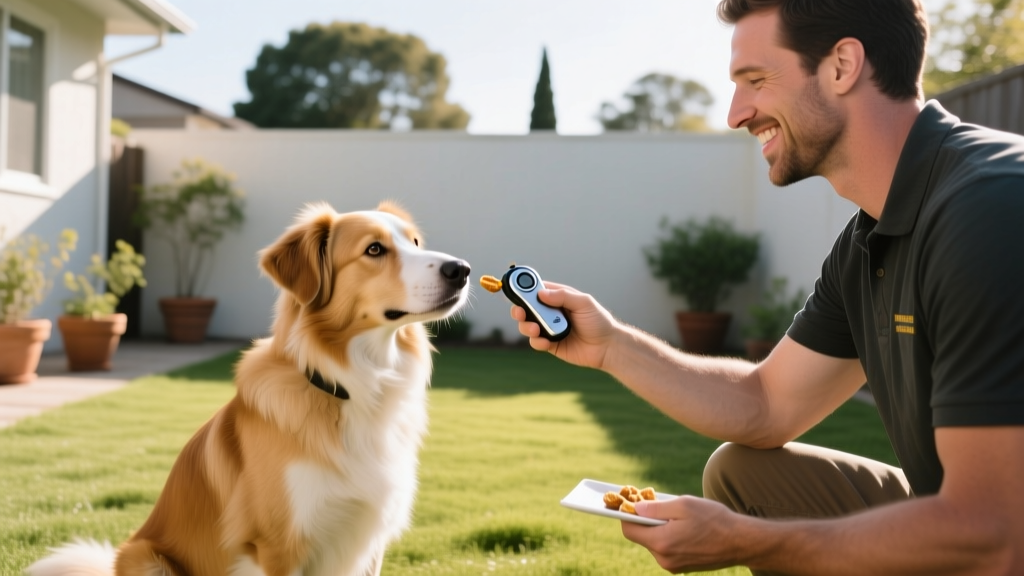
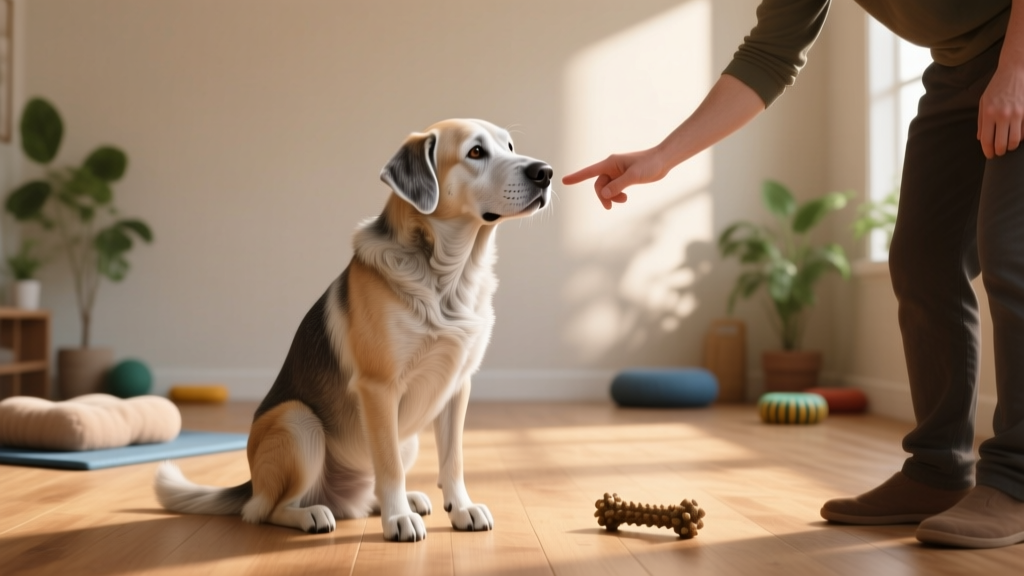
The "Stop and Wait" method: When the leash goes tight, stop walking. Stand still. The moment the leash loosens (even accidentally), mark with "yes" and resume walking. This teaches the dog that pulling = nothing happens, loose leash = forward movement. Expect 2–4 weeks of consistent practice before the behavior shifts.
The "U-Turn" method: When the dog pulls ahead, cheerfully say "let's go" and turn 180 degrees. When the dog catches up to you and is at your side, reward with a treat at the seam of your pants. This builds a habit of checking in with you rather than forging ahead.
The "High-Value Treat" protocol: Carry treats your dog finds irresistible (freeze-dried liver, small cheese pieces, boiled chicken). Reward every 3–5 steps of loose-leash walking in high-distraction environments. Gradually thin the reinforcement schedule over weeks.
A position statement from the American Veterinary Society of Animal Behavior reinforces that reward-based methods are more effective and carry fewer welfare risks than aversive approaches.
Alternatives to No-Pull Harnesses
If a harness isn't working for your dog or situation, consider these options:
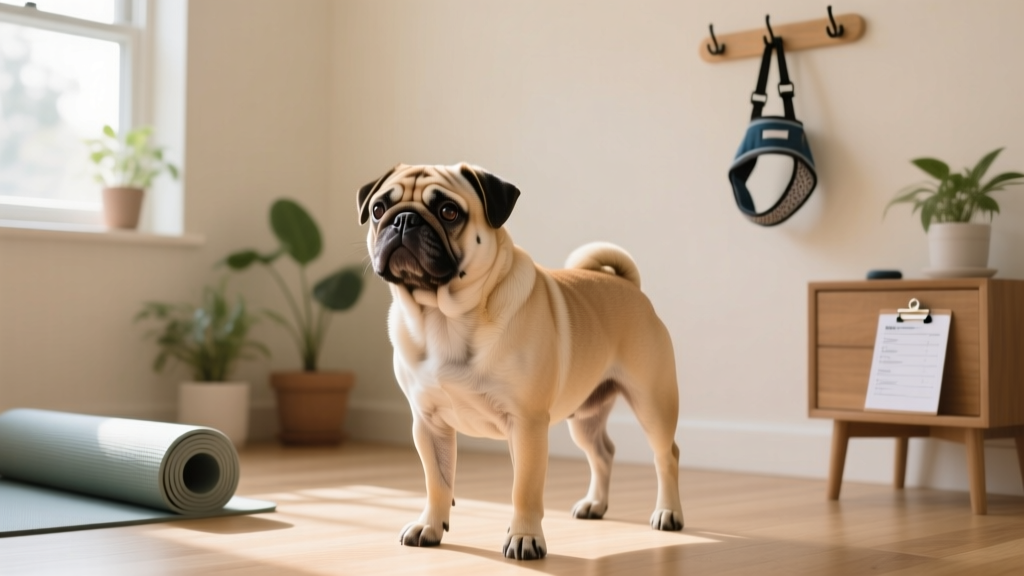
- Head halter (Gentle Leader, Halti): Fits over the muzzle and provides steering control from the head, similar to a horse halter. Effective for very powerful pullers but requires careful conditioning — many dogs resist the muzzle strap initially. Not suitable for brachycephalic breeds (Pugs, Bulldogs, Shih Tzus) due to their shortened facial structure.
- Flat martingale collar: Tightens slightly when pulled (with a limit stop) but doesn't choke. Useful as a backup attachment point paired with a front-clip harness. Not a standalone no-pull solution for determined pullers.
- Long-line training (15–30 ft leash): In a safe, enclosed area, a long line lets the dog explore at distance while you practice recall and loose-leash skills. Pair with a back-clip harness. This is a training exercise, not a walking solution for urban environments.
- Professional training sessions: A certified professional dog trainer (CPDT-KA or IAABC-certified) can assess your specific situation and build a customized loose-leash walking program. Expect $80–$150 per private session, with most dogs needing 4–6 sessions for reliable loose-leash walking.
Frequently Asked Questions
What is the best non pull dog harness overall?
The Freedom No-Pull Harness by 2 Hounds Design offers the strongest combination of pulling deterrence, durability, and training functionality for most dogs. For dogs with difficult body types, the Blue-9 Balance Harness provides unmatched adjustability. Budget buyers should start with the Rabbitgoo No-Pull, which performs well for moderate pullers at under $30.
How much does a good no-pull harness cost?
Expect to pay $20–$30 for entry-level harnesses (Rabbitgoo, PetSafe), $35–$50 for mid-range options (Freedom, Kurgo, Ruffwear), and $50–$95 for professional-grade harnesses (Blue-9, Julius-K9). The price difference primarily reflects hardware quality, padding durability, and adjustability. A well-made $40 harness typically outlasts two $20 harnesses.
Can a no-pull harness hurt my dog?
A properly fitted front-clip harness will not hurt your dog. However, a poorly fitted harness can cause chafing behind the front legs, restrict shoulder movement, or create pressure points. The two-finger rule under all straps is your safety check. If you see red marks or hair loss where the harness contacts skin, discontinue use and adjust or replace.
Are there natural alternatives to using a harness?
The most effective "natural" alternative is consistent positive reinforcement training without any special equipment — rewarding your dog for walking at your side with treats and praise. Some dogs learn reliable loose-leash walking with just a flat collar and skilled training. However, for dogs that pull with enough force to risk tracheal damage, a harness provides a safety net during the training process.
How long does it take for a no-pull harness to work?
The physical redirect effect is immediate — you'll feel less pulling force on your first walk. But true loose-leash walking behavior takes 3–6 weeks of consistent training paired with harness use. The harness manages the pulling while your dog learns the new behavior. Don't expect the harness alone to "fix" pulling without any training component.
Should I use a front-clip or back-clip for walking?
Use the front clip when working on pulling behavior or walking in high-distraction environments. Use the back clip for relaxed walks when your dog is already walking well, for car tether attachment, or when using a long line. Many owners switch between the two depending on the situation — this is exactly what dual-clip harnesses are designed for.
Disclaimer: This article provides general product guidance and is not a substitute for professional veterinary or behavioral advice. Consult your veterinarian if your dog shows sudden behavioral changes, respiratory symptoms, or signs of pain during walks.
Priya Sutaria
All our authors care for dogs every day — read more of their work on the authors page.