Best Family Guard Dogs: Top Breeds, Training Gear &...
Discover the best family guard dogs, expert-approved training gear, safety products, and protection equipment to keep your household safe in 2026.

What Makes the Best Family Guard Dogs Different From Protection Dogs?
When people search for the best family guard dogs, they're usually looking for a breed that balances natural protective instincts with the temperament to live safely alongside children, guests, and other pets. This is fundamentally different from a personal protection dog trained for law enforcement or military work. A true family guard dog alerts you to threats, deters intruders through presence and bark, and remains controllable in everyday situations — all without specialized aggression training.
According to the American Kennel Club, the most effective family guardians combine loyalty, intelligence, trainability, and a calm baseline temperament. Breeds like the German Shepherd, Boxer, Bernese Mountain Dog, and Rhodesian Ridgeback consistently rank among the best family guard dogs because they protect through alertness and bonding rather than uncontrolled aggression.
But owning one of these breeds responsibly means investing in the right gear — from secure containment systems to training tools that use positive reinforcement methods. This guide covers the essential products every family guard dog owner needs, with real pricing, expert recommendations, and safety guidance.
Essential Gear for Family Guard Dogs: Top Product Picks
After evaluating products across durability, safety, and trainer recommendations, here are the top picks for family guard dog households in 2026.
1. Kong Extreme Goodie Bone (Large/XL)
Price: $18–$24 | Best for: Power chewers and mental stimulation
The Kong Extreme line uses ultra-durable black rubber formulated for aggressive chewers. For guard breeds like Rottweilers and German Shepherds who can destroy standard toys in minutes, this is a staple. Stuff with peanut butter or frozen broth for 20-40 minutes of enrichment that reduces boredom-driven destructive behavior.
- Virtually indestructible for most breeds
- Dishwasher safe
- Veterinarian-recommended for anxiety relief
- Made in USA
- Heavy — can damage hardwood floors if dropped
- Not suitable for dogs with dental fractures
- Requires supervision with stuffed varieties
2. Ruffwear Front Range Harness (Large/XL)
Price: $39–$45 | Best for: Leash control during walks and training
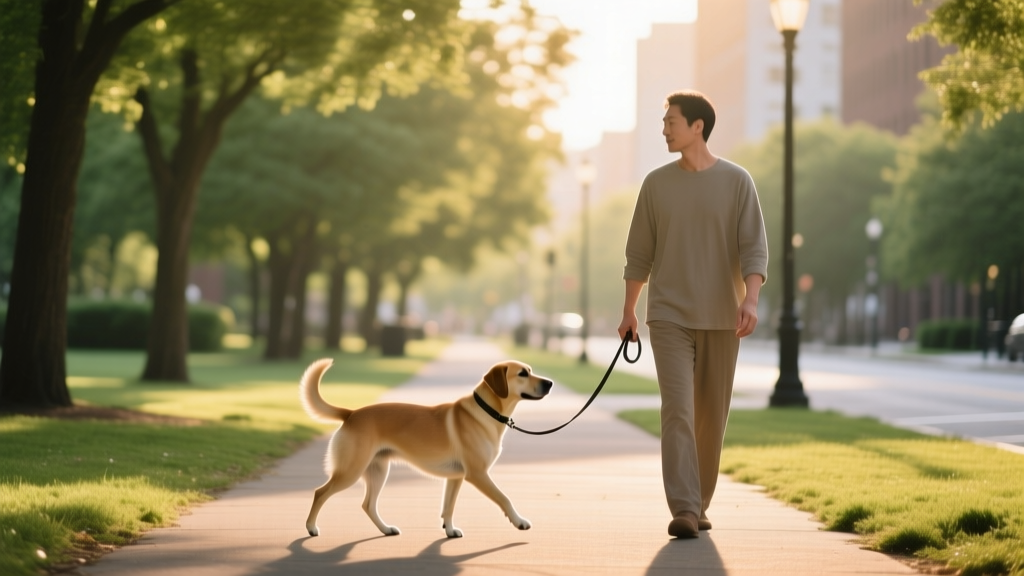
Guard breeds tend to pull, especially when alert to stimuli. The Front Range features dual leash attachment points — front chest clip redirects pulling without choking, while the back clip provides standard walking control. Padded chest and belly panels distribute pressure across the ribcage rather than the trachea, critical for breeds prone to tracheal collapse.
- Front clip reduces pulling by 60-80% in most dogs
- Reflective trim for night visibility
- 4 adjustment points for custom fit
- Lifetime warranty against manufacturing defects
- Not escape-proof for determined Houdini dogs
- Hand wash only
- Front clip can twist on very broad-chested breeds
3. ProSelect Empire Dog Crate (Large — 42")
Price: $499–$649 | Best for: Secure containment for powerful breeds
Standard wire crates buckle under the strength of a determined German Shepherd or Doberman. The ProSelect Empire uses 20-gauge steel with reinforced welds and dual slam-latch locks. This is the crate used by professional trainers and K9 units for safe confinement. At 42" × 30.75" × 41.25", it fits dogs up to 110 lb (50 kg).
- Escape-proof steel construction
- Removable steel tray for cleaning
- Locking casters for mobility
- Handles dogs up to 110 lb
- Extremely heavy (75 lb / 34 kg empty)
- Premium price point
- Industrial appearance may not suit all home décor
4. Garmin Delta Sport XC Training Collar
Price: $299–$349 | Best for: Reliable recall training at distance
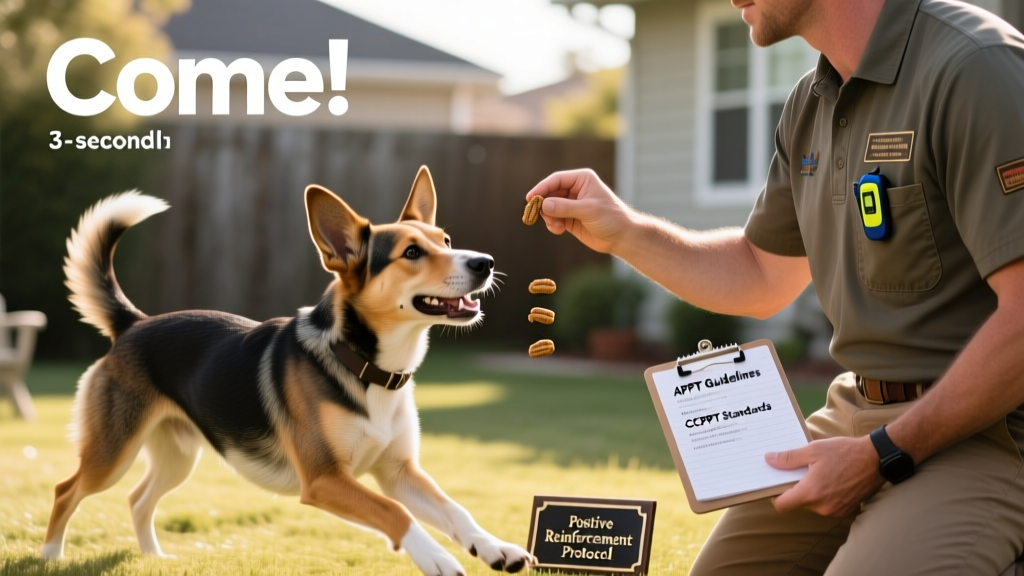
For family guard dogs who patrol yard perimeters, reliable recall is non-negotiable. The Garmin Delta Sport XC offers tone, vibration, and stimulation levels with a 3/4-mile range. Important: This collar should only be used under guidance of a certified professional dog trainer (CPDT-KA or IAABC certified) after your dog has mastered basic recall with positive reinforcement. Stimulation should never be a first-line training tool.
- BarkLimiter built in to reduce nuisance barking
- Waterproof to 1 meter
- Rechargeable with 60-hour battery life
- Tone/vibration options for non-aversive cueing
- Requires professional trainer guidance
- Not recommended for dogs under 6 months
- Premium price
- Must be paired with positive reinforcement foundation
5. Furbo 360° Dog Camera with Treat Toss
Price: $179–$219 | Best for: Remote monitoring and alert training
Family guard dogs thrive on routine and owner connection. The Furbo 360° lets you monitor your dog while away, toss treats remotely, and use two-way audio to reinforce calm behavior. The bark alert feature sends push notifications when your dog vocalizes — useful for monitoring alert barking patterns. Smart AI differentiates between normal barking and sustained alarm barking.
- 360° rotation covers full room
- 1080p HD with night vision
- Treat tossing reinforces positive associations
- Works with Alexa and Google Home
- Requires subscription ($6.99/mo) for cloud storage
- Treat hopper holds only ~30 small treats
- Wi-Fi dependent — won't work during outages
6. Baskerville Ultra Muzzle (Size 4-6)
Price: $22–$32 | Best for: Vet visits, grooming, and emergency safety
Every guard breed owner should muzzle-train their dog — not because the dog is aggressive, but as a safety tool for veterinary visits, emergencies, and situations where a scared dog might bite. The Baskerville Ultra allows full panting, drinking, and treat acceptance while preventing bites. Its ergonomic design and neoprene padding make it the most humane option available.
- Allows panting, drinking, and treat eating
- Heat-moldable for custom fit
- Adjustable straps prevent removal
- Recommended by veterinary behaviorists
- Requires gradual desensitization training
- Sizing can be tricky — measure snout carefully
- Not for extended unsupervised wear
Product Comparison: Guard Dog Essentials at a Glance
| Product | Price Range | Best For | Durability | Warranty | Weight Rating |
|---|---|---|---|---|---|
| Kong Extreme Goodie Bone | $18–$24 | Power chewing, enrichment | ★★★★★ | Satisfaction guarantee | Up to 90+ lb |
| Ruffwear Front Range Harness | $39–$45 | Leash control, pulling | ★★★★☆ | Lifetime (defects) | Up to 110 lb |
| ProSelect Empire Crate (42") | $499–$649 | Secure containment | ★★★★★ | 1 year | Up to 110 lb |
| Garmin Delta Sport XC | $299–$349 | Distance recall training | ★★★★☆ | 1 year | Dogs 15+ lb |
| Furbo 360° Dog Camera | $179–$219 | Remote monitoring | ★★★☆☆ | 1 year | N/A (electronics) |
| Baskerville Ultra Muzzle | $22–$32 | Vet visits, safety | ★★★★☆ | 30-day return | All sizes available |
Top Guard Dog Breeds for Families: What Products Do They Need?
Not all guard breeds have identical needs. Here's how the best family guard dogs break down by breed-specific gear requirements:
German Shepherd (50–90 lb / 23–41 kg)
High intelligence means they need serious mental stimulation. Budget for puzzle toys ($15–$40 each), advanced training classes ($150–$400 for 6-week courses), and joint supplements starting at age 5 due to hip dysplasia prevalence (approximately 19% of the breed according to the Orthopedic Foundation for Animals). A sturdy crate is essential — German Shepherds are among the top escape artists.
Boxer (50–80 lb / 23–36 kg)
Boxers are brachycephalic, meaning their shortened airways make heat management critical. Invest in cooling mats ($25–$60), avoid muzzles that restrict panting, and use harnesses instead of collars to prevent tracheal pressure. They're moderate chewers — standard Kong Classic often suffices.
Rottweiler (80–135 lb / 36–61 kg)
The largest breed on this list requires heavy-duty everything. Standard crates won't contain a motivated Rottweiler — the ProSelect Empire or Impact Dog Crate ($699–$899) are necessary. Use 6-foot leather or biothane leashes rated for 500+ lb pull strength. Early socialization classes are non-negotiable; budget $200–$500 for a structured puppy socialization program.
Bernese Mountain Dog (70–115 lb / 32–52 kg)
Gentle giants with lower drive but higher grooming needs. Budget for professional grooming every 6–8 weeks ($60–$100 per session). Their shorter lifespan (7–10 years) and cancer predisposition mean investing in pet insurance early — average premiums for this breed run $55–$95/month with major providers.
Rhodesian Ridgeback (55–85 lb / 25–39 kg)
Athletic and independent, Ridgebacks need secure 6-foot fencing minimum. Underground electric fences are ineffective — their pain tolerance and prey drive will override the deterrent. Invest in GPS tracking collars ($149–$299) like the Garmin TT25 or Whistle Go for off-leash areas.
How to Use Guard Dog Products Safely
Step-by-Step: Introducing New Gear to Your Guard Dog
- Desensitize before use (Days 1–3): Place the product near your dog's resting area without requiring interaction. Reward calm investigation with high-value treats (freeze-dried liver, chicken).
- Associate with positive experiences (Days 4–7): Feed meals near or with the product. For muzzles, spread peanut butter on the outside. For crates, place favorite bedding and toys inside with door open.
- Short-duration introductions (Week 2): Use the product for 5–10 minute sessions. For harnesses, walk around the house before going outside. For muzzles, practice 30-second wearing sessions with continuous treat delivery.
- Gradual duration increase (Weeks 3–4): Extend sessions by 5 minutes daily. Monitor for stress signals: lip licking, yawning, whale eye, tucked tail, or avoidance behavior.
- Real-world application (Week 5+): Use in actual scenarios — vet visits, walks, containment. Always have an exit plan and never force compliance.
⚠️ Safety Warnings for Guard Dog Owners
- Never use prong collars, choke chains, or shock collars as primary training tools. These increase fear-based aggression in protective breeds and are opposed by the American Veterinary Society of Animal Behavior.
- Inspect crates and containment weekly for bent bars, loose latches, or worn welds. A broken crate can lead to injury or escape.
- Never leave muzzles on unsupervised — dogs cannot vomit or regulate temperature properly while muzzled.
- Electronic training collars require professional guidance. Improper use can cause psychological damage and increase aggression in guard breeds.
- Check local breed-specific legislation (BSL) — some municipalities restrict breeds like Rottweilers, Dobermans, and pit bull-type dogs. Verify your local regulations before purchasing breed-specific insurance.
When to See a Professional Instead of Buying More Gear
Products alone cannot solve behavioral issues. Consult your veterinarian or a certified professional if you observe:
- Aggression toward family members or children (not just strangers)
- Resource guarding of food, toys, or spaces beyond normal breed tendencies
- Fear-based reactivity that escalates despite counter-conditioning efforts
- Destructive behavior that persists despite adequate exercise and enrichment (may indicate separation anxiety — a clinical condition requiring veterinary behaviorist intervention)
- Compulsive behaviors: flank sucking, tail chasing, shadow fixation
A board-certified veterinary behaviorist (DACVB) consultation typically costs $200–$450 for the initial evaluation. A certified professional dog trainer (CPDT-KA) charges $75–$150 per session. Both are worthwhile investments before a behavioral issue escalates to a bite incident.
Natural and DIY Alternatives for Guard Dog Care
Not every product needs to be store-bought. Here are effective alternatives:
| Commercial Product | DIY Alternative | Cost Savings | Notes |
|---|---|---|---|
| Kong stuffing | Frozen bone broth + kibble in Kong | $5–$8 per batch vs $12–$15 commercial treats | Use low-sodium broth; avoid onion/garlic |
| Puzzle toys | Muffin tin + tennis balls over treat cups | $3 vs $25–$45 | Supervise — some dogs flip the tin |
| Calming supplements | Exercise + structured routine + sniff walks | Free vs $30–$60/month | 20 min sniffing = 1 hour physical exercise for mental fatigue |
| Cooling mats | Frozen damp towel in sealed bag | $0 vs $25–$60 | Replace every 20 min; not as long-lasting |
Frequently Asked Questions About Family Guard Dogs
What is the best family guard dog breed for homes with children?
The Boxer and Bernese Mountain Dog are widely considered the best family guard dogs for households with young children. Both breeds are naturally protective yet patient, and their size alone serves as a deterrent. However, individual temperament varies more than breed generalizations — a well-socialized German Shepherd from a responsible breeder with proven temperament-tested parents can be equally excellent with children.
How much does it cost to properly equip a family guard dog?
First-year gear costs for a family guard dog typically range from $800–$2,500 depending on breed size and containment needs. This includes a quality crate ($150–$650), harness and leash ($60–$100), enrichment toys ($100–$200), initial training classes ($200–$500), and monitoring equipment ($150–$250). Annual replacement costs run approximately $200–$400.
Can I train a guard dog without professional help?
Basic obedience and socialization can be handled by dedicated owners using positive reinforcement methods. However, for breeds with strong protective instincts, at least one professional evaluation session with a CPDT-KA trainer is strongly recommended before the dog reaches sexual maturity (6–9 months). This ensures protective behaviors are channeled appropriately rather than becoming fear-based reactivity.
Are guard dogs safe around visitors and delivery drivers?
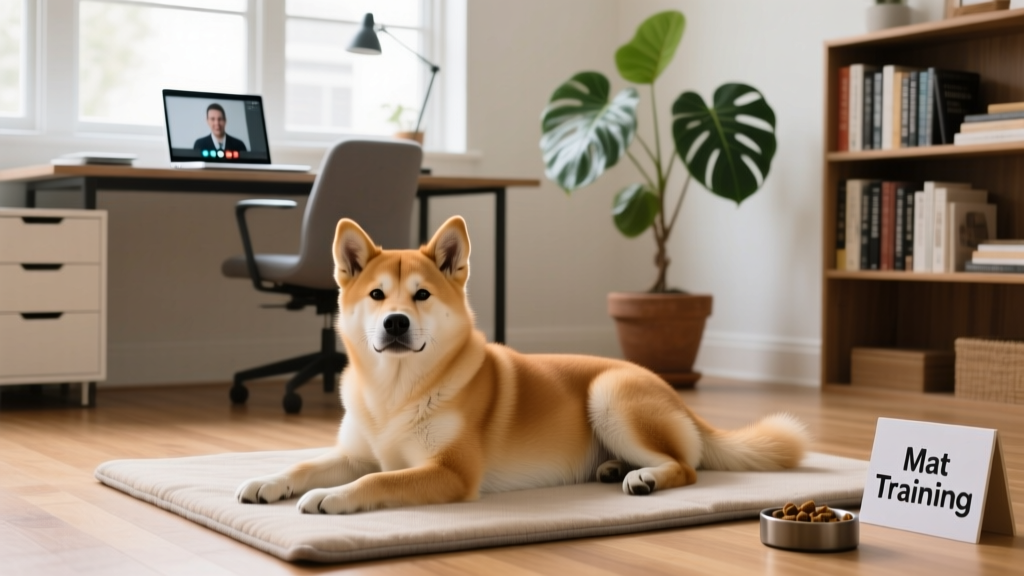
Yes — when properly trained. A well-socialized family guard dog learns to distinguish between threats and normal visitors through structured desensitization and counter-conditioning. Teach a "place" command (go to a designated mat/bed) and practice with controlled visitor scenarios. The dog learns to alert and then settle, rather than remaining in a heightened state.
Do family guard dogs need special insurance?
Many homeowner's and renter's insurance policies either exclude certain breeds or charge higher premiums for guard breeds. Expect to pay $25–$75 more per month on pet liability coverage for breeds like Rottweilers, Dobermans, or German Shepherds. Some insurers like State Farm and USAA do not discriminate by breed — shop around before assuming you'll pay more.
What's the difference between a guard dog and a watch dog?
A watch dog alerts you to unusual activity through barking but does not physically intervene. A guard dog may position themselves between their family and a perceived threat. Most family guard dogs function primarily as watch dogs — their size and bark provide deterrence without requiring confrontation training, which should only be done by professional protection trainers and is not appropriate for family pets.
Where to Buy Guard Dog Products
For the products covered in this guide:
- Kong Extreme: Chewy, Amazon, PetSmart — widely available, $18–$24
- Ruffwear Front Range: Ruffwear.com, REI, Chewy — $39–$45, frequent sales on past-season colors
- ProSelect Empire Crate: Amazon, specialty pet retailers — $499–$649, rarely discounted
- Garmin Delta Sport XC: Garmin.com, sporting goods retailers — $299–$349
- Furbo 360°: Furbo.com, Amazon — $179–$219, often bundled with subscription discounts
- Baskerville Ultra Muzzle: Chewy, Amazon, veterinary supply stores — $22–$32
Always purchase from authorized retailers to ensure warranty validity. Counterfeit versions of high-stress products like crates and harnesses are common on third-party marketplace listings and may fail under load.
Remember: The best family guard dogs are not defined by breed alone — they're shaped by responsible ownership, proper socialization, positive reinforcement training, and the right tools to support their natural instincts safely. Consult your veterinarian for breed-specific health screenings, and work with a certified trainer to ensure your dog's protective behaviors remain an asset rather than a liability.
Priya Sutaria
All our authors care for dogs every day — read more of their work on the authors page.