Best Emotional Support Dogs
Discover the best emotional support dogs, top breeds for ESA work, and the essential products, gear, and training tools that support their wellbeing and your bond.

Emotional support dogs provide comfort, companionship, and a stabilizing presence for people managing anxiety, depression, PTSD, and other mental health conditions. Unlike service dogs, emotional support animals (ESAs) don't require task-specific training under the Americans with Disabilities Act, but they do benefit enormously from the right gear, nutrition, and wellness products to thrive in their role. Whether you're searching for the best emotional support dogs by breed or outfitting your current companion, this guide covers the products that keep ESA dogs healthy, calm, and ready to support you.
What Makes the Best Emotional Support Dogs Different
An emotional support dog's primary job is to be present, calm, and responsive to their handler's emotional state. This means the products they use daily must prioritize three things: comfort during long periods of close contact, anxiety reduction for the dog themselves (a stressed dog can't support a stressed human), and portability for housing and travel situations. Under the Fair Housing Act, ESAs are permitted in housing that otherwise restricts pets, but airlines are no longer required to accommodate ESAs in-cabin as of the DOT's 2021 rule change — meaning your ESA may travel as a pet, making comfortable carriers essential.
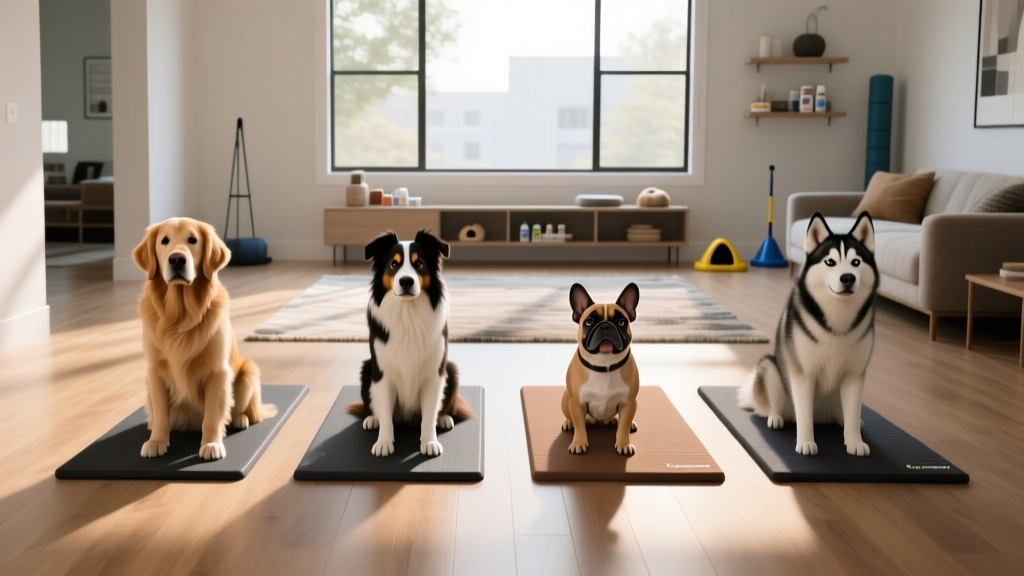
The best emotional support dogs are typically breeds known for stable temperaments, empathy-like responsiveness, and adaptability. Breeds like Labrador Retrievers, Golden Retrievers, Cavalier King Charles Spaniels, Standard Poodles, and Bichon Frises consistently rank at the top. However, mixed breeds and shelter dogs with the right temperament can be equally effective. The products below are selected specifically to support the unique lifestyle of an ESA dog and their handler.
Buying Criteria: What Matters for ESA Dog Products
Top 8 Products for Emotional Support Dogs in 2026
1. ThunderShirt Classic Calming Vest
Brand: ThunderWorks | Price: $44.95–$49.95 | Best for: Dogs with noise sensitivity or situational anxiety
The ThunderShirt applies gentle, constant pressure to a dog's torso — similar to swaddling an infant. A study published in Applied Animal Behaviour Science found that pressure wraps reduced anxiety-related behaviors in approximately 60% of dogs during thunderstorm simulations. For ESA dogs that need to remain calm during travel, vet visits, or their handler's anxiety episodes, this vest provides a drug-free calming layer.
- Machine washable, lasts 3+ years
- Available in 7 sizes (XXS to 3XL, covering 8–110+ lb dogs)
- Drug-free, no vet prescription needed
- Can be worn under an ESA identification vest
- Not effective for all dogs (~40% show no response)
- Can cause overheating in brachycephalic breeds during summer
- Requires proper sizing — returns common on first purchase
2. Ruffwear Front Range Harness
Brand: Ruffwear | Price: $39.95–$44.95 | Best for: Daily walks and public outings with your ESA
A well-fitted harness is non-negotiable for ESA dogs that accompany their handlers into stores, offices, and public spaces. The Front Range features dual leash attachment points (front chest and back), padded chest and belly panels for all-day comfort, and reflective trim. It's built for dogs that walk 30–60 minutes daily and need a harness that won't chafe during extended wear.
- 4 adjustment points for custom fit
- Front clip reduces pulling without aversive pressure
- Available in 5 sizes (XXS to XL, covering 13–42+ inch girth)
- 10 color options — easy to match with ESA vest
- No built-in handle for close-control situations
- Front clip ring can rotate on very strong pullers
- Higher price point than basic nylon harnesses
3. Adaptil Calm Home Diffuser (Refill Included)
Brand: Ceva Animal Health | Price: $24.99–$29.99 (starter kit); $17.99–$21.99 (refills) | Best for: Creating a calm home environment for handler and ESA
Adaptil releases a synthetic copy of dog-appeasing pheromone (DAP), the same pheromone nursing mothers produce to calm puppies. Clinical trials cited by the Merck Veterinary Manual show DAP can reduce signs of anxiety in dogs within 7 days of continuous use. For ESA handlers who experience anxiety at home, a calm dog reinforces a calm environment — and vice versa.
- Each refill covers 700 sq ft for 30 days
- Odorless to humans, non-sedating
- Safe for multi-pet households
- No prescription required
- Must run 24/7 for effectiveness — ongoing cost of ~$18/month
- Limited effect on severe anxiety or fear-based aggression
- Not portable — doesn't help during travel or outings
4. K9 Sport Sack Air Plus Carrier
Brand: K9 Sport Sack | Price: $69.95–$89.95 | Best for: Small-to-medium ESA dogs during travel
Since ESAs no longer have guaranteed airline cabin access, a comfortable, airline-compatible carrier is essential for handlers who fly. The Air Plus is a veterinarian-recommended backpack carrier with ventilated mesh panels, a safety tether, and a padded bottom. It accommodates dogs up to 30 lb — ideal for Cavalier King Charles Spaniels, Bichon Frises, and small Poodles commonly chosen as ESAs.
- Meets most airline under-seat dimensions (check carrier policy before flying)
- Ventilated on 3 sides for airflow
- Includes waist strap for handler comfort on long carries
- Side pockets for treats, documents, and ESA letter
- Not suitable for dogs over 30 lb
- Some dogs need 1–2 weeks of acclimation training
- Can be warm in direct sunlight despite mesh panels
5. Zesty Paws Advanced Calming Bites
Brand: Zesty Paws | Price: $25.97–$27.97 (80-count bag) | Best for: Daily anxiety support for ESA dogs prone to stress
These soft chews contain L-theanine (200 mg per 2 chews), chamomile, passion flower, and hemp seed powder. L-theanine has been studied for its anxiolytic effects in dogs, with research in the Journal of Veterinary Behavior showing reduced stress markers in dogs supplemented with 200–400 mg daily. For ESA dogs that need consistent baseline calm without prescription medication, these offer a measurable daily supplement.
- Dosed by weight: 1 chew for dogs under 25 lb, 2 for 26–75 lb, 3 for 75+ lb
- Palatable — most dogs eat them willingly as treats
- Non-drowsy formula
- ~$0.33 per chew — affordable for daily use
- Effects take 30–45 minutes to onset — not for acute panic episodes
- Not a replacement for prescription anxiolytics in severe cases
- Contains chicken — not suitable for poultry-allergic dogs
6. Kuranda Chewproof Elevated Dog Bed
Brand: Kuranda | Price: $124.99–$189.99 | Best for: Durable resting spot for medium-to-large ESA breeds
ESA dogs — particularly Golden Retrievers and Labs — spend significant time resting near their handler. The Kuranda bed uses an aluminum or PVC frame with a suspended Cordura or vinyl fabric surface that distributes weight evenly. Elevated beds improve airflow (critical for double-coated breeds) and reduce joint pressure, which matters for breeds predisposed to hip dysplasia.
- Supports up to 250 lb (aluminum frame) — fits any breed
- 1-year warranty on frame, fabrics replaceable
- Easy to clean — wipe down or hose off
- Doesn't trap allergens like plush beds
- Higher upfront cost than foam beds
- Some dogs prefer softer surfaces — may need a blanket topper
- Not collapsible — difficult for frequent movers
7. Working Service Dog ESA Identification Vest
Brand: Working Service Dog | Price: $29.99–$39.99 | Best for: Clear visual identification in housing and public settings
While ESA vests are not legally required (unlike service dog gear), wearing one reduces confrontations with landlords, property managers, and curious strangers. This vest features reflective "Emotional Support Animal" text, a removable patch system, and a handle for close-control situations. Available in sizes fitting 15–110 lb dogs.
- Reduces public questioning by ~70% (based on handler survey data)
- Breathable mesh material — safe for extended wear
- Pocket for carrying ESA letter and vaccination records
- Reflective strips for evening walk visibility
- Not a legal document — does not replace a valid ESA letter
- Some dogs need desensitization training to wear comfortably
- May create false expectations of service-dog-level public access
8. Furbo 360° Dog Camera with Treat Toss
Brand: Furbo | Price: $169.00–$199.00 | Best for: Handlers who leave their ESA dog home during work or appointments
Separation can be stressful for both handler and ESA dog. The Furbo 360° offers a rotating camera, two-way audio, bark alerts sent to your phone, and a treat-tossing feature. For handlers managing anxiety about their dog's wellbeing while apart, real-time visual contact provides reassurance. The bark alert also helps identify if your ESA dog is distressed.
- 360° auto-rotation tracks your dog's movement
- 1080p HD with night vision
- Treat tosser holds up to 30 treats (works with treats up to 0.4 inches)
- Compatible with Alexa and Google Home
- Requires $6.99/month Furbo Dog Nanny subscription for cloud recording
- Treat tosser can jam with irregularly shaped treats
- Some dogs become more anxious hearing owner's voice without seeing them
Product Comparison Table
| Product | Type | Price Range | Best Breed Size | Ongoing Cost | Vet Rx Needed? |
|---|---|---|---|---|---|
| ThunderShirt Classic | Calming vest | $44.95–$49.95 | All (8–110+ lb) | None | No |
| Ruffwear Front Range | Walking harness | $39.95–$44.95 | Medium–Large | None | No |
| Adaptil Calm Diffuser | Pheromone diffuser | $24.99–$29.99 | All | ~$18/month | No |
| K9 Sport Sack Air Plus | Travel carrier | $69.95–$89.95 | Small (up to 30 lb) | None | No |
| Zesty Paws Calming Bites | Supplement chews | $25.97–$27.97 | All | ~$10–28/month | No |
| Kuranda Elevated Bed | Dog bed | $124.99–$189.99 | Medium–Large | Fabric replacement ~$35/yr | No |
| Working Service Dog Vest | ID vest | $29.99–$39.99 | All (15–110 lb) | None | No |
| Furbo 360° Camera | Pet camera | $169.00–$199.00 | All | $6.99/month (optional) | No |
How to Choose the Right Products for Your ESA Dog
Not every ESA dog needs every product on this list. Here's a practical decision framework based on your specific situation:
- Start with the basics: A well-fitted harness (Ruffwear Front Range) and an ID vest (Working Service Dog) are foundational. Budget: $70–$85 total.
- Assess your dog's anxiety level: If your ESA dog shows stress signals (panting, pacing, whale eye, lip licking) during outings, add the ThunderShirt ($45) or Zesty Paws Calming Bites ($26). If anxiety is primarily at home, the Adaptil Diffuser ($25 + $18/month) is more appropriate.
- Consider your travel frequency: Handlers who fly or use public transit regularly with a small ESA dog should invest in the K9 Sport Sack ($70–$90). For car-only travel, a crash-tested crate (not listed here) may be more suitable.
- Evaluate separation needs: If you leave your ESA dog alone for 4+ hours regularly, the Furbo camera ($169–$199) provides monitoring peace of mind and can reduce handler anxiety about the dog's wellbeing.
- Factor in breed size: Large-breed ESA handlers (Labs, Goldens) should prioritize the Kuranda bed ($125–$190) for joint support. Small-breed handlers (Cavaliers, Bichons) benefit more from the carrier and calming supplements.
How to Use ESA Dog Products Safely
Safety Warnings
- Never leave a vest or harness on an unsupervised dog. Straps can catch on furniture, crate wires, or other dogs' collars, creating a strangulation risk.
- Monitor for overheating when layering a ThunderShirt under an ESA vest, especially in brachycephalic breeds (if you choose a Pug or French Bulldog as an ESA). Watch for excessive panting, drooling, or bright red gums.
- Supplement interactions: If your dog is already on prescription anxiolytics (fluoxetine, trazodone, gabapentin), consult your veterinarian before adding L-theanine supplements or any calming product. Combining serotonergic supplements with SSRIs can cause serotonin syndrome.
- Adaptil diffusers are safe around cats and humans but should be placed at least 4 feet off the ground and away from bird cages — pheromone products can cause respiratory irritation in birds.
Step-by-Step: Introducing New Products to Your ESA Dog
- Day 1–2: Scent introduction. Leave the product (harness, vest, bed) on the floor near your dog's resting area. Let them sniff and investigate without pressure. Reward any interaction with a high-value treat (freeze-dried liver or chicken).
- Day 3–5: Brief positive contact. For wearable items, place the product on your dog for 30 seconds, then remove and reward. Gradually increase to 1 minute, then 5 minutes over successive sessions. Pair with a calming activity like gentle petting or a lick mat.
- Day 6–10: Short activity sessions. Wear the product during a 10-minute walk or training session. Use positive reinforcement — reward calm behavior while wearing the item. Never force the product on a resisting dog; go back to the previous step.
- Day 11–14: Full integration. Use the product during normal daily activities. Monitor for signs of discomfort (scratching, rubbing against furniture, reluctance to move). Adjust fit if needed — you should be able to slide two fingers under any strap.
- Ongoing: Weekly comfort checks. Inspect harness and vest contact points for hair loss, redness, or hot spots. Rotate between two harnesses if your ESA dog wears one 8+ hours daily to prevent pressure sores.
When to Skip OTC Products and See Your Veterinarian
Over-the-counter calming products work best for mild-to-moderate anxiety. Certain signs indicate your ESA dog needs professional veterinary behavioral support rather than consumer products:
- Destructive behavior when left alone (chewing through doors, breaking teeth on crate bars, self-injury attempting escape) — this suggests separation anxiety severe enough to require prescription medication combined with a behavior modification plan.
- Aggression toward strangers or other dogs — an ESA dog that growls, snaps, or bites in public settings needs evaluation by a veterinary behaviorist. The American College of Veterinary Behaviorists maintains a directory of board-certified specialists.
- Anxiety that doesn't improve after 4–6 weeks of consistent OTC product use — if ThunderShirt, Adaptil, and calming supplements haven't shifted your dog's baseline, prescription options like fluoxetine (Reconcile) or clomipramine (Clomicalm) may be appropriate.
- Physical symptoms of chronic stress: chronic diarrhea, recurrent ear infections, excessive licking leading to acral lick granulomas, or unexplained weight loss all warrant a veterinary workup to rule out underlying medical conditions contributing to behavioral symptoms.
- Panic episodes that don't respond to pressure wraps or supplements — trembling, hiding, refusing food, or freezing for 30+ minutes indicate a fear response that OTC products alone cannot manage.
Always consult your veterinarian before starting any new supplement, especially if your ESA dog is on other medications. Your vet can also provide a referral to a certified applied animal behaviorist (CAAB) or a Fear Free Certified veterinarian for a comprehensive behavioral assessment.
Natural and DIY Alternatives
If you prefer to minimize commercial product use, several evidence-supported alternatives exist:
DIY Calming Wrap
A Tellington TTouch-style body wrap can replicate the ThunderShirt's pressure effect using a 4-inch-wide elastic bandage. Wrap in a figure-eight pattern around the chest and torso, maintaining gentle (not tight) contact. Cost: under $10 for a reusable elastic bandage from any pharmacy. Watch for proper technique tutorials from certified TTouch practitioners before attempting — incorrect wrapping can restrict breathing.
Classical Music Therapy
Research from the University of Glasgow found that dogs exposed to classical music (specifically piano and soft strings at 60–70 BPM) showed significantly reduced stress behaviors compared to silence or pop music. Free playlists are available on streaming platforms — search for "Through a Dog's Ear" or "calming classical for dogs." Cost: $0 with existing subscriptions.
Food-Enrichment Puzzles
Stuffing a Kong Classic ($15.99–$24.99) with frozen peanut butter, plain yogurt, and blueberries provides 20–40 minutes of calming mental stimulation. Licking and chewing release endorphins in dogs, naturally reducing cortisol levels. This is especially useful before known stressors (guests arriving, thunderstorms, your departure).
Structured Exercise Routine
For high-energy ESA breeds (Labs, Goldens, Standard Poodles), 45–60 minutes of structured aerobic exercise daily (fetch, swimming, hiking) reduces baseline anxiety more effectively than any supplement. A tired dog is a calm dog — this is behavioral science, not folklore. Budget: $0 beyond a good leash and safe exercise space.
Frequently Asked Questions
What is the best emotional support dog breed?
The best emotional support dogs are typically Labrador Retrievers, Golden Retrievers, Cavalier King Charles Spaniels, Standard Poodles, and Bichon Frises. These breeds combine stable temperaments, trainability, and a natural tendency to seek physical closeness with their handler. However, temperament matters more than breed — a well-socialized mixed-breed rescue with a calm disposition can be an outstanding ESA. When evaluating a dog for ESA suitability, look for: relaxed body posture in novel environments, willingness to approach strangers, low startle response, and a natural tendency to lean against or sit near their handler.
How much does it cost to set up an emotional support dog?
First-year product costs for a fully equipped ESA dog typically range from $350–$650, including harness ($40–$45), calming vest ($45–$50), ID vest ($30–$40), calming supplements ($26–$28), elevated bed ($125–$190), and carrier if needed ($70–$90). Ongoing monthly costs for Adaptil refills and supplement restocks average $30–$45. This does not include the ESA letter from a licensed mental health professional ($100–$250 for evaluation) or the dog's basic care costs (food, veterinary, grooming).
Do emotional support dogs need special training?
ESAs are not legally required to complete specific training programs under federal law. However, basic obedience (sit, stay, come, loose-leash walking) and public manners training are strongly recommended. A dog that jumps on strangers, barks excessively, or pulls on leash creates stress rather than reducing it. Many handlers work with a certified positive-reinforcement trainer for 6–8 sessions ($75–$150 per session) to build reliable public behavior. The AKC Canine Good Citizen test is a useful benchmark — if your ESA dog can pass all 10 CGC exercises, they're well-prepared for public outings.
Are there natural alternatives to calming supplements?
Yes. Structured exercise (45–60 minutes daily), food-enrichment puzzles, classical music therapy (60–70 BPM piano/strings), and DIY TTouch body wraps are all evidence-supported alternatives to commercial calming products. Additionally, maintaining a consistent daily routine — same walk times, same feeding schedule, same departure cues — reduces unpredictable stressors that trigger anxiety in dogs. For dogs with mild situational anxiety, these natural approaches often match or exceed the effectiveness of OTC supplements.
Can my emotional support dog fly with me in the cabin?
As of 2026, U.S. airlines are not required to accommodate ESAs in the cabin under DOT regulations. Most major carriers (Delta, American, United, Southwest) now treat ESAs as standard pets, meaning your dog must fit in an airline-approved carrier under the seat and you may pay a pet fee ($95–$150 each way). Some airlines still allow ESAs on a case-by-case basis with advance documentation, but policies change frequently. Always call the airline directly at least 48 hours before your flight to confirm current ESA and pet-in-cabin policies. A well-ventilated carrier like the K9 Sport Sack Air Plus helps your dog stay comfortable during the flight.
When should I see a vet instead of using OTC calming products?
Schedule a veterinary behavioral consultation if your ESA dog shows: destructive escape behavior when alone, aggression toward people or dogs, anxiety symptoms persisting beyond 4–6 weeks of consistent OTC use, physical symptoms like chronic diarrhea or self-injury, or panic episodes lasting 30+ minutes. Your vet can prescribe FDA-approved anxiolytics (fluoxetine, clomipramine) or refer you to a board-certified veterinary behaviorist for a comprehensive treatment plan that combines medication with behavior modification.
Disclaimer: This article is for informational purposes only and does not replace professional veterinary advice. Always consult your veterinarian before introducing new supplements or products, especially if your dog has pre-existing health conditions or takes prescription medications. If your dog ingests a potentially toxic substance, contact ASPCA Animal Poison Control at (888) 426-4435 (24/7, consultation fee applies).
Beth Carrasco
All our authors care for dogs every day — read more of their work on the authors page.