Best Dog Whistle for Dogs: 2026 Buyer's Guide & Training Tips
Find the best dog whistle for dogs with our expert-tested 2026 roundup.

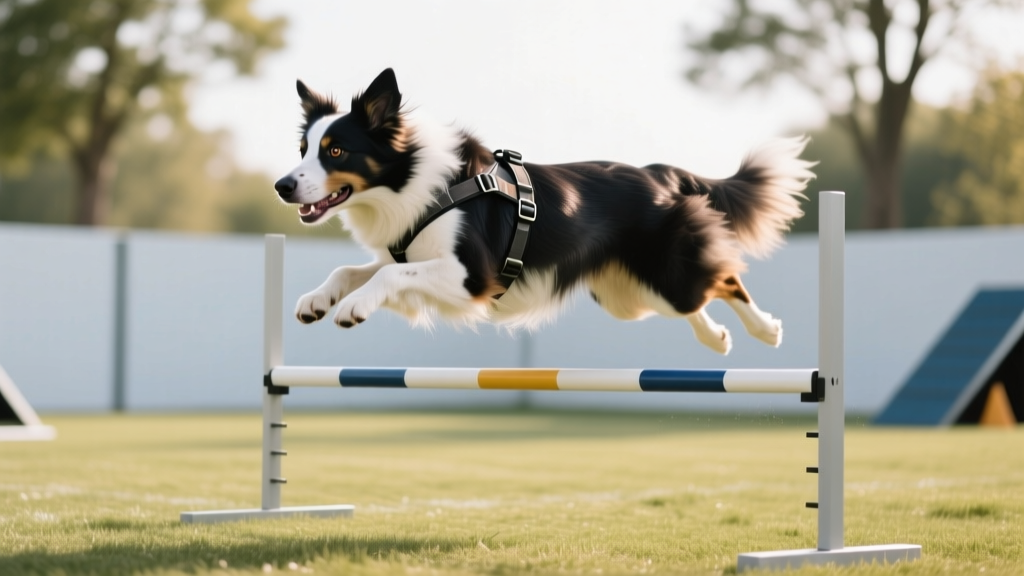
If you've ever stood at the edge of a field calling a dog who's completely absorbed in a scent trail, you already understand the appeal of a dog whistle. Unlike your voice, which carries emotion, fatigue, and inconsistency, a whistle delivers the same crisp acoustic signal every single time. Whether you're working on recall with a stubborn Beagle, training a gun dog, or simply want a reliable emergency stop cue, the right dog whistle for dogs can transform your communication.
But not all whistles are created equal. Some produce ultrasonic frequencies inaudible to humans (but very audible to dogs), while others emit a sharp, audible tone. Materials range from stainless steel to buffalo horn. And prices span from $3 to over $40. Below, I'll break down exactly what to look for, review my top picks for 2026, and explain how to use a dog whistle within a positive reinforcement training framework — no punishment-based methods here.
- Frequency range: Dogs hear between 40 Hz and 60,000 Hz (compared to human range of ~20 Hz–20,000 Hz). Ultrasonic whistles typically operate at 23–54 kHz. Audible whistles sit around 2–5 kHz. Choose based on your training environment and whether you need to hear the cue yourself.
- Adjustability: Some whistles allow you to fine-tune pitch and frequency. This matters if you have multiple dogs and want individualized cues.
- Material durability: Stainless steel and ABS plastic withstand moisture, drops, and temperature swings. Horn and wood look beautiful but require more care.
- Ergonomics: A lanyard loop, finger grip, or clip keeps the whistle accessible during walks and field work.
- Sound consistency: The whistle should produce the same tone regardless of how hard you blow. Pea-less designs eliminate the rattle and clogging issues of traditional referee-style whistles.
- Price-to-value ratio: Budget whistles ($3–$10) work for basic recall. Professional-grade models ($15–$45) offer adjustability, durability, and brand reputation.
How Dog Whistles Work: The Science Behind the Sound
A dog whistle exploits the canine auditory range, which extends far beyond what humans can detect. According to the American Kennel Club, dogs can hear frequencies up to approximately 45–65 kHz, depending on breed, age, and individual variation. An ultrasonic (or "silent") dog whistle produces sound waves in the 23–54 kHz range — perfectly audible to your dog, nearly silent to you.
Audible whistles, by contrast, operate in the 2–5 kHz range. You hear a sharp, piercing tone; your dog hears it even more clearly. These are popular for field work, herding, and hunting scenarios where the handler wants to confirm the whistle actually sounded.
The key training principle: the whistle itself is meaningless until you pair it with a known cue and a reward. It's a conditioned stimulus, not a magic remote control. Using a whistle to startle, frighten, or punish a dog contradicts force-free training principles and can create noise phobias or handler avoidance.
Top 7 Dog Whistles Reviewed for 2026
I evaluated these whistles across frequency consistency, build quality, ergonomics, and real-world training utility. Prices reflect typical retail ranges as of early 2026.
1. Acme 211.5 Dog Training Whistle
Price: $12–$16 | Type: Audible, fixed pitch | Material: ABS plastic
The Acme 211.5 is the industry standard among UK and US field trial handlers. It produces a consistent, mid-range audible tone at approximately 4.5 kHz. The pea-less design means no rattle, no clogging with saliva, and reliable performance in freezing or wet conditions.
- ✅ Exceptional consistency — same tone every blow
- ✅ Pea-less design won't freeze or clog
- ✅ Trusted by professional gundog trainers for decades
- ❌ Fixed pitch — no adjustability
- ❌ Audible tone can annoy neighbors in suburban settings
2. Acme 535 Silent Dog Whistle (Adjustable)
Price: $8–$14 | Type: Ultrasonic, adjustable | Material: Nickel-plated brass
This is the classic "silent" whistle. A threaded barrel lets you adjust frequency by extending or retracting the internal plunger. The 535 operates roughly between 25–54 kHz. Compact at about 2.25 inches, it fits easily on a keychain or lanyard.
- ✅ Adjustable frequency for multi-dog households
- ✅ Nearly silent to humans — ideal for apartments and close neighborhoods
- ✅ Budget-friendly entry point
- ❌ Nickel plating can wear over years of heavy use
- ❌ Adjustment screw can loosen if not periodically tightened
3. SportDOG Roy Gonia Mega Whistle
Price: $10–$15 | Type: Audible, loud | Material: ABS plastic with rubber grip
Designed for field trials and hunt tests, the Mega Whistle is engineered for distance. It produces a powerful, shrill tone audible up to 1 mile in open terrain. The rubber-coated mouthpiece stays comfortable in cold weather.
- ✅ Extreme range — great for wide-open spaces
- ✅ Comfortable rubber grip for gloved hands
- ✅ Pea-less, weatherproof design
- ❌ Too loud for indoor or suburban use
- ❌ Single pitch, no adjustment
4. Forestry Suppliers Buffalo Horn Dog Whistle
Price: $22–$38 | Type: Audible, warm tone | Material: Natural buffalo horn
Handcrafted from genuine buffalo horn, each whistle has a slightly unique tone and appearance. The warmer, lower-frequency sound (around 2.5–3 kHz) carries well in wooded terrain without the harsh edge of plastic whistles. Popular among herding dog handlers and traditional field trainers.
- ✅ Beautiful, unique craftsmanship
- ✅ Warmer tone less jarring in natural settings
- ✅ Lightweight and comfortable
- ❌ Natural material requires occasional oiling to prevent cracking
- ❌ Slight tonal variation between units
5. Stewart Pro Training Whistle (Dual-Tone)
Price: $14–$20 | Type: Audible, dual-frequency | Material: ABS plastic
This whistle features two chambers: one produces a high-pitched trill, the other a steady tone. You can use different sounds for different commands — for example, the trill for "come" and the steady tone for "sit." It's a clever approach for handlers training multiple behaviors at distance.
- ✅ Two distinct tones for separate cues
- ✅ Compact, lightweight, lanyard-ready
- ✅ Pea-less chambers
- ❌ Takes practice to blow the correct chamber consistently
- ❌ Higher price for a plastic whistle
6. ACME Thunderer 58.5 (Referee Style)
Price: $8–$12 | Type: Audible, pea-type | Material: Nickel-plated brass
The Thunderer is a classic pea whistle — it has a small cork ball inside that creates a trilling, warbling sound. Some trainers prefer this because the trill is distinct from environmental noises. However, the pea can stick when wet or frozen, making it less reliable in harsh conditions.
- ✅ Distinctive trilling sound stands out from background noise
- ✅ Affordable, widely available
- ✅ Brass construction is durable
- ❌ Pea can stick in cold/wet weather
- ❌ Requires more breath pressure than pea-less models
7. Dogtra E-Collar Remote with Built-In Tone (Alternative Option)
Price: $150–$230 | Type: Electronic tone emitter | Material: ABS remote + collar receiver
While not a traditional whistle, many professional trainers use electronic collar systems with a tone-only mode as a whistle substitute. The Dogtra 200C, for instance, emits a consistent Pavlovian tone from the collar receiver. Note: this review covers the tone function only — I do not recommend using stimulation/shock features, as they conflict with force-free training principles.
- ✅ Consistent electronic tone, no breath variability
- ✅ Can be triggered at distance via remote
- ✅ Waterproof receiver
- ❌ Expensive compared to a simple whistle
- ❌ Requires battery management
- ❌ Risk of misuse if handler activates stimulation features
Side-by-Side Comparison Table
| Whistle | Type | Frequency | Adjustable | Material | Price Range |
|---|---|---|---|---|---|
| Acme 211.5 | Audible | ~4.5 kHz | No | ABS plastic | $12–$16 |
| Acme 535 Silent | Ultrasonic | 25–54 kHz | Yes | Nickel-plated brass | $8–$14 |
| SportDOG Mega | Audible, loud | ~3.5 kHz | No | ABS + rubber | $10–$15 |
| Buffalo Horn | Audible, warm | ~2.5–3 kHz | No | Natural horn | $22–$38 |
| Stewart Dual-Tone | Audible, dual | ~3–5 kHz | No | ABS plastic | $14–$20 |
| ACME Thunderer 58.5 | Audible, pea-type | ~3 kHz | No | Nickel-plated brass | $8–$12 |
| Dogtra 200C Tone | Electronic | ~2 kHz | No | ABS remote/collar | $150–$230 |
How to Train with a Dog Whistle: Step-by-Step Force-Free Method
Never blow a dog whistle directly into a dog's ear. Even ultrasonic frequencies at close range can cause discomfort or temporary threshold shifts in hearing. Always blow the whistle at arm's length from your dog's head, and start with short, gentle puffs during initial training sessions. If your dog shows signs of distress — ears pinned back, shaking head, moving away — stop immediately and consult a certified positive reinforcement trainer or your veterinarian.
- Choose your whistle cue. Decide what behavior the whistle will signal. Most handlers use it for recall ("come"). Keep it to one primary behavior until the dog is fluent.
- Pair the whistle with a known cue. In a low-distraction environment (your living room), give your existing verbal recall cue ("come!"). As your dog begins moving toward you, blow one short whistle blast. Immediately reward with a high-value treat when they arrive. Repeat 10–15 times per session.
- Transfer the cue. After 3–5 sessions of pairing, blow the whistle before the verbal cue. If your dog responds to the whistle alone, reward generously (jackpot: 3–5 treats). If not, go back to pairing for another session.
- Proof in new environments. Move to the backyard, then the front yard, then a park. Each new environment resets the difficulty. Expect to increase reward value as distractions increase.
- Add distance gradually. Start at 10 feet. Increase by 10–15 feet per session. Use a long line (15–30 ft) for safety until recall is reliable off-leash.
- Maintain reinforcement. Even after your dog has a solid whistle recall, continue rewarding at least 80% of responses. Intermittent reinforcement schedules can maintain behavior, but dogs who are never rewarded for recall eventually stop coming.
Effectiveness: What the Evidence Says
There are no large-scale randomized controlled trials specifically on dog whistle efficacy — this is a gap in the veterinary behavior literature. However, the underlying science is well-established. Classical conditioning (Pavlovian pairing of a neutral stimulus with a meaningful outcome) is one of the most robustly documented learning mechanisms in animal behavior research, as described in the Merck Veterinary Manual.
A whistle is simply a conditioned stimulus with practical advantages over the human voice:
- Consistency: The same acoustic signature every time, regardless of handler emotion, fatigue, or illness.
- Distance: Audible whistles carry 200–1,600+ yards depending on model and terrain. The human voice degrades significantly past 50–100 yards.
- Distinctiveness: A whistle tone doesn't sound like conversation, TV, or other environmental noise, reducing confusion for the dog.
Field trial and herding communities have used whistle cues for over a century with documented success. The practical evidence is overwhelming even if formal clinical trials are lacking.
Where to Buy and What You'll Pay
Most dog whistles are available through:
- Online retailers: Amazon, Chewy, and specialty gundog shops (Gundog Supply, Working Dog Supply) carry the widest selection.
- Sporting goods stores: Bass Pro Shops, Cabela's, and local hunting retailers stock field-grade whistles.
- Pet stores: PetSmart and Petco carry basic models (typically Acme 535 and generic brands) in the training aisle.
- Direct from manufacturers: Acme Whistles (UK-based) ships globally; SportDOG sells through authorized dealers.
Typical price ranges:
- Budget/basic: $3–$10 (generic ultrasonic whistles, simple pea whistles)
- Mid-range: $10–$20 (Acme 211.5, SportDOG Mega, Stewart Dual-Tone)
- Premium/specialty: $20–$45 (buffalo horn, custom-engraved brass)
- Electronic alternatives: $150–$230 (tone-only e-collar systems)
Alternatives to a Dog Whistle
A whistle isn't the only distance communication tool. Consider these options:
- Voice cues: Free, always available, but limited in range and consistency. Best for dogs who work within 50 yards.
- Hand signals: Silent, effective in line-of-sight, but useless when your dog is behind brush or in dense cover.
- Clicker at distance: Some trainers use a box clicker, but the sound carries poorly beyond 20–30 feet.
- Electronic tone collars: As mentioned above, a remote-triggered tone on the dog's collar eliminates the need for the handler to blow anything. Expensive but precise.
- Vibration collars: A gentle buzz on the collar can serve as a recall cue, particularly useful for deaf dogs. Brands like Dogtra and Educator offer vibration-only models ($80–$150).
- DIY whistle alternatives: You can condition any consistent sound — a specific clap pattern, a tongue click, a click of a retractable pen — as a recall cue. The principle is the same: pair the sound with reward until it becomes meaningful.
When to Skip OTC Training Tools and See a Professional
A whistle is a communication tool, not a behavior fix. Consult a certified professional if:
- Your dog shows fear, anxiety, or aggression when hearing high-pitched sounds (possible noise phobia or hyperacusis — your veterinarian can assess for underlying ear pathology).
- Recall failure is driven by prey drive, fear, or anxiety rather than simple distraction. These require behavior modification protocols beyond a whistle cue.
- Your dog has a history of escaping and running into dangerous situations (traffic, wildlife encounters). This is a safety emergency requiring professional management.
- You're unsure whether your dog has hearing impairment. Senior dogs and breeds predisposed to deafness (Dalmatians, Bull Terriers, Australian Shepherds with merle coats) may not respond to any auditory cue. Your vet can perform a BAER (Brainstem Auditory Evoked Response) test.
- You find yourself getting frustrated or angry during training. A certified force-free trainer (look for CPDT-KA, KPA-CTP, or IAABC credentials) can help you build a training plan that works for both you and your dog.
Frequently Asked Questions
What is the best dog whistle for dogs?
For most pet owners training recall in suburban or urban environments, the Acme 535 Silent Dog Whistle offers the best balance of price ($8–$14), adjustability, and neighbor-friendliness. For field work and hunting dogs, the Acme 211.5 is the professional standard. There is no single "best" whistle — the right choice depends on your environment, training goals, and whether you prefer audible or ultrasonic output.
How do I choose the right dog whistle?
Start with your training environment. If you're in close proximity to neighbors, choose ultrasonic. If you're in open fields and need to confirm the whistle sounded, choose audible. Then consider whether you need adjustability (multiple dogs), durability (harsh weather), and your budget. The buying criteria box at the top of this article walks through each factor.
How much does a dog whistle cost?
Basic dog whistles cost $3–$14. Professional-grade models range from $14–$45. Electronic tone-collar alternatives run $150–$230. For most pet owners, spending $10–$16 on a quality Acme whistle is sufficient.
Can a dog whistle hurt my dog's ears?
Used properly — at arm's length, with short blasts — a dog whistle will not cause hearing damage. However, blowing any high-frequency sound directly into a dog's ear canal at close range could cause discomfort or temporary hearing threshold shifts. Always start with gentle puffs and observe your dog's body language. If they flinch, shake their head, or try to leave, the sound is too loud or too close.
Are there natural alternatives to a dog whistle?
Yes. You can condition any consistent sound as a recall cue: a specific whistle pattern made with your mouth, a tongue click, a hand clap, or even a word spoken in a consistent tone. The key is consistency and proper classical conditioning pairing with rewards. The whistle is simply a tool that makes consistency easier to achieve.
Do ultrasonic dog whistles really work through walls?
Partially. Ultrasonic frequencies above 20 kHz are absorbed and reflected by solid barriers more than lower frequencies. An ultrasonic whistle will be significantly muffled through walls, closed doors, or dense foliage. For indoor-to-outdoor recall, an audible whistle or electronic tone collar is more reliable.
How long does it take to train a dog with a whistle?
Most dogs learn a whistle recall cue in 2–4 weeks of daily 5–10 minute sessions. Fluency in high-distraction environments (off-leash at a park, chasing a squirrel) takes 3–6 months of progressive proofing. Dogs with strong prey drive or independent temperaments may take longer. Patience and high-value rewards are essential.
This article is for informational purposes and does not replace professional veterinary or behavioral advice. If your dog has health concerns affecting hearing or behavior, consult your veterinarian before beginning any new training protocol.
Beth Carrasco
All our authors care for dogs every day — read more of their work on the authors page.