Best Dog Leashes for Every Walking Style: 2026 Buyer's Guide
Find the best dog leashes for your pup with our 2026 guide covering standard, retractable, hands-free, and training leashes with prices, pros, and safety tips.

A leash is arguably the single most important piece of safety gear your dog will ever wear. It's the physical communication line between you and your dog, the tool that keeps them safe from traffic, wildlife, and reactive encounters, and the foundation of every positive walking experience. Yet most dog owners grab whatever is cheapest at the big-box store and wonder why walks feel like a tug-of-war.
After years of walking dogs of every size, breed, and behavioral profile — from 8-pound Chihuahuas with delicate tracheas to 130-pound Mastiffs learning loose-leash manners — I've tested dozens of leashes across every category. This guide breaks down what actually matters when choosing a leash, which specific models earn my recommendation in 2026, and how to match the right leash to your dog's size, strength, and training level.
How to Choose the Right Dog Leash: Buying Criteria That Matter
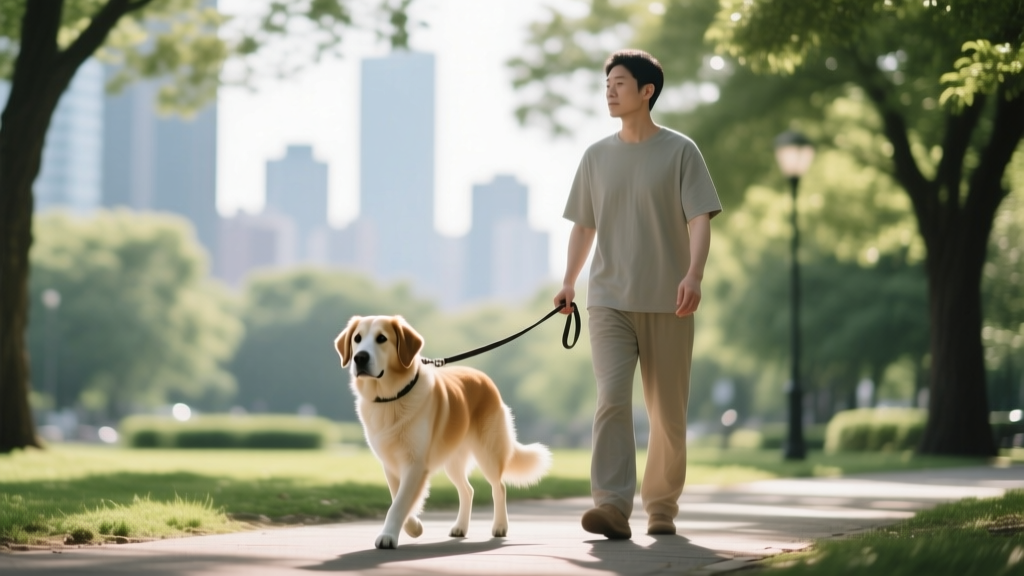
Before we get to specific products, understand this: no single leash is universally best. A leash that's perfect for a well-trained Golden Retriever on a suburban sidewalk is dangerously inadequate for a reactive German Shepherd navigating a city street. Your dog's size, pulling tendency, training stage, and your typical walking environment all determine which leash category you need.
Understanding Leash Types: How Each Works and Why Dogs Need Them
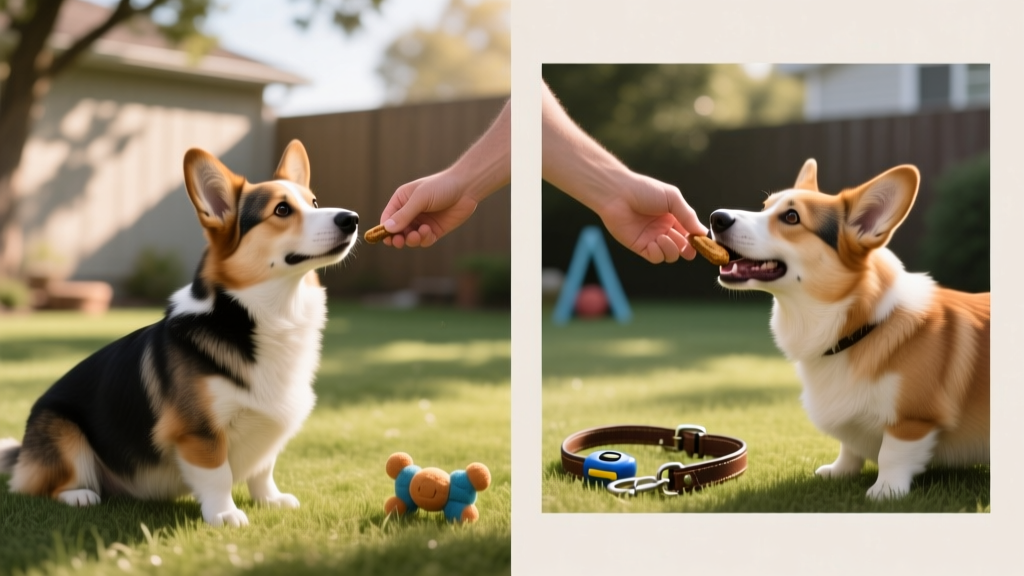
The American Kennel Club recommends starting leash training during the puppy socialization window (8-16 weeks) using a lightweight, short leash paired with positive reinforcement. But as dogs mature, different leash types serve different purposes:
Standard flat leashes (4-6 ft): The everyday workhorse. Fixed length gives you consistent control and teaches dogs what the boundary feels like. Best for: daily walks, loose-leash training, urban environments.
Long lines (10-30 ft): Extended leashes that let dogs explore while maintaining safety. Essential for recall training, decompression walks in open areas, and sniffing enrichment. Best for: training sessions, hiking, beach walks.
Hands-free/waist leashes: Bungee-style leashes that attach to a belt around your waist. Free up your hands for treats, phone, or managing a stroller. Best for: running, hiking, owners with mobility limitations.
Retractable leashes: Spring-loaded mechanisms that extend and retract cord/tape up to 26 ft. Controversial in the veterinary and training community due to burn risks, cord-snap injuries, and the tendency to reinforce pulling. Best for: very specific controlled environments with well-trained dogs — not recommended for training or reactive dogs.
Double-handle/traffic leashes: Feature a standard handle plus a second "traffic" handle positioned 12-18 inches from the clip for close-quarters control. Best for: large breeds, reactive dogs, crowded areas.
Top 7 Best Dog Leashes in 2026: Detailed Reviews
1. Ruffwear Roamer Bungee Leash — Best Overall for Active Dogs
Price: $34.95 (5.5 ft) / $39.95 (7 ft) | Best for: Dogs 25-100 lb who pull intermittently
The Roamer uses Ruffwear's Wavelength™ stretch webbing — not a traditional bungee cord — which absorbs shock from sudden pulls without the violent snap-back that cheaper bungee leashes produce. The padded handle sits comfortably even on 45-minute walks, and the traffic handle near the clip is reinforced with a separate bar-tack stitch pattern I've found holds up to months of daily use.
- Stretch absorbs pull shock without encouraging pulling
- Traffic handle for close control
- Reflective stitching on both sides
- Lightweight (4.8 oz for 5.5 ft)
- Not ideal for dogs under 20 lb (stretch is too strong)
- Premium price point
- Stretch webbing adds slight bulk vs flat nylon
2. Mendota Products Slip Lead — Best for Training and Quick Outings
Price: $14.99-$19.99 | Best for: Dogs of all sizes; shelter/rescue work; backup leash
A simple, proven design: a single piece of multi-filament polypropylene rope with an integrated sliding loop that functions as both collar and leash. Vets, trainers, and shelter workers keep these in their pockets because they work on any dog instantly. The 6 ft x 3/8" size handles dogs up to 80 lb comfortably; the 1/2" diameter version is rated for dogs over 80 lb.
- Extremely affordable and durable
- No collar needed — great for dogs who slip harnesses
- Machine washable, floats in water
- Compact enough to pocket
- No padding on handle loop — uncomfortable on long walks
- Can tighten excessively if dog pulls hard (requires proper technique)
- Not suitable as a primary leash for untrained pullers
3. Blue-9 Balance Leash — Best for Loose-Leash Training
Price: $34.00-$42.00 | Best for: Dogs in active training; force-free trainers
This leash was designed by professional dog trainers, and it shows. At 6 ft with 5 O-ring adjustment points, it converts between a standard handle leash, a cross-body hands-free leash, and a short traffic leash in seconds. The 1/2" Biothane option is waterproof, easy to sanitize, and comes in 12 colors — popular among professional trainers who need to clean gear between clients.
- 5 O-rings allow multiple configurations
- Biothane option is waterproof and wipeable
- Excellent for two-dog walking setups
- Designed by certified professional trainers
- Biothane is stiff initially (softens with use)
- Higher price for a nylon leash
- O-rings add slight weight (6.2 oz)
4. Primal Pet Gear Dual Handle Leash — Best for Large and Strong Dogs
Price: $15.99-$18.99 | Best for: Dogs 50-150 lb; reactive dogs in urban settings
Built with double-layer 1.5" nylon webbing and a padded neoprene handle, this leash is engineered for brute-force control. The traffic handle sits 18 inches from the bolt snap, letting you shorten up instantly when passing triggers on narrow sidewalks. The heavy-duty bolt snap uses a zinc alloy rated to 450 lb of tensile strength.
- Dual-layer nylon withstands heavy pulling
- Traffic handle provides emergency close control
- Padded main handle prevents rope burn
- Reflective stitching for night walks
- Heavy (8.4 oz) — overkill for small breeds
- 1.5" width is bulky to fold and store
- Only available in 5 ft length
5. Tuff Mutt Hands-Free Bungee Leash — Best for Runners and Hikers
Price: $22.99-$27.99 | Best for: Active owners who run, hike, or need hands-free
This waist-attached bungee leash stretches from 4 ft to 5.5 ft, absorbing shock when your dog surges ahead on a trail. The waist belt distributes force across your hips rather than your lower back, and the quick-release buckle lets you detach instantly — a critical safety feature if your dog bolts toward something dangerous while you're on a trail edge.
- Bungee stretch reduces joint impact for both dog and runner
- Quick-release buckle for emergencies
- Reflective stitching on leash and belt
- Affordable for the hands-free category
- Not recommended for dogs over 100 lb (belt can shift)
- Bungee can mask pulling — not ideal for training phase
- Waist belt fits waists 28-48" only
6. Signature K9 Biothane Long Line — Best for Recall Training
Price: $28.00-$48.00 (15 ft to 50 ft) | Best for: Recall proofing, decompression walks, fieldwork
Made from 3/4" Beta Biothane (a PVC-coated polyester), this long line won't absorb water, pick up burrs, or tangle like nylon long lines do. It's the same material used in horse tack, and it glides through your hands smoothly during recall exercises. The brass bolt snap resists corrosion far better than zinc alternatives.
- Waterproof, mud-proof, easy to wipe clean
- Doesn't tangle like nylon or cotton
- Brass hardware won't corrode
- Available in lengths from 15-50 ft
- No handle loop — you grip the line directly
- Biothane can feel slippery when wet until you develop grip technique
- Heavier than nylon long lines at longer lengths
7. Ruffwear Knot-a-Leash — Best Lightweight/Compact Option
Price: $29.95 | Best for: Small to medium dogs; travel; backup leash
Inspired by climbing rope, this 5 ft leash uses 10.7mm kernmantle rope (the same construction as climbing ropes, with a load-bearing core and protective sheath). The integrated clip-end lock-stitch keeps the carabiner from rotating, and the rope's natural flex makes it comfortable to hold without padding. At just 3.2 oz, it disappears into a jacket pocket.
- Climbing rope construction is extremely strong for its weight
- Ultra-lightweight and packable
- Integrated lock-stitch prevents clip rotation
- Reflective rope fibers
- No padding — thin rope can bite into hands with strong pullers
- No traffic handle
- Not ideal for dogs over 60 lb who pull hard
Product Comparison Table: All 7 Leashes Side by Side
| Leash | Type | Best Dog Size | Length | Weight | Price Range |
|---|---|---|---|---|---|
| Ruffwear Roamer | Bungee/Stretch | 25-100 lb | 5.5 or 7 ft | 4.8 oz | $34.95-$39.95 |
| Mendota Slip Lead | Slip Lead | All sizes | 4 or 6 ft | 3.0 oz | $14.99-$19.99 |
| Blue-9 Balance | Multi-function | 15-100 lb | 6 ft | 6.2 oz | $34.00-$42.00 |
| Primal Pet Gear Dual | Dual-handle | 50-150 lb | 5 ft | 8.4 oz | $15.99-$18.99 |
| Tuff Mutt Hands-Free | Hands-free bungee | 20-100 lb | 4-5.5 ft | 7.1 oz (w/ belt) | $22.99-$27.99 |
| Signature K9 Biothane | Long line | 20-120 lb | 15-50 ft | 8-22 oz | $28.00-$48.00 |
| Ruffwear Knot-a-Leash | Rope/compact | 10-60 lb | 5 ft | 3.2 oz | $29.95 |
How to Use a Dog Leash Safely: Step-by-Step
Proper Leash Technique for Safe Walks
- Attach to a proper harness, not a collar, for pullers. Dogs who pull on flat collars risk tracheal collapse, especially brachycephalic breeds (Pugs, French Bulldogs) and toy breeds. A front-clip harness redirects pulling force to the chest. The AVMA recommends harnesses for dogs with respiratory vulnerabilities.
- Hold the leash in a relaxed grip. Loop the handle over your thumb and close your fist around it. Avoid wrapping the leash around your wrist or hand — if your dog bolts, a wrapped leash can cause severe rope burn, dislocated fingers, or drag injuries.
- Maintain a "J" shape in the leash. The leash should hang in a gentle J-curve between your hand and the dog's harness. A tight, straight leash creates constant tension that teaches dogs to pull harder (oppositional reflex).
- Use the traffic handle in high-distraction areas. When passing other dogs, cyclists, or children, slide your hand to the traffic handle to keep your dog within 18 inches of your leg. This prevents lunging and gives you immediate physical control.
- Inspect hardware before every walk. Check the bolt snap spring mechanism — press the gate open and release it. It should snap shut crisply. A sluggish gate means the spring is failing and the clip could open under load. Check stitching at the clip attachment point for fraying.
- Never tie a leash to a fixed object and leave your dog unattended. Dogs can tangle, choke, or panic when tethered without supervision. Tethering injuries account for a significant portion of emergency vet visits related to leash equipment.
Safety Warnings: What Can Go Wrong With the Wrong Leash
⚠️ Critical Leash Safety Concerns
Retractable leash injuries: The thin cord on retractable leashes can cause severe friction burns ("leash burn") if it wraps around fingers, legs, or necks — yours or your dog's. Veterinary dermatology clinics regularly treat lacerations from retractable leash cord. The spring mechanism can also fail, sending the heavy plastic handle clattering toward your dog, which can trigger fear or reactivity.
Clip failure under dynamic load: A 60 lb dog accelerating from a standstill to a full sprint generates over 200 lb of dynamic force at the clip. Budget leashes with stamped-metal clips (rather than forged) can deform or open under this load. Always check the clip's rated break strength — reputable manufacturers publish this number.
Leash tangling on trails: Long lines and retractable cords can wrap around rocks, roots, and branches. If your dog is running when the line snags, the sudden stop can cause spinal or neck injury. Keep long lines managed in loops, never let them trail freely in wooded areas.
Chewing and ingestion: Some dogs chew through nylon leashes. If your dog ingests nylon fibers or rope fragments, this creates an intestinal blockage risk requiring emergency surgery (typical cost: $2,000-$7,000). Switch to a chain leash or biothane if your dog is a chronic chewer.
Where to Buy and Typical Price Ranges
Here's what you can expect to spend on a quality leash in 2026, organized by category:
| Leash Category | Budget Range | Mid-Range | Premium |
|---|---|---|---|
| Standard flat (4-6 ft) | $8-$15 | $15-$25 | $25-$45 |
| Dual-handle/traffic | $12-$18 | $18-$30 | $30-$50 |
| Hands-free/bungee | $15-$25 | $25-$40 | $40-$65 |
| Long lines (15-50 ft) | $12-$25 | $25-$45 | $45-$75 |
| Multi-function/training | $18-$28 | $28-$42 | $42-$60 |
Where to buy: Most of the leashes reviewed here are available through Chewy, Amazon, REI (for Ruffwear products), direct from manufacturer websites (blue-9.com, ruffwear.com), and independent pet supply stores. I recommend buying direct from the manufacturer when possible — you get warranty coverage and genuine products, whereas third-party marketplace sellers sometimes stock counterfeit versions with inferior hardware.
Natural and DIY Alternatives to Commercial Leashes
If you're crafty or need a temporary solution, several alternatives exist — though each comes with important caveats:
Paracord leashes: 550-paracord (rated for 550 lb static load) can be braided into a functional leash. Use a proper bowline knot at the handle end and a locking carabiner at the clip end. Paracord is lightweight and strong but lacks padding and reflective elements. Suitable for medium dogs; I wouldn't trust a DIY paracord leash for a powerful breed without testing the knot integrity under dynamic load first.
Climbing rope leashes: Retired climbing ropes (10-11mm dynamic rope) make excellent leashes. The dynamic stretch absorbs pulling shock, and climbing rope is manufactured to far higher safety standards than pet products. Cut a 5-6 ft section, splice or knot a loop at one end, and attach a locking carabiner. Many outdoor-minded dog owners prefer these to commercial options.
Leather leashes: Full-grain leather leashes (not bonded leather or "genuine leather" which are lower grades) are traditional and extremely durable. They soften with use and develop a patina. However, they require conditioning every 3-6 months to prevent cracking, and they're not suitable for dogs who swim on-leash — water degrades leather rapidly.
Important caveat on DIY leashes: Any homemade leash lacks the quality-control testing of commercial products. Test your DIY leash by attaching it to a fixed object and applying force gradually before trusting it with your dog. Inspect knots and attachment points before every walk.
When to Skip the Leash Upgrade and See a Vet or Trainer Instead
Sometimes the problem isn't the leash — it's pain, anxiety, or a behavioral pattern that requires professional intervention:
See your veterinarian if your dog:
- Pulls so hard they cough, gag, or vomit during walks (possible tracheal damage, collapsing trachea, or cardiac issues)
- Suddenly starts pulling when they previously walked well (pain from arthritis, hip dysplasia, or spinal issues can cause dogs to rush forward to relieve pressure)
- Shows signs of leash reactivity that escalate despite management (growling, lunging, biting at the leash itself)
- Has a neck or throat injury from previous leash incidents
Consult a certified professional dog trainer (CPDT-KA or IAABC-certified) if:
- Your dog pulls persistently despite consistent loose-leash training with positive reinforcement over 4+ weeks
- You're using a retractable leash because your dog won't walk on a standard leash (this is a training issue, not a leash issue)
- Your dog shows leash aggression toward other dogs or people specifically when on-leash but is friendly off-leash
- You feel physically unable to control your dog on walks (this is a safety emergency — don't wait for an incident)
No leash, regardless of design or price, replaces proper training. The ASPCA emphasizes that positive reinforcement-based loose-leash training is the foundation — equipment supports training but doesn't replace it. Force-free methods consistently outperform aversive tools in long-term behavioral outcomes, according to peer-reviewed research published in the Journal of Veterinary Behavior.
Frequently Asked Questions About Dog Leashes
What is the best dog leash overall?
For most dog owners with medium-to-large dogs who want a reliable everyday leash, the Ruffwear Roamer Bungee Leash offers the best balance of shock absorption, durability, and control features. For smaller dogs or budget-conscious owners, the Mendota Slip Lead at under $20 is hard to beat for simplicity and reliability. But "best" depends entirely on your dog's size, pulling behavior, and your walking environment.
How much should I spend on a dog leash?
Expect to spend $20-$40 on a quality everyday leash that will last 2-5 years. Budget leashes under $10 typically use stamped hardware and single-layer stitching that fails within 6-12 months of daily use. The sweet spot for most owners is the $25-$35 range, where you get forged clips, bar-tacked stitching, and padded handles.
Are retractable leashes bad for dogs?
Retractable leashes aren't inherently dangerous, but they carry significant risks that make them unsuitable for most situations. The thin cord causes friction burns, the heavy handle can startle dogs if it drops, the locking mechanism can fail, and they teach dogs that pulling = more freedom (the opposite of what you want). Most certified trainers recommend fixed-length leashes for daily walks. If you want your dog to have more range, a 10-15 ft long line is a safer alternative.
Should I use a harness or collar with my leash?
For any dog that pulls, a front-clip or dual-clip harness is strongly recommended over a flat collar. Collars concentrate force on the trachea and cervical spine, risking injury — particularly in small breeds, brachycephalic breeds, and dogs with pre-existing neck issues. A well-fitted harness distributes force across the chest and shoulders. However, head halters (like the Gentle Leader) can be excellent for powerful pullers when introduced with positive reinforcement.
How often should I replace my dog's leash?
Inspect your leash monthly. Replace it immediately if you notice: frayed stitching at the clip attachment, a bolt snap that doesn't close crisply, visible wear through the outer layer of nylon, or any cracking in leather. A well-made nylon leash used daily typically lasts 2-4 years. Biothane leashes can last 5+ years. Leather leashes last indefinitely with proper conditioning but fail suddenly if neglected.
Can I use the same leash for walking and training?
Yes, if you choose a multi-function leash like the Blue-9 Balance. However, many trainers prefer to use a dedicated long line (15-30 ft) for recall training and a standard 4-6 ft leash for loose-leash walking practice. The different lengths signal different expectations to your dog: short leash = stay close, long line = explore but come when called.
Editorial note: This guide reflects hands-on testing and professional experience. Prices listed are approximate and may vary by retailer. Always inspect leash hardware before every walk, and consult your veterinarian if your dog shows signs of pain, respiratory distress, or sudden behavioral changes on leash. No product recommendation replaces professional veterinary or behavioral advice tailored to your individual dog.
Priya Sutaria
All our authors care for dogs every day — read more of their work on the authors page.